The Real Reasons Swamps Have a Reputation for Danger
Swamps have a long reputation for danger, and much of it is well-founded. Beyond the thick vegetation and heavy humidity, these wetlands store massive amounts of carbon, release methane gas, support predators, and present unstable ground and hidden waterways. Historically, they also served as refuges for people escaping slavery. The risks are environmental, biological, and historical.
Where Water Rewrites The Rules
Credit: pexels
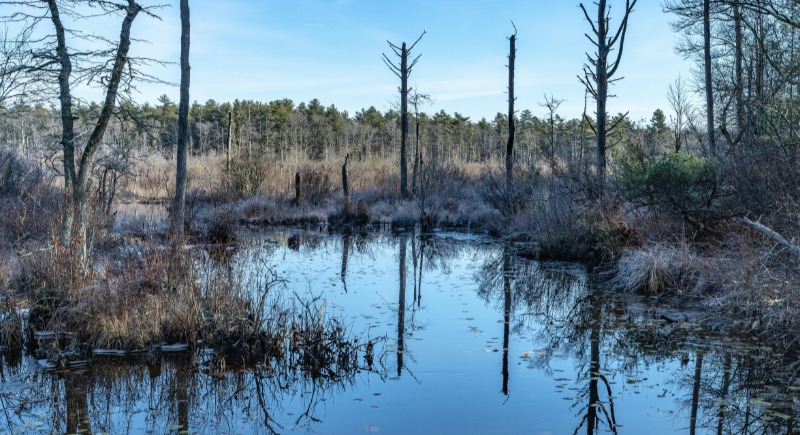
Swamps are forested wetlands where the ground remains saturated for extended periods. The water table is at or near the surface, and that constant moisture determines what can survive. Oxygen levels in such soil are usually low, so plants and animals need specific adaptations to live there. Low oxygen also slows decomposition, which changes how nutrients move through the ecosystem.
Ground That Will Test Your Balance
Credit: Getty Images
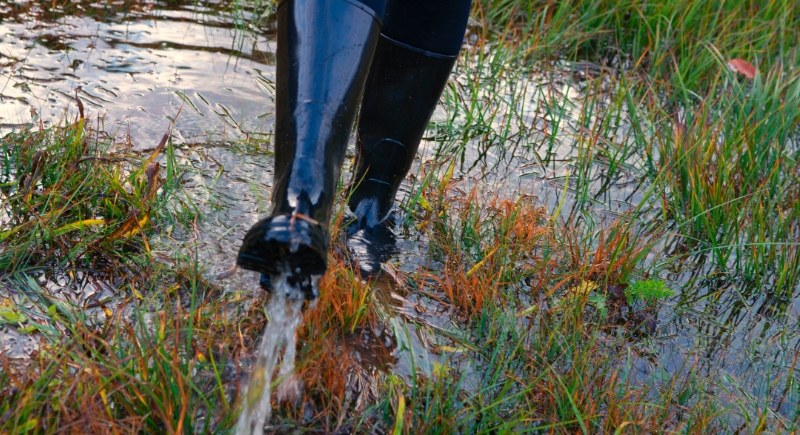
Swamps earned their reputation for swallowing boots because the ground is often unstable. Waterlogged peat and mud compress under pressure, so what looks firm can suddenly sink. Floating mats of vegetation may appear solid even though they drift over shallow water. Submerged logs hide beneath dark water and have damaged boats for generations. Fog also forms easily over saturated terrain, which reduces visibility and makes navigation far more difficult than expected.
Why Mosquitoes Love It There
Credit: Canva
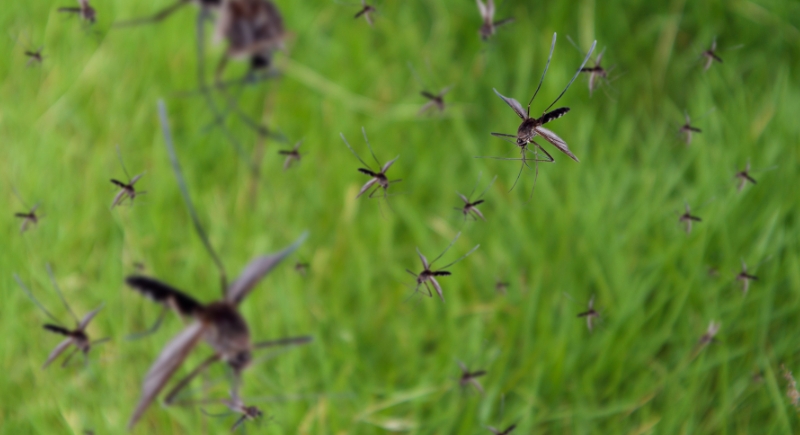
Standing water provides perfect breeding conditions for mosquitoes. In some regions, those mosquitoes spread diseases such as West Nile virus and malaria. Shallow, slow-moving water also supports leeches, which attach to animals or people as they move through vegetation. Long before germ theory, illness in these areas was blamed on “bad air” under the miasma theory. The belief drove major drainage projects across Europe and North America, even before scientists understood how disease actually spreads.
Predators Built For Ambush
Credit: Canva
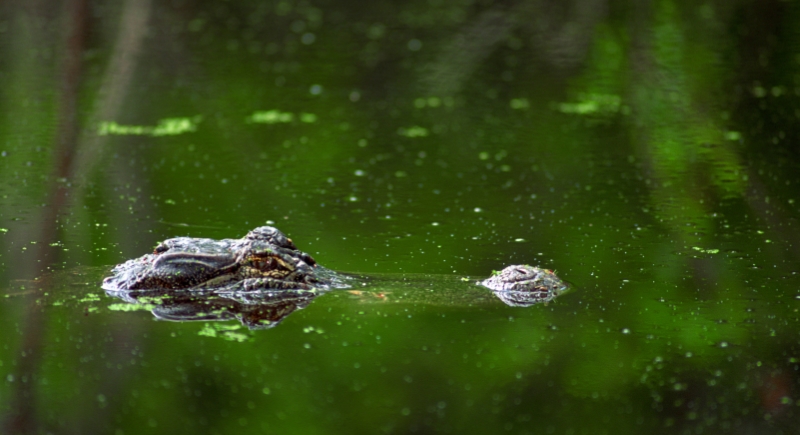
In many southern U.S. wetlands, American alligators move through murky water that helps them stay hidden until the last second. In tropical swamps across Southeast Asia and northern Australia, saltwater crocodiles fill a similar role at the top of the food chain. Dense vegetation also gives venomous snakes the cover they need to hunt effectively. In parts of South America, slow-moving freshwater floodplains support piranhas adapted to those conditions. When thick plant growth narrows visibility and movement, escape routes become limited, and predators hold a clear advantage.
Plants That Eat Back
Credit: Getty Images
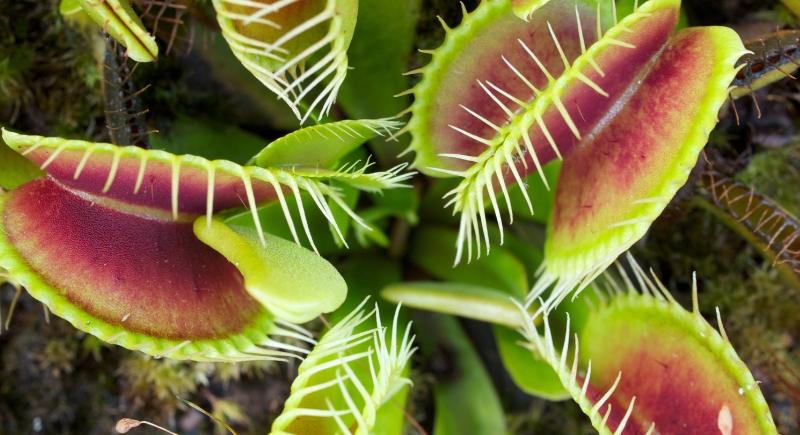
Swamp soil often lacks nitrogen because constant water slows the breakdown of organic matter. To survive, some plants evolved a different strategy. Carnivorous species such as pitcher plants and Venus flytraps trap and digest insects to replace nutrients missing from the soil. These adaptations let them grow where many other plants cannot.
Carbon Vault With A Catch
Credit: pexels
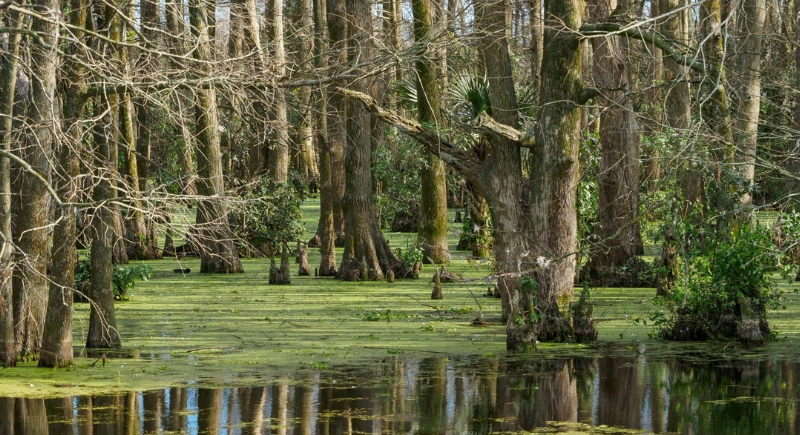
Wetlands cover only about 5 to 8 percent of Earth’s land surface, but they store up to 30 percent of terrestrial carbon. Plants in wetlands grow quickly and absorb carbon dioxide from the air. When those plants die, the waterlogged soil slows their breakdown. Instead of fully decomposing, much of the plant material stays trapped in the saturated ground, which keeps the carbon stored for long periods. At the same time, wetlands produce up to a quarter of global methane emissions. Methane traps more heat than carbon dioxide over shorter timescales, which makes their overall climate impact more complicated.
The Refuge Hidden In Virginia
Credit: Wikimedia Commons
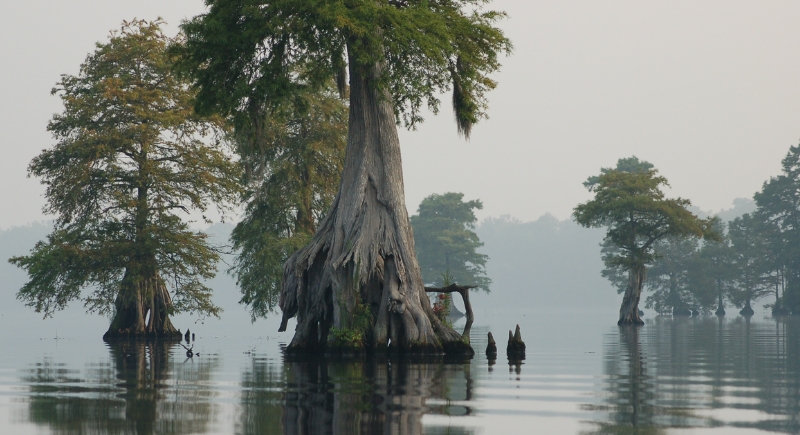
The Great Dismal Swamp once stretched across more than 1 million acres along the Virginia-North Carolina border. A company co-founded by George Washington began draining and logging it in the 18th century. Today, the swamp measures less than half its original size. Historical estimates suggest up to 50,000 enslaved African Americans sought refuge there. Remote terrain offered protection when few other safe options existed.
When Draining Meant Progress
Credit: Canva
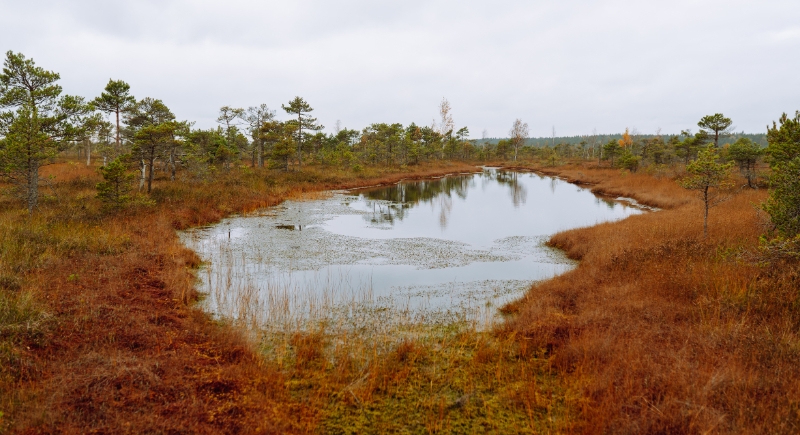
Developers historically treated wetlands as wasted land that needed improvement. Large drainage efforts converted swamps into farmland and urban space across the United States. However, removing these wetlands eliminated natural flood buffers that once absorbed stormwater. Modern environmental research shows that drained areas face a higher flood risk.
Ancient Floodplain Evolution Story
Credit: pexels
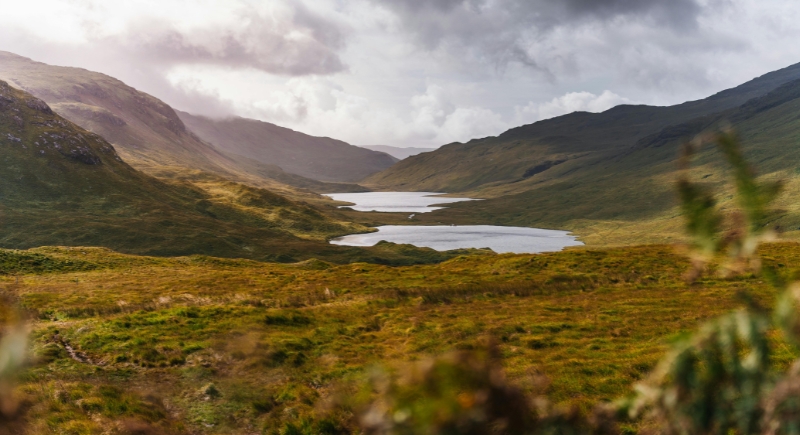
About 360 million years ago, a powerful storm surge hit low-lying land in what is now Scotland. Marine worms were swept inland, and their tiny fossil remains later showed up in sediment layers. At the same site, geological evidence points to some of the earliest land vertebrates living in floodplain environments. Sediment patterns show cycles of seasonal drying mixed with long-lasting swampy areas. Some researchers suggest that repeated coastal flooding may have pressured early vertebrates to adapt more fully to life on land.