Prague’s Dark Secrets That Tourists Never Knew About
Prague is known for its postcard views and preserved architecture, but many of its most compelling stories are tied to events and places that rarely appear on standard tours. Beyond the main squares and landmarks are sites shaped by war, political upheaval, folklore, and everyday life. They offer a deeper understanding of the city’s past and the forces that shaped it beyond its most photographed monuments.
The Astronomical Clock’s Curse
Credit: Canva
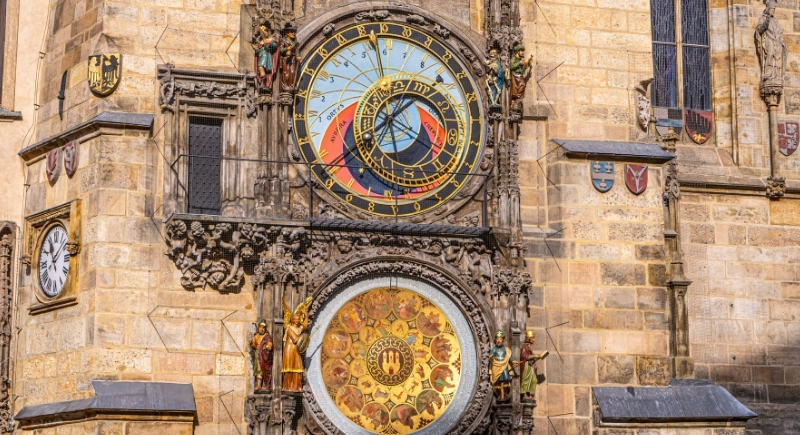
A legend surrounds Prague’s beloved clock. After crafting its intricate mechanism in 1410, the clockmaker was allegedly blinded (possibly even murdered) by those who commissioned him. The goal was to prevent him from replicating its beauty elsewhere. Tourists go crazy after the hourly show, unaware of the violence the city’s pride once required.
Alchemists Beneath the Castle
Credit: Tripadvisor
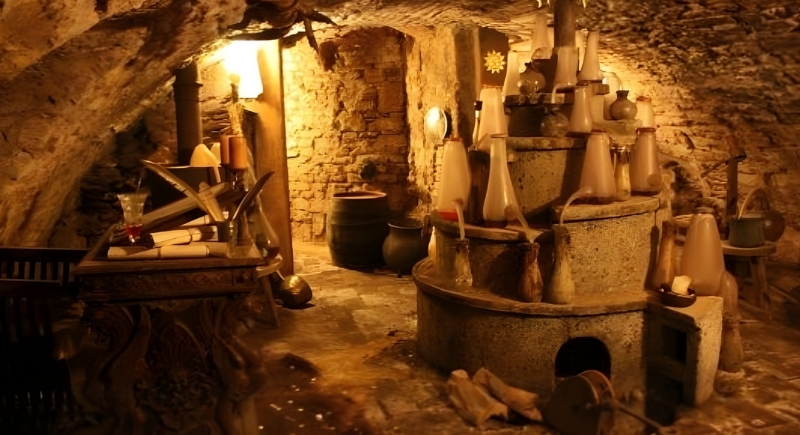
During Rudolf II’s reign in the late 1500s, Prague became a center for alchemy. The emperor welcomed thinkers chasing eternal life and gold, and many worked in cellars beneath Prague Castle. They left behind tunnels and labs where science and mysticism met. These spaces still exist, though most visitors pass by without knowing.
Medieval Torture Beneath the Streets
Credit: Tripadvisor
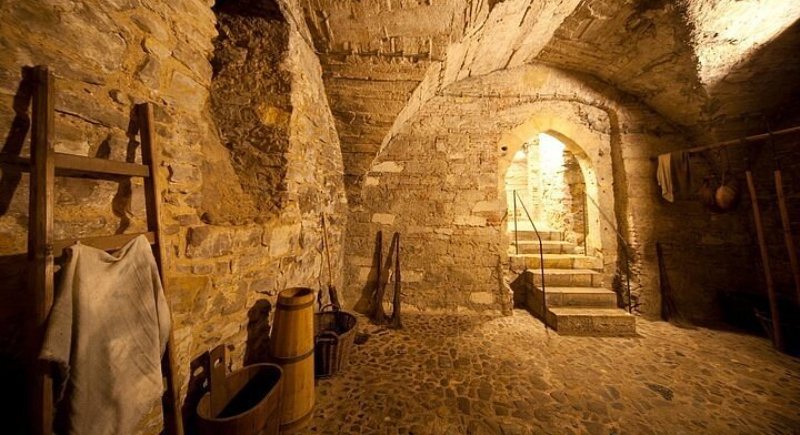
Prague’s underground holds more than beer cellars. Beneath Old Town, there are dungeons used during the Middle Ages for imprisonment and torture. These chambers, once served as interrogation sites, speak to a far harsher chapter in the city’s history.
The Executioner’s House
Credit: Tripadvisor
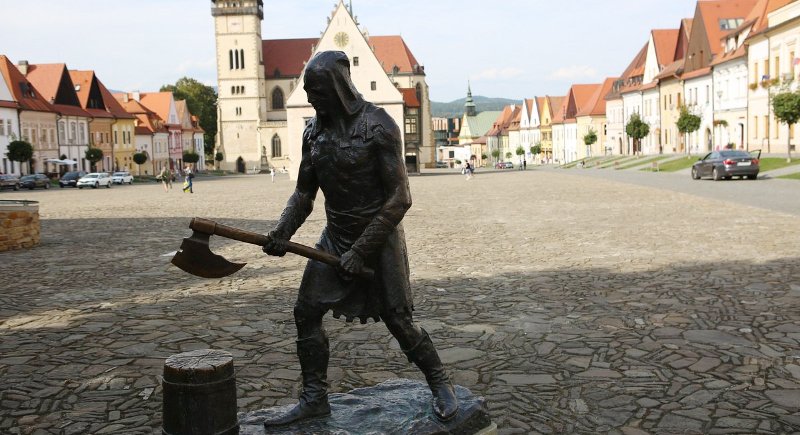
Prague’s executioner had a job people depended on, but nobody wanted him around. He lived just outside the center in a house known for fear. Shunned socially, he carried out public punishments and then returned to isolation.
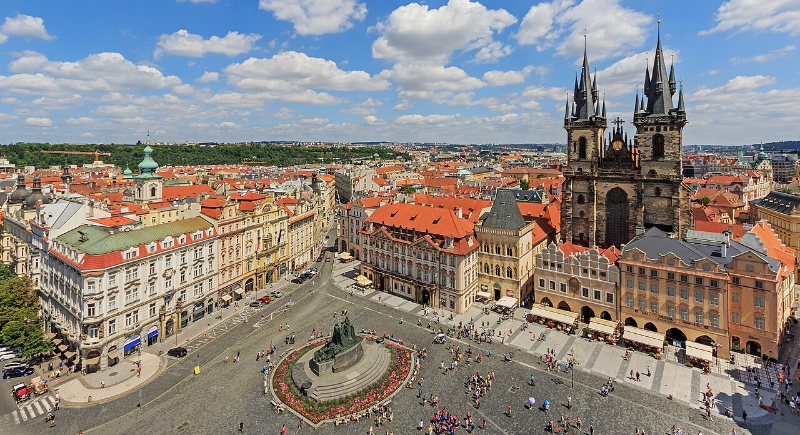
Layers Buried Beneath Old Town
Credit: Wikimedia Commons
Most don’t realize Old Town sits atop older streets. After floods and fires, Prague rebuilt upward, sealing off alleys, homes, and passages beneath new layers. Today, you can descend into these hidden corridors that were once home to merchants and wartime hideouts.
The Jewish Quarter’s Golem Legend
Credit: Living Prague
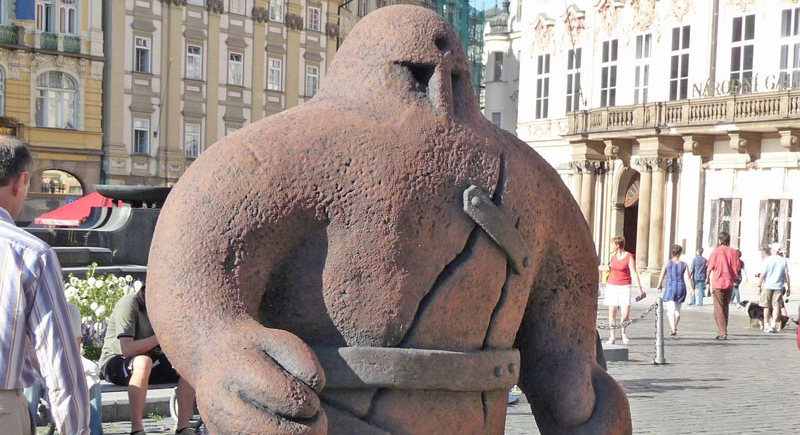
One of Prague’s oldest and most mysterious tales comes from the Jewish Quarter. In the 1500s, Rabbi Loew reportedly created a Golem, which is a clay figure brought to life to defend the community. When the Golem became uncontrollable, it was deactivated. Some believe its body is still hidden in a synagogue attic, waiting to be discovered.
Klement Gottwald’s Vanished Tomb
Credit: Reddit
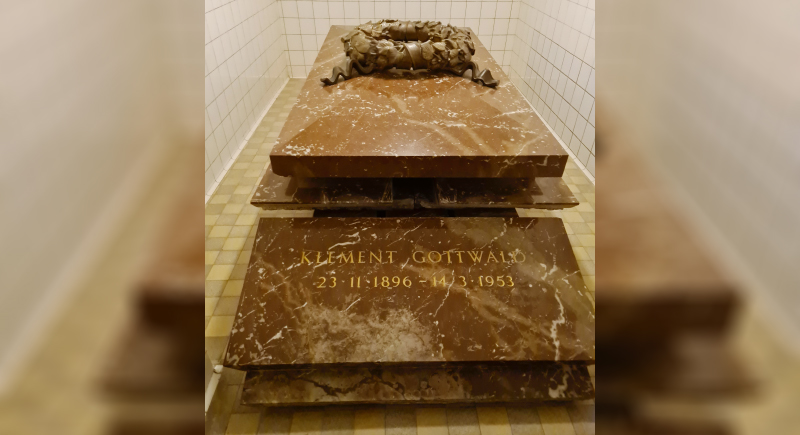
After Czechoslovakia’s first communist leader, Klement Gottwald, died, his body was embalmed and placed in a grand mausoleum on Vitkov Hill. It was a public display of loyalty to Moscow’s style. Later regimes changed course, cremated him, and repurposed the site. The building remains, but its original use has been erased.
The Memorial That Disintegrates
Credit: Wikimedia Commons
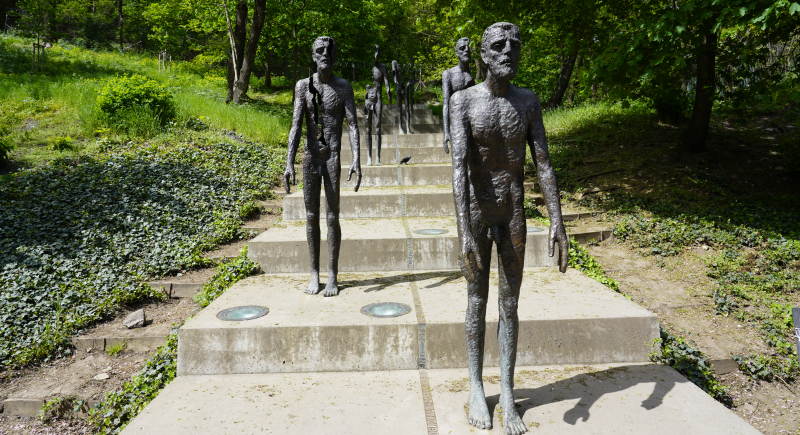
At the base of Petřín Hill stands the Memorial to the Victims of Communism. It shows a line of bronze human forms descending stairs, each figure more broken than the last. One is cracked, another has missing limbs, until only fragments remain. The figures speak clearly of state violence.
The KGB Museum’s Unfiltered History
Credit: Tripadvisor
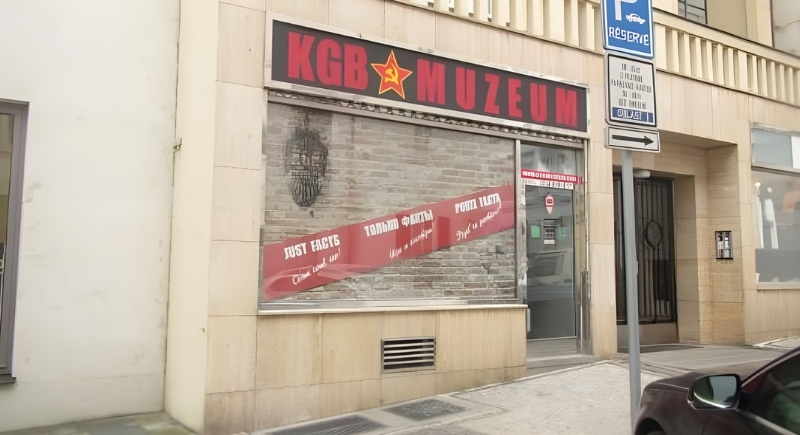
Near Castle Hill is a tiny KGB Museum, run by an eccentric Russian collector. Visitors see Cold War-era gear—spycams in cigarette boxes, death masks, military paraphernalia. The curated chaos and theatrical narration give it an intensity.
The Lennon Wall’s Layered Defiance
Credit: Wikimedia Commons
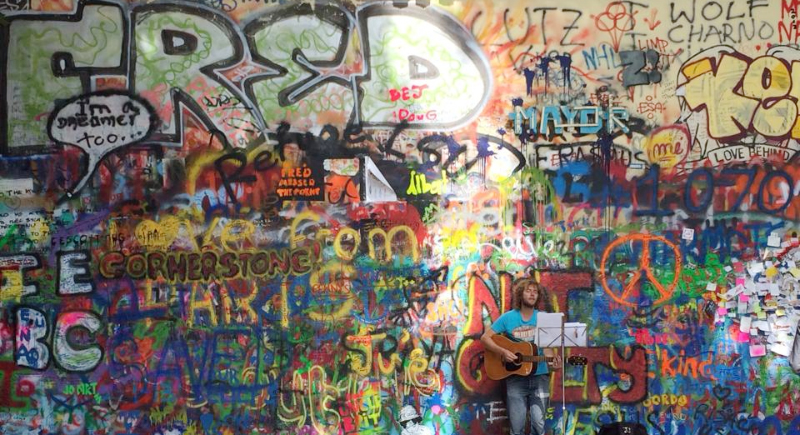
During communist rule, students in Prague began painting messages, Beatles lyrics, and peace signs on a wall near the French Embassy. Authorities painted over them again and again. But each time, new messages returned. The wall became a form of protest. Layers of color and words still cover it, and continue to grow every year.