How to Plan a Trip to Brazil Beyond the Usual Tourist Spots
Skipping Brazil’s best-known spots doesn’t mean missing out. It means avoiding crowds, inflated prices, and logistical headaches that often come with them. The country is vast and wildly diverse, which can make travel less predictable and more rewarding when approached with care and consideration.
These 15 tips, drawn from expert sources and firsthand experience, will help you explore Brazil more effectively and far from the usual path.
Prioritize One Region Instead of Crossing the Country

Credit: Canva
Traveling across Brazil may sound adventurous, but the endless flights and security lines quickly wear you down. Rio to Manaus is over four hours by plane, and that’s a short one. Pick a specific region and spend your time exploring it well rather than rushing between distant highlights.
Choose Efficient Routes: Regional Flights or Ground Transfers
Credit: pexels
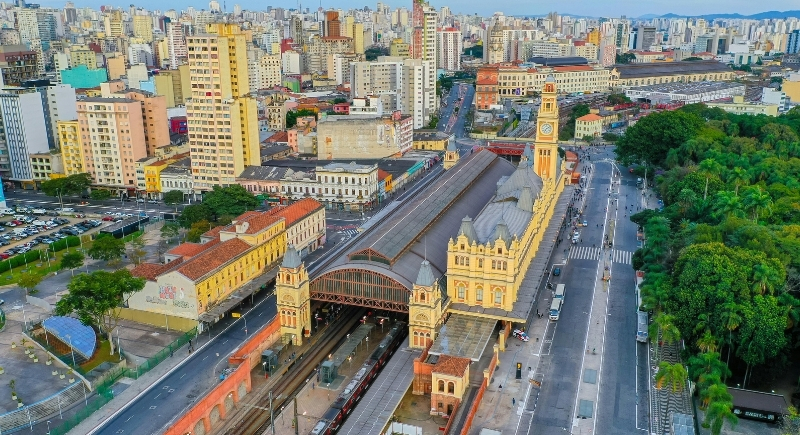
There’s no rule that says you need to fly into a capital city. Some of Brazil’s most rewarding spots are reached by skipping big airports entirely. A drive from Rio to Paraty is preferable to backtracking through São Paulo. And in remote zones, local transfers and regional flights shave hours off your route.
Use Digital Tools That Locals Actually Rely On

Credit: Canva
WhatsApp is essential in Brazil. Hotels, drivers, and tour guides respond faster there than by email or phone. Ride apps like 99 or Uber also work better than taxis. Download offline maps as they’re a lifesaver in nature-heavy areas with weak signals.
Book Domestic Flights Several Weeks in Advance
Credit: Getty Images
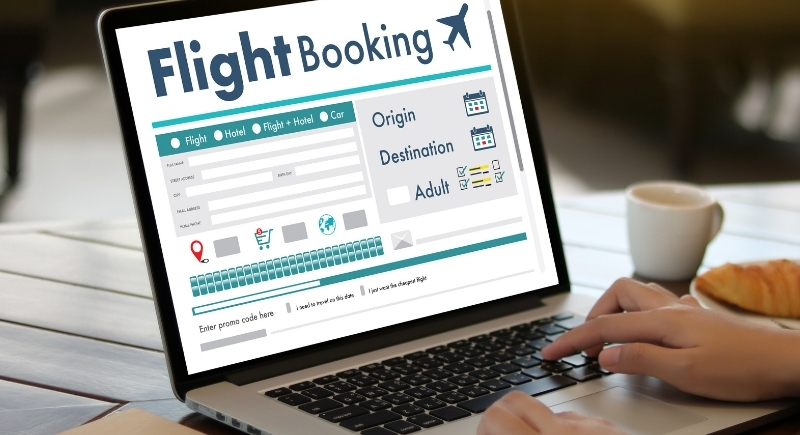
Airfare in Brazil can jump dramatically closer to departure. Fernando de Noronha and Pantanal flights, in particular, reward early planning. If you’re heading there during June through August or over Carnival, set alerts well in advance. The best fares are often snapped up by locals weeks before departure.
Avoid Major Holidays Unless You’re Traveling for Them

Credit: Getty Images
If you’re not traveling for the festivities, it’s wise to skip Brazil’s big holidays. Celebrations like Carnival, Easter, and Republic Day bring the entire country to a standstill, filling buses and hotels no matter where you go. And that’s applicable even in places that seem off-grid. Regional events can have the same effect. Double-check local calendars so you don’t land somewhere during a surprise three-day weekend.
Use Shoulder Season to Your Advantage

Credit: Canva
April to June and September to November bring lighter crowds, mild weather, and a surprising amount of access. In the Pantanal, this is when jaguar sightings become more common. The northeast stays warm and dry, and you’ll have an easier time getting permits or guides for popular parks.
Confirm Park and Trail Access by Season

Credit: Getty Images
Some of Brazil’s top landscapes aren’t accessible year-round. In Lençóis Maranhenses, the freshwater lagoons exist only between June and September. In the Amazon and Pantanal, flooding can restrict trails or river routes. Always check current conditions with operators before finalizing your itinerary.
Use Accommodations With Local Access Knowledge
Credit: iStockphoto
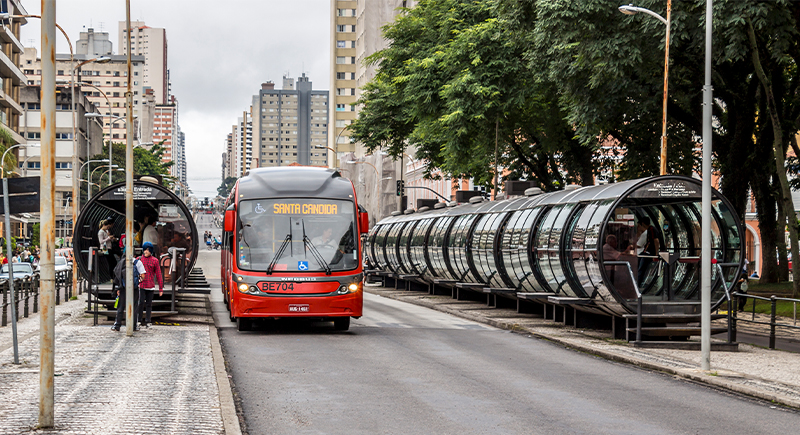
Getting to remote parts of Brazil can mean mixing ferries, buses, and someone’s cousin’s truck. Hotels rarely explain this. Smaller pousadas and eco-lodges, though, often help guests with route planning or pickups. They’re also more likely to know whether the road has turned to mud that week.
Stay in Lodges That Support Conservation Work

Credit: Instagram
Places like the Ibiti Project offer more than a quiet stay. They actively maintain wildlife corridors and reforest native biomes. These areas often have trails, waterfalls, and guides with ecological training. Staying in conservation-focused lodging gives you access to protected spaces that most tourists will never reach.
Base Yourself in Towns With Multiple Transport Options
Credit: Canva
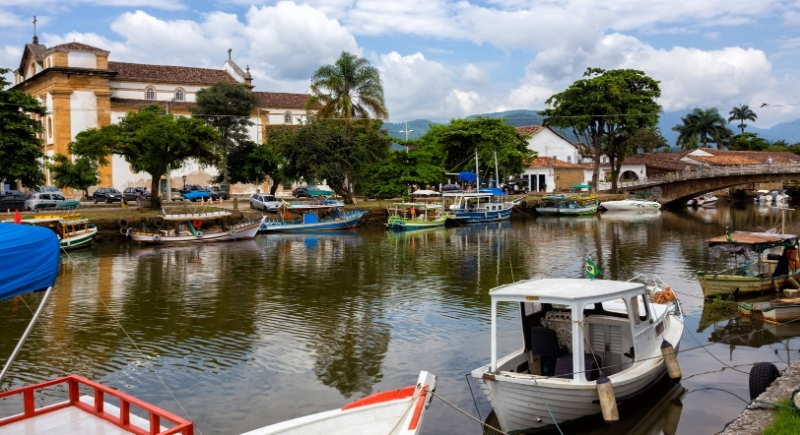
Remote areas aren’t always hard to reach, especially if you choose the right base. Paraty connects by road to both Rio and São Paulo, while Barreirinhas serves as the main access point to Lençóis Maranhenses. Choosing towns with multiple exit routes can prevent delays and help you reroute if plans shift.
Have Enough Cash for Local Purchases

Credit: Getty Images
Many small businesses in Brazil still operate on cash, especially outside cities. Markets, beach kiosks, intercity buses, and fuel stops often don’t take cards. ATMs may be limited or incompatible with foreign banks. Bring reais for everyday expenses and avoid relying solely on digital payments.
Know That English Is Rare Outside Tourist Zones

Credit: iStockphoto
In smaller towns and most non-hotel services, Portuguese is your only option. Learning common phrases like “quanto custa?” (how much is it?) or “onde é o banheiro?” (where is the bathroom?) can smooth out simple interactions. Download an offline Portuguese translation app if you’re heading into rural areas.
Adjust Expectations for Internet and Mobile Coverage

Credit: Getty Images
Signal strength drops drastically outside metro areas. Even on coastal islands or inside national parks, you may lose access entirely. Download necessary confirmations, maps, and tickets ahead of time. Many ecolodges or pousadas operate without consistent Wi-Fi or mobile reception.
Explore One-Off Experiences That Don’t Require Long Detours

Credit: iStockphoto
You don’t have to venture deep into the jungle to find something unforgettable in Brazil. Marta Marinelli’s itinerary included a visit to a samba school in Rio, where she watched parade prep in progress and learned how the community trains year-round. Activities like these offer cultural depth without needing extra days or flights.