10 Places to See the Northern Lights in the Lower 48 States During the Solar Max
Solar activity is ramping up, which means the northern lights are appearing farther south than usual. In 2026, people across the lower 48 states will have a real chance to see auroras without flying to Alaska or Iceland. These locations offer some of the best odds when conditions line up, and the sky puts on a show.
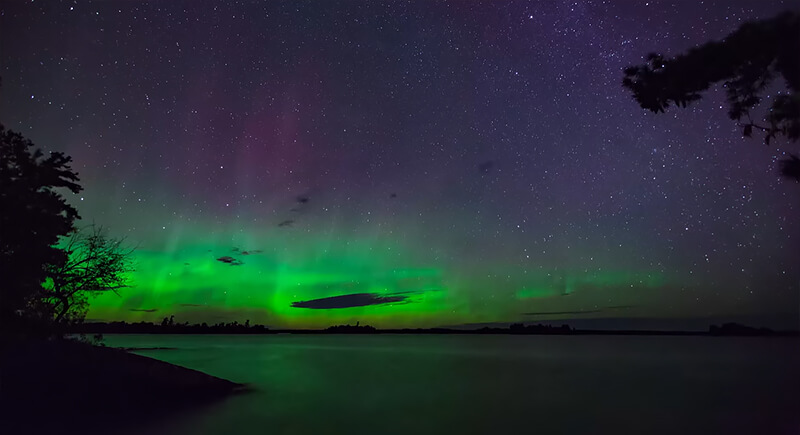
Voyageurs National Park, Minnesota
Credit: Youtube
Far north and free from city glare, Voyageurs sits in one of the darkest regions of the continental U.S. Its vast lakes reflect aurora when conditions align. During strong geomagnetic storms, this national park becomes one of the most aurora-reliable places in Canada.
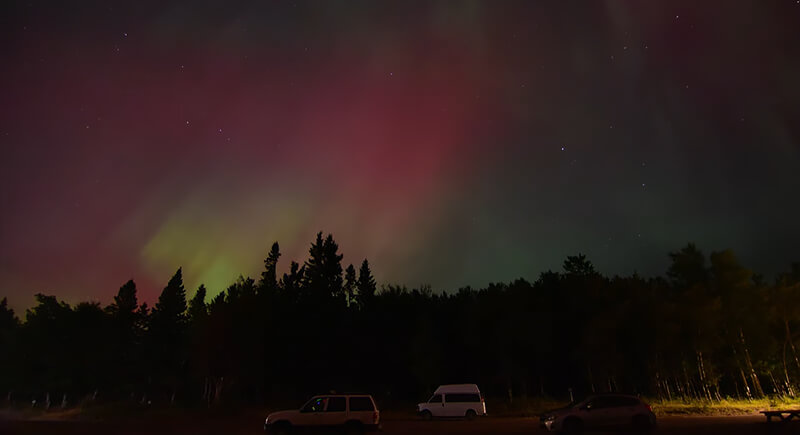
Keweenaw Peninsula, Michigan
Credit: Youtube
During winter months, its northern shores can serve up bold auroras dancing above icy waves. The Keweenaw Peninsula juts out far enough to catch a clear view of northern activity, especially around Eagle Harbor. Locals track space weather forecasts the way others follow sports scores, and visitors can time their trip to coincide with new moon nights for darker skies.
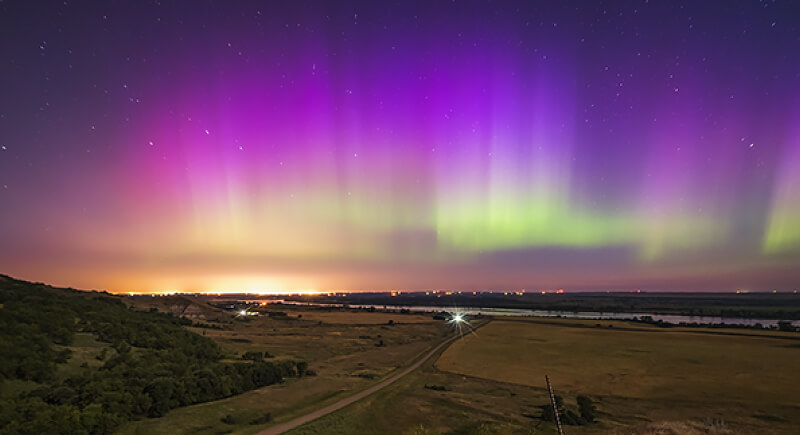
Turtle Mountains, North Dakota
Credit: ndtourism
This remote spot in northern North Dakota doesn’t usually make national travel lists, but skywatchers know it well. Its open skies and near-zero light pollution help reveal even faint auroras. When solar storms crank up the KP index to 6 or higher, the Turtle Mountains often glow green. The area’s elevation gives you a wider view of the horizon.
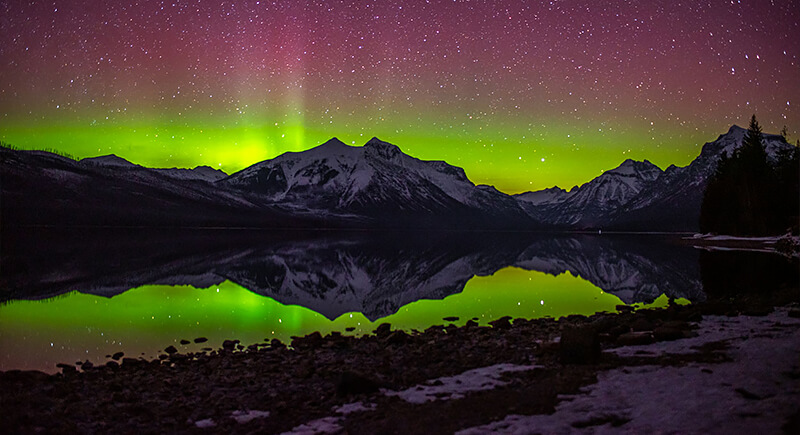
Glacier National Park, Montana
Credit: jennifervernarskyphotography
Glacier’s high-altitude views and lack of major cities nearby create prime conditions during solar maximum years. When the geomagnetic field gets active, auroras stretch across the park’s skies, especially in winter. Logan Pass and Saint Mary Lake offer open sightlines. Just check road conditions, as much of the park shuts down in winter.
Boundary Waters Canoe Area, Minnesota
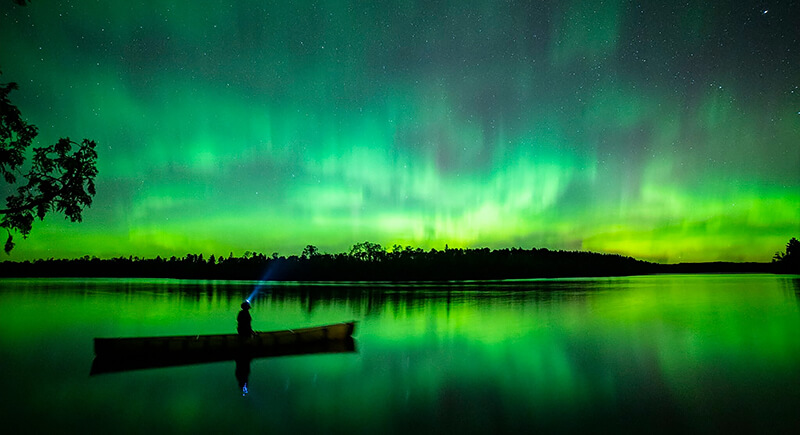
Credit: Facebook
Known more for paddling and portages, the Boundary Waters also happens to sit inside the auroral oval during strong solar activity. It’s rugged and filled with campgrounds where artificial light doesn’t reach. In peak winter, the frozen lakes offer wide-open skies. Even with moderate geomagnetic conditions, the northern lights can put on a solid show across the treeline.
Essex County, Vermont
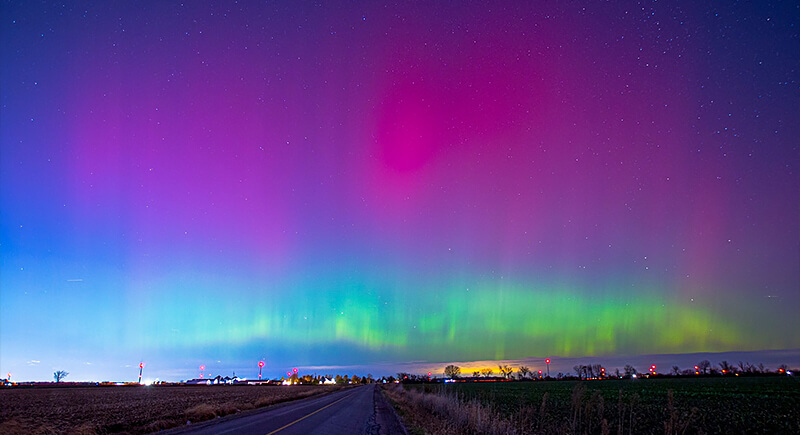
Credit: Facebook
Northern Vermont occasionally catches the edge of geomagnetic storms, and Essex County is well-placed for it. It sits at a high enough latitude to be in play during stronger solar events and has fewer light pollution issues than nearby regions. During 2024’s early-May solar storm, the lights reached Vermont’s northern border—a sign that 2026 could bring more of the same.
Cascade Mountains, Washington
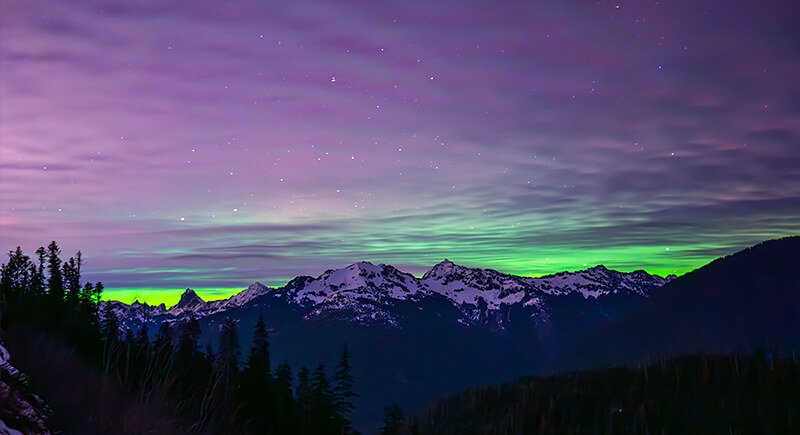
Credit: Reddit
Auroras don’t hit the Pacific Northwest as often, but the Cascade range can get lucky during big space weather events. North Cascades National Park, in particular, offers altitude, distance from major light sources, and wide views over the valleys. Timing helps: a new moon in February or March paired with a solar storm can turn the mountain skies electric.
Sand Hills, Nebraska
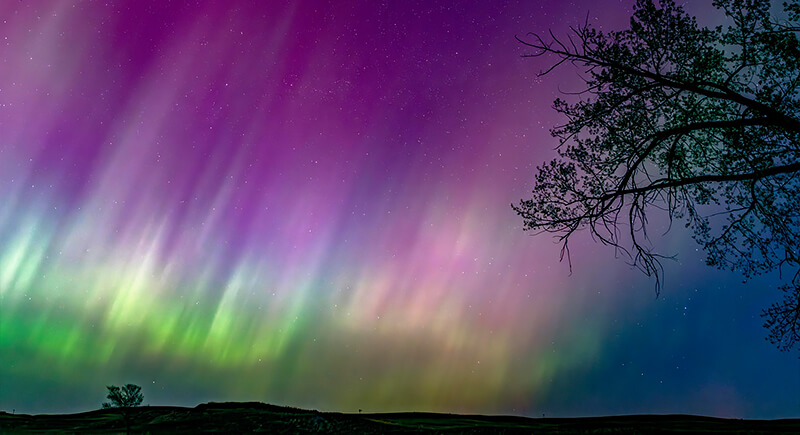
Credit: Facebook
It’s not a place most people associate with aurora sightings, but the Sand Hills region is one of the darkest areas in the Great Plains. When the KP index spikes, Nebraska’s central skies turn surprisingly photogenic. The wide horizon means you don’t need high elevation. All that’s required is clear skies and some patience.
Adirondack Mountains, New York
Credit: Instagram
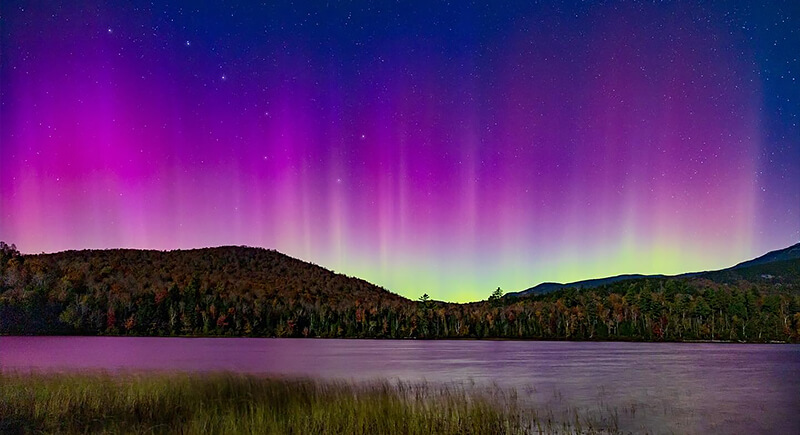
New York’s Adirondacks are a reliable aurora candidate when storms roll in. Tupper Lake and Paul Smiths are popular launch points for skywatchers, thanks to minimal light pollution and lots of public land. Cold weather deters crowds, but those who make the trip in winter often get an uninterrupted view of the northern horizon.
Upper Peninsula, Wisconsin Border
Credit: uptravel
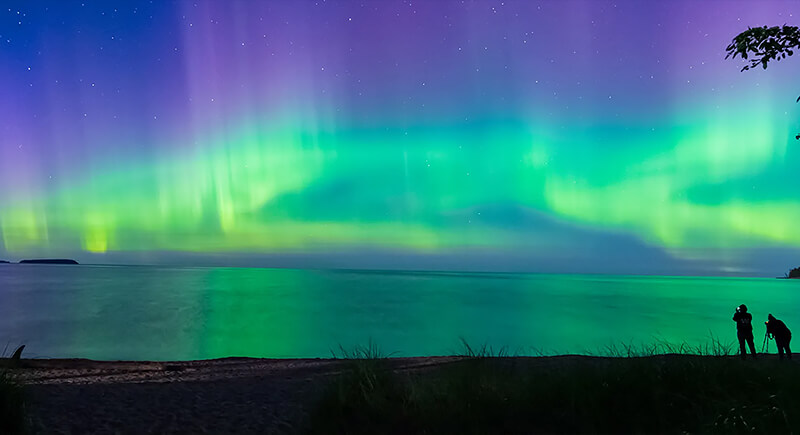
Northern Wisconsin shares similar geography and latitude with Michigan’s better-known peninsula. Areas near Lake Superior, such as Ashland and Bayfield, give hopeful skywatchers a solid shot at catching activity. When solar storms push south, this corner of Wisconsin often shows up in photos with streaks of green just over the treeline.