12 Places on Earth That Look Like Mars
For anyone curious about what it’s like to stand on another planet, Earth offers a few convincing previews. Mars may be 140 million miles away, but scientists and movie directors have been finding its lookalikes right here at home. Here are ten Earth spots that might make you forget you’re not on the Red Planet.
Devon Island, Canada
Credit: Wikimedia Commons
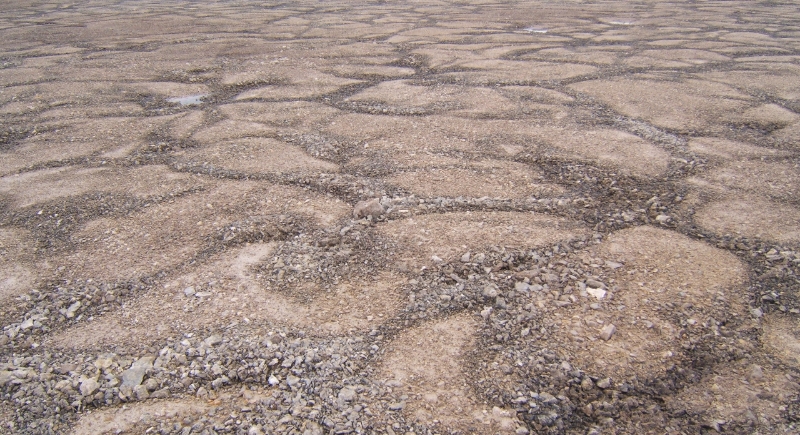
Devon Island, in the Canadian Arctic, is the largest uninhabited island on Earth. It’s a favorite for Mars simulation missions. NASA’s Haughton-Mars Project runs field tests here to mimic Martian conditions. The island has no trees and no settlements—just a polar desert that gets colder than some parts of Antarctica.
Atacama Desert, Chile
Credit: Wikimedia Commons
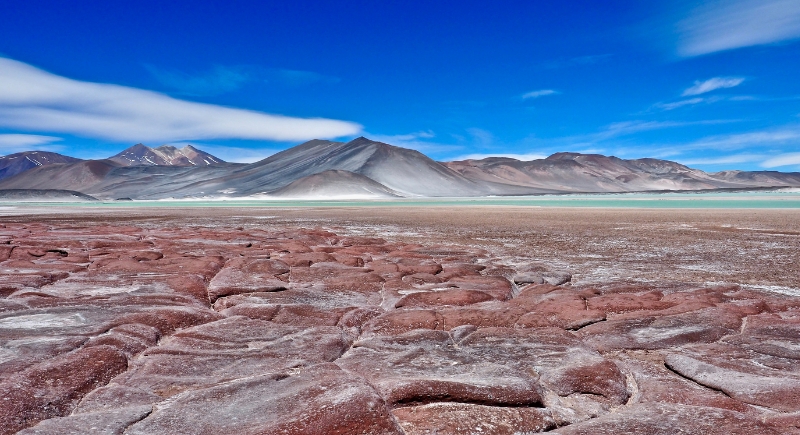
Parts of Chile’s Atacama Desert haven’t seen rain in centuries, and this makes it one of the driest places on Earth. That’s exactly why researchers use it to test Mars rovers. The soil is packed with salt and minerals, and the colors match the rust tones of Martian terrain. In fact, it’s so dry that it’s nearly sterile.
McMurdo Dry Valleys, Antarctica
Credit: Wikimedia Commons
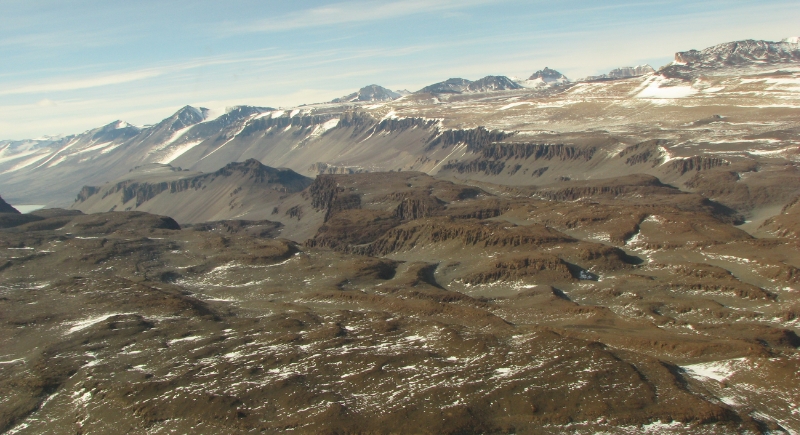
The McMurdo Dry Valleys experience freezing temperatures, minimal moisture, and extreme winds that gust at hurricane force. Scientists have even discovered microbial life living beneath quartz rocks here, which raises questions about whether similar organisms could survive on Mars.
Wadi Rum, Jordan
Credit: Wikimedia Commons
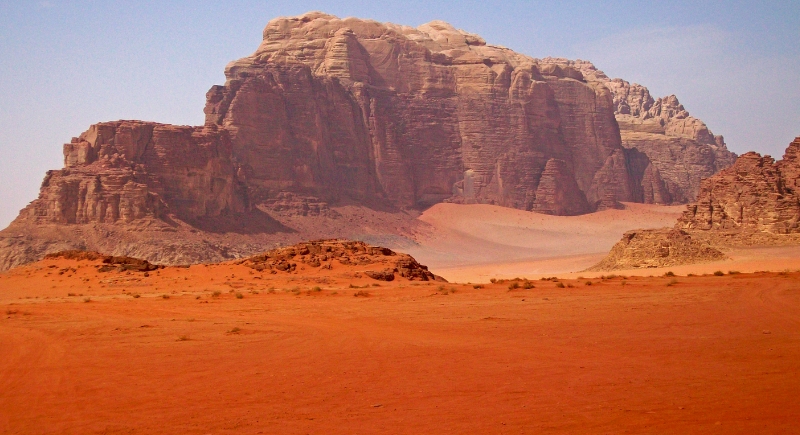
Wadi Rum earned its Mars reputation after appearing in The Martian, but it is not just a filming location. Its red rock landscape and sharp temperature shifts closely resemble Mars. The area has also hosted Mars habitat simulations, where crews test isolation, survival, and daily life in extreme conditions.
Hanksville, Utah
Credit: Wikimedia Commons
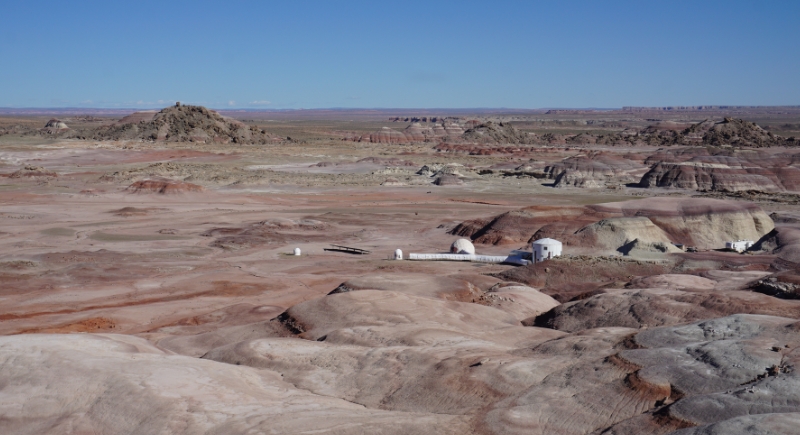
South of Hanksville lies a desert region of red slopes and cracked soil. These formations make it one of the most Mars-like spots in the U.S. The Mars Desert Research Station runs simulations here for astronauts-in-training, and scientists use it to test geology tools and robotics.
Námaskarð, Iceland
Credit: Wikimedia Commons
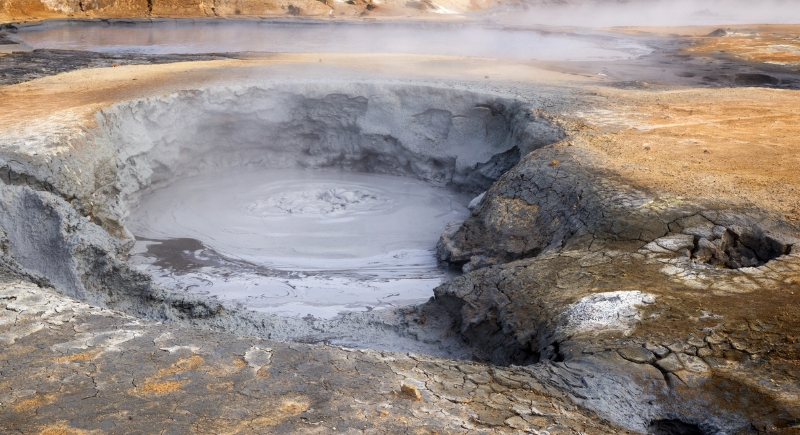
Iceland doesn’t usually scream “Mars,” but this geothermal area might change that. The ground steams and bubbles like it’s alive, colored in streaks of orange, gray, and yellow. Scientists study the microbial life that survives in this sulfur-rich terrain, since early Mars may have had similar hydrothermal features.
The Wave, Arizona
Credit: Wikimedia Commons
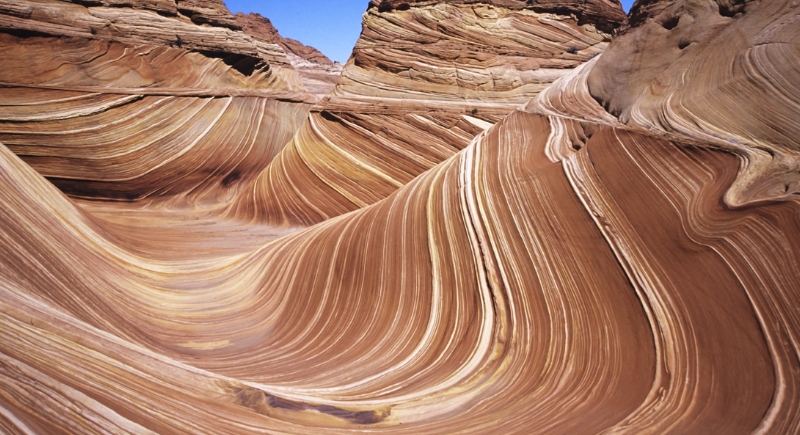
The Wave has twisted rock corridors that ripple in hues of pink and orange. It’s one of the most surreal landscapes in the American Southwest. Though smaller in scale than Martian canyons, the swirling patterns resemble some of the sediment formations observed by NASA’s rovers.
Pilbara, Australia
Credit: Wikimedia Commons
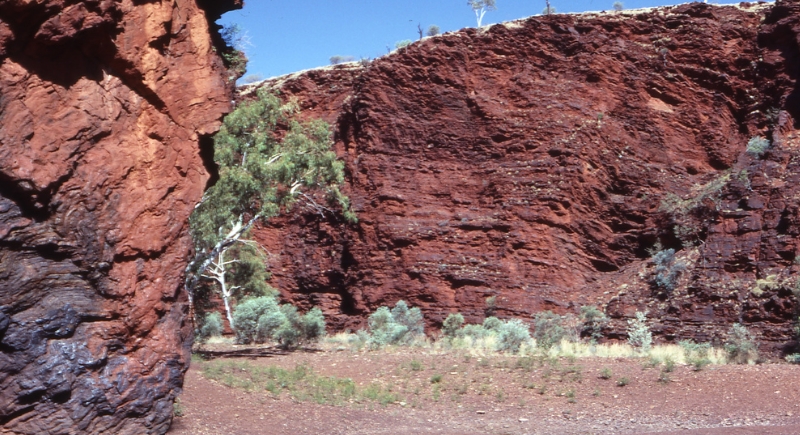
Pilbara’s red rocks are among the oldest exposed surfaces on Earth, dating back over 3 billion years. Some researchers believe they mirror the age and chemical makeup of rocks found on Mars. In this ancient terrain, fossilized bacteria-like structures have been found in sandstone.
Teide National Park, Canary Islands
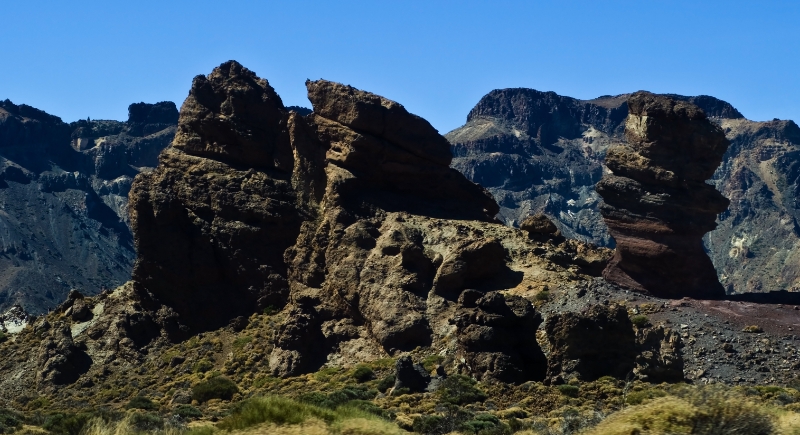
Credit: Wikimedia Commons
Volcanic activity shaped the ground here and forms dark lava fields and hollow tubes. Mount Teide rises over 12,000 feet, surrounded by rough terrain that resembles parts of Mars seen in satellite images. Astrobiologists consider the lava tubes particularly interesting, since similar ones on Mars might offer shelter for microbial life.
Svalbard, Norway
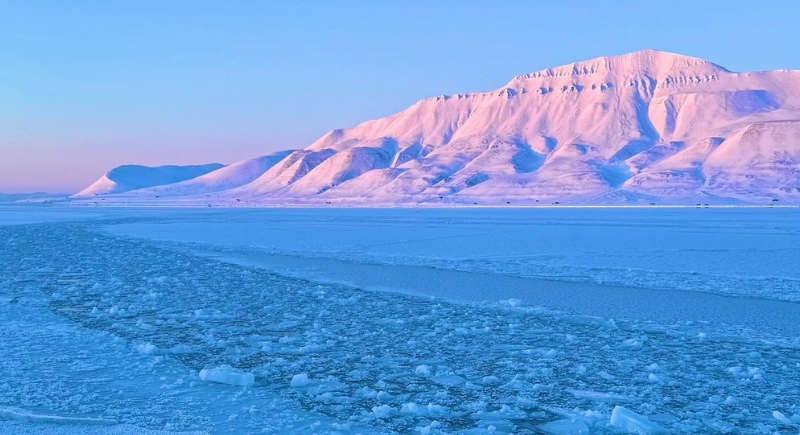
Credit: Instagram
Svalbard sits high in the Arctic, with frozen ground and little vegetation. The climate is harsh, and the isolation is real. It’s been used to simulate crewed missions to Mars because of its remote environment and rough terrain. Scientific instruments built for Mars missions have been field-tested here under extreme conditions.