Places on Earth Humans Are Not Allowed to Enter
Modern technology gives the impression that no corner of the planet is devoid of documentation. Yet a small number of locations are firmly restricted due to legal restrictions, risk, or long-standing tradition.
Each site carries a specific reason for the barrier, and those reasons are mostly practical.
North Sentinel Island, India
Credit: Wikimedia Commons
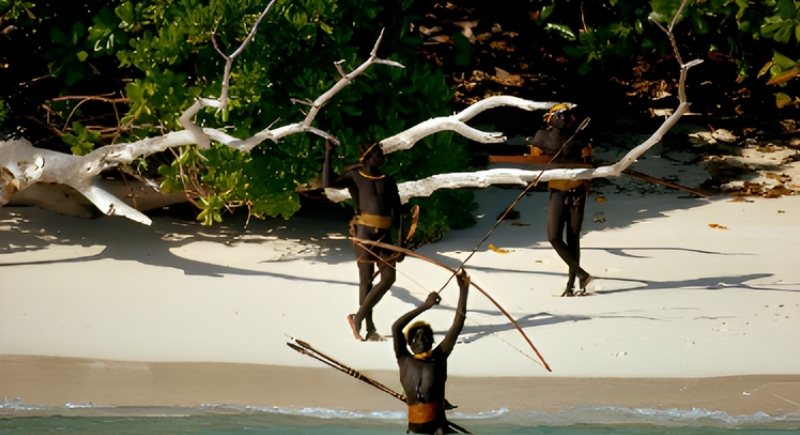
Authorities decided to set up a five-kilometer exclusion zone to protect the Sentinelese tribe against outside diseases and interference on North Sentinel Island. Estimates place the tribe’s population at 50 to 150 people. In 2018, American missionary John Allen Chau ignored the ban and attempted contact. Tribe members ended up taking his life shortly after he reached shore.
Lascaux Cave, France
Credit: Wikimedia Commons
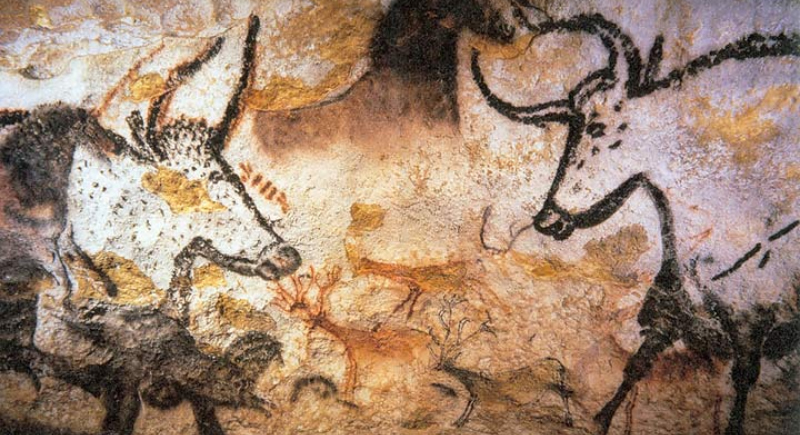
Prehistoric artists covered the walls of Lascaux Cave with vivid animal paintings roughly 17,000 years ago. Visitors flooded the site after its discovery in 1940, and daily attendance eventually reached about 1,200 people. Carbon dioxide from human breath triggered the growth of algae and fungi, which damaged the artwork. France closed the cave in 1963 to stop further deterioration.
Surtsey Island, Iceland
Credit: Wikimedia Commons
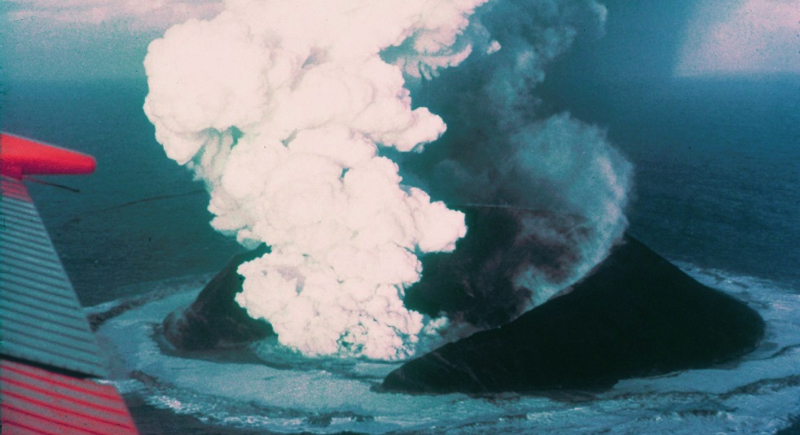
A volcanic eruption created Surtsey in 1963 and continued shaping the island for four years. Scientists then recognized a rare opportunity to observe how life establishes itself on new land. Iceland designated the location a protected reserve, and UNESCO later granted it World Heritage status. Researchers track plant growth, bird nesting, and insect arrival under strict supervision.
Ise Grand Shrine, Japan
Credit: Wikimedia Commons
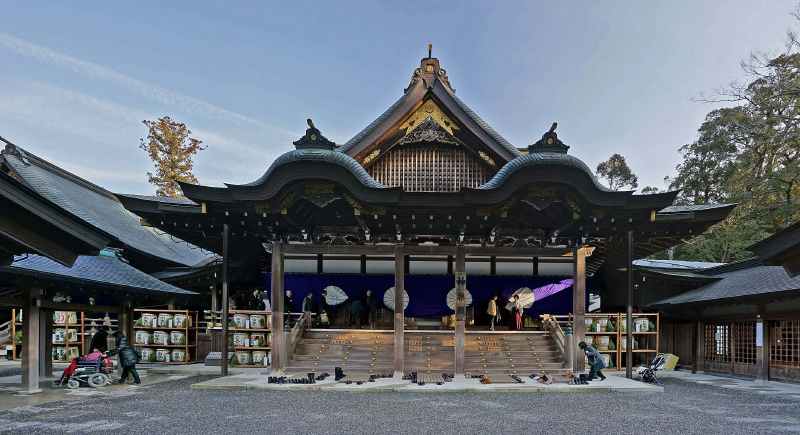
Shinto tradition shapes every aspect of the Ise Grand Shrine in Mie Prefecture. The Inner Shrine, called Naiku, honors the sun goddess Amaterasu and connects to Japan’s Imperial Regalia. Tall wooden fences have been made to protect the innermost sanctuary, and only members of the Imperial family, along with select priests, are granted entry.
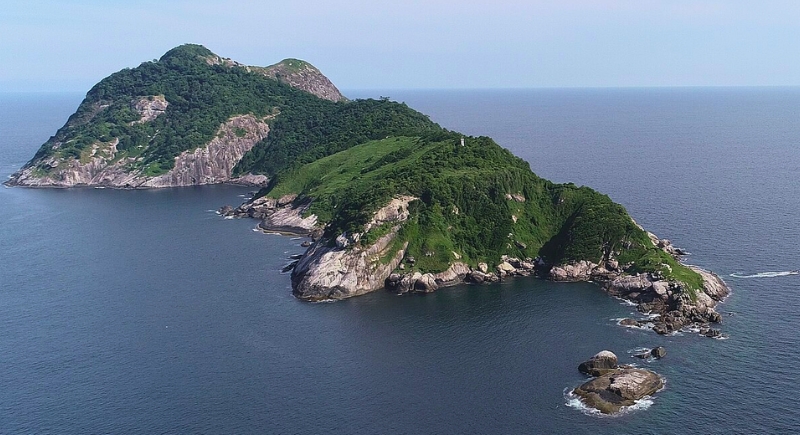
Snake Island, Brazil
Credit: Wikimedia Commons
The Brazilian government prohibits casual visits to Ilha da Queimada Grande for a practical reason. The area supports an estimated population of 2,000 Golden Lancehead vipers, one of the most venomous snake species on Earth. The snakes inhabit almost every part of the terrain, which makes encounters highly likely.
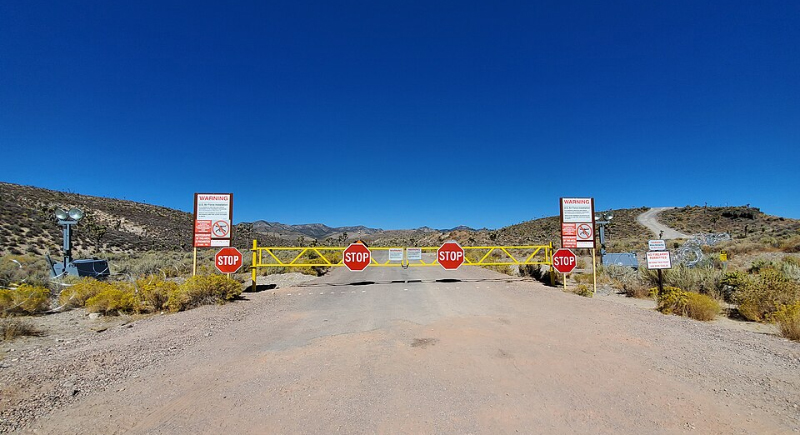
Area 51, United States
Credit: Wikimedia Commons
Secrecy surrounded this Nevada installation for decades before the federal government acknowledged its existence in 2013. Declassified records show that Area 51 supported Cold War aircraft testing programs, including reconnaissance planes designed to avoid radar detection. The base continues to operate under extremely heavy security.
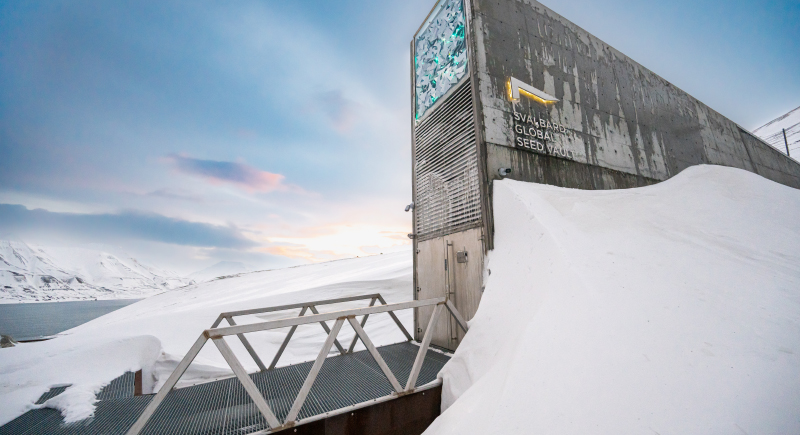
Svalbard Global Seed Vault, Norway
Credit: Wikimedia Commons
Engineers carved the Svalbard Global Seed Vault about 100 meters inside a mountain on Spitsbergen Island. Norway built the facility to save global crop diversity in case of a large-scale crisis. Today, the vault stores millions of seed samples in sealed containers at extremely low temperatures in order to slow genetic aging.
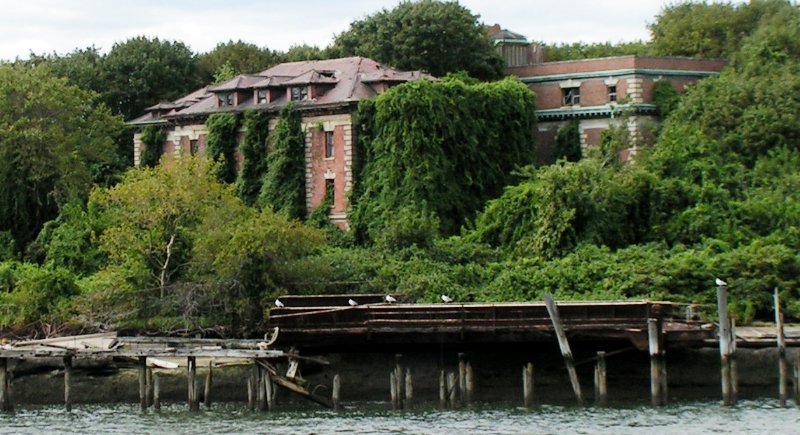
North Brother Island, United States
Credit: Wikimedia Commons
North Brother Island is in the East River between the Bronx and Rikers Island. In the late 1800s, the city built Riverside Hospital there to isolate and treat patients with contagious diseases such as smallpox and tuberculosis. One of its most famous residents was Mary Mallon, widely known as Typhoid Mary, who spent years in forced isolation on the island. Survivors of the 1904 General Slocum steamboat disaster were also brought there for treatment. Today, the island is closed to the public and has transformed into a nature-reclaimed, protected bird sanctuary.
Vatican Apostolic Archives, Vatican City
Credit: Wikimedia Commons
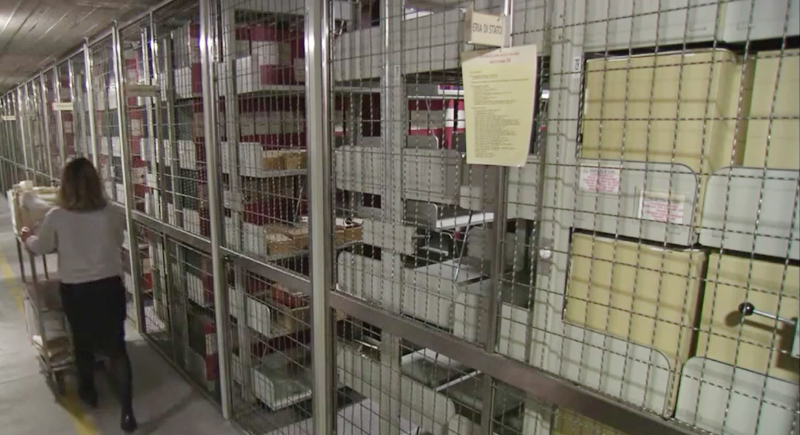
The Vatican Apostolic Archives contain miles of shelving filled with documents dating back to the eighth century. For centuries, the institution was known as the “Vatican Secret Archives,” but officials changed the name in 2019 to avoid confusion. In Latin, “secretum” meant private, referring to the pope’s personal records. Access remains tightly controlled. Only accredited scholars can apply, and even then, entry is limited to roughly 60 researchers per day. The general public is not allowed inside.
Tomb Of Qin Shi Huang, China
Credit: Wikimedia Commons
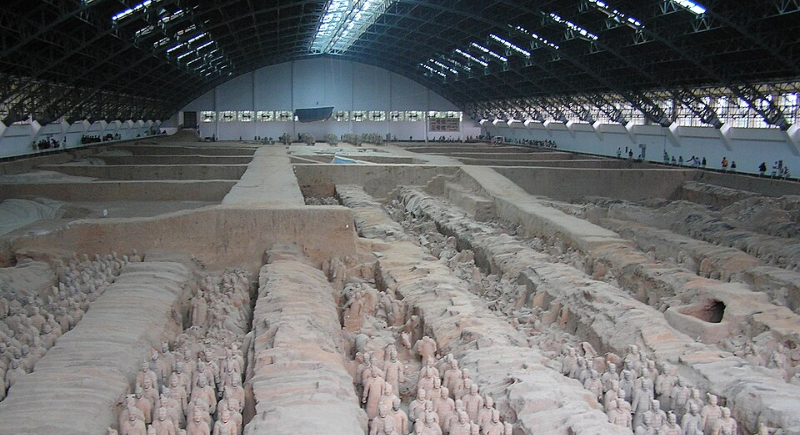
Archaeologists uncovered thousands of Terracotta Army figures in 1974, but the emperor’s main burial chamber is still sealed. Historical accounts describe rivers of mercury intended to represent flowing water within the tomb. Professionals cite preservation concerns and potential health risks as reasons for keeping the tomb out of reach.