Places on Earth Where the Laws of Physics Just Stop Working
Certain locations around the world appear to defy basic physical principles. At some of these sites, cars seem to roll uphill, rocks move without visible force, and natural features display unusual visual effects. In each case, scientific investigation provides measurable explanations rooted in gravity, geology, optics, or environmental conditions. Even so, these places continue to attract study and public interest.
Magnetic Hill

Credit: Wikimedia Commons
There is a painted white line on a road in Ladakh, India, and drivers are told to stop there, shift into neutral, and release the brake. The car appears to creep uphill on its own. The stretch is actually a downhill slope, but the surrounding terrain hides the true horizon and tricks your depth perception. Visitors test it with water bottles, which seem to roll the wrong way.
The Mystery Spot
Credit: Wikimedia Commons
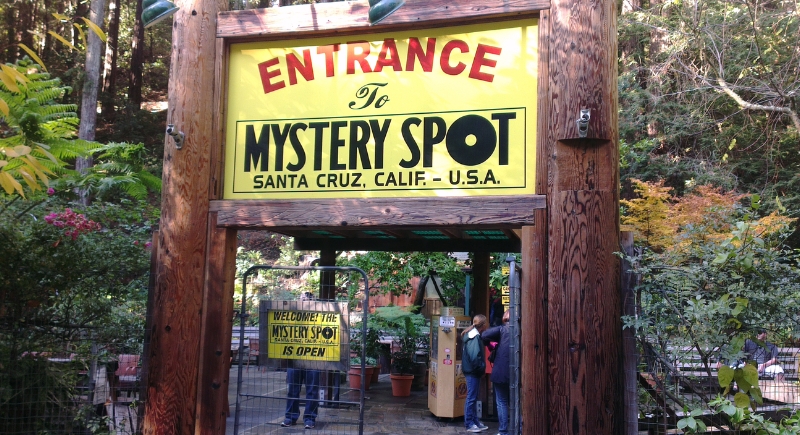
This tilted cabin, opened in 1940 in Santa Cruz, California, was built to disorient you. The floor slants, the walls lean, and nothing aligns with your internal sense of balance. People standing at different points in the room appear dramatically taller or shorter than each other. Balls roll in directions that contradict what your eyes insist is downhill. It is a carefully engineered optical setup, and your brain never quite catches up.
Blood Falls
Credit: Wikimedia Commons
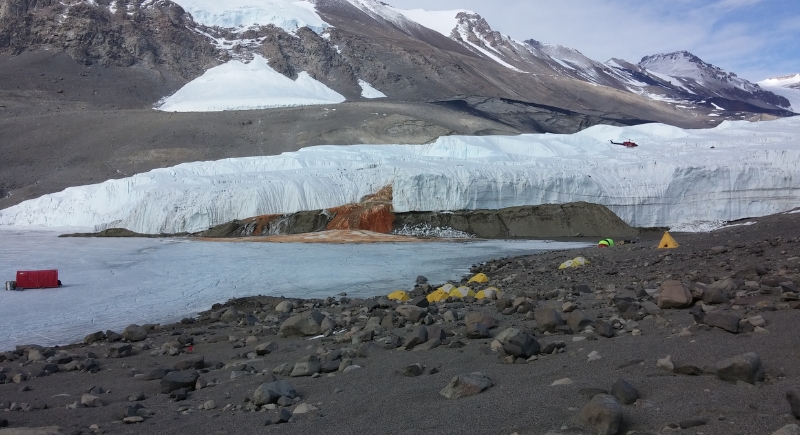
At the edge of Antarctica’s Taylor Glacier, bright red water pours onto stark white ice. When the iron-rich water comes into contact with air, it oxidizes and turns red. It looks alarming at first glance, but it is a striking example of chemistry and survival under extreme conditions. The water has been trapped beneath the glacier for about 2 million years in a salty, oxygen-free environment, which makes it appear bloody.
The Sailing Stones
Credit: Wikimedia Commons
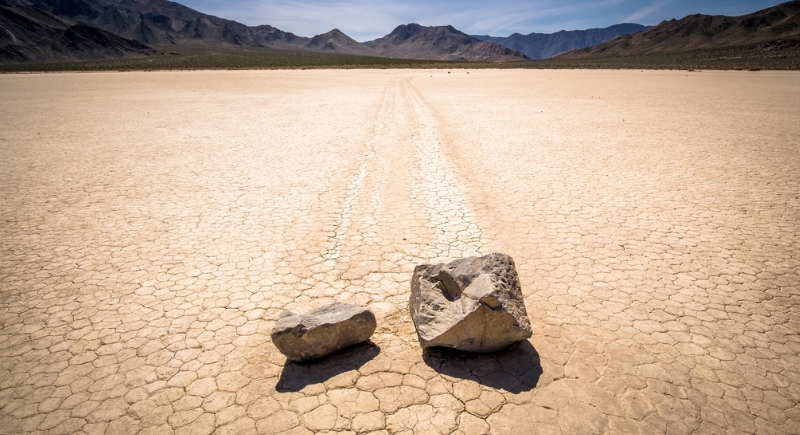
Racetrack Playa in Death Valley looks empty until you notice long trails etched into the dry lake bed. At the end of those trails are rocks that can weigh up to 700 pounds. For decades, no one witnessed them move. In 2014, researchers documented thin sheets of ice forming beneath the stones during cold nights, and light winds slowly pushed them across the slick surface.
Crooked Forest

Credit: Wikimedia Commons
Near Gryfino, Poland, about 400 pine trees bend sharply near their base before curving upward again. The grove was planted around 1930, and every tree curves in the same direction. No written record confirms why they were shaped this way, though theories point to human manipulation for specialized timber or environmental stress during early growth. The uniform bend gives the forest a strangely coordinated look.
Door To Hell
Credit: Wikimedia Commons
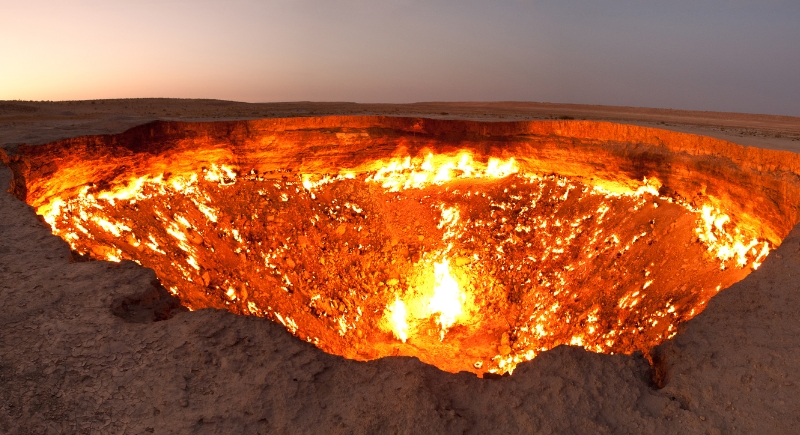
A crater roughly 230 feet wide has been burning continuously since 1971 in Turkmenistan’s Karakum Desert. Soviet engineers accidentally drilled into a natural gas pocket, which caused the ground to collapse. They ignited the escaping methane, expecting it to burn off quickly. The flames never stopped. Decades later, the Darvaza gas crater still glows intensely at night.
Roncador Valley
Credit: iStockphoto
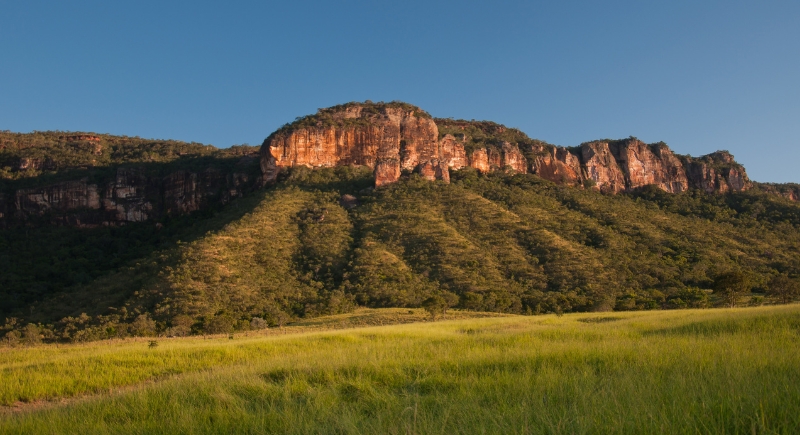
In Brazil’s Midwest, Roncador Valley has long been associated with magnetic irregularities. Reports describe compass failures and navigation instruments behaving unpredictably. Radio communication has also experienced sudden drops in signal strength. Geological surveys identified ferromagnetic mineral deposits beneath the surface, which can interfere with magnetic readings.
Zone of Silence
Credit: Wikimedia Commons
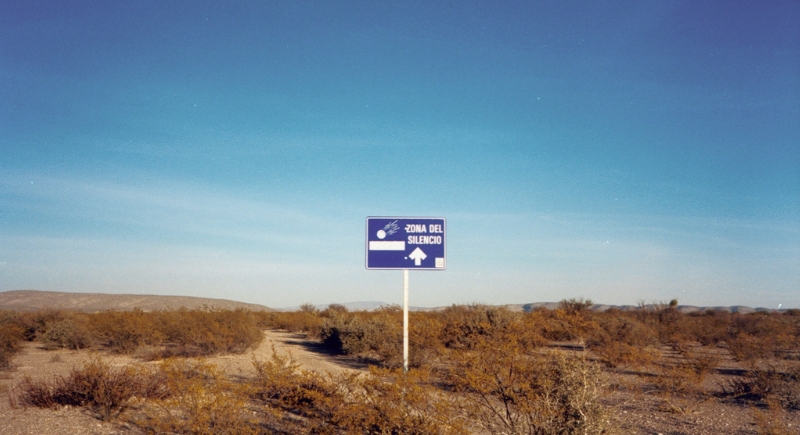
The Mapimí Desert in northern Mexico gained attention in the 1960s when military tests recorded unusual signal interruptions. Radio and satellite transmissions were reported to weaken or fail in specific areas. The nickname Zone of Silence stuck because communication devices often lose reception there. Researchers have suggested electromagnetic and atmospheric factors as possible explanations.
Hessdalen Lights
Credit: Wikimedia Commons
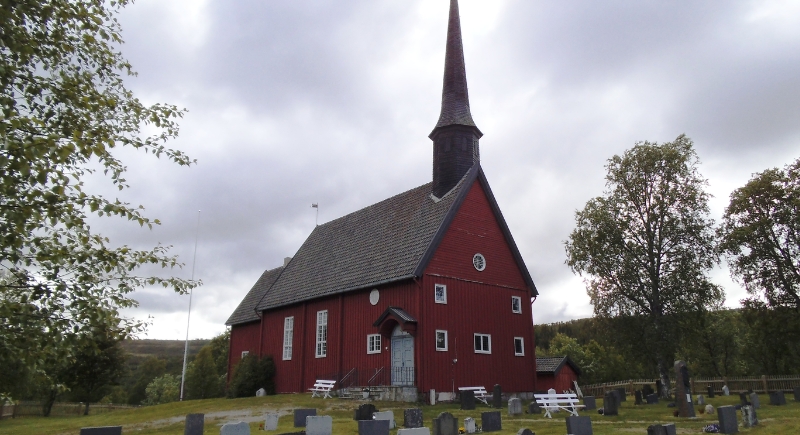
Since the 1940s, residents of Norway’s Hessdalen Valley have reported glowing lights hovering or darting across the sky. Scientific monitoring stations were set up to record the phenomenon. Instruments detected unusual electromagnetic activity during certain sightings. Researchers have described plasma-like characteristics in measured events. Decades of data collection have not produced a single explanation that accounts for every occurrence.
Yonaguni Monument
Credit: Wikimedia Commons
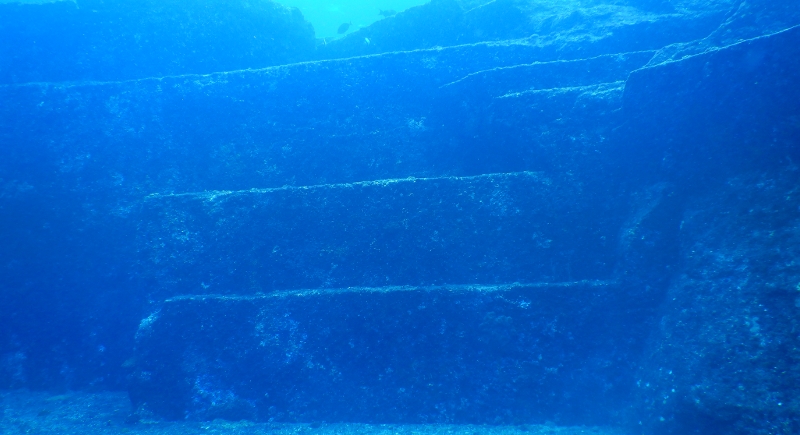
Beneath the waters near Japan’s Yonaguni Island, there’s a massive rock formation with terraces and sharp angles stretching over 100 meters. Divers first brought attention to it in the 1980s. Geological analysis suggests natural sandstone erosion along fault lines could create such geometric shapes. Other researchers argue that the symmetry appears unusually deliberate, but no confirmed artifacts have been recovered to prove human construction.