Photos Are The Only Safe Souvenir In This Cursed Relic Of The West
Every year, envelopes arrive at a remote California state park containing small, dusty objects. It could be a nail, a rock, a fragment of glass. Inside each package is a letter where the writers usually apologize. Many claim their lives began to unravel shortly after visiting the abandoned town of Bodie. They believe the trouble started the moment they slipped a tiny souvenir into their pocket. Whether the curse is real or not, the lesson repeated by park rangers is simple: take photographs, and leave everything else exactly where it is.
A Gold Rush Boomtown That Rose Overnight
@western.wandering A trip here feels like stepping into the Wild West 📍Bodie State Historic Park High in the Sierra Nevada sits Bodie, a gold rush town once filled with saloons, gamblers, and outlaws. When the mines ran dry, people left. Today it sits in arrested decay, a ghost town frozen in time. Walking through Bodie feels like stepping back into the 1800s. If you’re looking for somewhere spooky to visit this October, this is the perfect place! #ghosttown #bodie #goldrush ♬ Sleeping on the Blacktop – Colter Wall
Bodie began as a small mining settlement after gold was discovered in the hills of Bodie Bluff during the mid-19th century. A mill opened in 1861, and the town expanded rapidly as miners arrived, hoping to strike it rich.
The real explosion came after 1875, when a collapse in the Bunker Hill mine exposed a massive gold deposit. Within a few years, the town had thousands of residents, and between 1877 and 1882, the mines produced roughly $35 million in gold and silver.
A Reputation for Violence and Lawlessness

Image via Getty Images/Makarska
Prosperity brought crowds, and crowds brought chaos. Bodie quickly gained a reputation as one of the roughest boomtowns in the American West. At its height, the settlement supported more than 60 saloons along with gambling halls, hotels, and brothels.
Reports from the time describe frequent gunfights and a level of lawlessness that overwhelmed local authorities. Residents reportedly joked each morning by asking whether someone had been killed overnight.
A boomtown’s success rarely lasts forever, and Bodie followed the familiar pattern. By the early 1880s, the richest gold veins had begun to thin. Miners gradually moved on to other discoveries across the West, and businesses closed as the population shrank.
The Standard Company, once the town’s most successful mining operation, shut down in 1913. Mining activity continued at smaller levels for years, but by the 1940s, Bodie was effectively abandoned.
A Town Frozen in “Arrested Decay”
California declared Bodie a State Historic Park in 1962 and made an unusual decision about how to preserve it. Instead of restoring buildings to pristine condition, officials chose to stabilize them while preserving their worn appearance. This method, known as “arrested decay,” keeps the structures standing while preserving the look of abandonment.
About one hundred buildings survive today, including the church built in 1882, the town jail, the bank vault, the schoolhouse, and the leaning Swazey Hotel.
Inside many of these buildings, everyday objects remain visible through the windows. School desks still stand in rows, books lie open on shelves, and bottles gather dust in former saloons. Many homes contain dishes, furniture, and tools left behind when residents departed decades ago.
The Legend of Bodie’s Curse
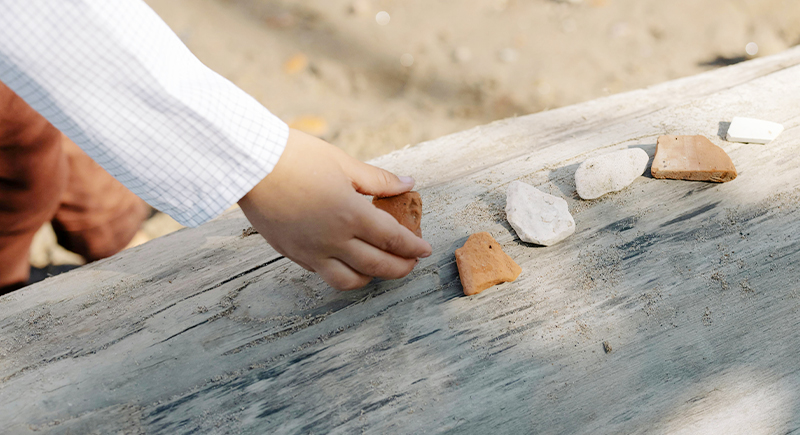
Image via Pexels/cottonbro studio
Souvenir hunters once saw those abandoned objects as free keepsakes. Visitors regularly pocketed nails, rocks, coins, or bits of glass scattered across the ground. To discourage the practice, a park ranger decades ago began telling tourists that anyone who removed artifacts from Bodie would suffer misfortune until the item was returned.
The warning worked almost too well. The idea spread through word of mouth, ghost-town folklore, and travel stories until it became widely known as the “Curse of Bodie.”
Soon, the park began receiving letters from people convinced the curse had caught up with them. Many envelopes include objects taken years earlier, along with handwritten apologies. Some writers blame car trouble, illnesses, accidents, or job losses on the artifact they removed. Others describe personal setbacks that they believe began shortly after their visit.
Park staff say the letters arrive regularly. One writer returned a piece of metal while describing a string of unexplained problems. Another mailed back an old shoe taken decades earlier, claiming years of bad luck followed the decision. Some people have even returned items purchased at the gift shop because they feared they might still be cursed.
The Only Souvenir Bodie Allows
For historians, the real issue has nothing to do with supernatural punishment. Every object in Bodie is considered part of the town’s historical record. A rusted nail, broken bottle, or piece of pottery can reveal details about daily life during the mining era.
Once an artifact leaves the site, its context disappears. When those objects are returned years later by mail, staff cannot determine exactly where they originally came from. As a result, many returned items remain stored rather than being returned to the landscape.
The legend of the curse continues to circulate among travelers, even though park staff now emphasize preservation rather than superstition. Visitors can walk the quiet streets, peer into old homes, and explore buildings that look almost exactly as they did when residents left.
Bodie is treated like a giant outdoor museum, and everything inside it belongs to the town’s story. In a place where even a rock might carry history—or a curse—the safest thing to take home is a photograph.