9 Epic Reasons Peru Is the Ultimate Gateway to Your South American Dream Trip
South America can feel huge on a map. Peru makes it feel manageable without losing the sense of adventure people travel for in the first place. Its ancient ruins are just a short drive from modern cities, and overnight buses connect major destinations. First-time visitors get a little of everything here.
Lima Gives Travelers a Soft Landing
Credit: Wikimedia Commons
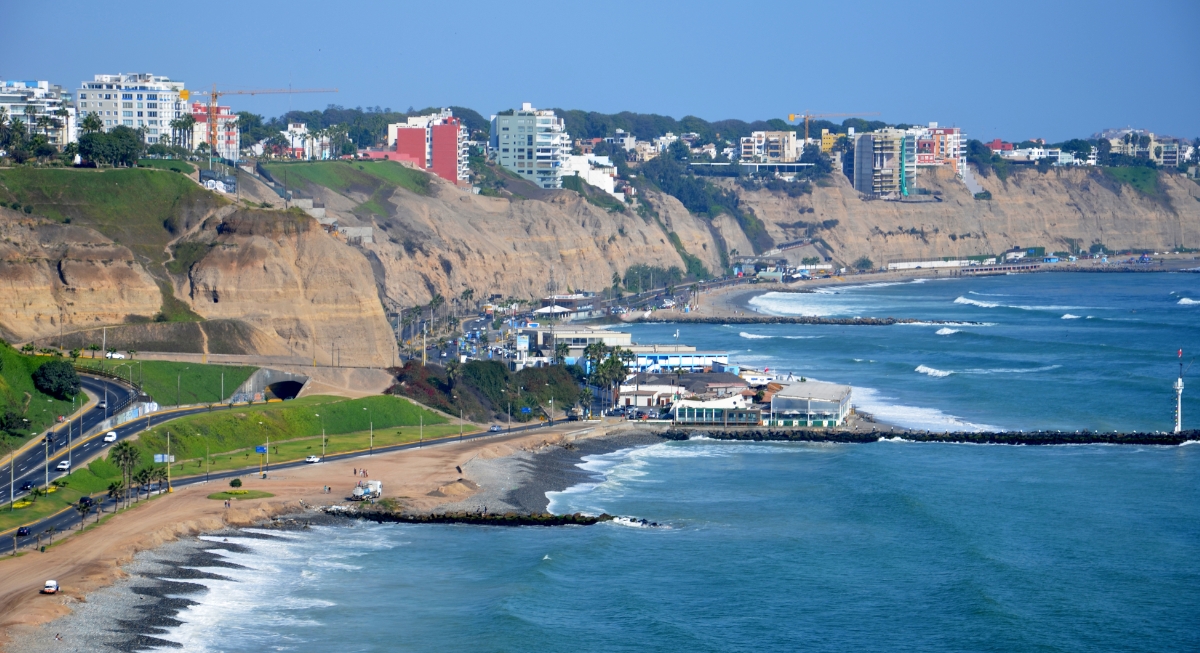
Many international arrivals are dumped into stressful airports, then face confusing transfers. Lima works differently. Direct flights arrive daily from cities like Miami, Houston, New York, and Los Angeles. Miraflores and Barranco are about 45 minutes from the airport and offer easy places to settle in.
The Food Scene Changes Every Few Hours
Credit: Wikimedia Commons
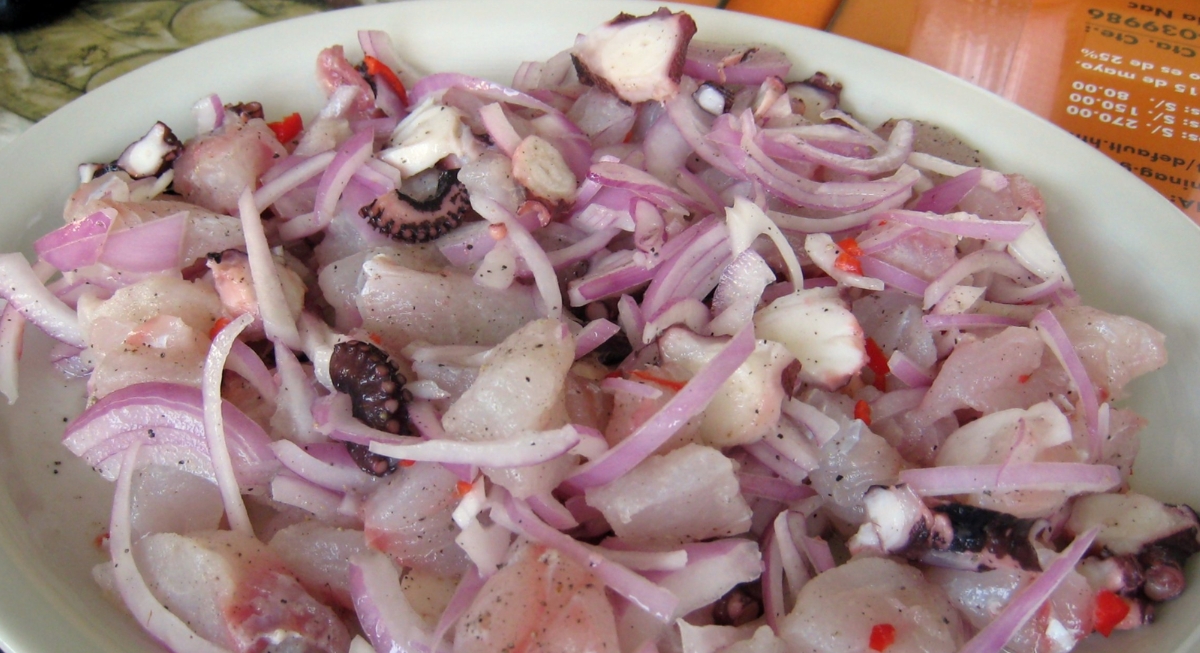
Peru’s geography affects the menu more than people expect. Coastal restaurants serve ceviche made with fresh Pacific fish caught that morning. In the Andes, cooks gravitate towards roasted meats and giant kernels of choclo corn. Lima’s Nikkei restaurants reflect decades of Japanese immigration. Chinese influence also appears in lomo saltado and chifa diners across the country.
Peru Has One of the Most Interesting Potato Cultures Anywhere
Credit: Wikimedia Commons
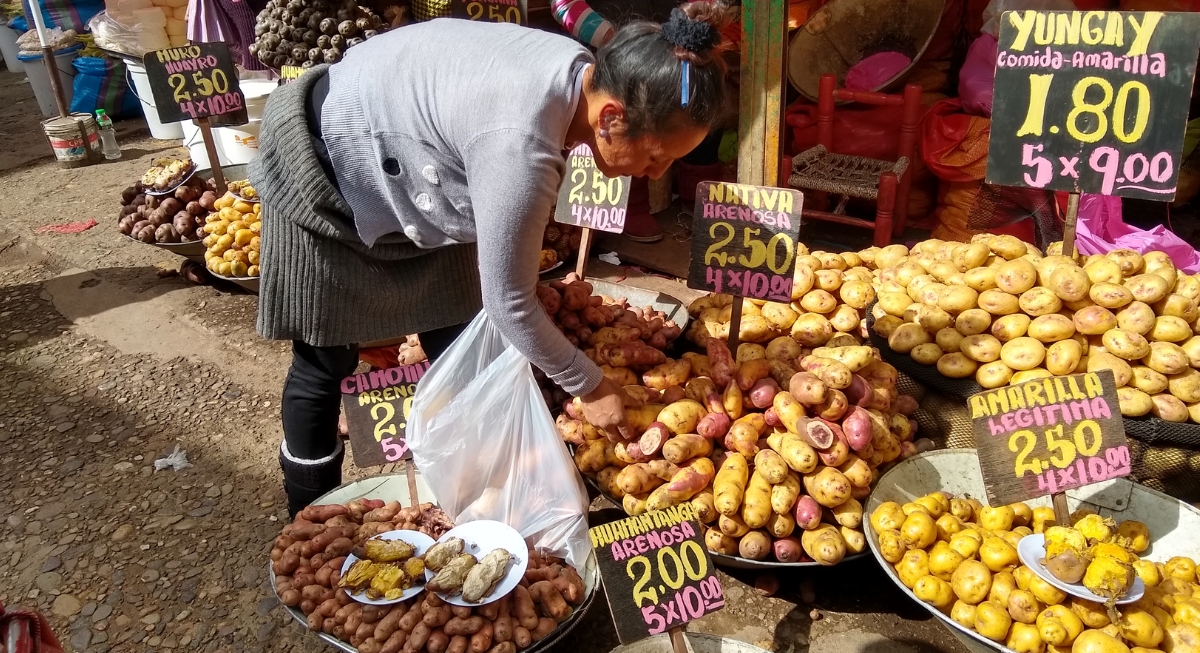
Potatoes originated in the Andes thousands of years ago, and farmers still grow thousands of native varieties across different elevations. Markets sell potatoes in deep purple, bright yellow, red, and nearly black shades, with textures and flavors that vary widely. Restaurants proudly mention the origins of their potatoes on menus, just as wineries describe grape regions.
Cusco Forces People to Slow Down
Credit: pexels
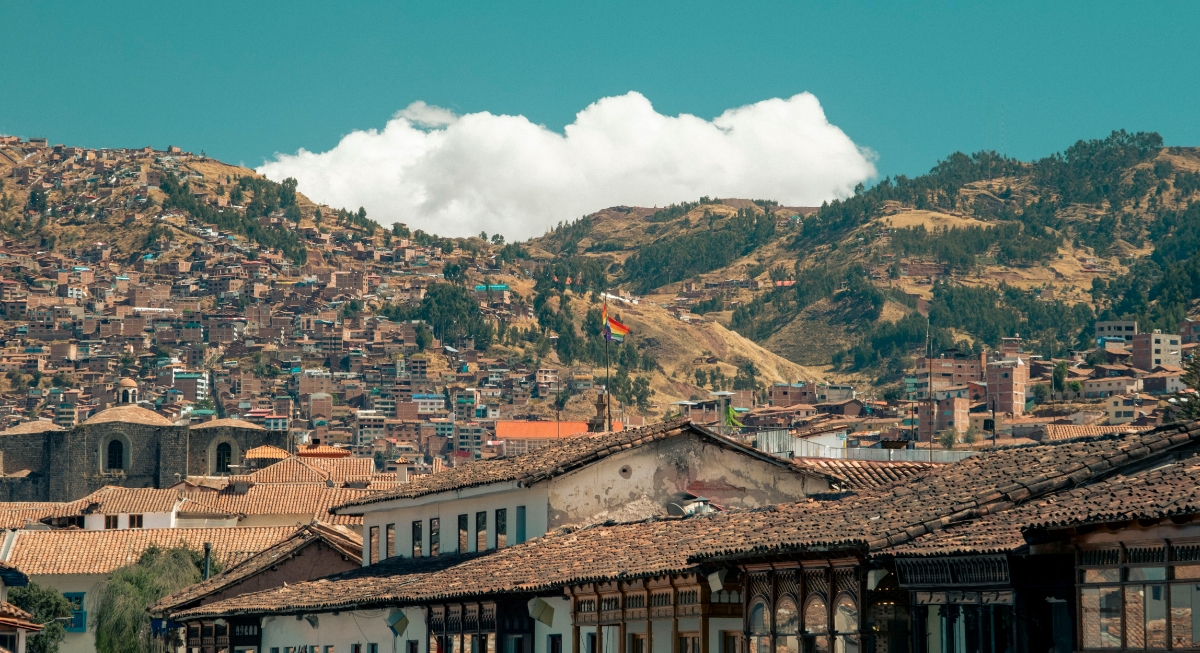
At 11,150 feet above sea level, Cusco changes travel habits on the spot. Fast walking usually ends after the first steep staircase. Tiny alleyways reveal Incan stone foundations beneath Spanish colonial buildings. Local bakeries sell fresh empanadas near centuries-old churches. Even routine errands are tied to layers of history.
Machu Picchu Feels More Remote Than It Looks Online
Credit: Wikimedia Commons
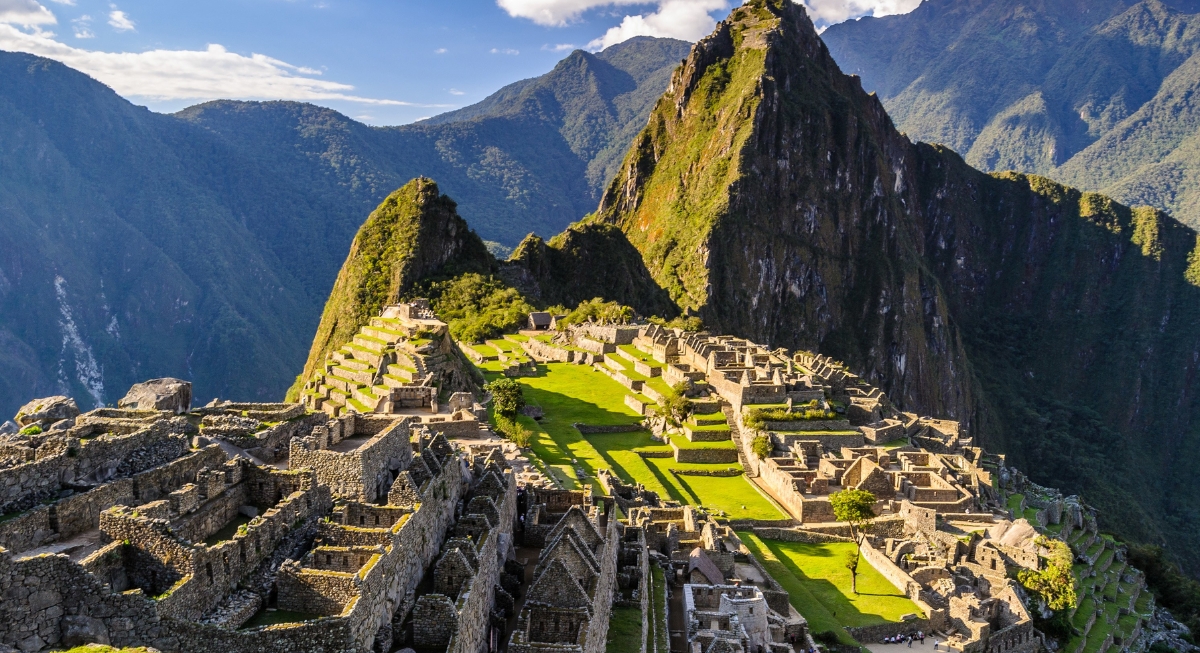
The actual journey is still surprisingly disconnected from modern life. Most travelers reach Machu Picchu by train through the Sacred Valley, passing rivers, steep cliffs, and small farming towns along the route. The site now uses timed-entry circuits with strict visitor caps to control overtourism.
The Sacred Valley Has More Than Ruins
Credit: Wikimedia Commons
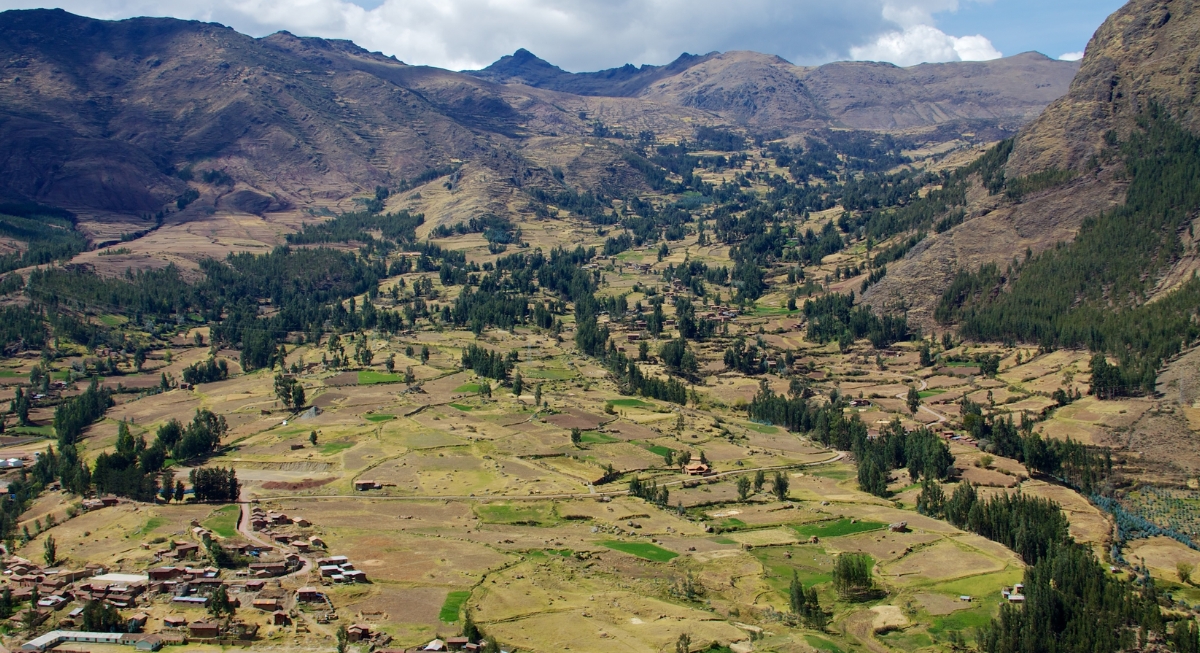
A lot of travelers rush through the Sacred Valley on the way to Machu Picchu and miss what makes the area memorable. Chinchero’s weaving cooperatives still use natural dyes made from local plants and crushed cochineal insects. Pisac’s market is also filled with bread ovens, fruit stalls, and handmade textiles instead of generic souvenirs.
Lake Titicaca Feels Completely Different From Cusco
Credit: Wikimedia Commons
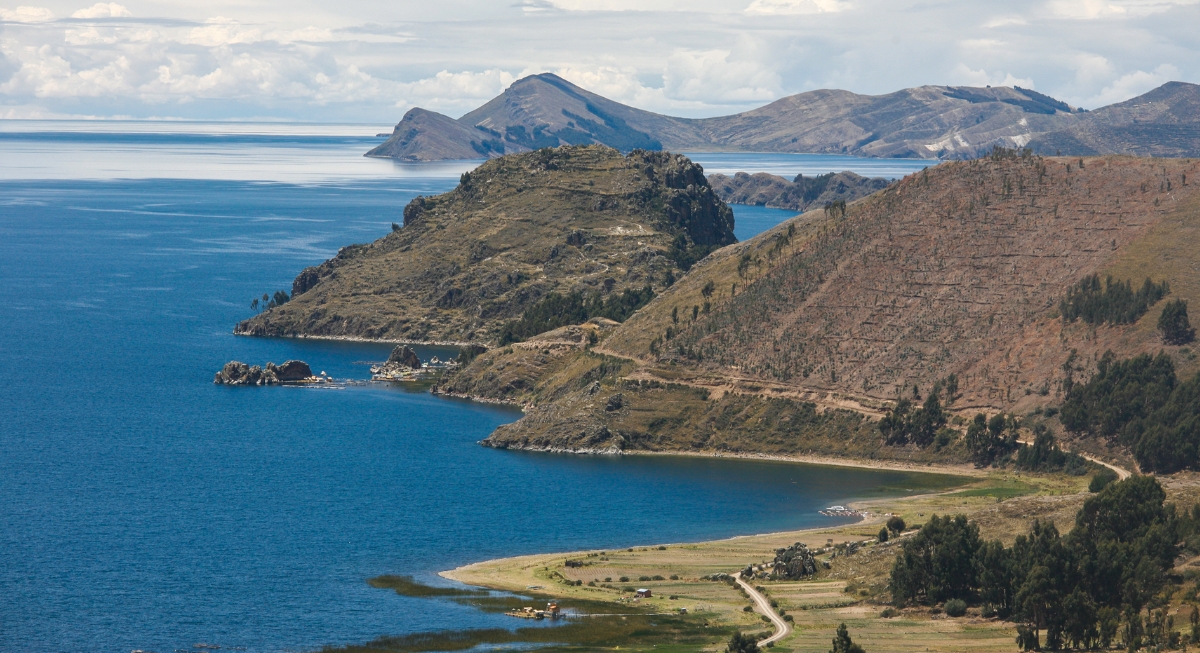
Lake Titicaca is more than 12,000 feet above sea level and spans the Peru-Bolivia border, with small villages scattered along its shoreline. Travelers visit the floating Uros Islands built from totora reeds, then continue to quieter islands like Taquile.
Peru Makes Multi-Region Trips Easy
Credit: Wikipedia
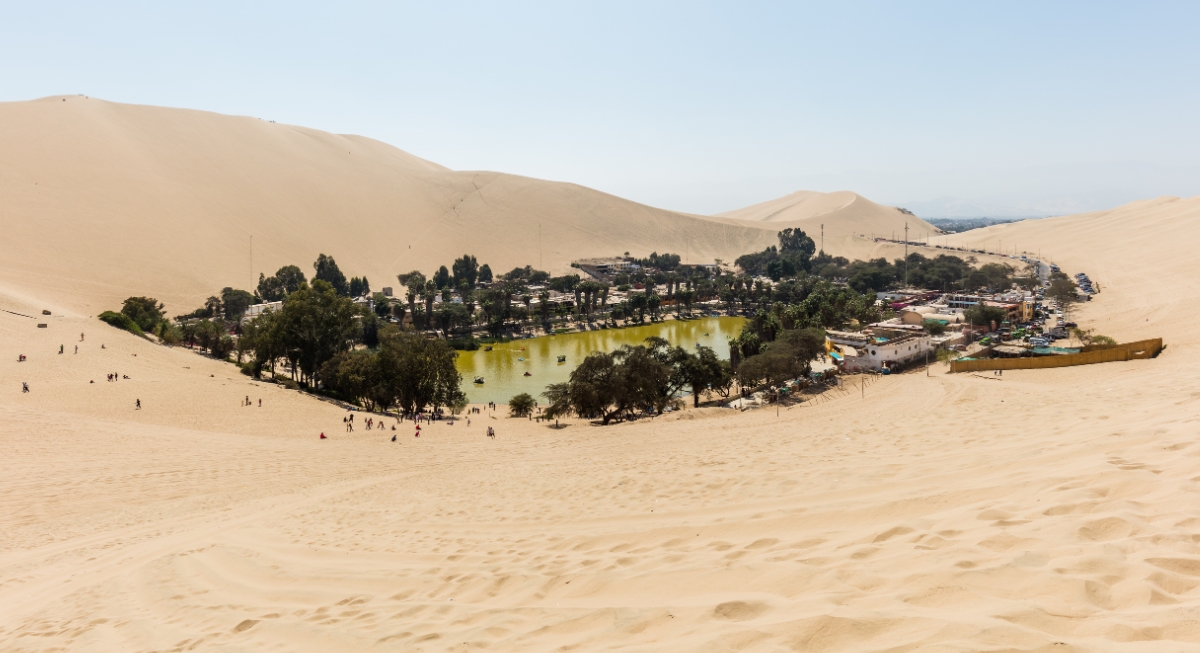
Very few countries allow travelers to move between deserts, mountains, and rainforests in a single vacation. Peru pulls it off without requiring endless border crossings or complicated transport. Huacachina’s sand dunes are a few hours south of Lima. Cusco and the Andes dominate the center of the country. Puerto Maldonado opens the door to Amazon lodges filled with macaws and monkeys.
Peru Keeps Ancient Languages Alive
Credit: Wikimedia Commons
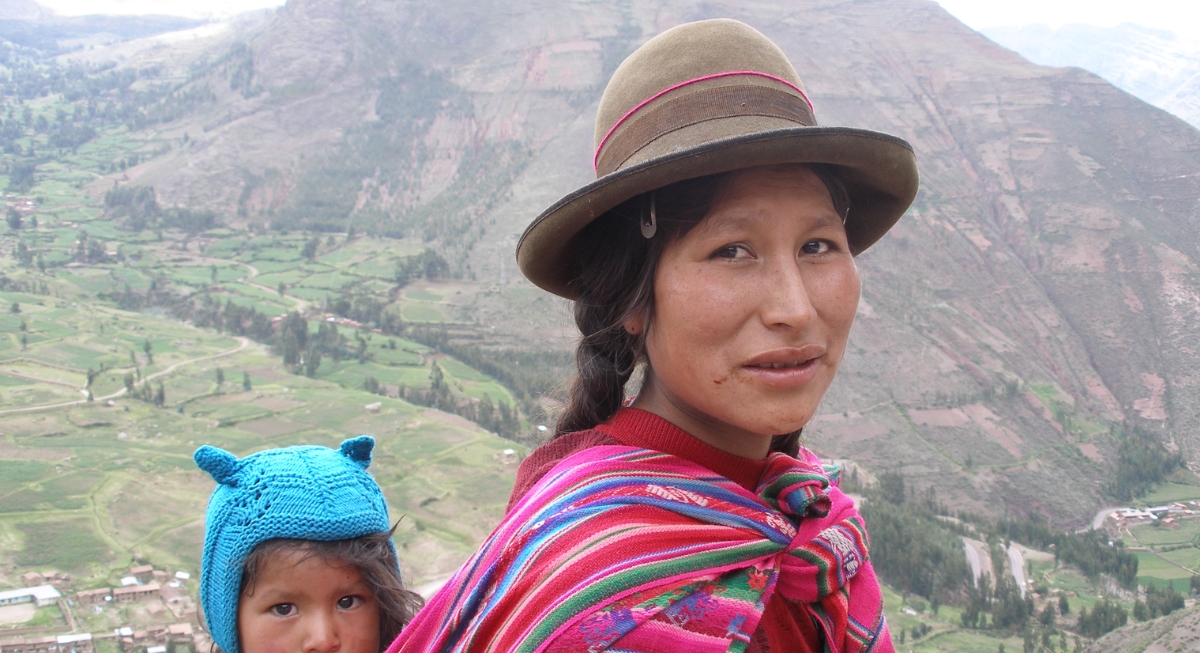
Spanish dominates daily life in Peru, though millions of people still speak Indigenous languages like Quechua and Aymara. Street signs and radio stations regularly switch between languages. In parts of the Sacred Valley, children grow up speaking Quechua at home before learning Spanish in school.