Public Space Designs That Prioritize People and Animals First
Public spaces are never just for people. Parks and plazas are already shared with birds, bees, squirrels, and the stray cat that treats every bench like home. Designers are beginning to account for that reality. Across cities, public spaces are being redesigned to function for both people and the animals that already use them.
Shady Trees That Do More Than Cool You Off
Credit: Getty Images
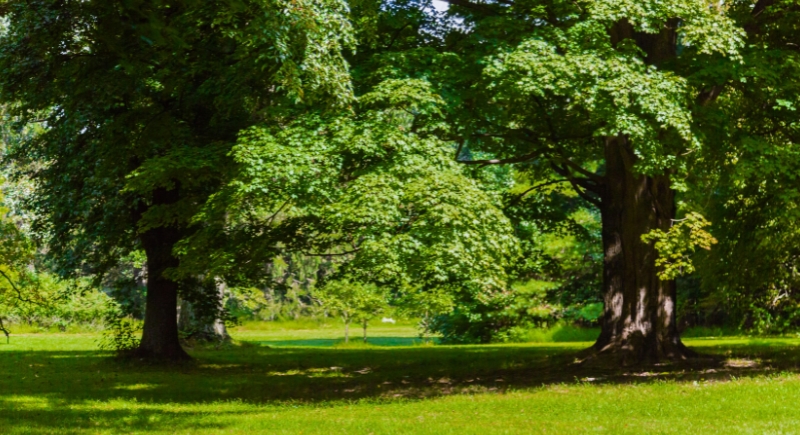
In Munich, researchers found that trees and shrubs serve a practical purpose beyond providing shade. When paired with grass or native flowers, they support a wide range of wildlife. At one public square, careful planting increased biodiversity to 156 species. The takeaway is straightforward: add trees thoughtfully, and birds and insects follow.
Lawns That Feed Hedgehogs and Humans Alike
Credit: Getty Images
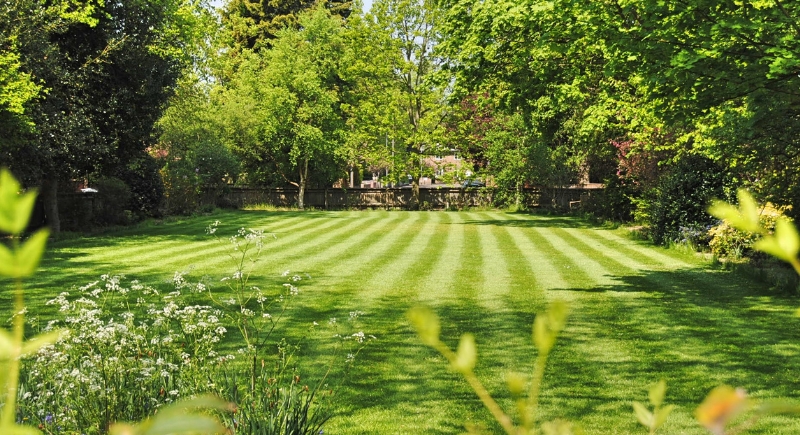
A patch of grass does more than make room for picnics. Lawns support soil organisms that birds and hedgehogs rely on for food. Insects thrive there as well. What looks simple on the surface stays active below it. Designers who favor mixed green patches support these small, working ecosystems underfoot.
Parks That Prioritize Quiet
Credit: pexels
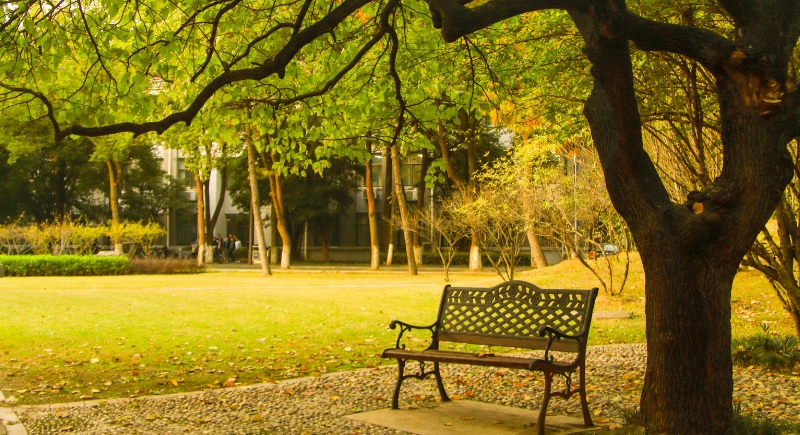
Noise is often overlooked in design, but animals notice. High-traffic areas with minimal noise pollution attract more species, especially birds. Some urban spaces limit loud music, traffic, and other artificial sounds to help wildlife settle in. These quieter areas end up attracting people, too, particularly those looking to escape the city’s usual clamor.
Lighting That Respects Wildlife Sleep Cycles
Credit: pexels
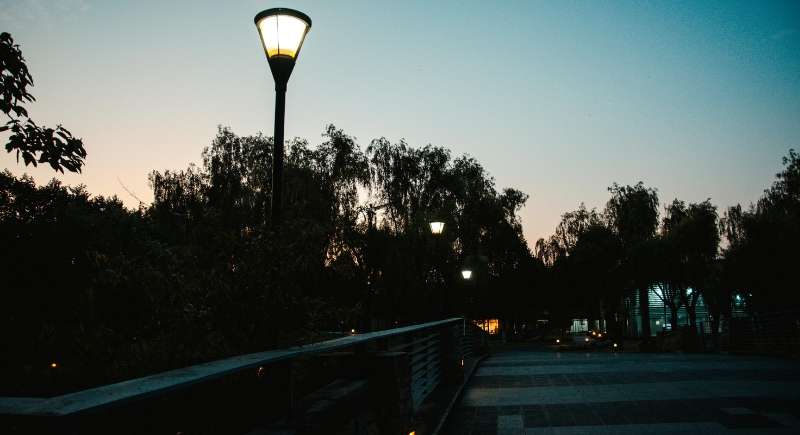
Harsh lighting disrupts the nocturnal behavior of animals and interferes with migration patterns. Some public spaces now rely on low, warm lighting or motion-activated fixtures to limit that impact. These choices reduce glare and keep insects from clustering around lights, making nighttime areas calmer and easier for people to use.
Bike Paths That Don’t Bulldoze Habitats
Credit: pexels
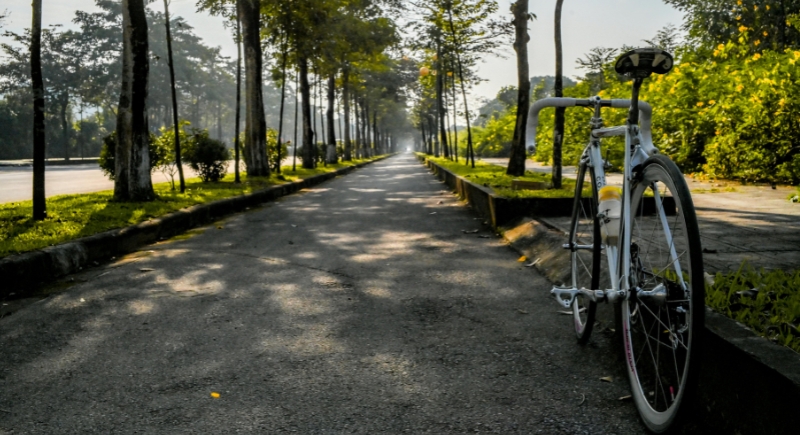
In Sydney, new bike routes weave through bushland without cutting through it. Planners worked alongside ecologists to steer paths away from sensitive areas. Cyclists move through native vegetation, and animals like wallabies stay undisturbed. It proves active transport does not have to come at nature’s expense.
Playgrounds Built with Biodiversity in Mind
Credit: Canva
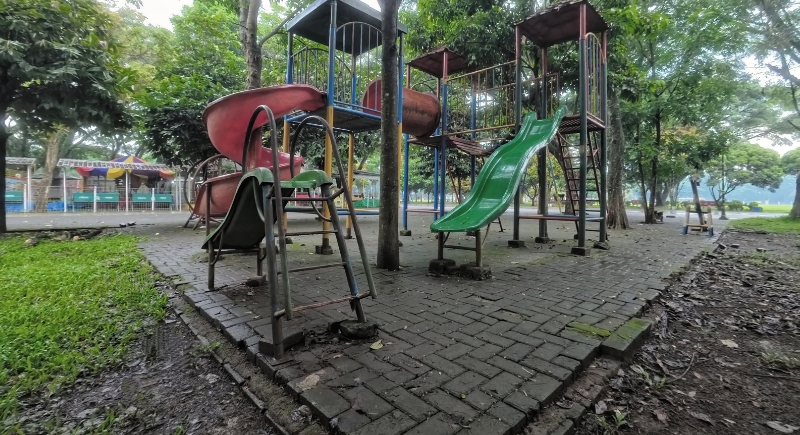
Some public playgrounds now double as mini ecosystems. Designers include native grasses and tree stumps that attract insects and small mammals. These spaces feel more natural and give kids hands-on experiences with living things. It’s less plastic, more dirt—and it makes a difference in how both people and animals use the space.
Spaces Designed for Seasonal Shifts
Credit: Canva
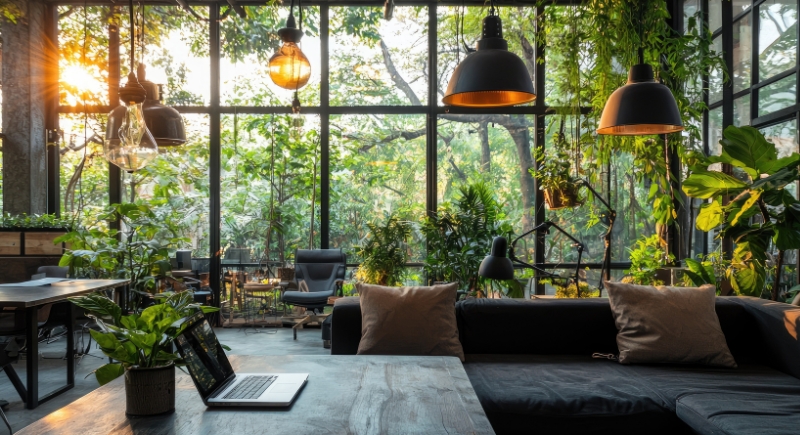
Fixed layouts rarely suit natural systems. Some planners now design areas that change with the seasons, such as wetlands that flood, meadows that bloom, and shaded zones that offer summer relief. This flexibility supports migrating birds and local pollinators, while giving people spaces that feel different as the year moves on.
Urban Wetlands That Welcome Ducks and Dogs
Credit: Canva
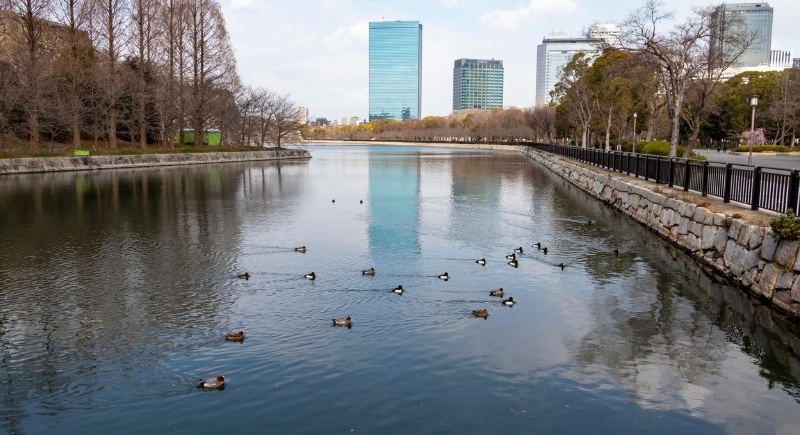
In some cities, marshy zones have been restored inside parks. These wetlands manage stormwater and also attract frogs and dragonflies. Some even allow dogs nearby, separated by native shrubs or low fences to keep the peace. These hybrid spaces let ecosystems thrive without asking people to stay out completely.
Seating That Doesn’t Interrupt Everything Else
Credit: pexels
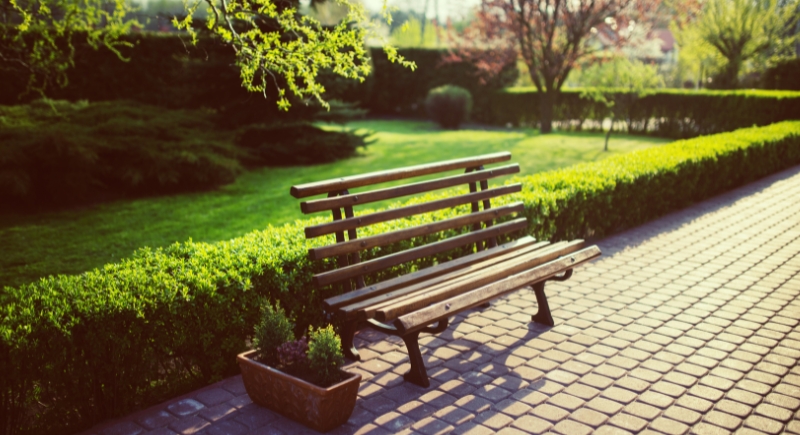
Benches usually get placed without much thought, but in biodiverse areas, their location matters. Designers now look for ways to position seating where it won’t block wildlife paths or shade-sensitive plants. It’s small but thoughtful. People still get a place to sit, but the birds keep flying, and bees keep working.
Public Art That Doubles as Habitat
Credit: Getty Images
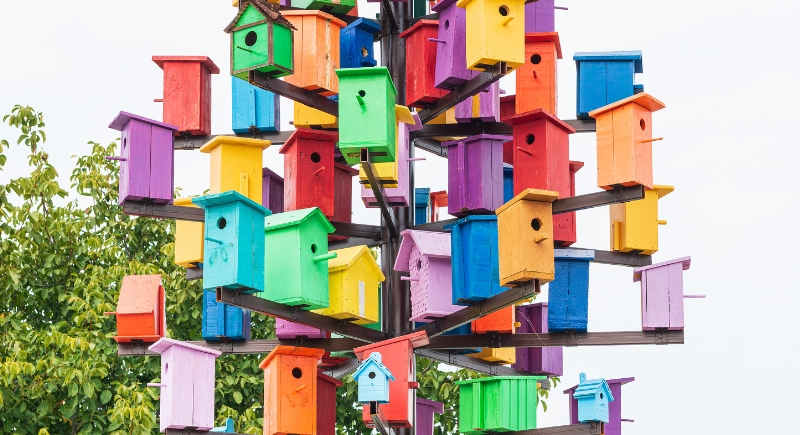
Sculptures don’t have to be just for show. Some outdoor art pieces include built-in birdhouses, bee hotels, or small shelters for lizards and frogs. In one Melbourne plaza, a decorative metal canopy also collects rainwater and channels it to native plants below.