10 Reasons the Park Hyatt Tokyo Is Still the Ultimate Sky High Movie Star
Even in Tokyo’s bubbling scene, this hotel somehow never slips out of the spotlight. The Park Hyatt Tokyo has built a reputation beyond its appearance in a movie scene and skyline views. Even on a first visit, the inside may look familiar, like you’ve been there before. But the design and the views are only part of the reasons it keeps coming up in conversations about the city.
You Already Know the Place
Credit: Wikimedia Commons
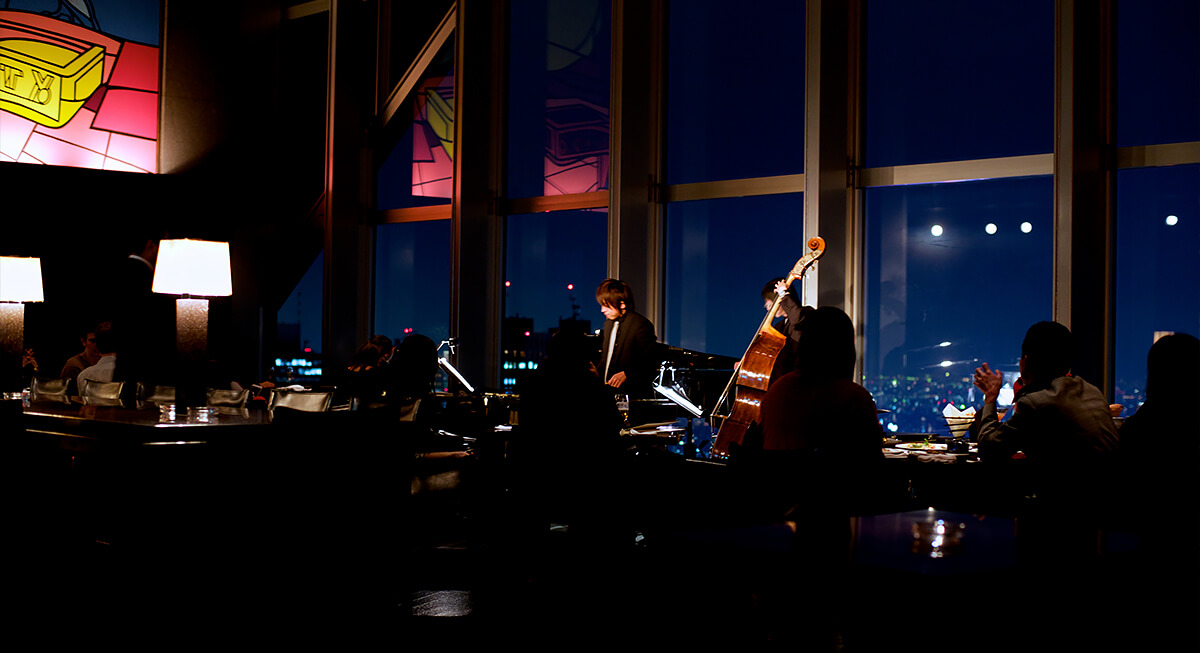
Fame has made the hotel feel familiar. Specific areas within the establishment, such as the New York Bar and the iconic window-framed skyline, have served as backdrops for major films and photography for decades. When you finally walk in, you don’t feel the typical first-timer nerves of a new place.
It Was Built to Feel Like a Private Residence
Credit: Tripadvisor
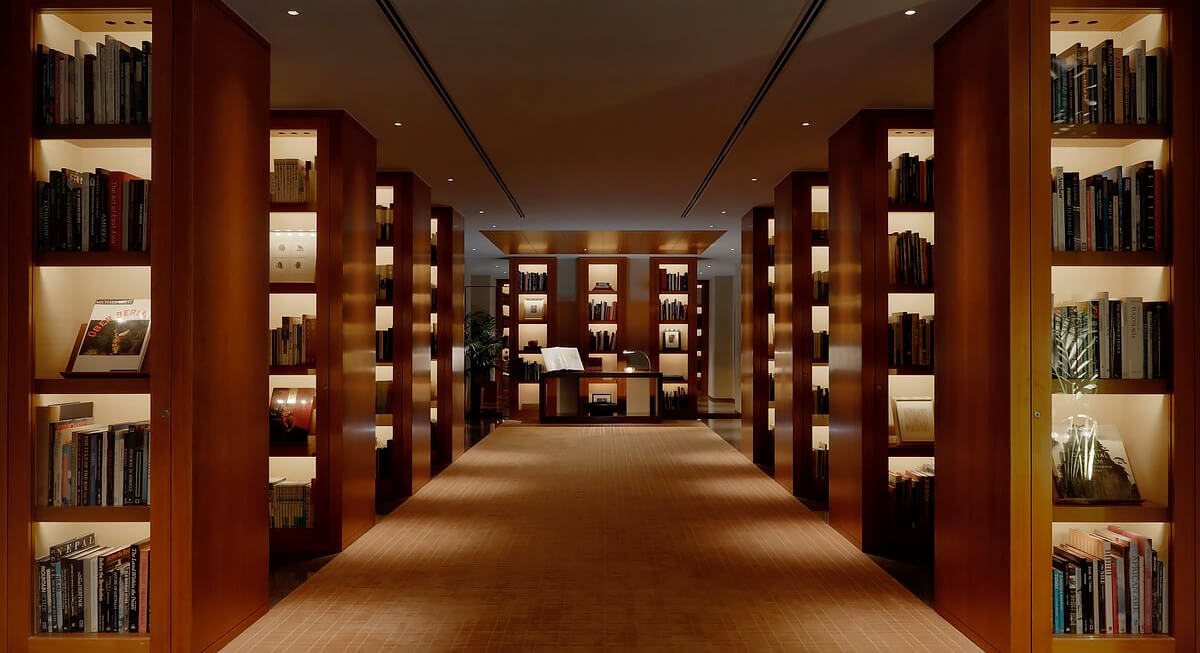
Inside, the layout intentionally avoids the massive, open-plan lobbies typical of most luxury properties. It’s broken into smaller, more personal areas. You have quiet corners and hallways lined with books. This gives the space a lived-in quality. In a city as dense and fast-paced as Tokyo, this focus on small, private spaces makes the environment a sanctuary.
The Architecture Quietly Controls What You See
Credit: Tripadvisor
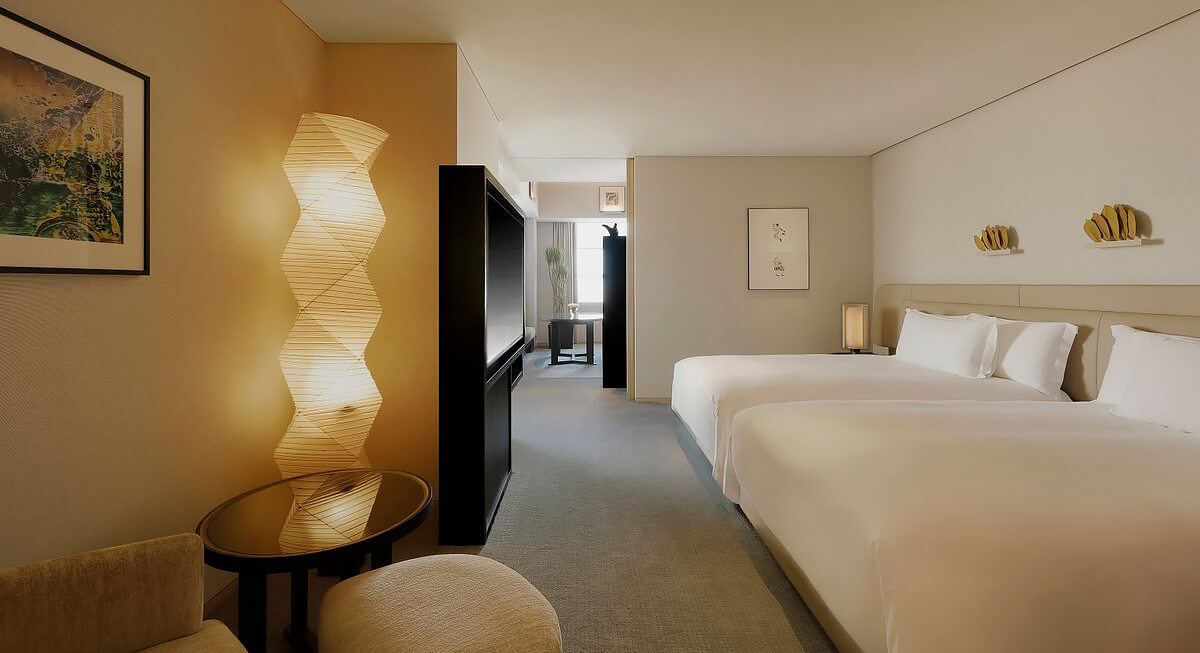
The rooms are carefully shaped to guide your attention. As you step inside, the ceiling is lower near the entrance, then rises as you move toward the windows. It pulls your focus forward until the skyline takes over.
The Way In Feels Like a Scene Transition
Credit: Tripadvisor
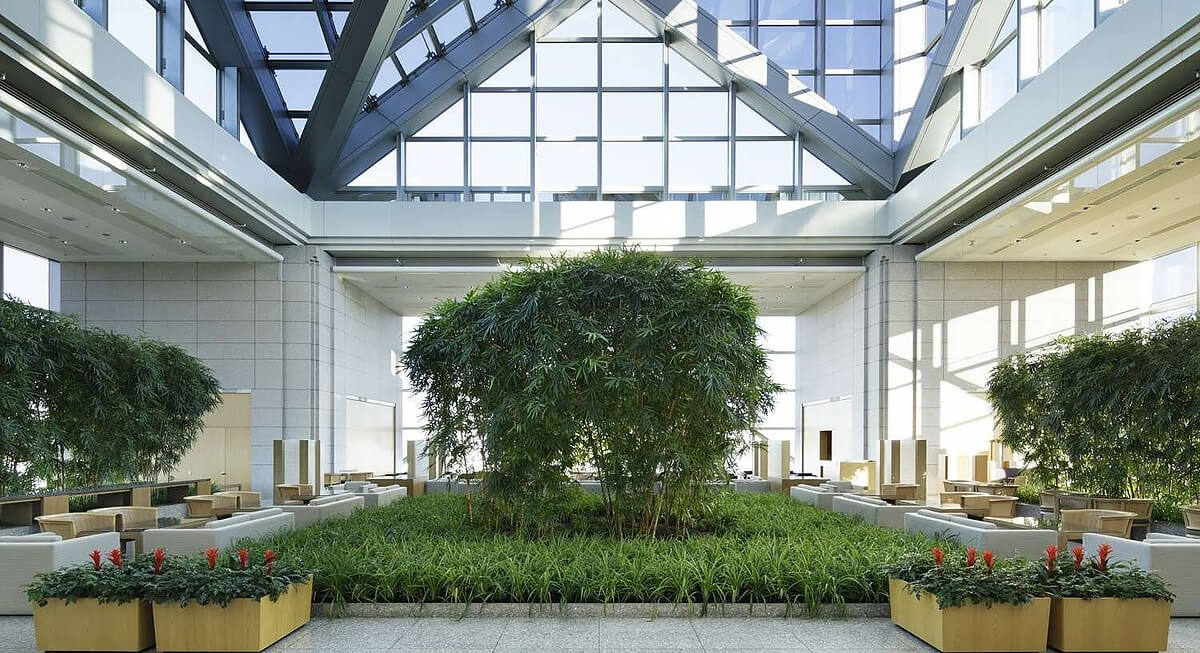
Getting to the hotel isn’t completely straightforward. But that works in its favor. The building shares space with offices, so the journey to the lobby involves elevators and corridors that carry you upward through quieter areas before anything recognizable appears. Then the doors open, and the setting changes all at once. Light fills the room, and the city spreads out below.
The New York Bar Was Designed as a Stage
Credit: Tripadvisor
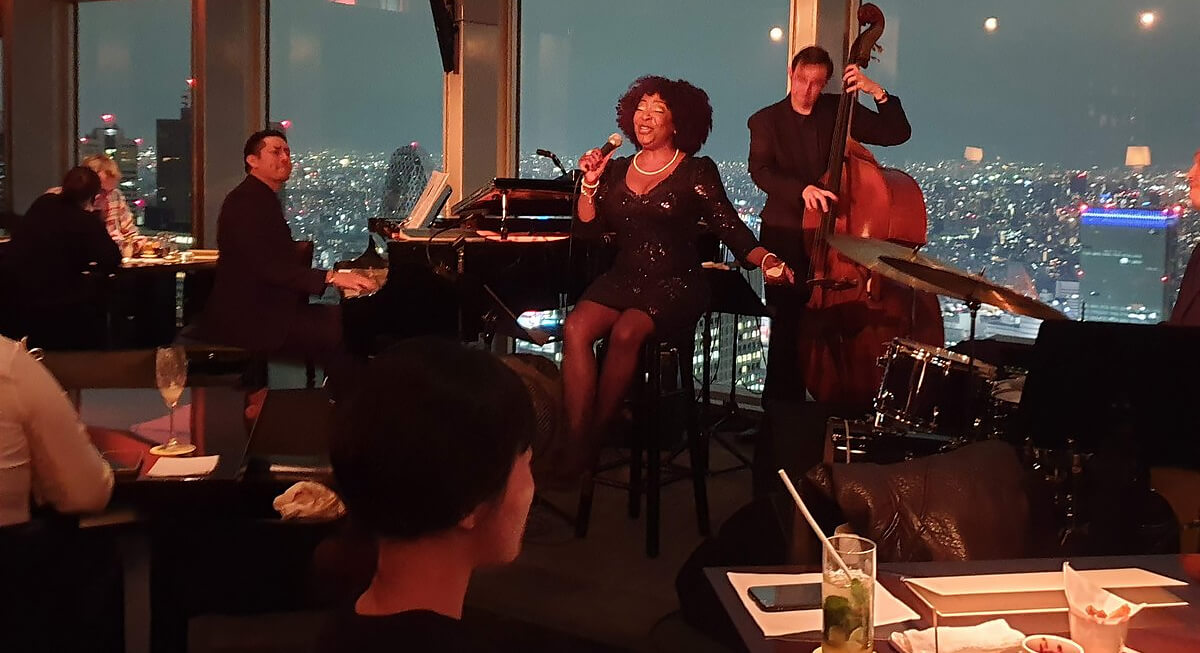
Once you reach the top, the New York Bar makes its purpose clear. The design draws on American performance venues such as Carnegie Hall and Radio City Music Hall. The skyline behind the bar is like a backdrop, and live jazz fills the space. The seating encourages people to stay longer than planned.
It Changed What Luxury Looked Like in Tokyo
Credit: Wikimedia Commons
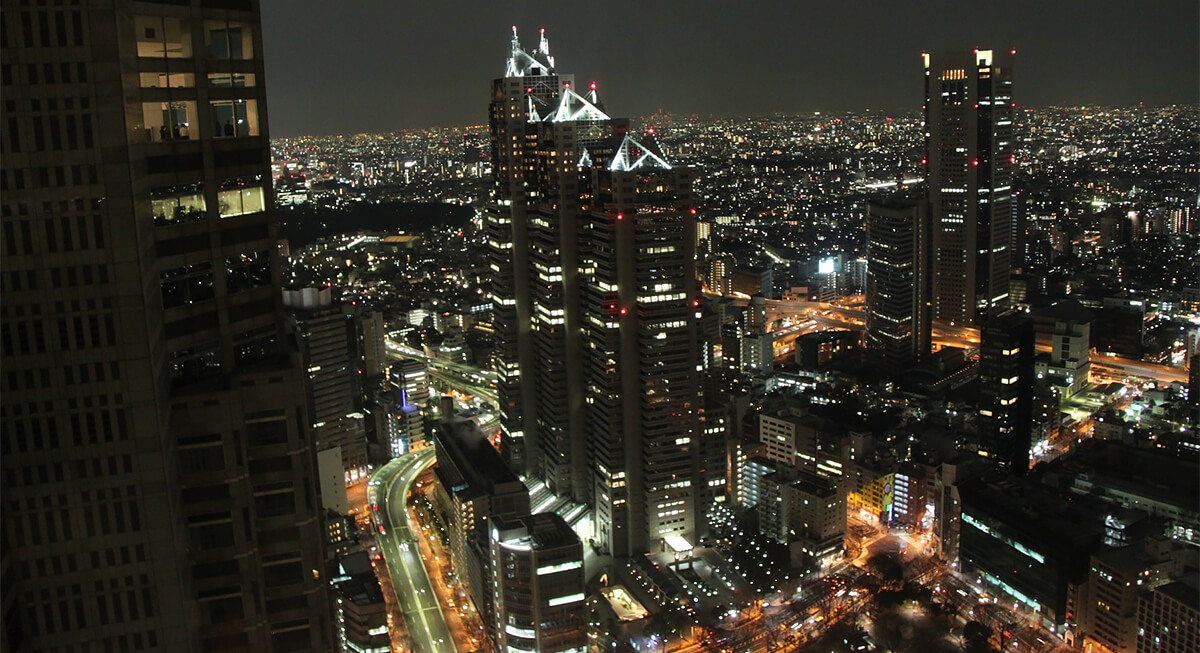
When the hotel opened in 1994, it disrupted the city’s traditional hotel scene, characterized by formality and strict service structures. The establishment’s experience felt more relaxed and internationally influenced, with design and atmosphere carrying as much weight as service. The approach shaped what guests began to expect from high-end hotels in Tokyo and influenced how newer properties approached their own spaces.
The Rooms Are Larger Than You’d Expect Here
Credit: Tripadvisor
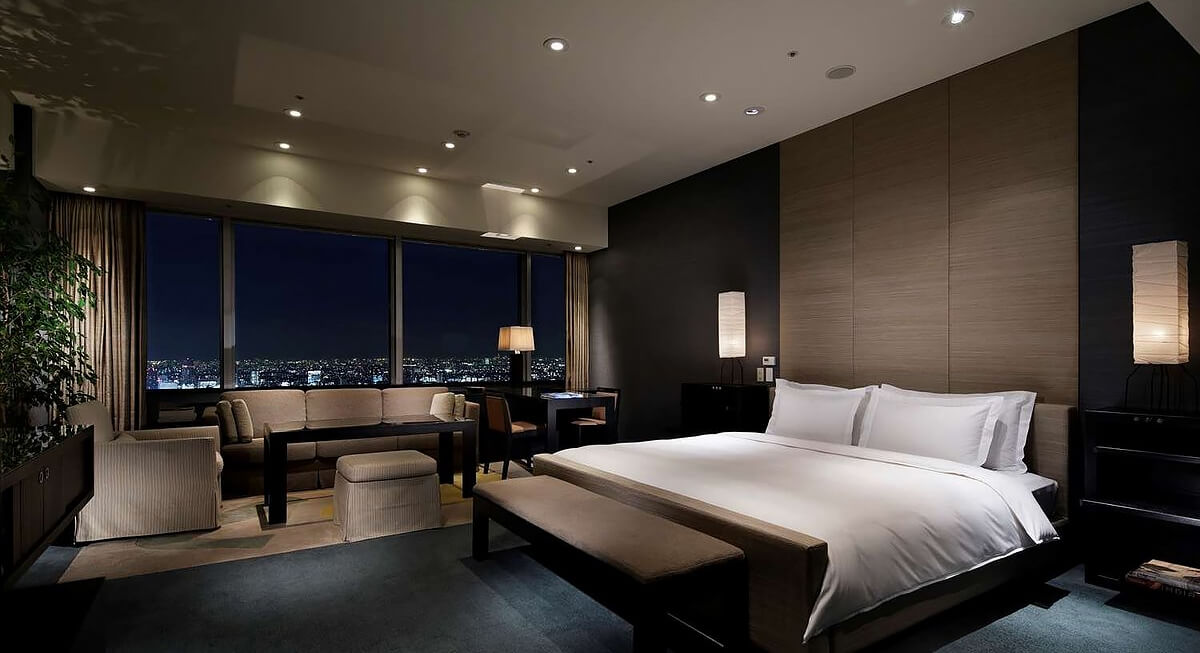
Tokyo isn’t known for generous room sizes, which makes the Park Hyatt Tokyo stand out. Entry-level rooms measure around 538 square feet. Guests have more space to settle in. There’s extra room to sit, move around comfortably, and take in the view.
People Go Out of Their Way to Stay Here
Credit: Tripadvisor
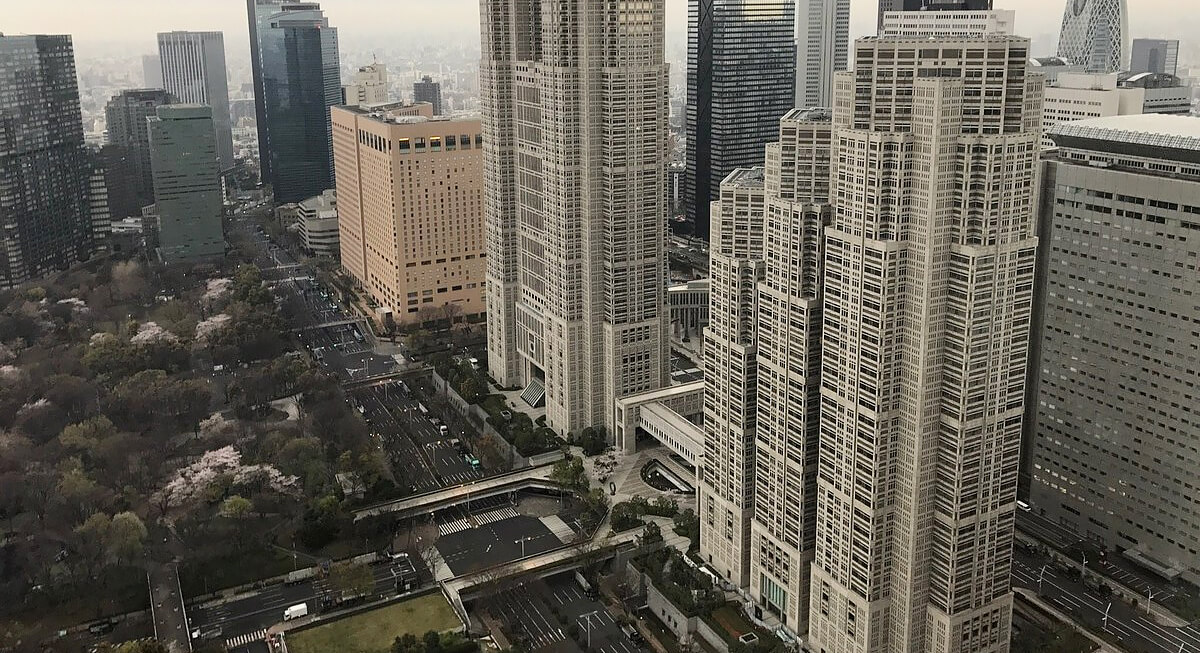
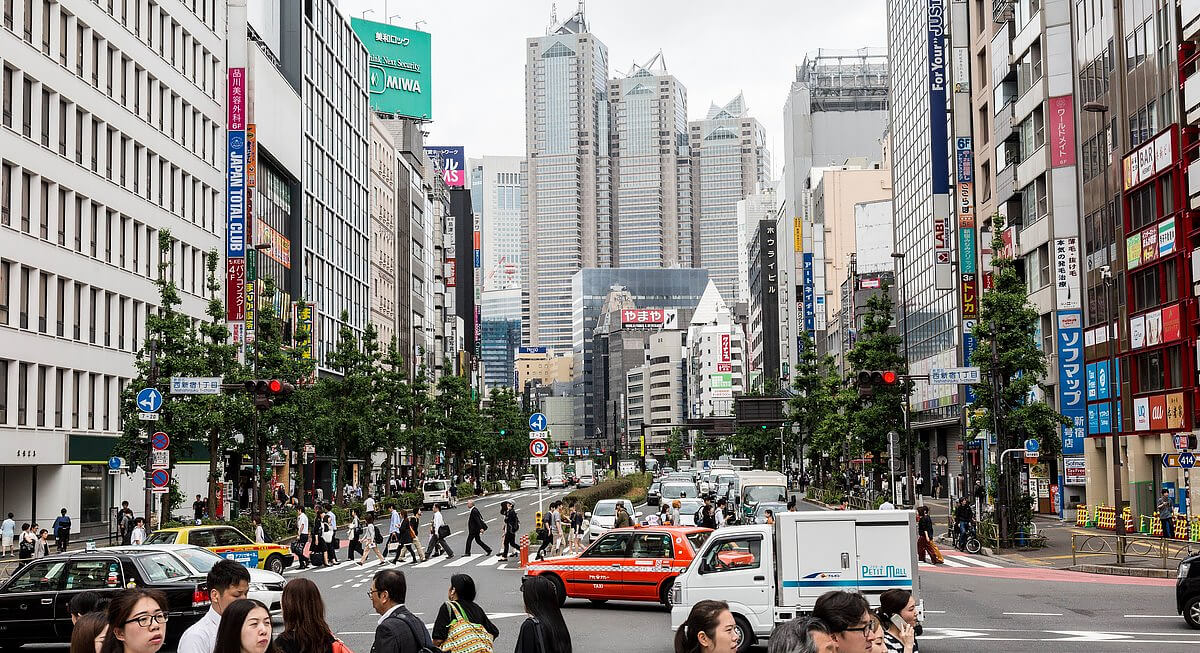
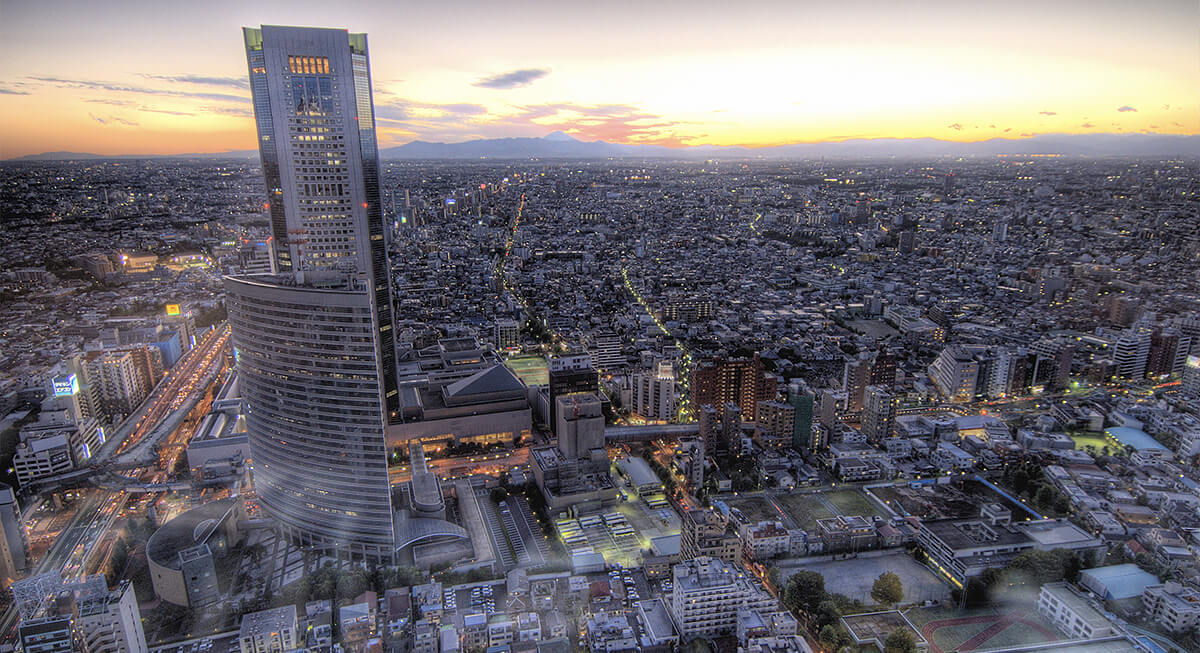
The hotel’s location in West Shinjuku places it away from the busiest tourist areas. But this hasn’t slowed demand. Guests still plan their stay around it. They choose the property for what it offers inside. The decision often comes down to the experience itself.
Locals Keep It Part of Daily Life
Credit: Tripadvisor
Unlike many luxury properties that cater almost exclusively to tourists, the Park Hyatt Tokyo is a staple for the city’s residents. On any given night, the restaurants and bars are filled with locals hosting business meetings or private celebrations.
It Was Updated Without Losing Its Identity
Credit: Wikimedia Commons
When this hotel underwent renovation, the focus was on preserving its core elements, including materials, layout, and signature details. Updates simply improved comfort and function. The balance allowed the hotel to evolve without losing what people had come to recognize over time.