Paris Syndrome Is Real, and Tourists Are Literally Getting Sick From Disappointment
Paris receives approximately 50 million visitors annually and ranks among the most visited cities in the world. It also sends a small but steady number of tourists to hospitals and embassies for reasons that have nothing to do with food poisoning or injuries.
Doctors began documenting a pattern decades ago. The condition has a clinical name, recognized by psychiatrists since the 1980s, and it continues to surface in modern travel data. The trigger is disappointment, intensified to a level that overwhelms the mind and body.
Paris Syndrome describes a severe form of culture shock that goes beyond feeling let down. Psychiatrists first identified it in the 1980s after treating foreign visitors who became disoriented, anxious, and physically ill shortly after arrival. Symptoms include nausea, racing heartbeats, confusion, derealization, and hallucinations. In some cases, the reaction escalated so quickly that emergency medical care or early repatriation became necessary.
This is rare, but it is real. Roughly ten Japanese tourists seek psychological help each year in Paris after intense distress. One summer alone, The Atlantic noted at least 20 documented cases. In extreme situations, embassies have arranged emergency returns after visitors developed paranoia or delusional beliefs.
Why Does Paris Trigger Such A Strong Reaction?
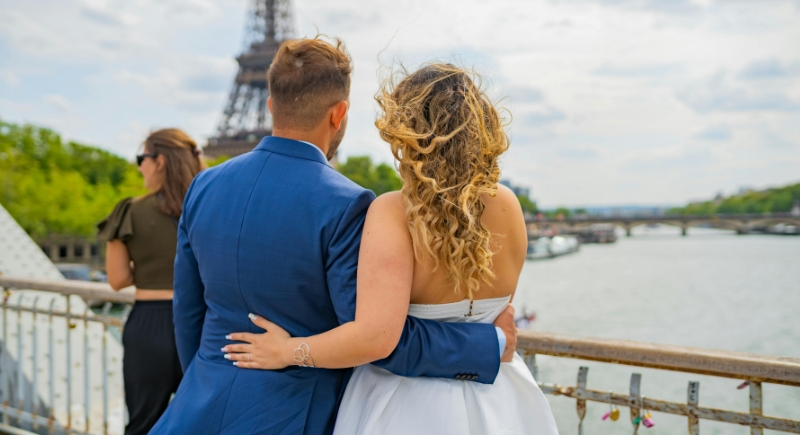
Image via Pexels/amine photographe
Paris sells romance, beauty, and refinement at an unmatched scale. Films, fashion ads, and travel campaigns flatten the city into a flawless loop of boulevards, manners, and charm. The image settles in people’s minds, especially within cultures that value harmony, politeness, and predictability.
When the real city pushes back, the contrast can feel brutal. Graffiti, scams, and transit chaos quickly break the illusion. For travelers arriving already tired, jet-lagged, and emotionally invested, the disconnect can overwhelm the nervous system.
Japanese tourists appear to be the most vulnerable due to the significant cultural gap. Japan’s service culture emphasizes courtesy and structure. Paris has a different philosophy. Misread interactions stack quickly when language barriers limit reassurance.
Disappointment That Turns Physical
Most travelers shrug off unmet expectations, but Paris Syndrome sits at the end of that spectrum. Doctors describe it as a collision between idealized belief and sensory overload. The brain struggles to reconcile the dream with the reality of everyday life.
Reported cases include visitors who were convinced that their hotel rooms were under surveillance or believed they faced targeted attacks. These episodes fade with rest and care.
Paris Is Not Alone
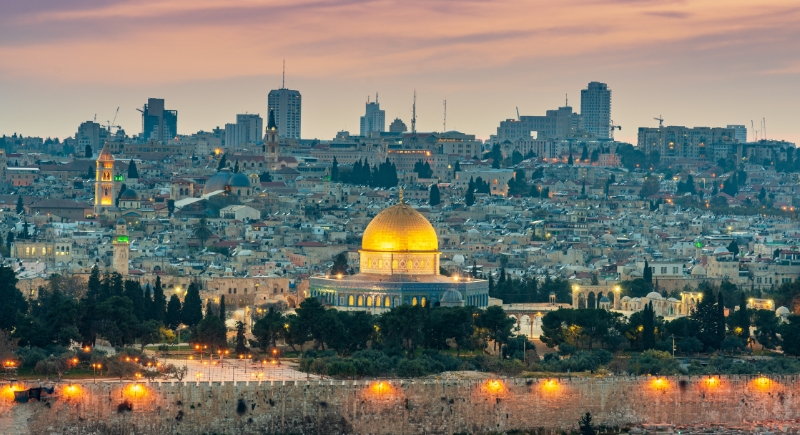
Image via Getty Images/Mlenny
Paris Syndrome often grabs headlines, but similar reactions can also occur elsewhere. Jerusalem Syndrome affects religious visitors who develop messianic delusions. Israeli clinics treat around 100 tourists each year, with dozens needing hospitalization. Florence sees Stendhal Syndrome, where overwhelming exposure to art triggers dizziness, panic, and hallucinations. Each case links back to the same mechanism.
Tourism numbers keep climbing. Paris welcomed nearly 49 million visitors in 2024. At the same time, travel planning shifted online. Psychologists warn that this kind of buildup leaves little room for nuance. Travelers arrive chasing a highlight reel rather than a functioning city. When the mismatch hits, disappointment sharpens fast.
Reducing The Risk
Paris Syndrome remains uncommon, yet mild versions of travel shock affect many visitors. Preparation helps. Slower itineraries reduce exhaustion. Learning basic phrases eases tension. Accepting imperfections keeps the brain flexible.