15 Outdoor Hobbies to Try in 2026
As 2026 begins, interest in outdoor hobbies continues to grow as people look for ways to move their bodies, slow their pace, or step away from screens. Many of these activities fit different seasons, budgets, and fitness levels, and most can start close to home. Below are fact-based outdoor hobbies worth trying in the year ahead.
Hiking
Credit: Getty Images
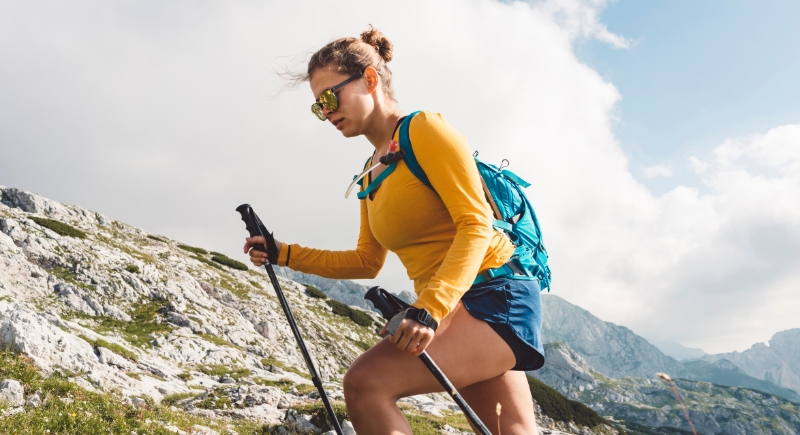
Few outdoor hobbies offer as much variety as hiking. Trails exist in forests, deserts, mountains, beaches, and urban parks across the United States. Difficulty ranges from flat, well-marked paths to steep, technical routes with elevation gain. Basic gear usually includes sturdy shoes, water, and weather-appropriate clothing, which makes hiking one of the easiest activities to get started with.
Forest Bathing
Credit: pexels
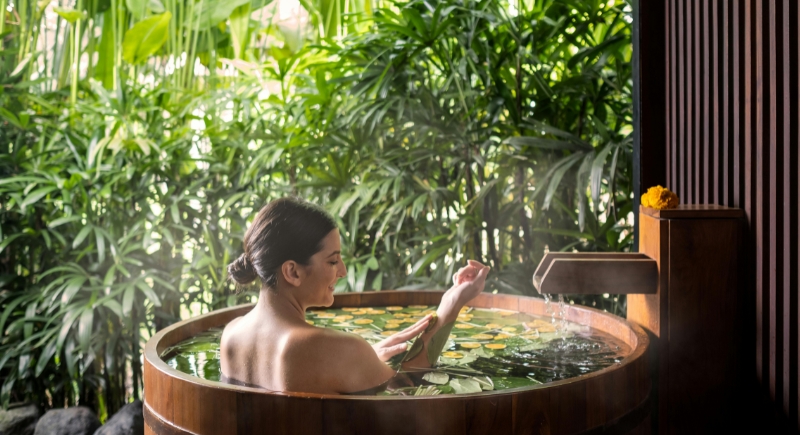
This Japanese practice, also known as shinrin yoku, focuses on slow movement and sensory awareness in wooded areas. Forest bathing emphasizes observation rather than exercise, which makes it accessible regardless of fitness level. Research links time spent among trees with lower stress indicators and improved mood.
Trail Running
Credit: Canva
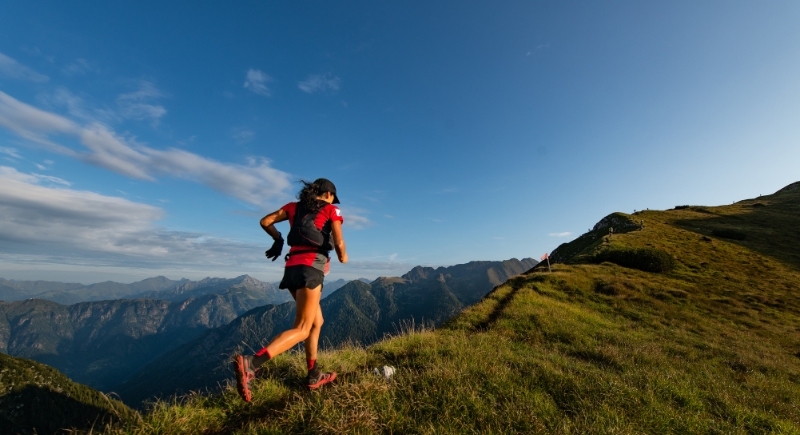
Trail running takes hiking a step further by adding pace and challenge. Routes include uneven terrain, elevation changes, and natural obstacles such as roots and rocks. Early on, grip and balance matter more than mileage. Many runners start on gravel or packed dirt paths, then move to more technical trails as strength, coordination, and confidence build.
Camping and Glamping
Credit: True Creatives
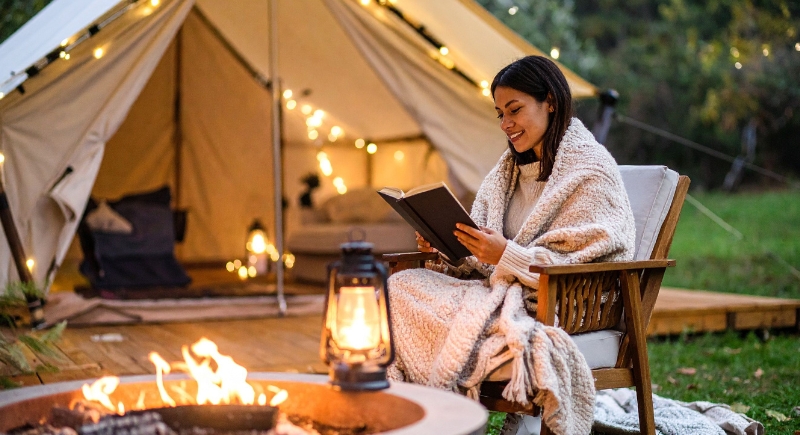
Camping remains a popular way to disconnect while spending extended time outdoors. Traditional camping involves tents, cooking gear, and site planning, while glamping adds permanent structures and amenities. Many public campgrounds require reservations, especially during warmer months. Seasonal weather plays a major role in planning comfort and safety.
Nature Photography
Credit: Getty Images
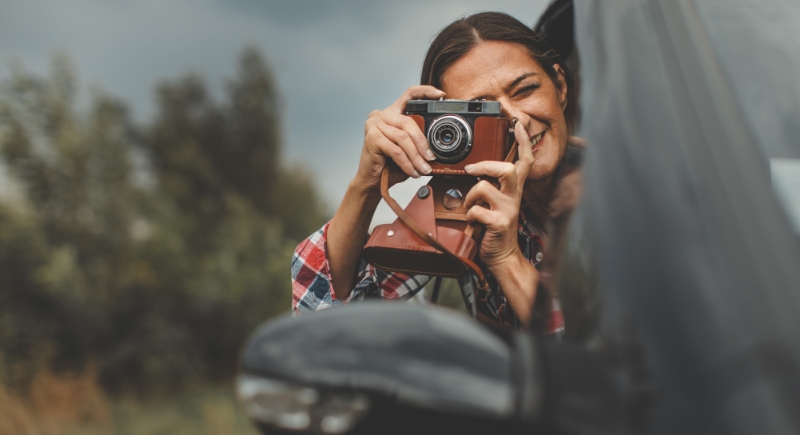
Smartphone cameras have made nature photography widely accessible. Many people start by photographing local plants, animals, and seasonal changes close to home. Learning often happens through online tutorials focused on lighting, framing, and movement. Equipment upgrades tend to follow interest rather than necessity.
Geocaching
Credit: Canva
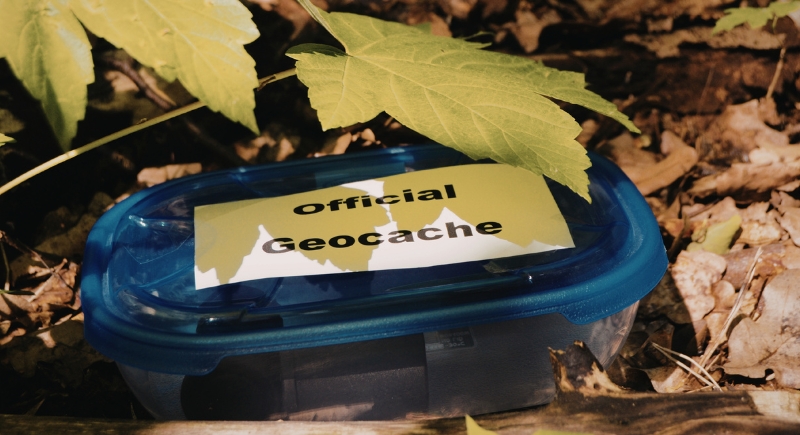
Geocaching uses GPS coordinates to locate small hidden containers placed by other participants. Caches appear in parks, city streets, remote trails, and historic sites. The activity combines walking with problem-solving. Free apps make participation easy, and difficulty levels vary by terrain and clue complexity.
Outdoor Yoga
Credit: Getty Images
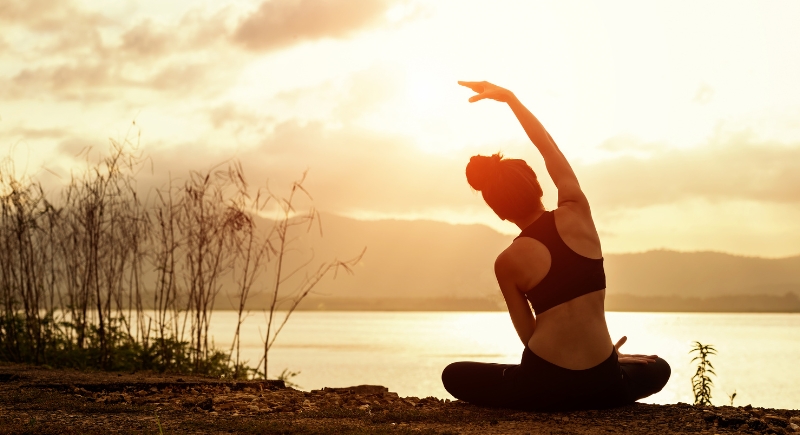
Practicing yoga outdoors introduces environmental factors such as uneven ground, temperature changes, and ambient sounds. Sessions range from gentle stretching to strength-focused flows. Equipment usually includes a mat or towel. Many parks and community spaces host outdoor classes during warmer months.
Surfing

Credit: Getty Images
Surfing depends heavily on ocean conditions such as wave height, wind direction, and tide. Beginners often start with lessons to learn balance and safety protocols. Coastal access determines availability, but many beaches offer rental boards. Skill development happens gradually through repetition rather than speed.
Paddleboarding
Credit: Canva
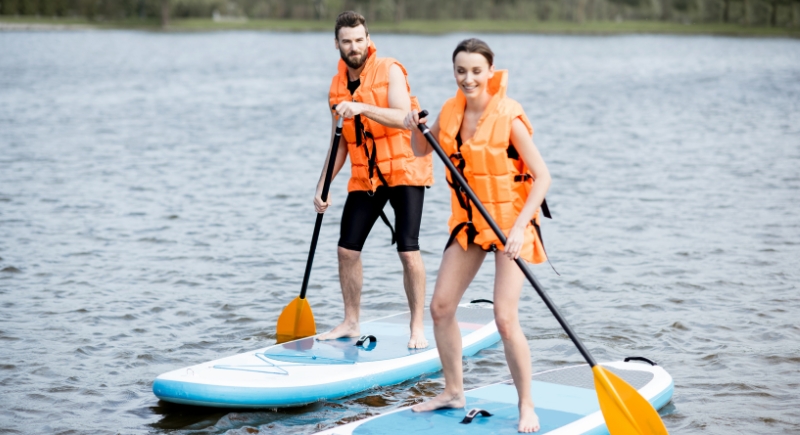
Stand-up paddleboarding places participants above the water while engaging balance and core muscles. Calm lakes, bays, and slow rivers are common entry points. Boards and paddles are widely available for rent. Falling into the water is expected, making swimming ability important.
Sailing
Credit: Getty Images
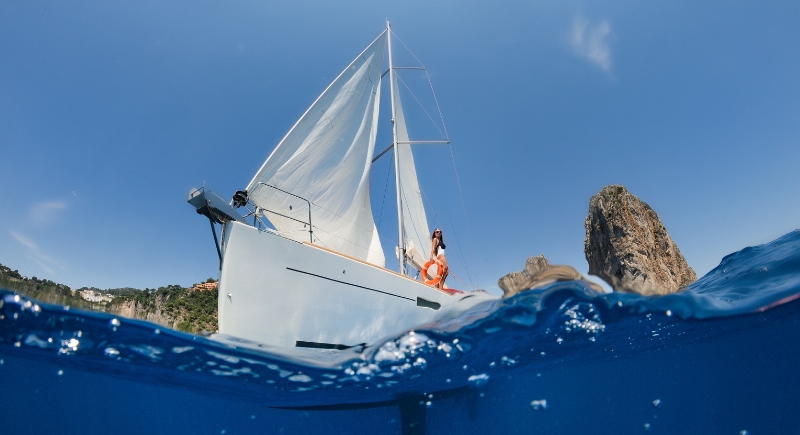
Sailing relies on wind rather than motors for movement. Learning involves understanding wind patterns, basic knots, and boat handling. Many people start through sailing clubs or lessons. Conditions determine safety more than distance, which keeps early outings close to shore.