10 Outdated Items You Should No Longer Fly With
Travel gets easier when the small decisions are handled well. Packing is usually where things start to pile up, and many of us still toss in items that no longer earn their space. Some of them weigh down a carry-on, others slow you down at security, and a few simply don’t fit how people move through airports today. The list below looks at the things travelers often retire once they realize the trip feels lighter without them.
Old-Style Passport Holders
Credit: Canva
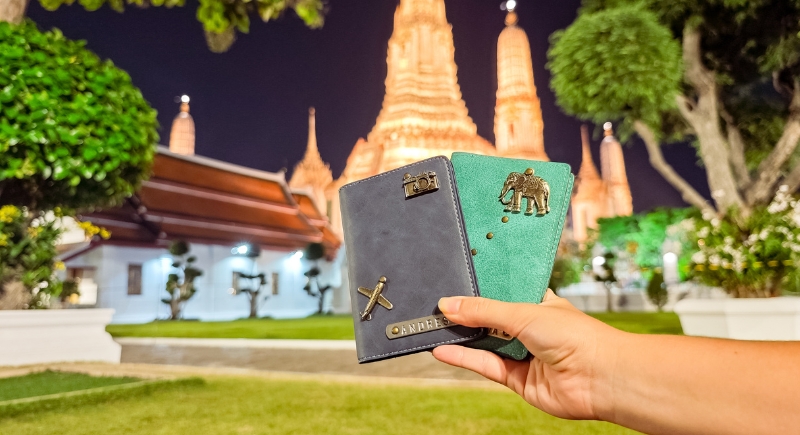
Ask any frequent flyer about the last time they dropped something in a security line, and a surprising number will mention a bulky passport cover. The moment you pull the booklet out, it tries to wiggle free. People ended up juggling straps, documents, and bins, which made these covers more chaotic than helpful.
Paper Boarding Passes
Credit: Getty Images
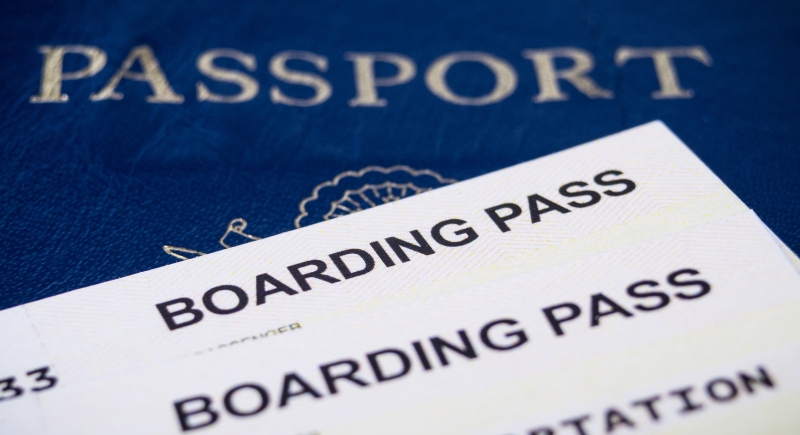
A printed pass often turns into something you keep searching for, especially once it slips into a jacket pocket or a cluttered tote. Gate changes make things worse because the paper copy stays outdated while your phone keeps moving ahead. A screenshot sits exactly where you saved it, but the printed slip tends to disappear at the moment you need it most.
Neck Wallets

Credit: Wikimedia Commons
They were designed to feel secure, but anyone who has worn one knows how much attention they draw. You end up tugging at the strap or shifting the pouch, and that movement signals exactly where your valuables are. Even pickpocket guides point this out. A small crossbody or anti-theft bag does the job with less fuss, so you aren’t adjusting something hidden under your shirt every few minutes.
Bulky Toiletry Kits
Credit: Canva
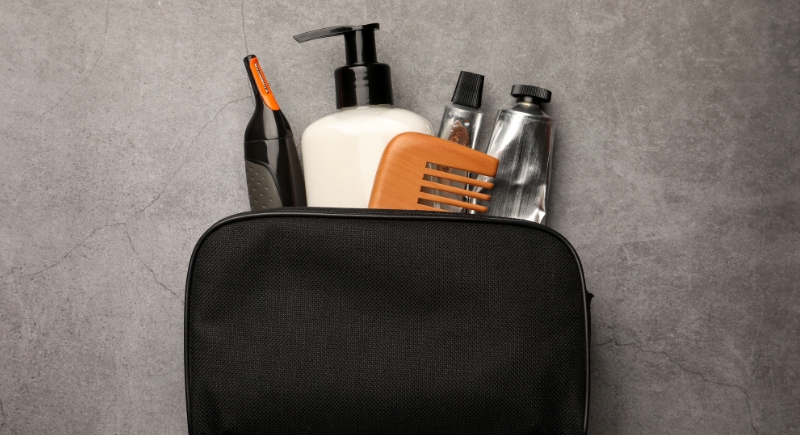
Overpacked bathroom bags turn every airport sink into a small puzzle. The moment they’re unzipped, everything spills into corners. Tight hotel counters and shallow plane lavatories only magnify the mess. Travelers often find themselves reorganizing the same bottles several times a day, even though they only needed a few items to begin with.
Basic Portable Chargers
Credit: Getty Images
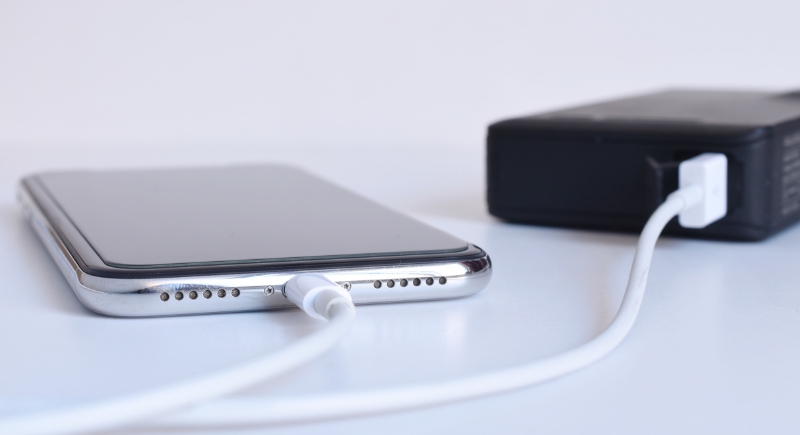
Many people admit to losing more charging cables on flights than they can count. Older power banks practically encouraged it. Those loose cords slid into seatback pockets and never returned. Multi-cable chargers solved that headache, mostly because everything stays attached and no one has to crawl under a row of seats again.
Guidebooks

Credit: pexels
Guidebooks once ruled carry-ons because they gathered every map and tip in one place. Travelers flipped pages like they were decoding a secret city. Then, real-time tools replaced the need to cross-check old listings. The books became souvenirs instead of navigational lifelines, mostly because the ground changed faster than the pages ever could.
Handheld Fans

Credit: Canva
People waiting to board often tried cooling themselves with a tiny fan that needed constant attention. It worked until the arms got tired or the battery faded at the exact wrong moment. Travelers eventually realized the gadget behaved more like a brief distraction than a steady fix during crowded, overheated airport waits.
Standard Eye Masks

Credit: pixelshot
Flat masks press in strange ways once the cabin lights dim. Even a hint of brightness sneaks around the edges. Flyers described the experience as trying to sleep inside a leaky tent. Contoured masks stepped in later, offering enough space to blink without feeling the fabric touch every eyelash.
Wired Audio Setups

Credit: Canva
Airline headphones never quite agree with gravity. The plug pops out, the cord knots itself, and the person next to you stands up at the exact moment your earbud catches on their jacket. Bluetooth adapters cleaned up most of that chaos by cutting the leash, and suddenly, reaching for snacks stopped being a tactical mission.
Printed Reservation Packets

Credit: Canva
People once packed folders of printouts for flights, hotels, and rentals because it felt safer to have everything on paper. Now those details sit in your email or travel apps, ready to open the moment you need them. A simple screenshot covers you when the signal drops. The old packets don’t offer much at this point, and they mostly end up taking space you could use for something that actually helps during the trip.