10 Tide Fed Ocean Pools Worth Traveling For
Tide-fed ocean pools create a space where swimmers can enjoy seawater without dealing with rough surf. These spots fill through natural gaps in rock, underwater tunnels, or waves washing over stone walls. They vary in depth, temperature, and access, but each one reflects its coastline in a distinct way.
Forty Foot – Dublin, Ireland
Credit: Wikimedia Commons
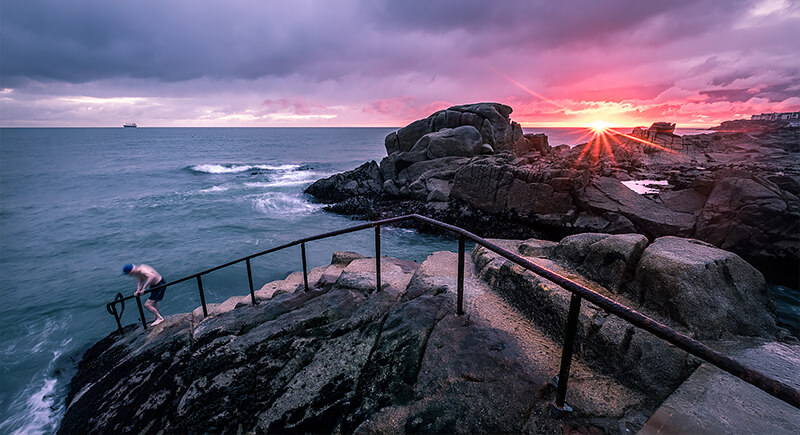
Locals have used Forty Foot for more than 250 years, and many still show up before sunrise for a cold plunge. There is no barrier between the swimmer and the sea, so tides fully control the depth. Regulars check the water level before jumping from the rocks. This spot has become a daily anchor for Dublin locals who enjoy its simplicity.
Tunnels Beaches – Devon, England
Credit: Tripadvisor
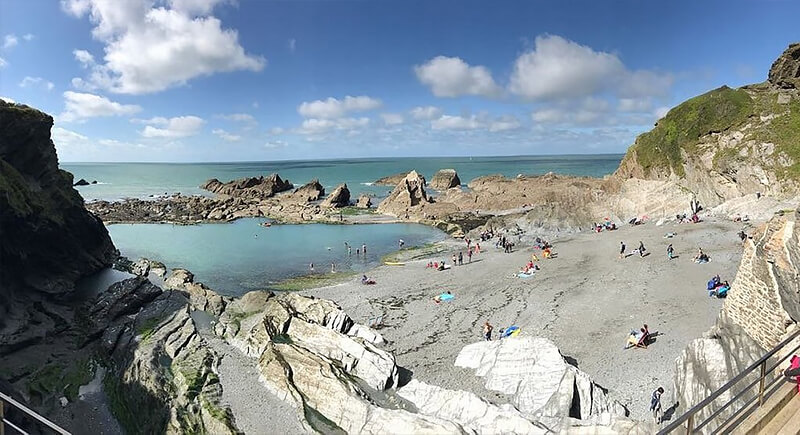
The tunnels leading to this pool were carved in the early 1800s by Welsh miners, and their work still shapes the visit. Visitors step into dim stone passages and emerge onto a historic bathing area once divided by gender. The tidal pool fills around low tide when water settles behind the old wall. Families, bathers, and history enthusiasts appreciate how the site preserves its original structure and atmosphere.
Bondi Icebergs Pool – Sydney, Australia
Credit: Wikimedia Commons
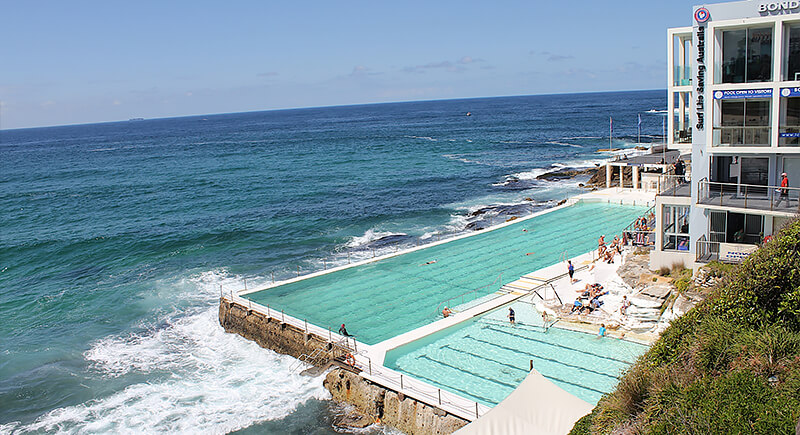
If you want to swim in one of the most recognizable ocean pools, Bondi Icebergs is open year-round for a small entrance fee. The fee covers access to the lap pool, the children’s pool, and the changing rooms. Winter swimmers founded the club in 1929 and still follow strict participation rules.
Porto De Galinhas Pools – Pernambuco, Brazil
Credit: Wikipedia
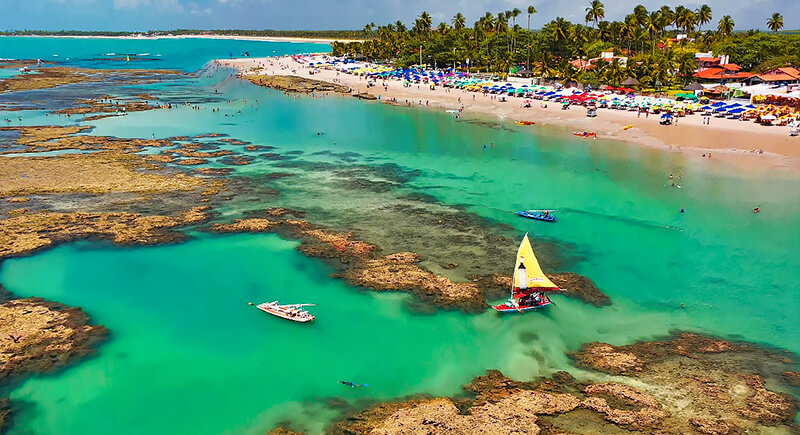
Low tide in the Porto De Galinhas reveals calm reef pools just offshore, and local boat operators ferry visitors using jangadas. These small sailing boats remain part of the region’s working tradition, and many families rely on them for tours. The pools stay shallow enough for relaxed snorkeling around coral formations. People usually visit for an hour before the tide rises again.
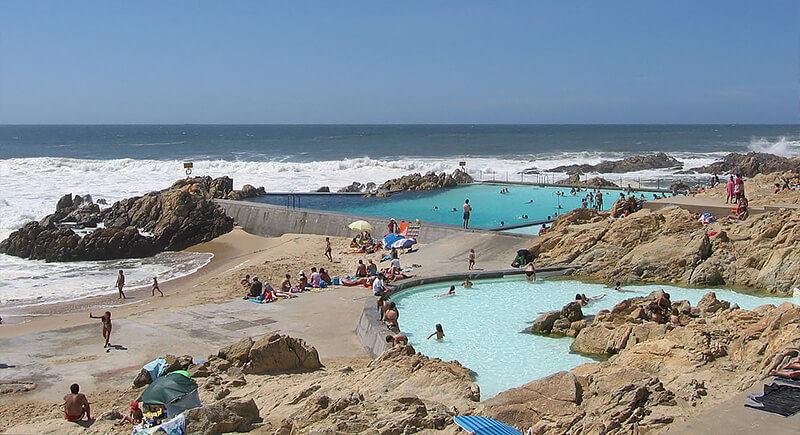
Piscinas Das Marés – Leça Da Palmeira, Portugal
Credit: Wikimedia Commons
Architect Álvaro Siza Vieira designed these pools in the 1960s, and they were later designated as a national monument. The layout combines concrete forms with the uneven volcanic shoreline. Two tide-fed basins are replenished by openings hidden beneath the surface. They operate during the summer months, with lifeguards on duty and a small café nearby.
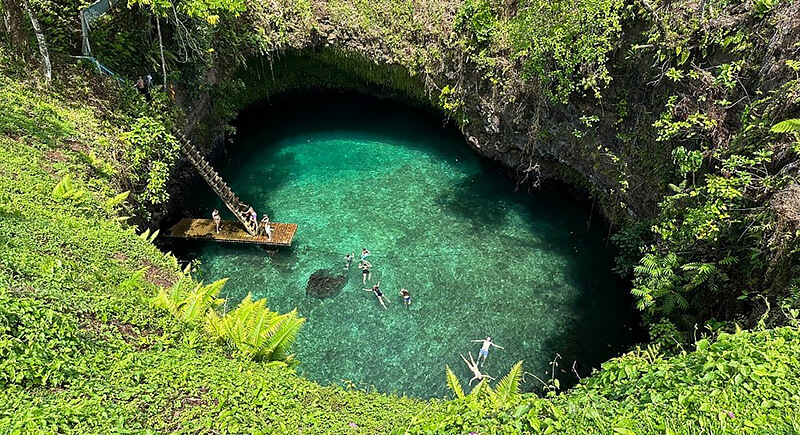
To Sua Ocean Trench – ‘Upolu, Samoa
Credit: Tripadvisor
To Sua drops about 100 feet into clear, green water fed through an underwater lava tunnel. The long wooden ladder brings visitors to a floating platform, though some prefer to climb down the final section by rope. The trench connects to the Pacific, so small shifts in water level appear throughout the day. Picnic areas and gardens sit above the rim.
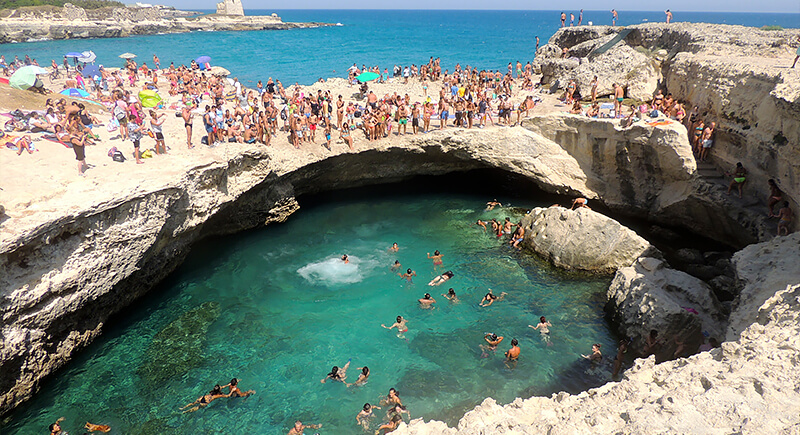
Grotta Della Poesia – Salento, Italy
Credit: Wikimedia Commons
Grotta della Poesia attracts swimmers from everywhere due to its natural limestone sinkhole and open connection to the Adriatic. Many jump from the ledges into deep, clear water, then swim through a rock arch toward the sea. A nearby cave also holds ancient inscriptions that drew archaeological interest.
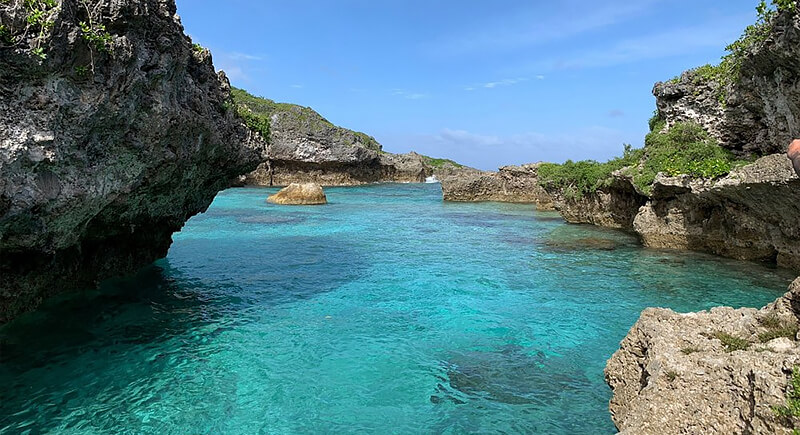
Limu Pools – Niue
Credit: Tripadvisor
A shaded staircase leads to these clear pools on Niue’s north coast. Coral walls form natural boundaries, and fish move through connecting channels. Visitors often snorkel since the water stays bright and calm. The area is mostly undeveloped, which keeps the crowds to a minimum.
Queen’s Baths – Eleuthera, Bahamas
Credit: Tripadvisor
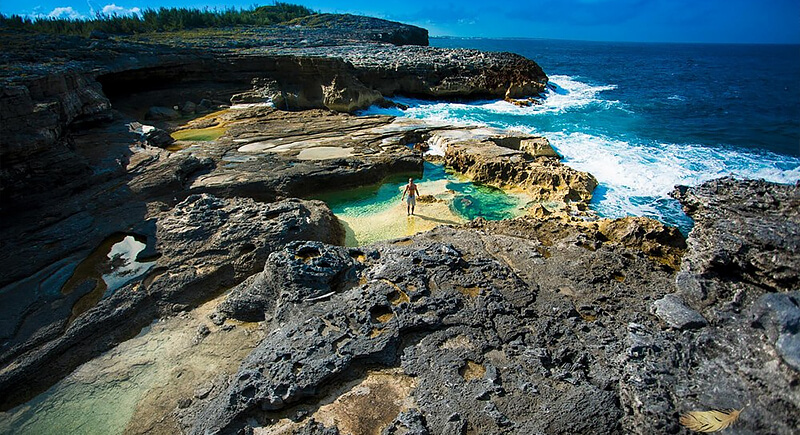
Climbing the rocky slope along Eleuthera’s coast leads to Queen’s Baths, a cluster of shallow pools warmed by the sun. These basins were formed in natural rock right above the Atlantic, and they fill and drain with the tide. Low or medium tide offers the best conditions for soaking and exploring. High tide can bring rough surf into the area.
Sea Point Pavilion – Cape Town, South Africa
Credit: Wikimedia Commons
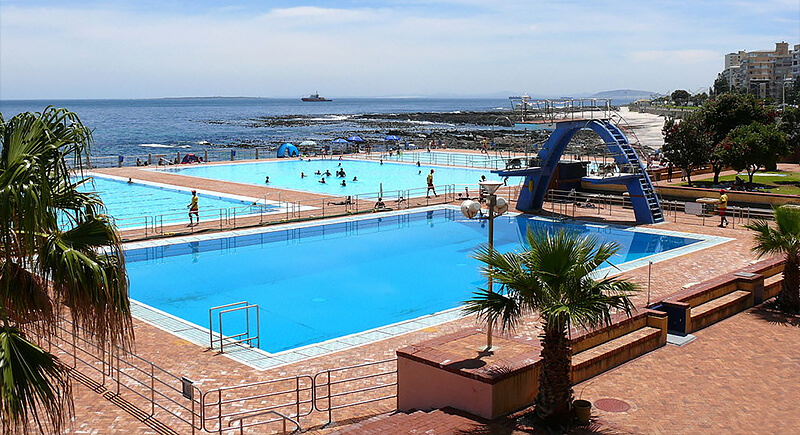
This site stays active throughout Cape Town’s long summer and offers four saltwater pools fed in part by direct seawater intake. Separate areas are available for lap swimmers, divers, and young children. Vendors nearby sell cold drinks and snacks, and many individuals stay on the lawn to watch waves break just beyond the wall.