The Most Terrifying Rules Imposed In North Korea
Most of what we know about North Korea does not come through open reporting or official transparency. Information reaches the outside world in fragments, usually carried by defectors, foreign investigators, satellite analysis, and occasional state broadcasts. They describe a rigid system built around loyalty to the Kim family, reinforced by strict regulation of daily life.
State-Controlled Hairstyles
Credit: Wikimedia Commons
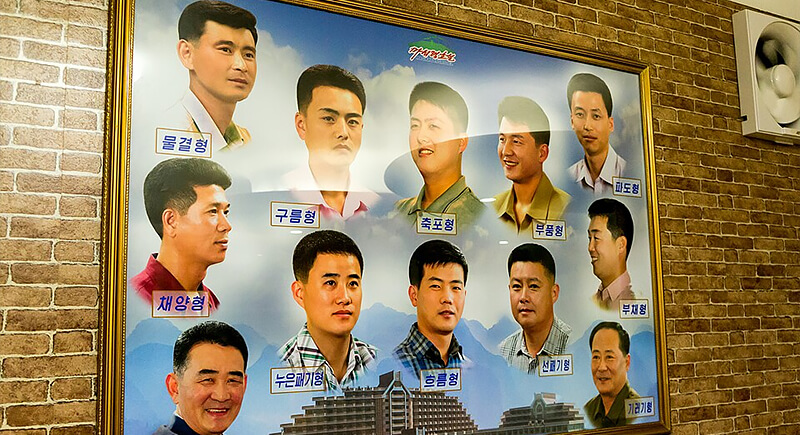
In 2013, authorities released a guide to approved hairstyles. Men received 10 options, and women received eighteen. The regime limits men’s hair to five centimeters, with a small extension allowed for men over 60. Young men must cut their hair every 15 days to remain compliant.
Western Fashion Crackdowns
Credit: Reddit
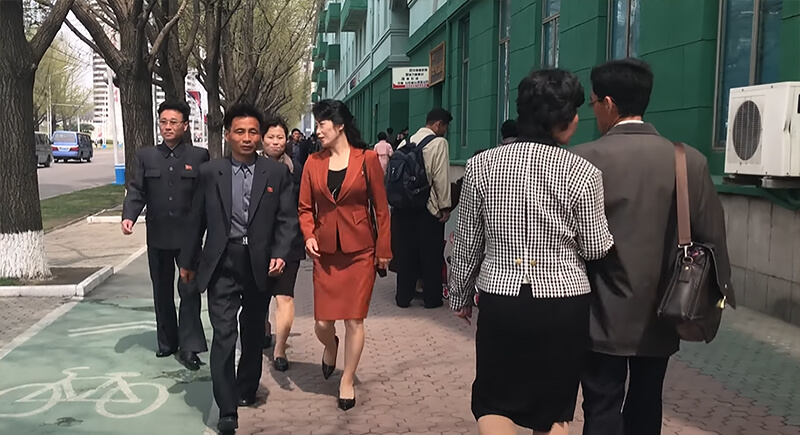
Clothing carries ideological meaning in North Korea. For this reason, Kim Jong-un ordered a crackdown on Western fashion trends, including denim jeans, because they believed that jeans symbolize American capitalism and cultural influence.
Enforced Mourning Periods
Credit: Wikimedia Commons
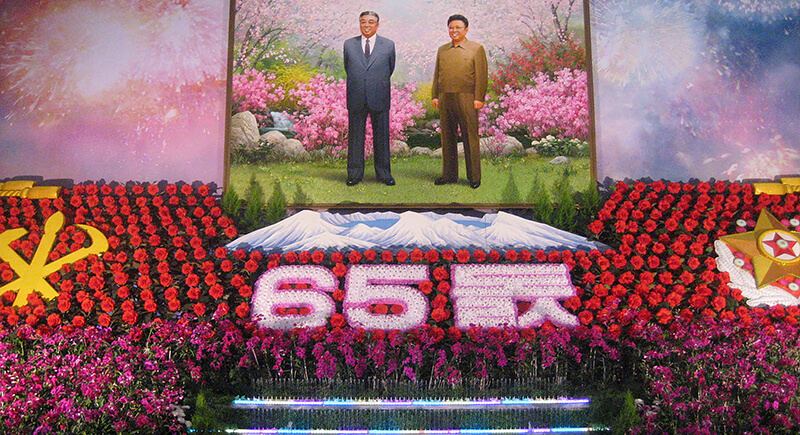
During the 10th anniversary of Kim Jong-il’s passing, authorities reportedly imposed an 11-day ban on laughter, drinking, and leisure activities. Kim Jong-il ruled before his son, Kim Jong-un, which is why the leadership treats the anniversary of his death as a solemn national event. Each year, July 8 carries similar restrictions tied to the death anniversary of Kim Il-sung, North Korea’s founding leader and Kim Jong-il’s father.
Speech and Sarcasm as Threats
Credit: Wikimedia Commons
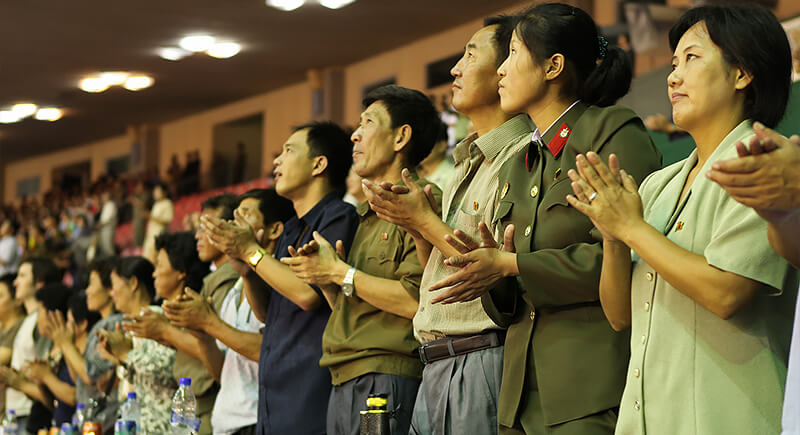
If you are caught using sarcasm about the government, you can face some serious consequences. Your comment may be interpreted as a hostile intent or an act of political violence. Punishment can include detention in a political prison camp. In certain cases, relatives may also face penalties under collective punishment policies.
International Calls and Surveillance
Credit: Wikimedia Commons
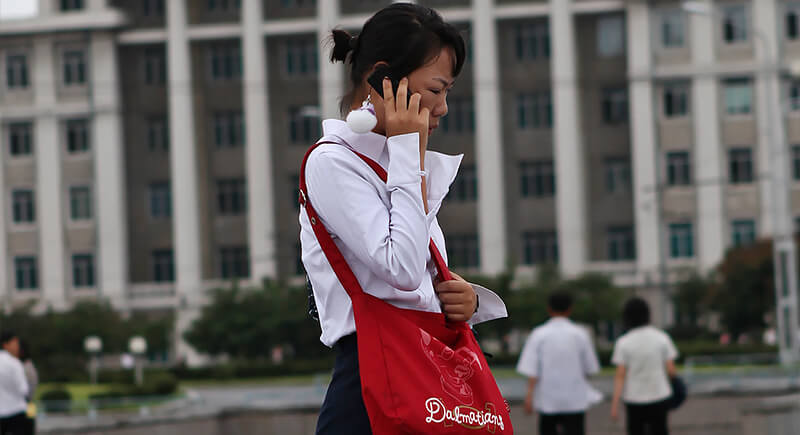
North Korea operates a domestic mobile network, Koryolink, that blocks international calls. You will find signal jammers installed near borders to prevent outside communication. Surveys estimate that many households own at least one mobile phone, but making an unauthorized international call can lead to capital punishment.
A Closed Intranet System
Credit: Wikimedia Commons
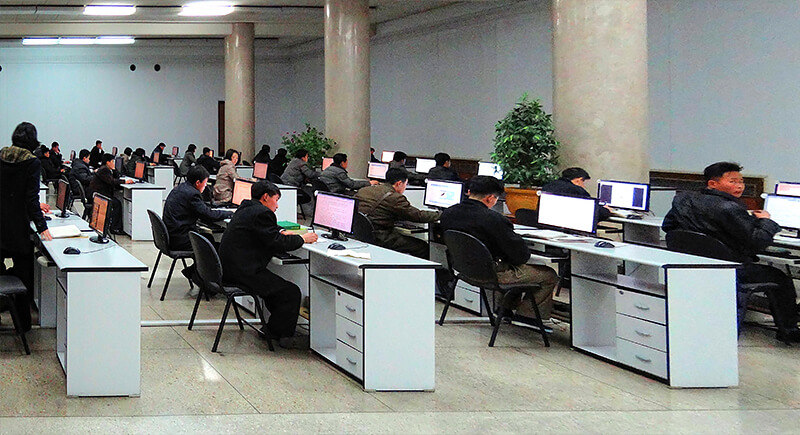
You probably use the internet for a number of things, like watching a short clip or reading the breaking news. However, North Korean citizens cannot do that since the national leadership provides an internal network called Kwangmyong instead. Reports in 2014 said it offered about 5,500 approved websites, all of which are closely monitored.
Assigned Careers for Life
Credit: Wikimedia Commons
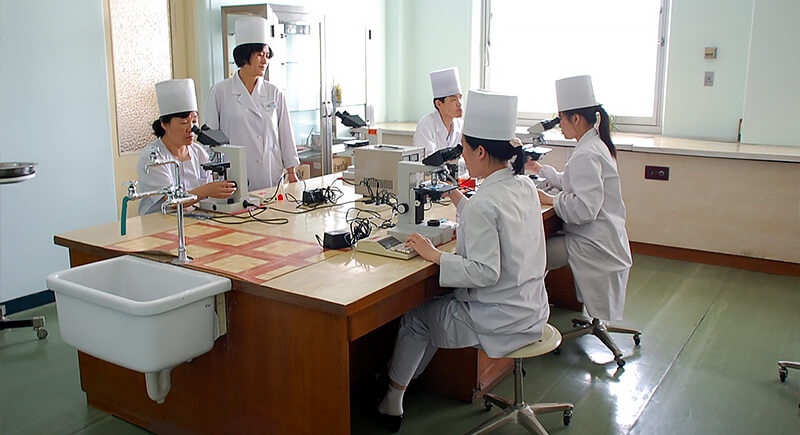
Imagine being stuck in a job you never chose, knowing you cannot easily leave it. In North Korea, students do not select their professions after graduation. The people in charge study labor demands and assign each graduate a position and location. You cannot even transfer once placement becomes official.
Housing Without Ownership
Credit: Wikimedia Commons
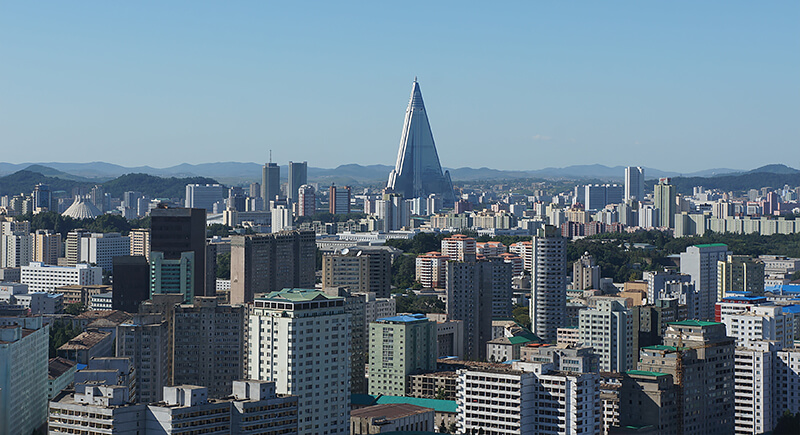
The government owns every building in the country. Citizens do not buy homes or hold traditional property rights. The state assigns housing and must approve any move to Pyongyang. These restrictions led residents to create a workaround. After 2000, people began using residency certificates called ipsajung to transfer occupancy outside the law.
Religion as Disloyalty
Credit: Wikimedia Commons
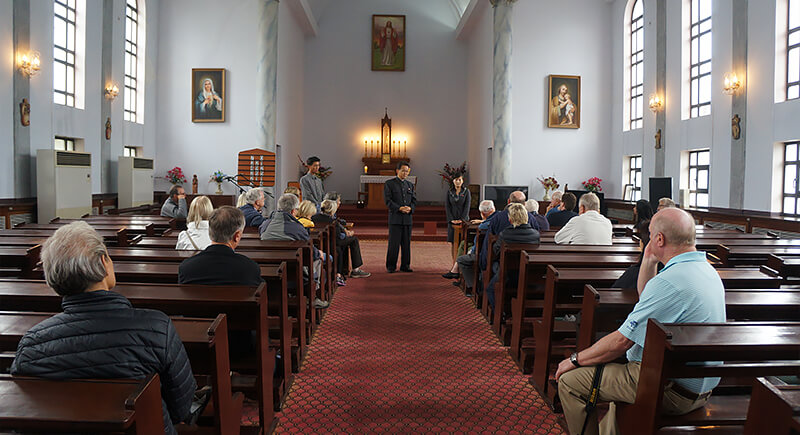
An American citizen received five months in prison for leaving a Bible in a restaurant restroom in North Korea. Government officials treated the act as a serious offense because the country defines itself as an atheist state and views independent religious belief as competing loyalty. Churches exist in Pyongyang, but access to them is controlled.
Three-Generation Punishment Policy
Credit: Canva
The “three-generation sentence” enforces collective responsibility for political crimes. If officers accuse someone of wrongdoing, they can imprison parents, children, and grandparents. In addition to that, children born inside prison grow up there because their bloodline is considered tainted. This policy began after World War II to eliminate rebel lineage.