17 New Travel Regulations in 2026 That Could Ruin Your Vacation
You might have your hotels locked in and your flights on time, but 2026 is shaping up to be the kind of year where one missed detail can mess up an entire trip. Countries are tightening entry rules, airlines are adding fees, and cruise ports are capping visitors.
All of this could impact your travel plans–unless you’re already prepared.
Advance Approval to Enter
Credit: Canva
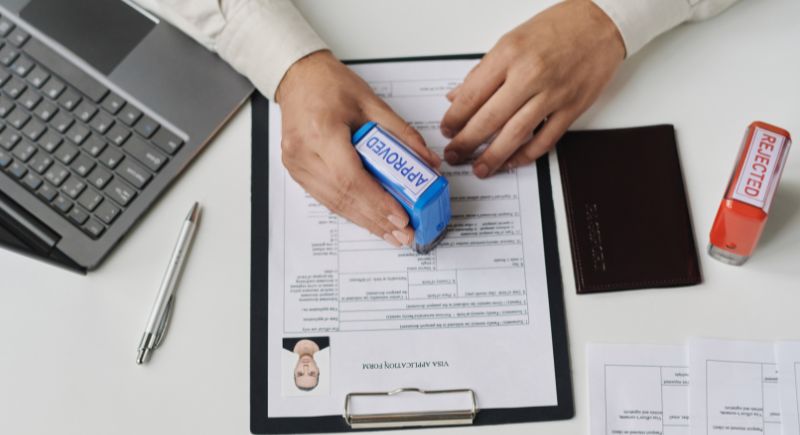
The UK’s Electronic Travel Authorisation (ETA) is now fully mandatory for all visa-exempt visitors. As of April 8, 2026, the application fee has increased to £20. Airlines now enforce a strict “no ETA, no boarding” policy, and since the authorization is linked digitally to your passport, showing up at the airport without approval means you aren’t flying.
New Paperwork and Fees

Credit: Canva
Entering Europe gets more complex in late 2026 with the ETIAS launch. Travelers from visa-exempt countries must apply online and pay a €20 fee (for ages 18–70) before visiting the Schengen Area. While the authorization lasts three years, it is separate from the biometric EES checks now required at all European border crossings.
Real ID Deadline
Credit: Getty Images
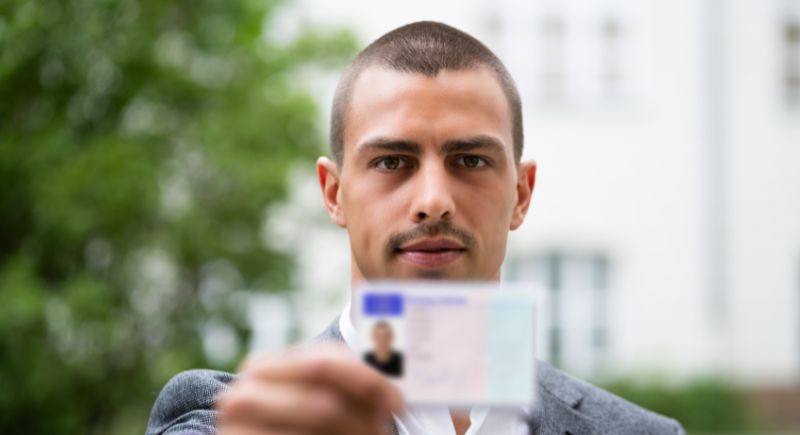
The star on your license is now mandatory. Since the May 2025 deadline passed, TSA requires REAL ID-compliant identification for all domestic flights. If you lack one, you must present a passport or pay a $45 fee for the “TSA ConfirmID” verification process, which does not guarantee you’ll be cleared to fly.
Tourist Fee Schedule
Credit: pexels
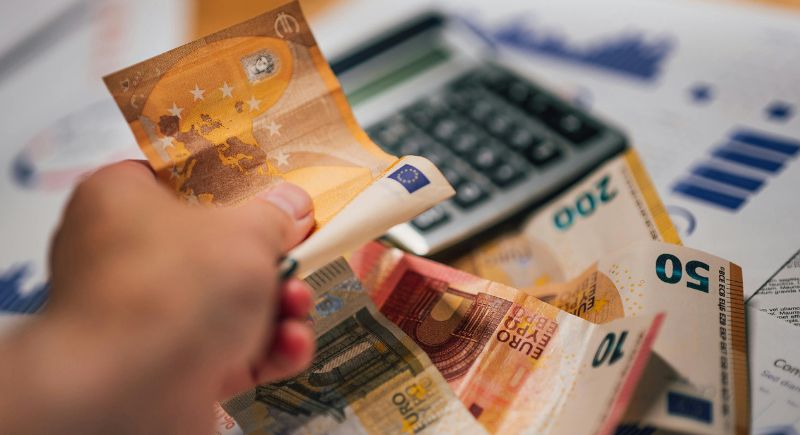
Venice has expanded its “access fee” to 60 peak days in 2026. The charge is now tiered: it costs €5 if you book at least four days in advance, but jumps to €10 for last-minute visitors. Overnight guests are still exempt but must now register for a digital QR code to prove their status.
Cruise Passenger Charges
Credit: Canva
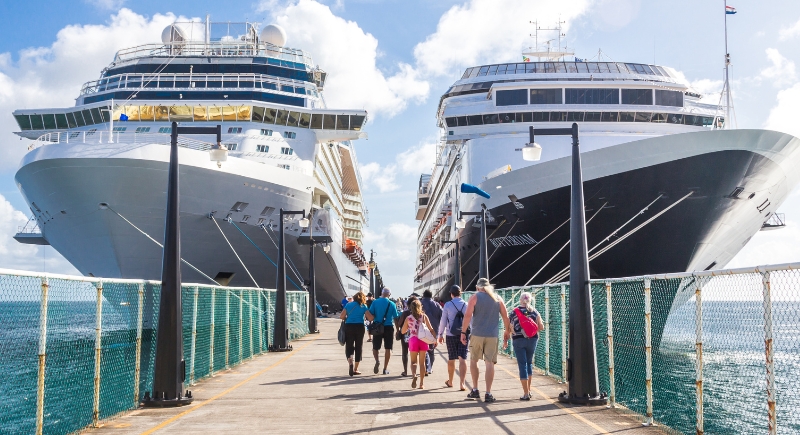
Beginning in 2026, Greece has tiered its cruise levy by season. During the “summer rush” (June–September), the fee is €20 for Santorini and Mykonos and €5 for other ports. However, travelers in the shoulder months (April, May, and October) now pay a reduced €12 for the popular islands and €3 elsewhere.
Cruise Tax

Credit: Getty Images
Cruisers headed to Mexico will notice a higher immigration tax added to their plans this season. The fee has officially stepped up to $10 per person as part of a phased rollout. It applies to all passengers on international ships stopping at Mexican ports like Cozumel or Cabo, regardless of whether you actually step off the ship.
Addition of Fees to Basic Economy
Credit: flickr
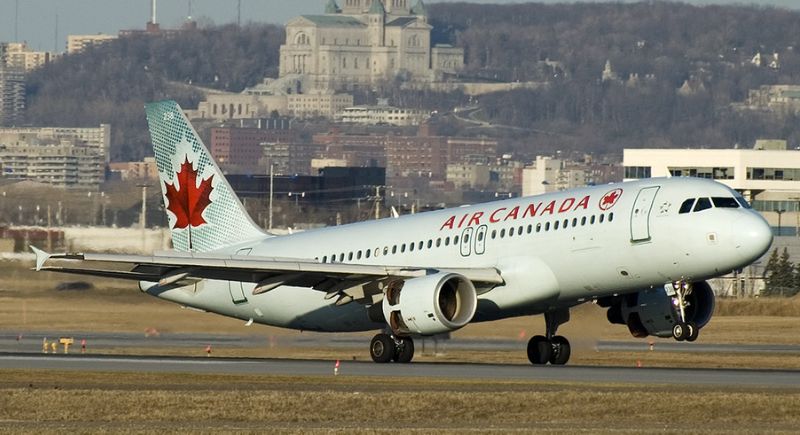
That Basic Economy ticket might feel like a steal until you account for the extras. As of April 2026, major carriers like Air Canada have hiked checked bag fees to a standard $45 for the first bag. Most ultra-low-cost fares now also exclude carry-ons entirely; bringing an unbooked bag to the gate can result in fees as high as $65.
An End to Open Seating

Credit: Getty Images
The era of the “Southwest scramble” is over. As of early 2026, the airline has fully transitioned to assigned seating. More significantly for your wallet, they have ended their famous “bags fly free” era for their lowest fares, introducing a $45 checked bag fee for new bookings made after April 9, 2026.
Digital-Only for Boarding
Credit: Getty Images
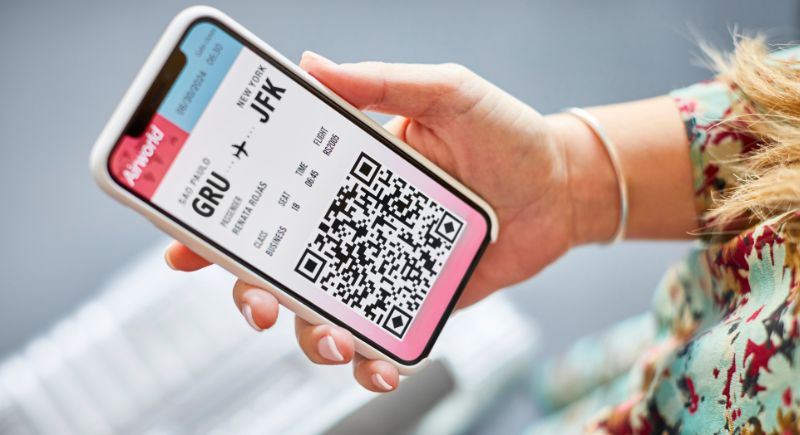
Old habits won’t cut it on Ryanair anymore; the airline has moved to 100% digital boarding passes. You must check in via the app to avoid steep airport fees. Interestingly, if your phone dies at the airport, they will now print a pass for free but only if you completed that digital check-in beforehand. No app, no entry.
Face Scan Rules

Credit: Canva
It’s a major tech update meant to better enforce stay limits and monitor who’s coming and going. For travelers used to breezing through border control, this new process can feel like a slowdown. But it’s here, it’s expanding, and it’s not optional. The best you can do is allow for some extra time and be ready for more detailed screening.
Cruise Routes Limits

Credit: Canva
Svalbard is making changes that will reshape Arctic cruises. Ships carrying more than 200 people can no longer access certain nature reserves, and closer wildlife encounters are off the table. There’s also a cap on how near you can get to animals like polar bears and walruses. These limits may dull the adventure, but they’re a necessary check on growing traffic.
Cruise Visitor Caps

Credit: pexels
Overcrowding is finally hitting a breaking point in ports like Santorini and Bar Harbor. New rules are limiting how many cruise passengers can come ashore each day. Venice is continuing to redirect large ships to industrial docks. Your stop may still happen, just with tighter limits or shifted hours.
Airport Security Tech Update
Credit: Reddit
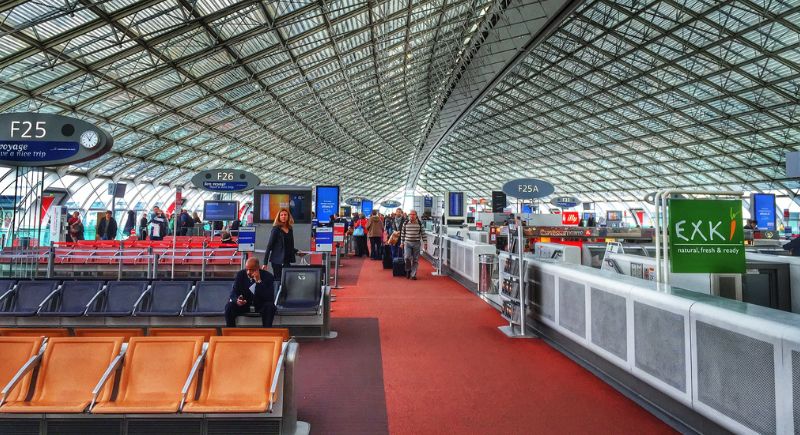
Paris airports are rolling out new scanners that can peek inside carry-ons without you unloading electronics, but the transition is uneven. Despite the tech upgrade, security agents still officially require most travelers to remove laptops and liquids unless they are in a specifically marked “Smart Lane.” Don’t pack your tech at the bottom of your bag just yet.
Smart Bags and Biometric Boarding
Credit: Instagram
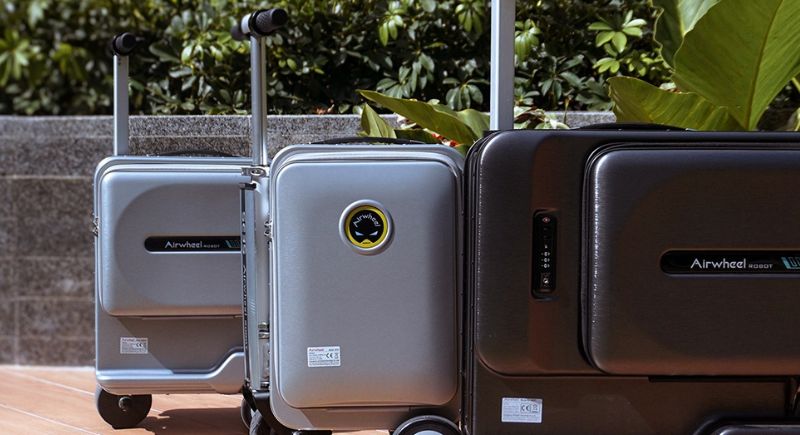
Luggage that tells you where it is, and gates that let you through with a face scan; it all sounds great, until you hit a snag. Some airlines won’t let you check smart bags unless the battery can be removed, and biometric gates don’t always work with every passport or terminal. The tech is evolving fast, but travelers still need to double-check what’s supported.
Passenger Protections
Credit: Getty Images
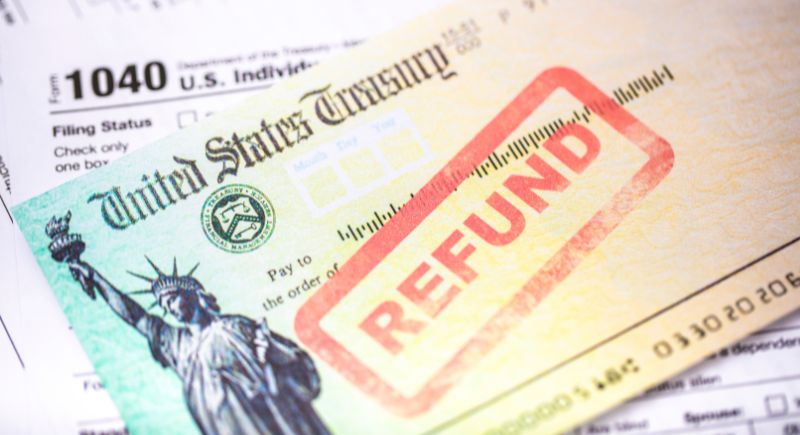
You no longer have to chase airlines for a refund when your flight gets canceled or delayed beyond a certain window. New DOT rules require automatic refunds for major disruptions and services that don’t deliver, like in-flight Wi-Fi or lost baggage. The changes also include a 24/7 live customer service requirement.
Biometric Exit Monitoring

Credit: Wikimedia Commons
Facial recognition has officially replaced the passport stamp. As of April 10, 2026, the EU’s Entry/Exit System (EES) is fully operational across 29 countries, tracking every movement via biometric data. While designed for efficiency, any digital mismatch between your live photo and your passport can trigger manual screenings that may cause you to miss your flight.
Thailand Entry Levy
Credit: iStockphoto
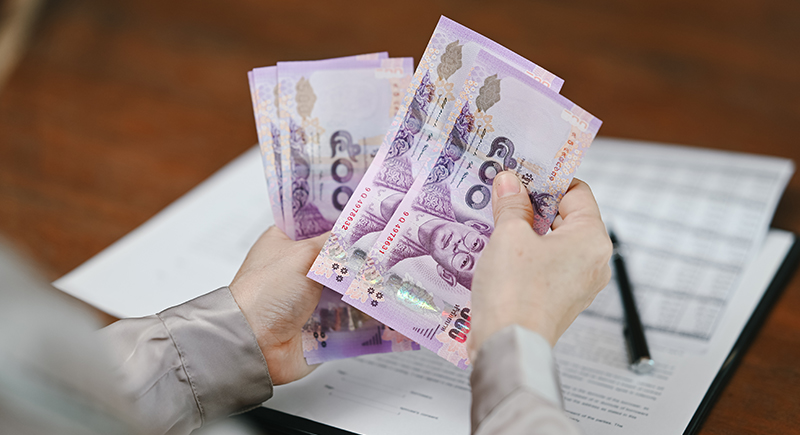
Thailand’s 300-baht ($9) entry fee is no longer a proposal; it is now officially in effect for all air arrivals as of 2026. This “landing fee” includes a silver lining: a portion of the payment automatically provides you with basic medical and accident insurance during your stay. The fee is typically collected through your airline or at the airport.