8 Most Hospitable Retirement Towns in New Mexico
Retirement towns succeed for practical reasons. Daily errands are short, healthcare doesn’t require advance planning, and social contact happens naturally instead of feeling scheduled. In New Mexico, a handful of towns meet those needs in different ways, shaped by geography, cost, and how residents actually spend their days rather than how the places are marketed.
Los Alamos
Credit: Getty Images
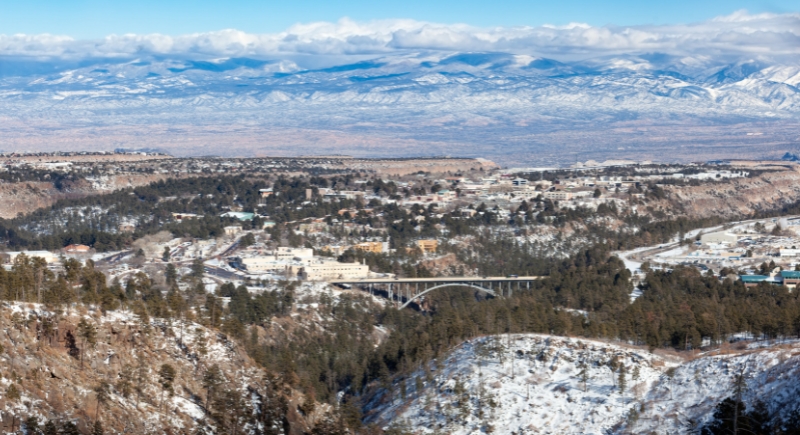
Life in Los Alamos runs on routine, as many retirees come from scientific or technical backgrounds and appreciate how organized the town feels. Trails start close to residential areas, daily services are compact, and the local medical center handles regular care. Santa Fe is just under an hour away, which helps cover needs that the town itself doesn’t.
Silver City
Credit: Wikimedia Commons
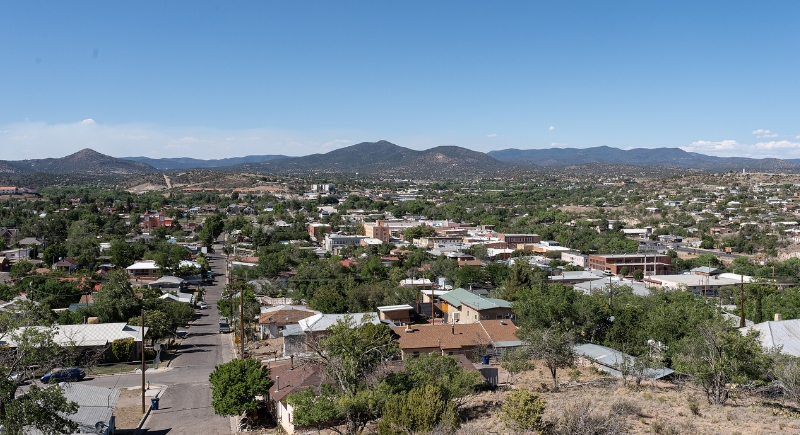
Most retirees in Silver City organize their days around a compact downtown rather than formal programs. Coffee shops, the post office, galleries, and the library are close enough that errands turn into conversations. Western New Mexico University provides residents with a convenient place to drop by without needing to commit their calendars weeks in advance.
Taos

Credit: Canva
Life in Taos often revolves around long-standing arts groups and volunteer organizations rather than a packed social calendar. Some retirees get involved with groups like Taos Elders and Neighbors Together, while others take occasional classes or help out at music events. Participation tends to be informal, steady, and shaped by existing community values.
Ruidoso
Credit: Getty Images
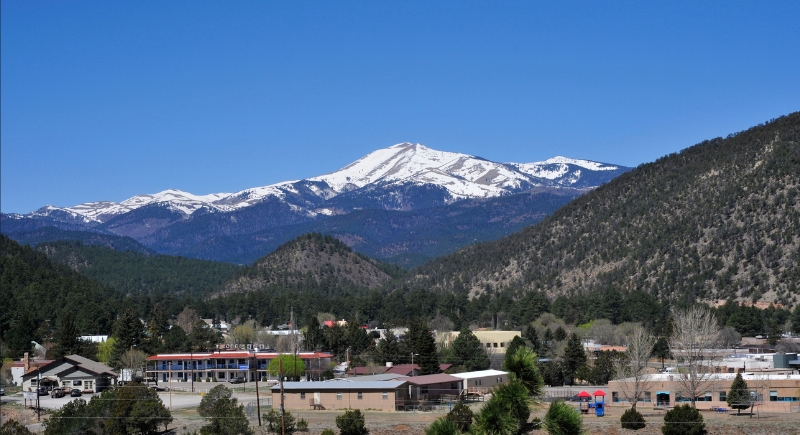
Days in Ruidoso are shaped by a few reliable places rather than constant options. Retirees often return to the same library programs, community center activities, or informal meetups. Some volunteer nearby or spend time outdoors, while others keep their routines simple and familiar.
Mesilla
Credit: Youtube
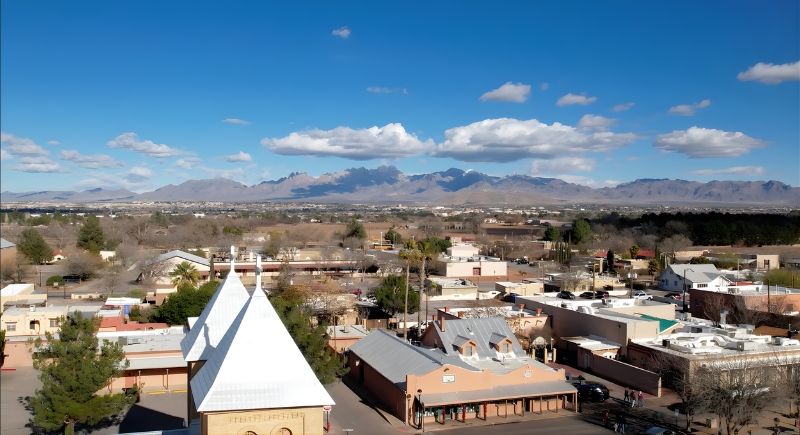
Everything in Mesilla revolves around the plaza, whether that’s the plan or not. Most homes, shops, and galleries are situated close enough that people often run into each other without trying. Retirees often get pulled into things simply by being present.
Alamogordo
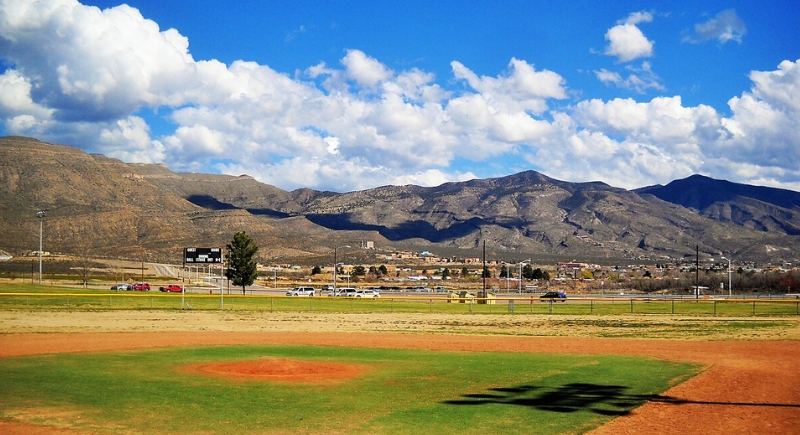
Credit: Wikimedia Commons
Cost tends to be the first thing people notice here as housing remains lower than much of the state, which shapes who stays long-term. Days revolve around short drives and predictable schedules. White Sands National Park is close enough for spontaneous outings, while local museums and the senior center fill gaps without demanding much commitment.
Cloudcroft
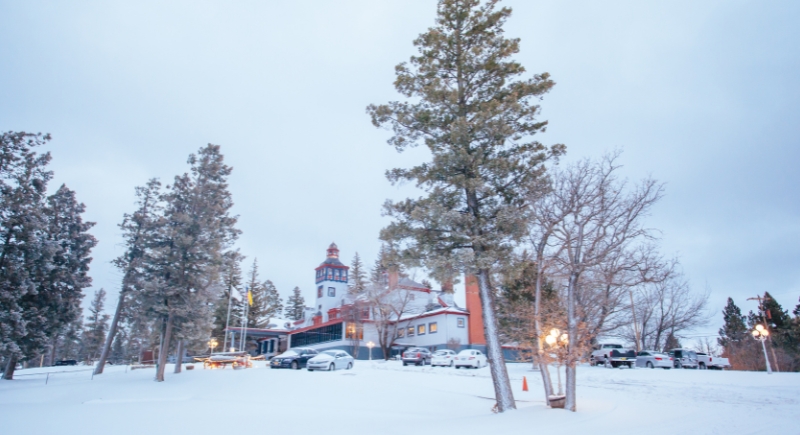
Credit: Canva
Even in summer, Cloudcroft’s mornings stay cool enough for a jacket, and winter brings real snow that changes how the town functions. After tourist season tapers off, days get quieter. Retirees spend time in small groups indoors, rotating between card games, art circles, and shared meals, though medical appointments require some advance planning.
Raton
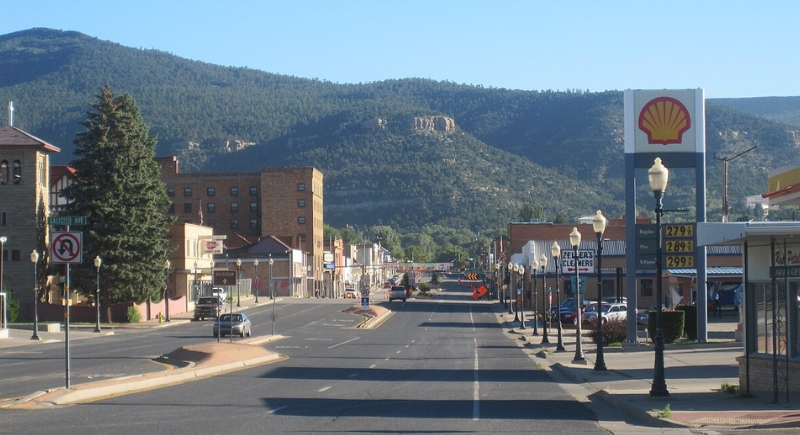
Credit: Wikimedia Commons
Errands in Raton take longer than newcomers expect, not because of traffic but because everything is spread out. Most retirees fall into familiar patterns through the senior center, nearby parks, and local events that return each year. Grocery shopping, appointments, and hardware runs are often bundled into a single trip.
Corrales

Credit: Wikimedia Commons
In Corrales, farms and open land are part of the landscape despite proximity to Albuquerque. Most days are quiet and predictable, without feeling cut off, as development moves slowly and traffic stays light. When specialized medical care or shopping is needed, Albuquerque is close enough to handle it in one trip.
Sandia Heights
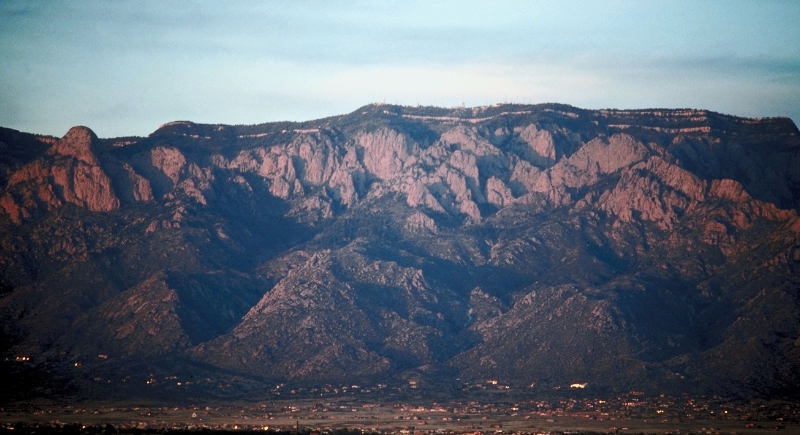
Credit: Photo Images
Most days in Sandia Heights are peaceful. Streets are well maintained, services are reliable, and the area changes slowly, which gives long-term residents a sense of continuity that’s hard to replicate elsewhere.