The High Cost of Convenience and Why You Should Never Pay in Dollars Abroad
When a card machine abroad shows the price in U.S. dollars, it may feel like a helpful shortcut because it saves you from converting currencies yourself. This is called dynamic currency conversion.
The problem is that this “convenience” usually comes at a cost. The exchange rate is set by the merchant, ATM operator, or payment processor, not your bank. That rate often includes extra markups, which means you end up paying more than you would if your bank handled the conversion.
So even though paying in dollars looks simpler, it is usually the more expensive option. In most cases, choosing the local currency is cheaper because your bank applies a more competitive exchange rate.
The Dollar Price Is Not A Favor

Credit: pexels
Paying in dollars on a foreign card reader looks easy because it removes the math. This service is called dynamic currency conversion. The merchant, ATM owner, or DCC provider applies the conversion before your bank does, which usually means extra fees or markups that may be built into the rate.
Let The Local Currency Do Its Job
Credit: pexels
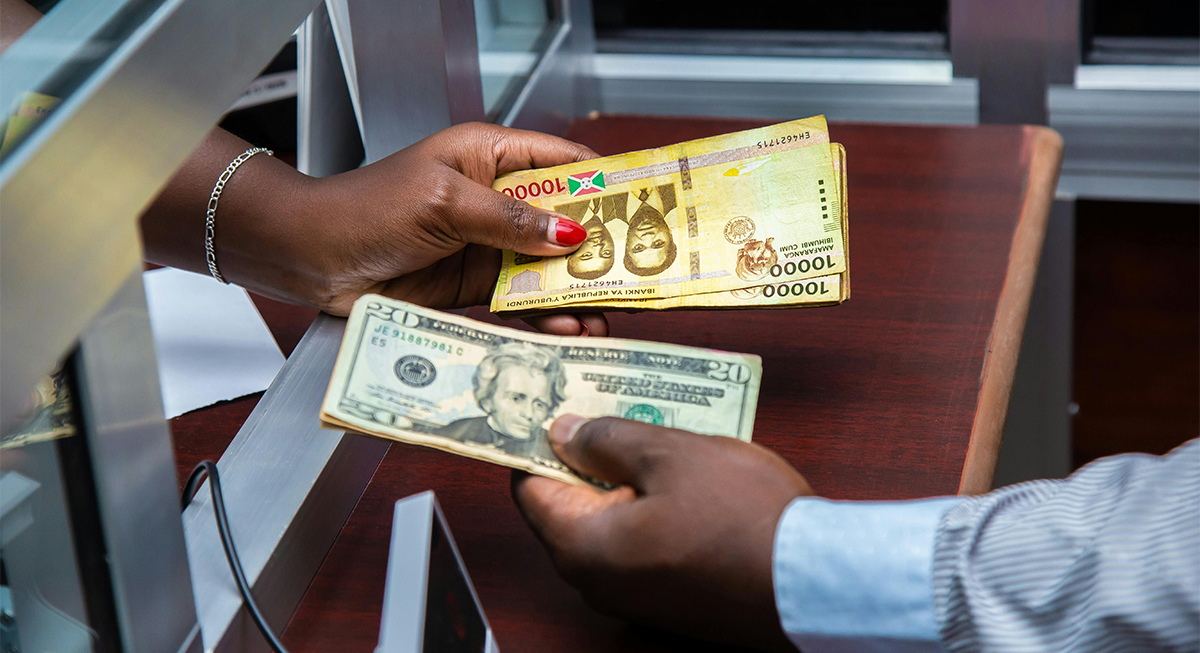
When you pay in euros, pounds, or yen, your card will automatically convert the amount to your home currency later on your statement. This is usually cheaper than accepting the shop’s offer to convert it instantly to dollars. Choosing the local currency lets your bank handle the exchange rate, which often means lower overall costs and fewer hidden fees.
ATM Wording Deserves A Second Look
Credit: Wikimedia Commons
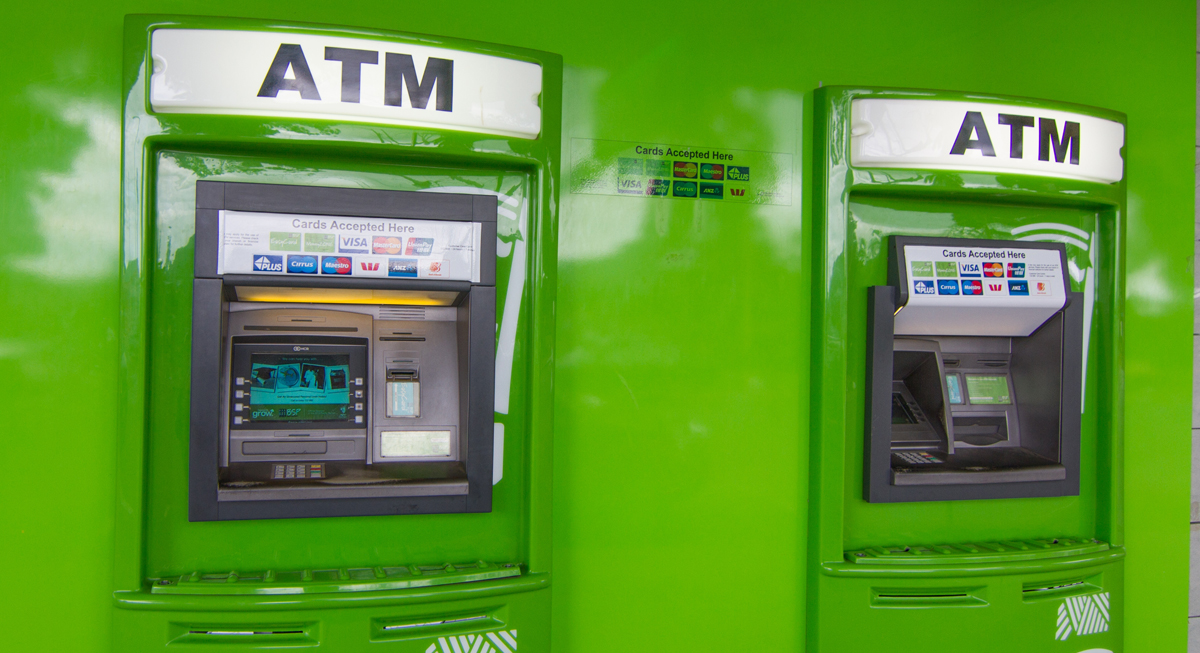
Foreign ATMs use confusing screens. Choosing “accept conversion” looks safe, but it may trigger extra fees or markups. Declining the machine’s conversion does not cancel your cash withdrawal. It simply processes the transaction in the local currency, which usually saves money. Travelers should read the full screen carefully before pressing any button. The best choice is often the option that sounds the least comforting to a tired tourist.
No-Fee Cards Still Need Good Decisions
Credit: Wikimedia Commons
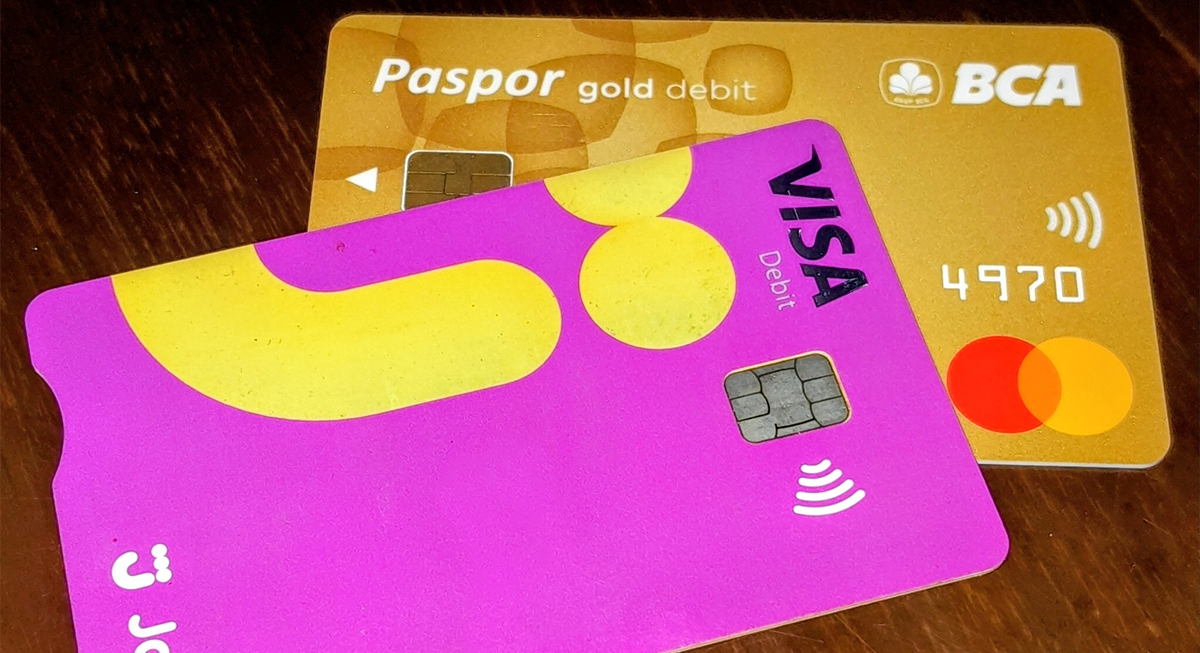
A no-fee card helps abroad, but it cannot fix every checkout choice. The perk removes the fee from your bank. It does not stop a hotel or ATM from offering DCC. Travelers must still reject the dollar conversion when it appears on the screen. The card matters before the trip. However, the currency choice matters at the counter, right when the bill is waiting for approval overseas.
Large Purchases Make Small Markups Matter

Credit: pexels
A bad exchange rate barely registers on bottled water, but it hurts on hotel stays, rental cars, and luxury purchases. A small percentage fee on a large bill adds up fast. Front desk staff may rush through payment screens, so it’s smart to ask for local currency before signing. Take your time with expensive purchases, because convenience fees grow much larger when travel bills start high.
Receipts Are Worth Keeping
Credit: pexels
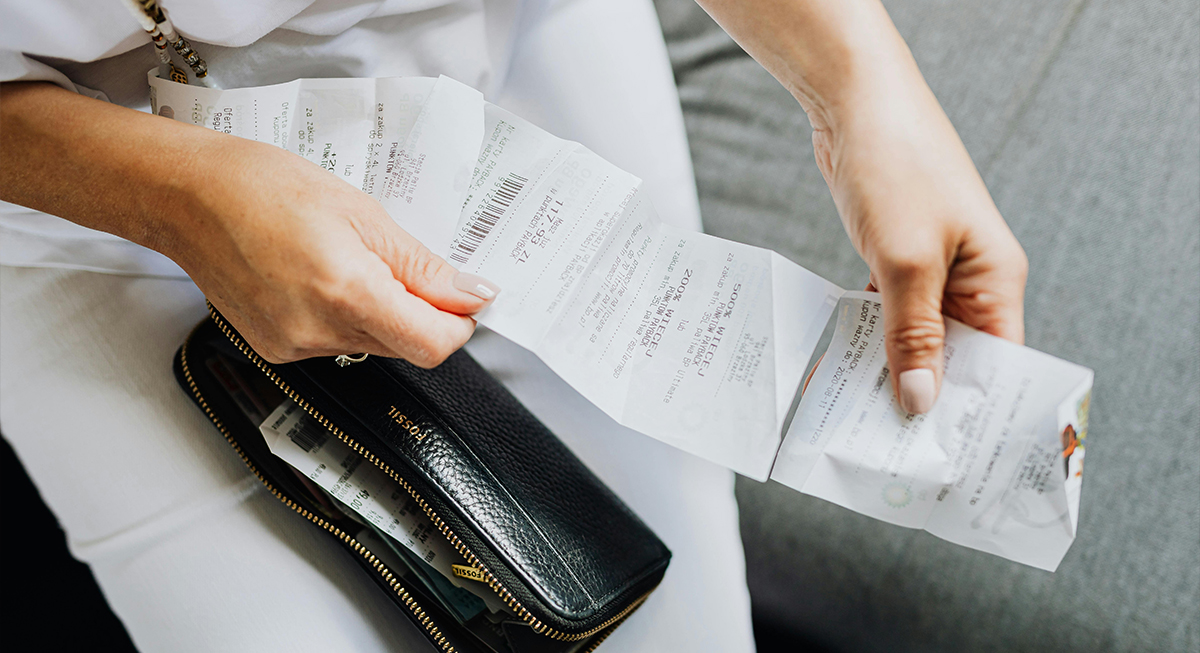
Receipts explain exactly what was paid at checkout. It shows the chosen currency, the exchange rate, and the final total. This information helps if your credit card bill looks unexpectedly high later. Consider snapping a quick photo of hotel bills and big purchases. Nobody wants a wallet full of paper, but those pictures should clear up confusing charges once you get back home.
Kiosks Move Fast, So Slow Down
Credit: Wikimedia Commons
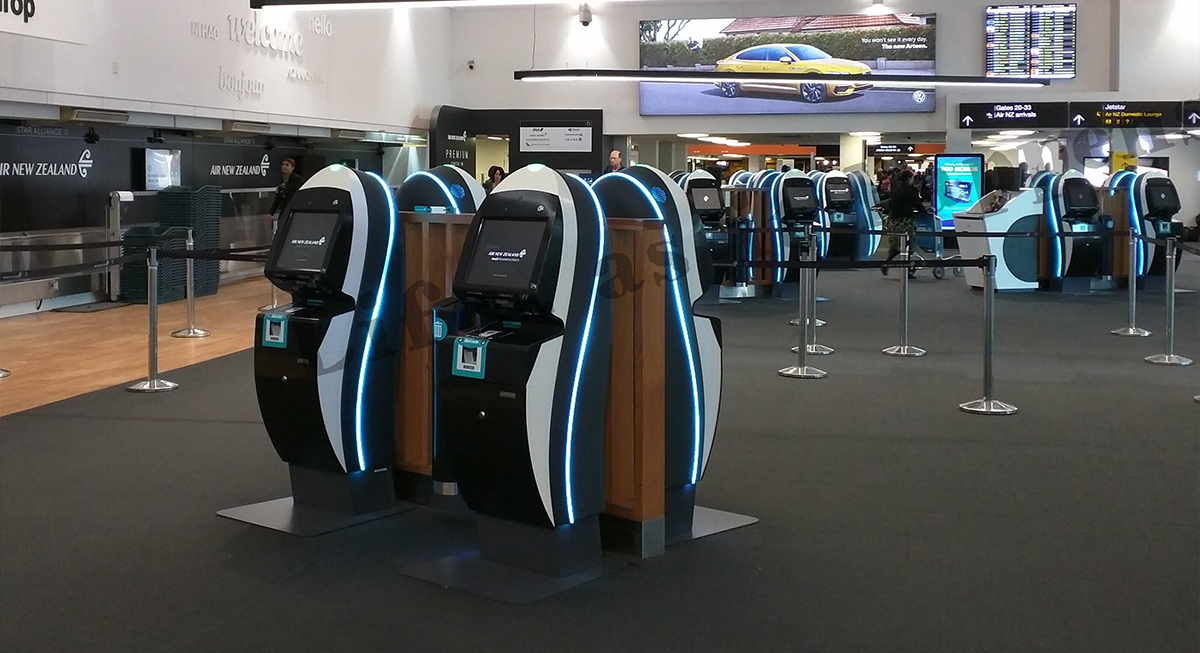
Airport kiosks, ticket machines, and self-checkout screens encourage quick payments. This fast pace makes it easy to overlook currency options. Before tapping your card, look closely for the selected currency line. The local option may be placed below the dollar offer or on a separate screen. Rushing through the checkout can accidentally lock in an expensive conversion.
Debit Cards Make You Feel The Heat
Credit: pexels
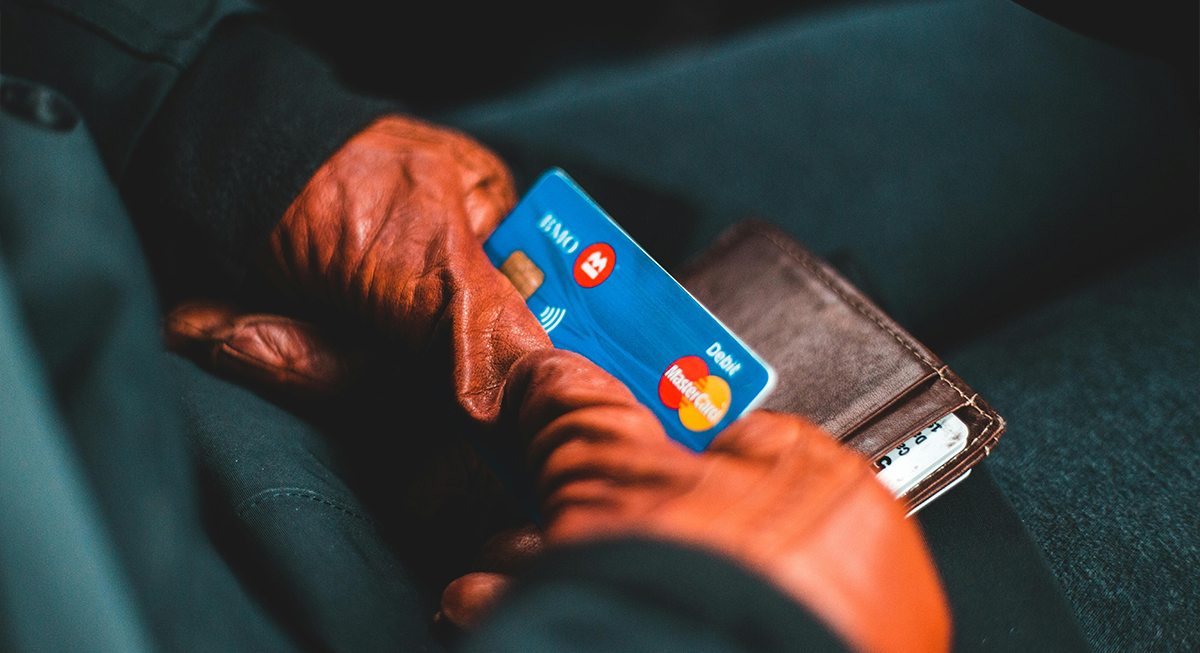
Credit card surprises arrive later, but debit card mistakes impact checking accounts instantly. ATMs also charge extra operator fees. Before traveling, check your bank’s international rules and daily withdrawal limits. At the machine, watch the conversion screen closely. Rejecting the automated dollar conversion should keep the transaction in the local currency. This choice allows your home bank or card network to handle the exchange rate.
Get a Currency App
Credit: Wikimedia Commons
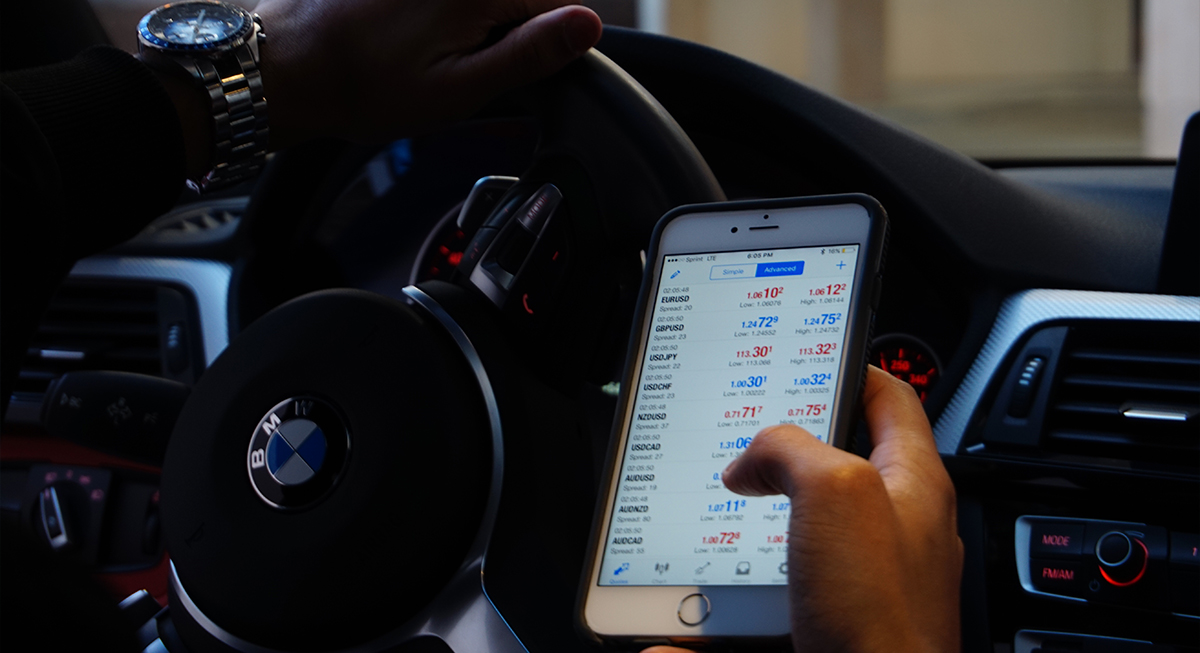
It’s more stressful to calculate exchange rates while waiting in line. A currency app gives a quick estimate before you pay. The numbers might not match your final bank statement exactly because rates change constantly and card issuers use different formulas. Even so, the app helps identify overpriced offers.
Say The Phrase Before The Card Reader Appears
Credit: pexels
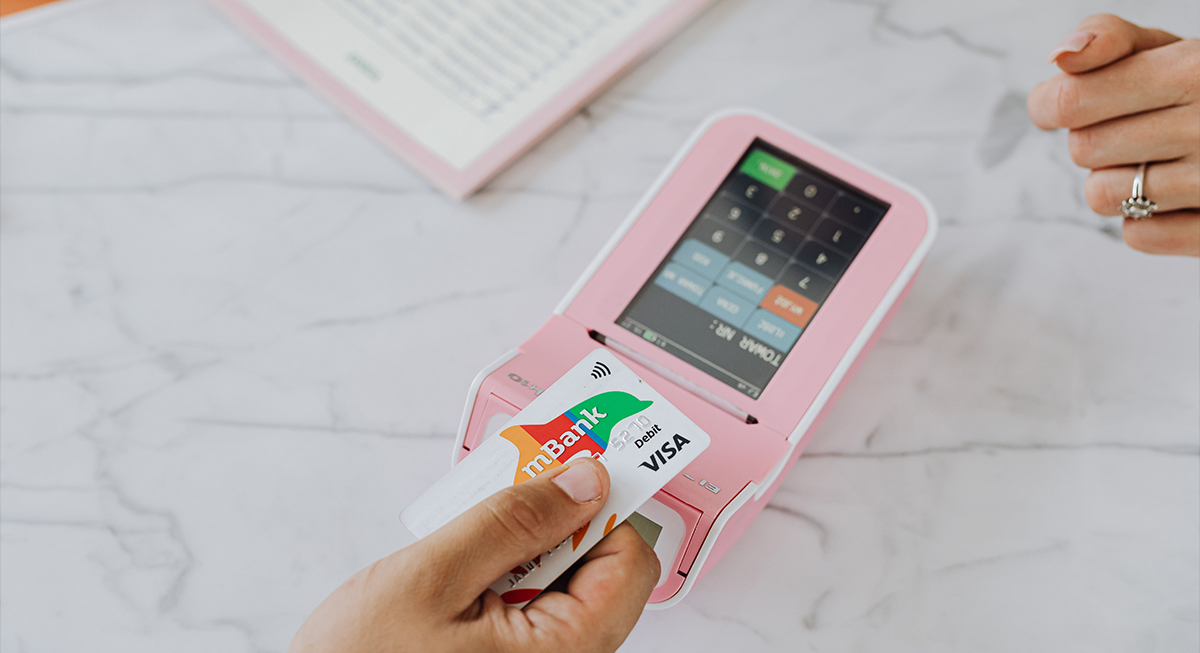
The easiest travel habit takes just three words: “Local currency, please.” Say this before the cashier turns the card reader over. It removes any guesswork when the payment screen appears and shows you your options. The interaction stays polite, the line moves quickly, and travelers avoid sneaky conversion fees. The money saved can go toward something fun.