Netherlands Approves Nationwide Fireworks Ban Starting 2026 to Protect Animals
In the spirit of celebrations, fireworks cause injuries, trigger animal panic, and leave behind significant environmental damage each year. Emergency rooms treat burns and eye trauma, animal shelters report spikes in missing pets, and cities face millions in cleanup costs after New Year’s Eve. Public concern over these recurring impacts has led to a nationwide policy decision that changes how the Netherlands approaches its most explosive tradition.
A Policy Shift Years In The Making
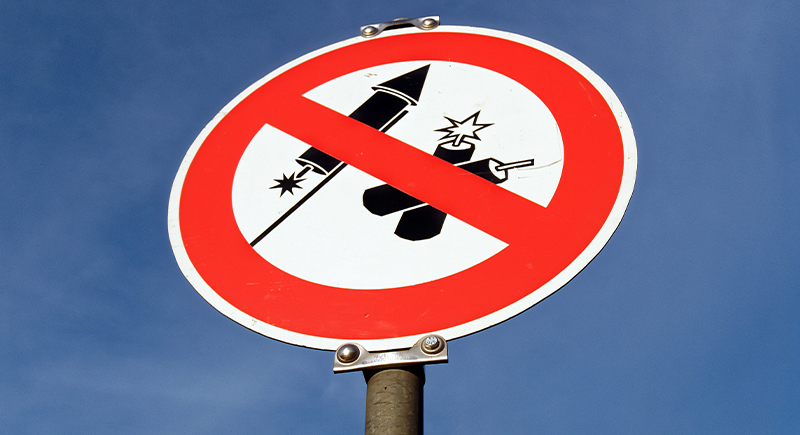
Image via iStockphoto/Karl-Friedrich Hohl
The Netherlands has approved a nationwide ban on consumer fireworks starting in 2026. Lawmakers backed the move after an extended debate. The vote followed earlier limits that already restricted fireworks use on most days of the year, leaving one explosive exception, and that exception has now closed.
The ban targets private sales and use by ordinary citizens. Professional displays remain legal under strict rules, allowing cities to host organized shows without turning neighborhoods into free-for-all launch zones. Officials built in lead time to prepare enforcement plans and manage economic fallout tied to fireworks suppliers.
Why Animals Became The Turning Point

Image via Getty Images/Firn
Animal welfare played a vital role in pushing the ban across the finish line as fireworks cause acute stress in pets, livestock, and wildlife. Dogs bolt or injure themselves while trying to escape loud noises, horses panic and break free from their fencing, and wild animals abandon their nests or flee into traffic. Veterinarians and rescue groups report predictable spikes in missing pets every New Year’s Eve.
Reducing that annual trauma was important to lawmakers and voters. Surveys showed that public support rose sharply once animal welfare concerns were introduced alongside human safety considerations. The ban reframed fireworks as a shared risk.
The Human Cost Behind The Celebration
The numbers helped seal the argument. On January 1, 2024, more than 1,100 people suffered fireworks-related injuries in the Netherlands, with fatalities reported and hundreds arrested. Property damage reached roughly €16 million, about $17.5 million, and those figures reflected just one night.
Emergency workers have long warned that fireworks strain hospital staff and first responders during an already busy holiday period. Hand injuries, burns, and eye trauma appear year after year. The ban reduces that strain by removing the most chaotic element: backyard explosives launched without training or oversight.
Lingering Environmental Damage
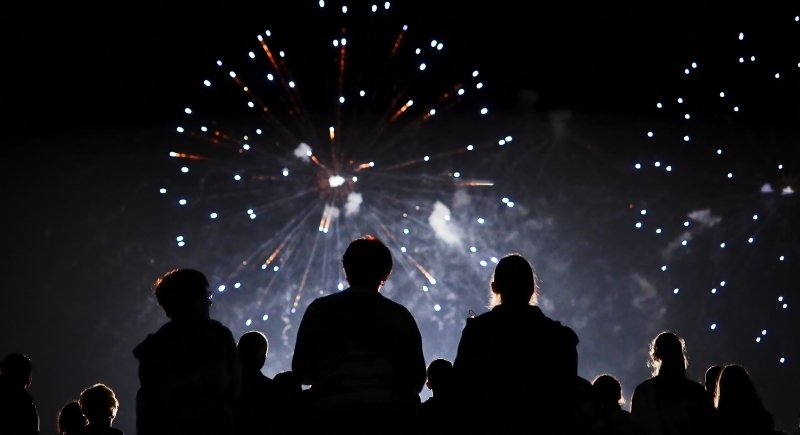
Image via Getty Images/nd3000
Fireworks leave more behind than smoke. Toxic metals, such as lead and copper, accumulate in the air, soil, and water. Each year, roughly 13 million kilograms of legal fireworks and up to two million kilograms of illegal fireworks enter circulation in the Netherlands. Much of that debris ends up as litter or fine particles that wash into waterways. Urban areas feel the impact most. Cold winter air traps smoke close to the ground, increasing exposure for children and older adults. Cleaning crews face mountains of ash and plastic remnants on January 1. The ban cuts that pollution at its source.
Public Support Meets Realistic Doubts
Polling shows that about 62 percent of Dutch residents view the fireworks ban positively. Around 83 percent say they plan to comply with the new law. Still, skepticism remains. Nearly 60 percent of respondents doubt that enforcement will work, especially given the ease of cross-border travel to nearby countries where fireworks remain legal. Officials have acknowledged that challenge. Border checks and penalties will play a role, along with public messaging aimed at shifting expectations. The government plans to review results in 2027 by measuring safety outcomes, environmental impact, and animal welfare data.
The ban does not signal the end of New Year’s excitement. Cities already experiment with laser shows, drones, and coordinated fireworks displays that keep crowds safer and animals calmer. These options preserve spectacle while removing the unpredictability.