These 10 Waterfalls Are So Beautiful They Look Like AI Art
Some waterfalls look edited even when they are not. Their scale, height, and patterns surpass what people expect to see in nature, which makes the photos appear artificial at first glance. In reality, the landscapes are doing the work, not software. These 10 waterfalls often catch visitors off guard because the real view feels more improbable than the image.
Iguazú Falls
Credit: Getty Images
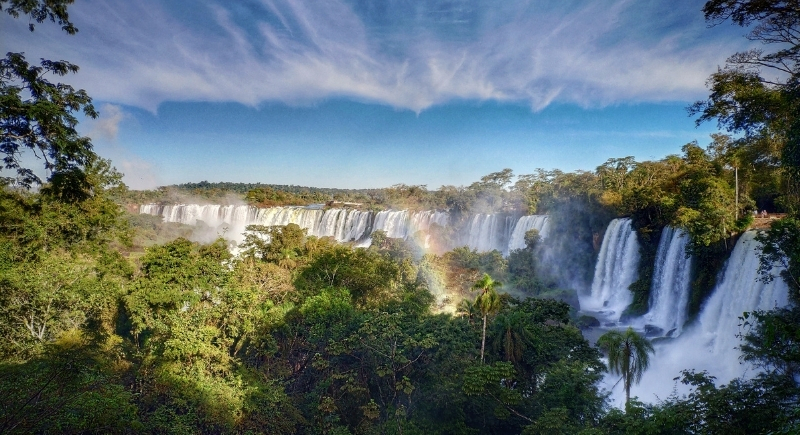
This waterfall system spans approximately 1.7 miles along the border between Argentina and Brazil. Iguazú Falls comprises approximately 275 individual cascades, which is why the sound reaches visitors before the view does. Devil’s Throat alone drops about 269 feet and produces so much mist that rainbows appear on clear days without effort.
Victoria Falls

Credit: Getty Images
The Zambezi River drops over a basalt cliff at the border between Zambia and Zimbabwe. Victoria Falls measures around 5,604 feet wide and drops 354 feet straight down. During peak flow, more than 264 million gallons of water crash over the edge every minute, which explains why locals named it Mosi-oa-Tunya, meaning “The Smoke That Thunders.”
Angel Falls
Credit: Getty Images
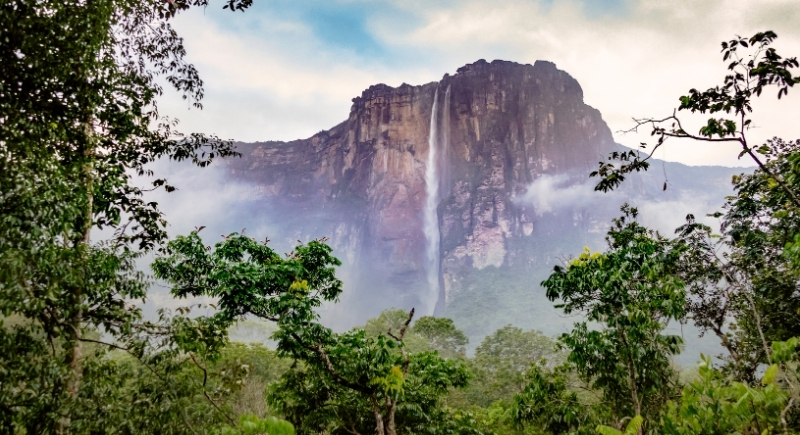
Inside Canaima National Park in Venezuela, Angel Falls drops a staggering 3,212 feet from the top of a flat-topped mountain called a tepuy. The height makes it the tallest permanent waterfall on Earth by a wide margin. The water often turns into mist before reaching the ground.
Niagara Falls
Credit: Getty Images
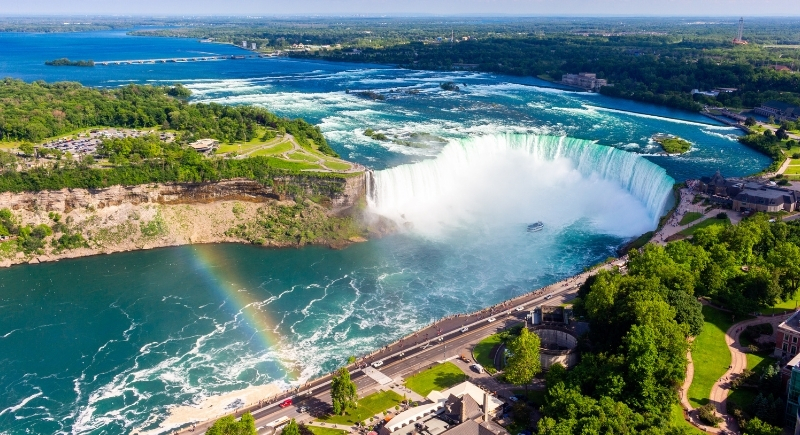
Between the United States and Canada, Niagara Falls moves more water than any other waterfall in North America. The Horseshoe Falls section averages about 168,000 cubic feet per second during peak flow. Its pop culture reputation includes the 1952 movie Niagara, starring Marilyn Monroe.
Gullfoss
Credit: Getty Images
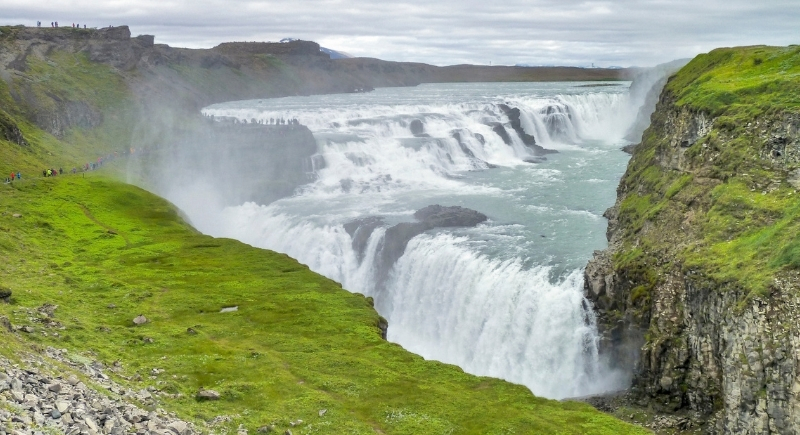
The sharp angle between the tiers makes the water at Gullfoss look folded, which explains why photos often resemble digital concept art more than a real place. It’s located along Iceland’s Golden Circle and appears to be a river vanishing into the Earth. The Hvítá River drops in two stages, first 36 feet and then 69 feet, before disappearing into a rugged canyon.
Plitvice Waterfalls
Credit: Getty Images
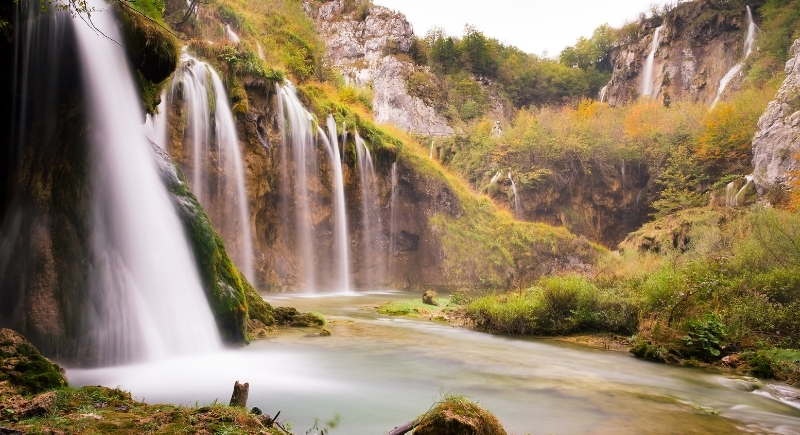
This network of waterfalls inside Plitvice Lakes National Park in Croatia connects 16 lakes through travertine barriers that naturally rebuild themselves over time. Veliki Slap, the tallest cascade in the park, falls 256 feet. The constantly shifting mineral deposits change the water’s color from turquoise to emerald, depending on light and season.
Yosemite Falls
Credit: Getty Images
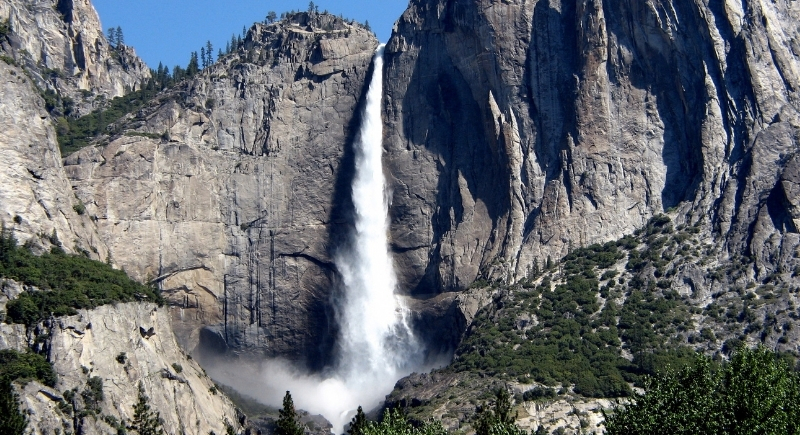
Dropping a total of 2,425 feet, Yosemite Falls ranks among the tallest waterfalls in the world and remains the tallest in North America. It’s located in Yosemite National Park in the United States and flows strongest during spring snowmelt. Its seasonal nature means that photos taken months apart can appear to have been taken in entirely different locations.
Kaieteur Falls
Credit: Getty Images
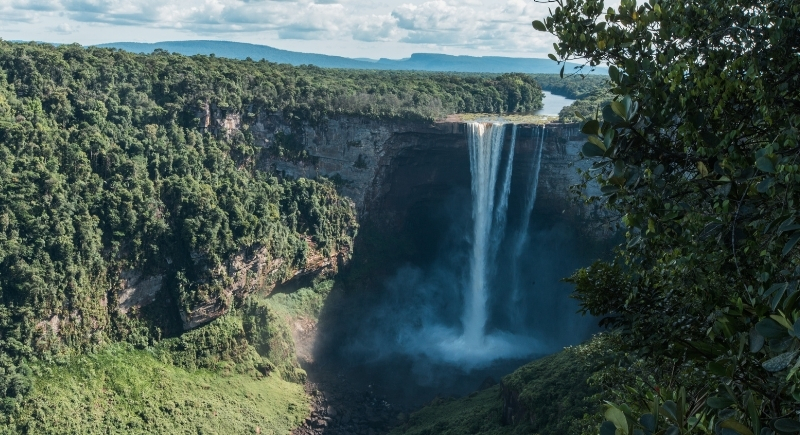
Kaieteur Falls’ width of about 370 feet, combined with its height, creates a near-rectangular curtain of water. It plunges 741 feet in a single drop along the Potaro River in Guyana. The waterfall sits on the ancient Guyana Shield, one of the planet’s oldest geological formations.
Murchison Falls
Credit: Getty Images
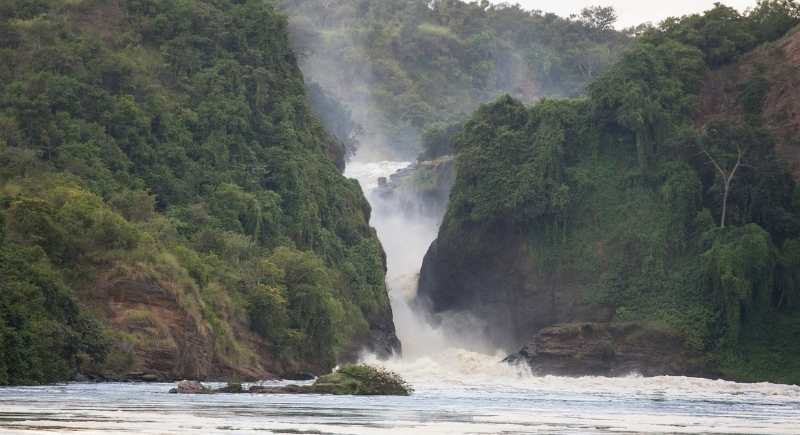
This waterfall in Uganda forces the Nile River through a narrow gap, only about 23 feet wide, before it drops 141 feet into a canyon. The effect causes the water to shoot forward rather than fan out, which appears unnatural at first glance. It’s often described as one of the world’s most powerful waterfalls and creates intense turbulence and vibration.
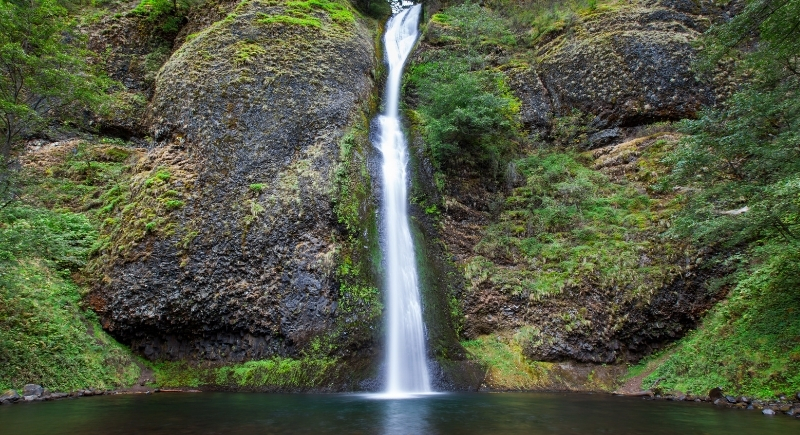
Horsetail Fall
Credit: Getty Images
For most of the year, Horsetail Fall in Yosemite National Park looks ordinary by comparison. For about three weeks in February, the sunset hits the water at a precise angle, which turns it bright orange and creates the Firefall effect. The phenomenon lasts roughly 10 minutes per evening and has nothing to do with lava, even though it appears to be molten rock spilling down granite.