Hidden Death Traps In Nature And The Final Warning Signs You Will See
Nature sometimes makes the most dangerous things look harmless. A glassy pool, a quiet lake, a pretty tree, and a narrow little stream can exude beauty all day. Still, scientists, park rangers, and survival experts have spent years documenting the places and phenomena that kill despite barely hinting at it at first glance. Here are some of the deadliest traps nature has ever set.
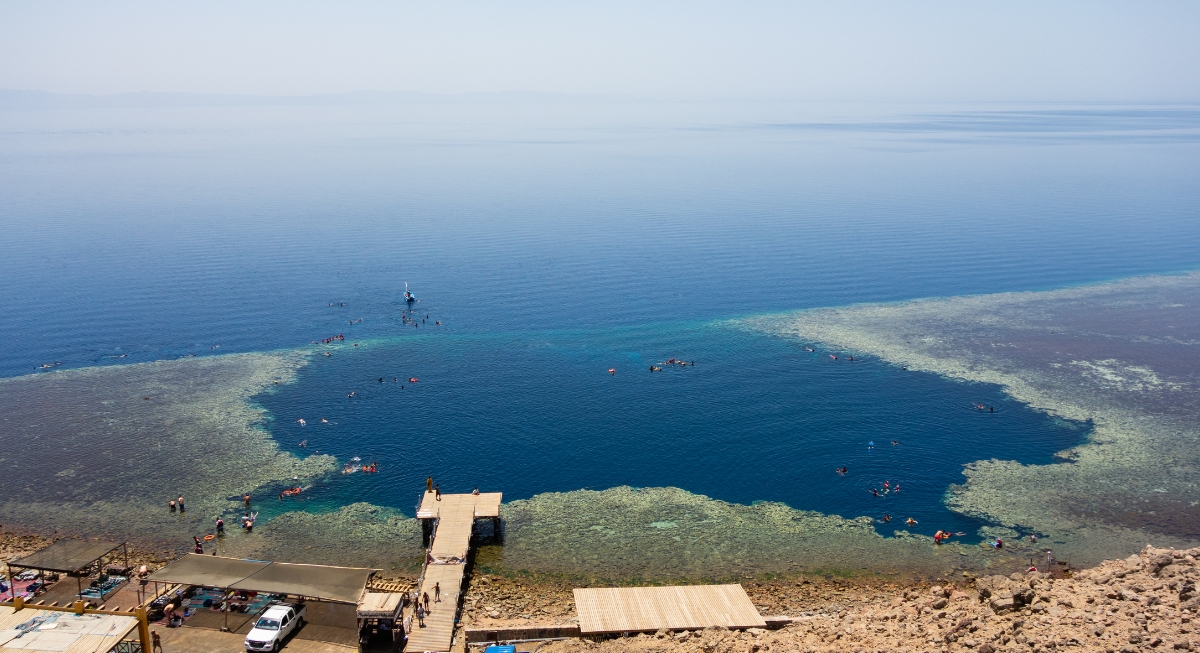
The Blue Hole, Dahab
Credit: Wikimedia Commons
Off the coast of Sinai, Egypt, the Blue Hole is an approximately 130-meter-deep underwater sinkhole that might interest some. But with a grim nickname like “Diver’s Cemetery,” that’s arguable. Estimates of fatalities read as high as 200. The biggest danger is often the Arch, a tunnel about 170 feet deep. There, nitrogen narcosis sets in gradually and dulls judgment before a diver realizes how deep they have gone.
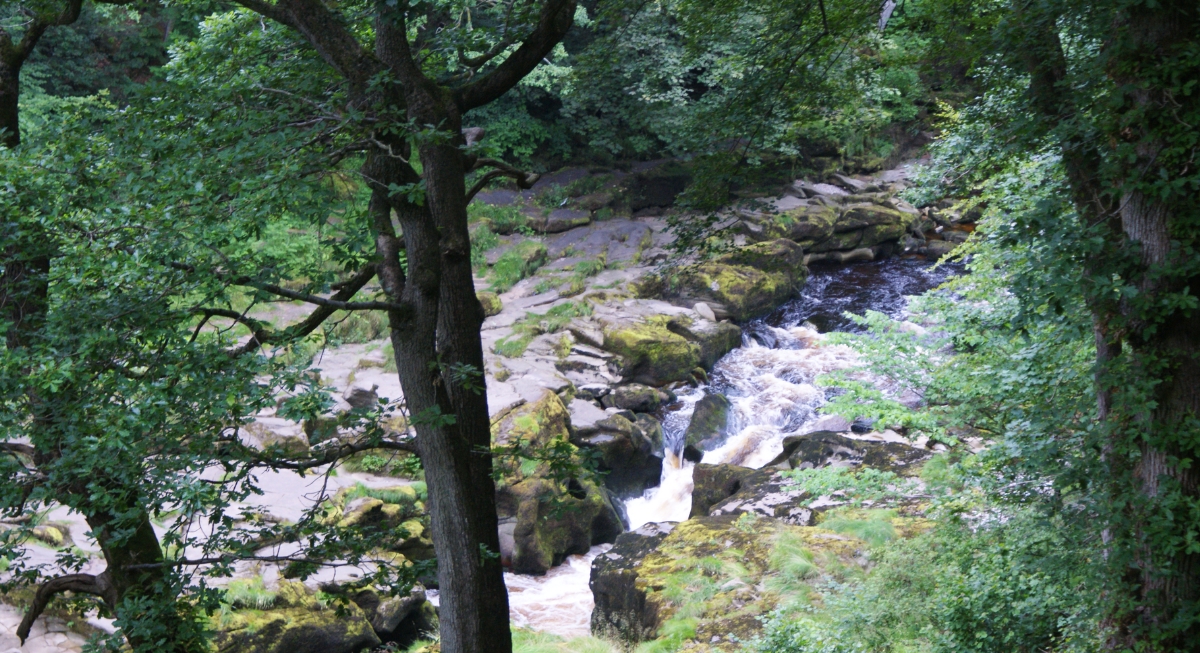
The Bolton Strid
Credit: Wikimedia Commons
Nobody who has fallen into the Bolton Strid has survived, according to local lore. That alone makes this narrow Yorkshire stream one of the most dangerous stretches of water in England. It’s a few feet across, but beneath that unremarkable surface, centuries of hydraulic pressure have carved a riverbed loaded with powerful undercurrents and submerged cavities. Part of the danger of the Strid is its silence.
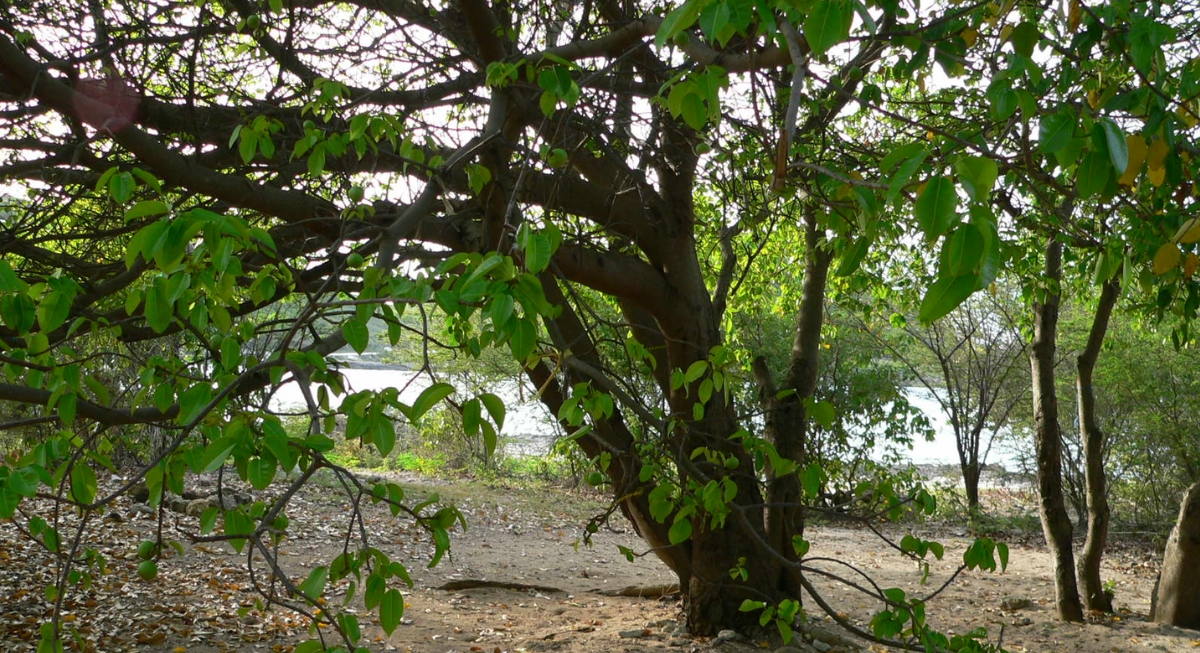
The Manchineel Tree
Credit: Wikimedia Commons
It’s almost like every part of this tree is trying to cause harm. The manchineel, which holds the Guinness World Record as the world’s most dangerous tree, grows across Florida, the Caribbean, and Central America. The tree’s sap blisters the skin on contact, and rain passing through its leaves carries enough toxins to burn anyone standing beneath it. Even burning its wood produces smoke that can cause eye irritation and temporary blindness.
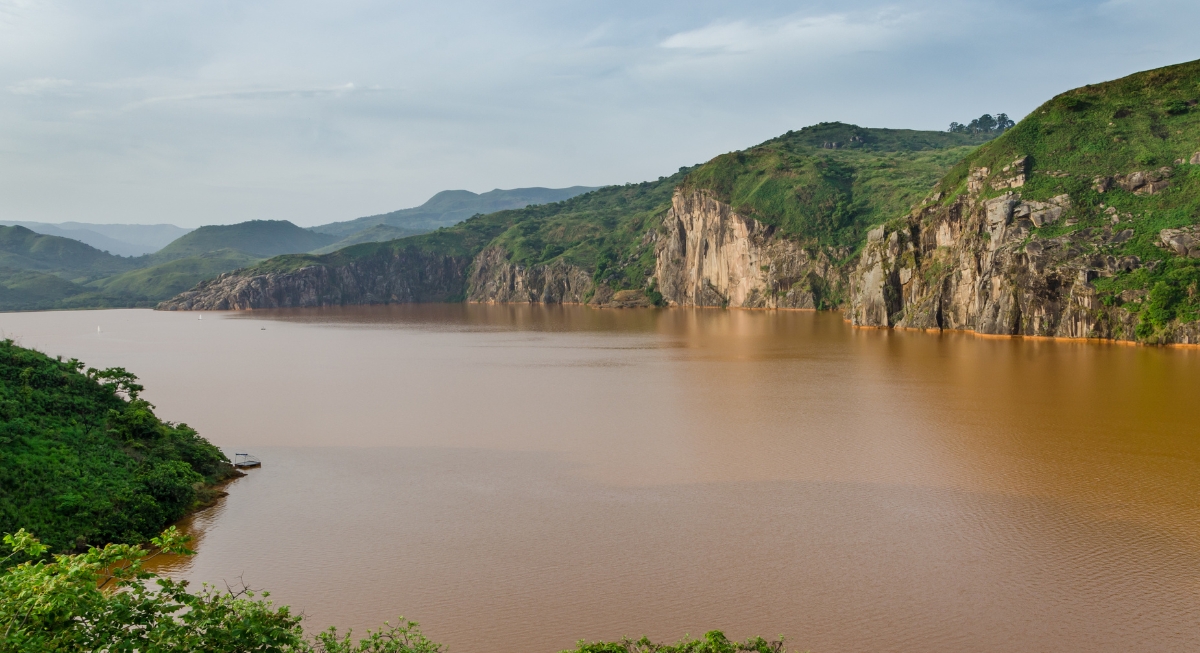
Lake Nyos
Credit: Canva
On the night of August 21, 1986, a limnic eruption beneath Lake Nyos in Cameroon forced a massive release of carbon dioxide to the surface. Some scientists estimate that the volume exceeded one million tons. The gas, heavier than air, rolled across nearby villages and killed approximately 1,700 people and 3,500 livestock before sunrise. Some survivors recalled a faint sulfurous smell moments before losing consciousness. Sadly, most had no warning at all. Multiple degassing pipes are now actively managing the lake. The goal of this ongoing system is to keep the gas concentration low enough to prevent any future deadly eruptions.
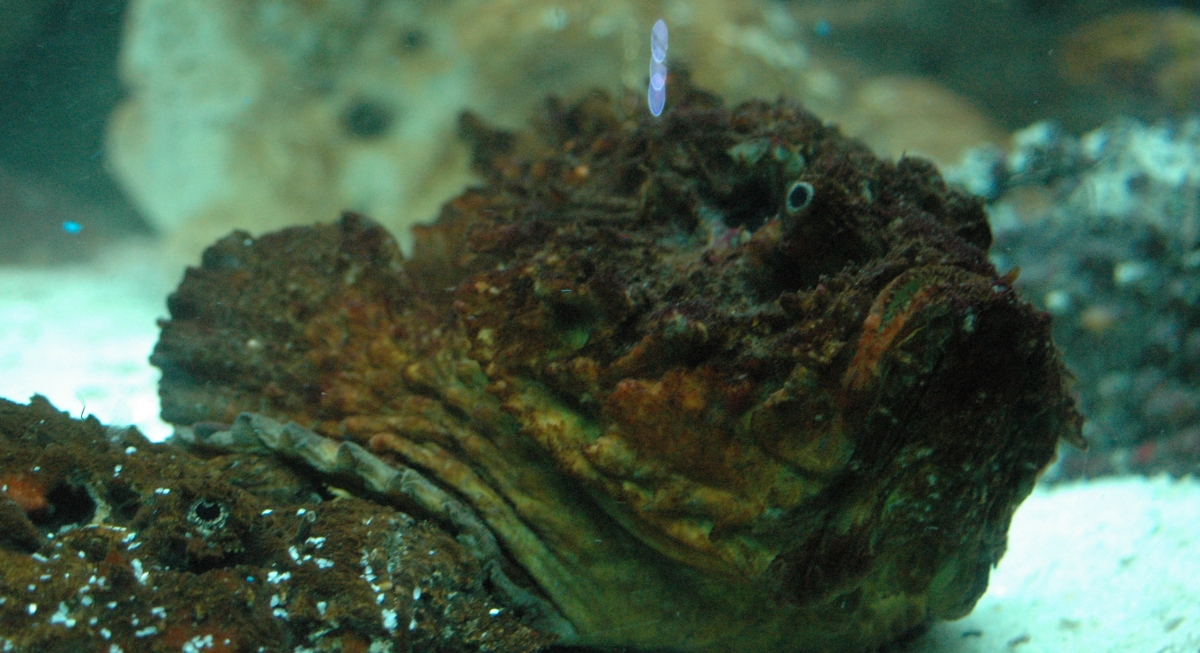
The Stonefish
Credit: Wikimedia Commons
Stepping on a fish that grows to around 14 to 16 inches long shouldn’t be cause for concern, but it is when we’re talking about the stonefish. The most venomous fish in the world lives across the Indo-Pacific, lying motionless on the seafloor where it is nearly indistinguishable from surrounding rock and rubble. Contact triggers 13 spines that deliver venom that causes intense pain, tissue damage, and, in some untreated cases, cardiac complications.
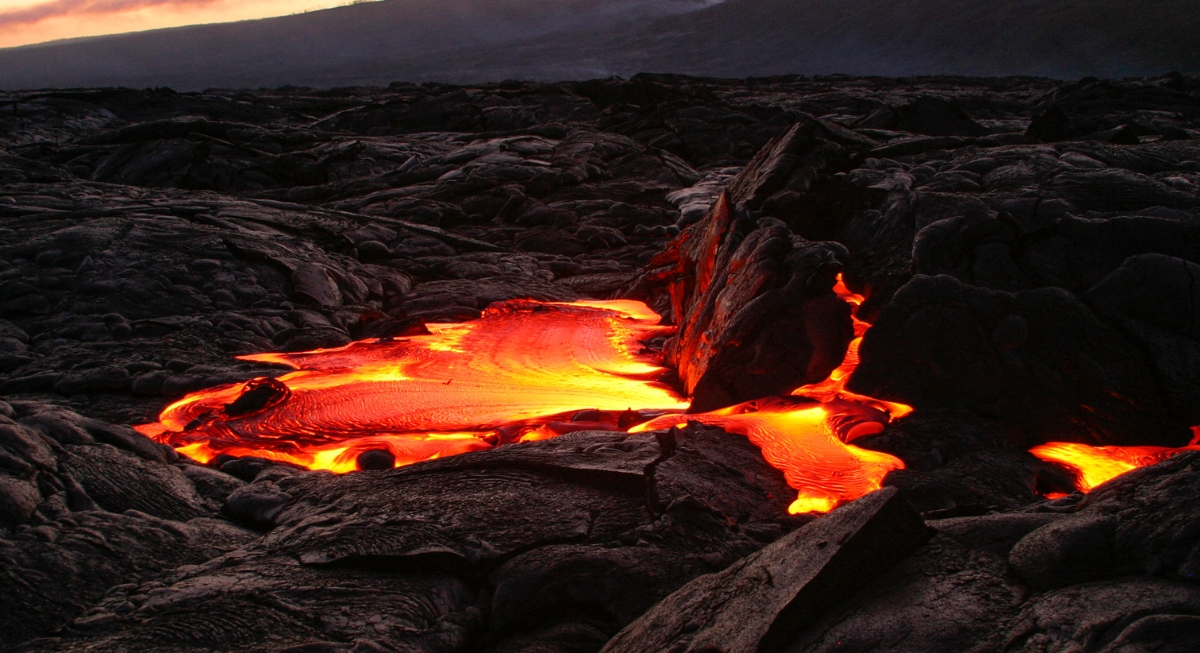
Kilauea Lava Tubes
Credit: Getty Images
Lava tubes are underground tunnels left behind by flowing lava. In some areas around Kilauea, only a thin layer of rock covers these hollow spaces. The surface may look solid, but weakened sections can collapse without warning, causing hikers to fall into the tube below. Staying on marked trails and respecting closures helps reduce the risk.
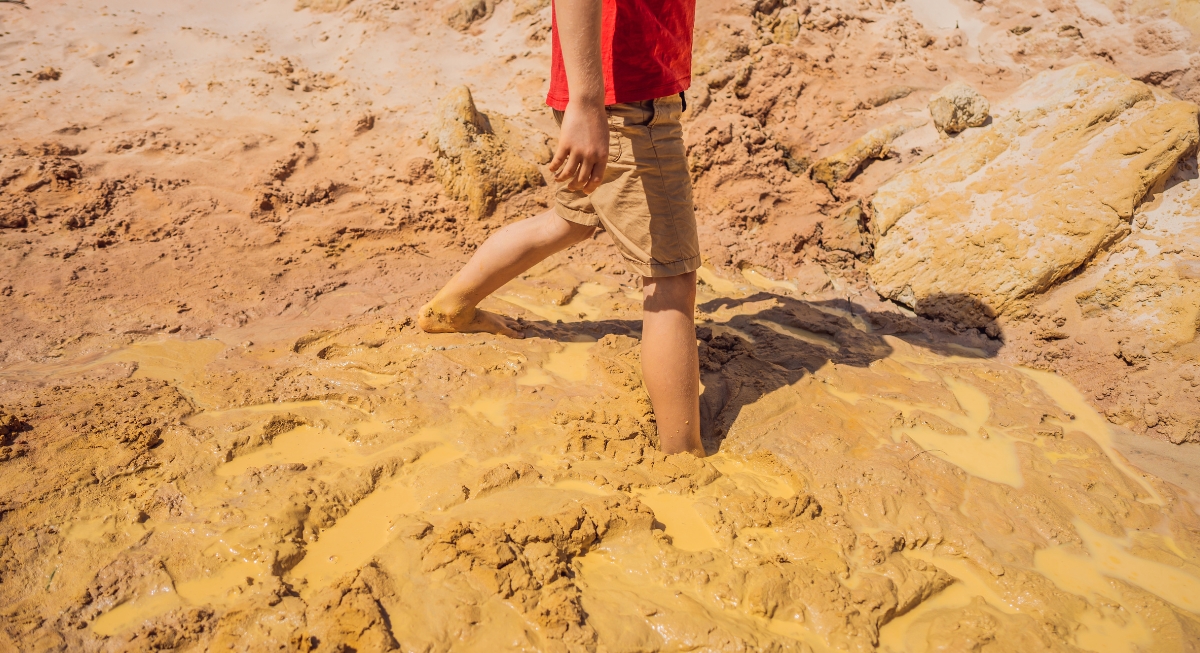
Quicksand
Credit: Canva
Movies have made quicksand look like a pit that swallows people whole, but the real danger is getting stuck. Quicksand forms when water saturates loose sand, which creates a surface that can trap a person’s legs and make movement difficult. Most fatalities occur when people become trapped in areas affected by rising tides or other hazards. It is most commonly found along riverbanks, wetlands, mudflats, and some beach edges.
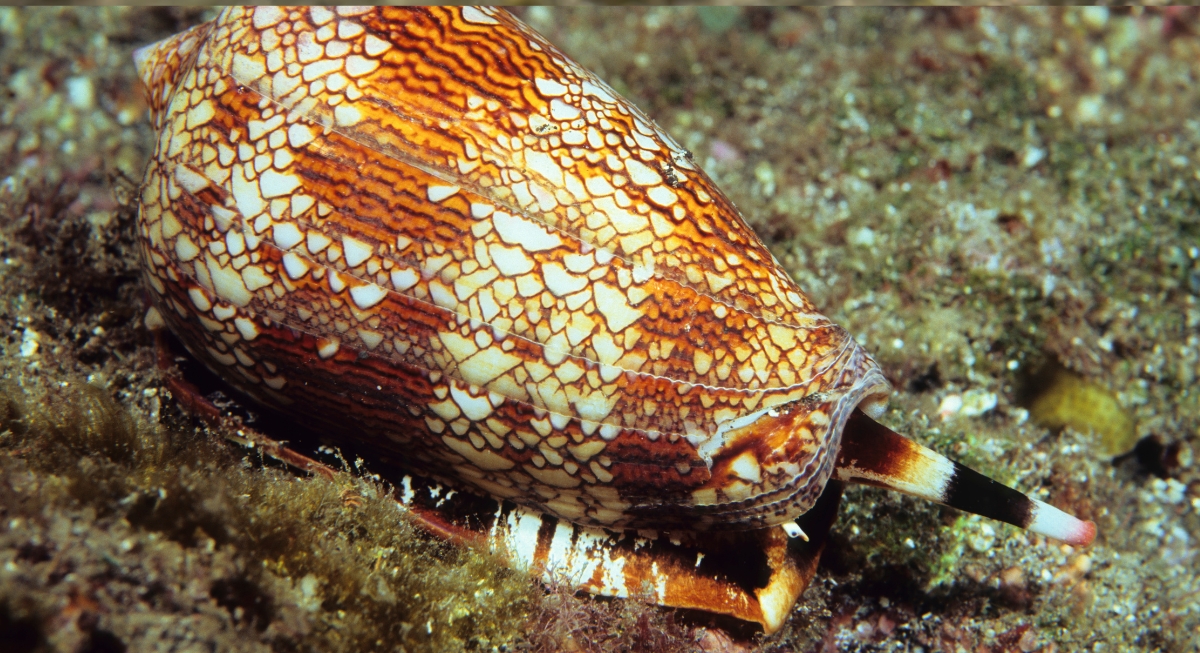
The Cone Snail
Credit: Getty Images
Cone snail venoms contain conotoxins, which have no commercially available antivenom. The shell housing this animal is beautiful with intricate patterns, which some beachgoers pick up. The animal inside carries a harpoon-like radular tooth. Pain begins locally before spreading, with serious cases progressing to paralysis and respiratory failure.
Rip Currents
Credit: Wikimedia Commons
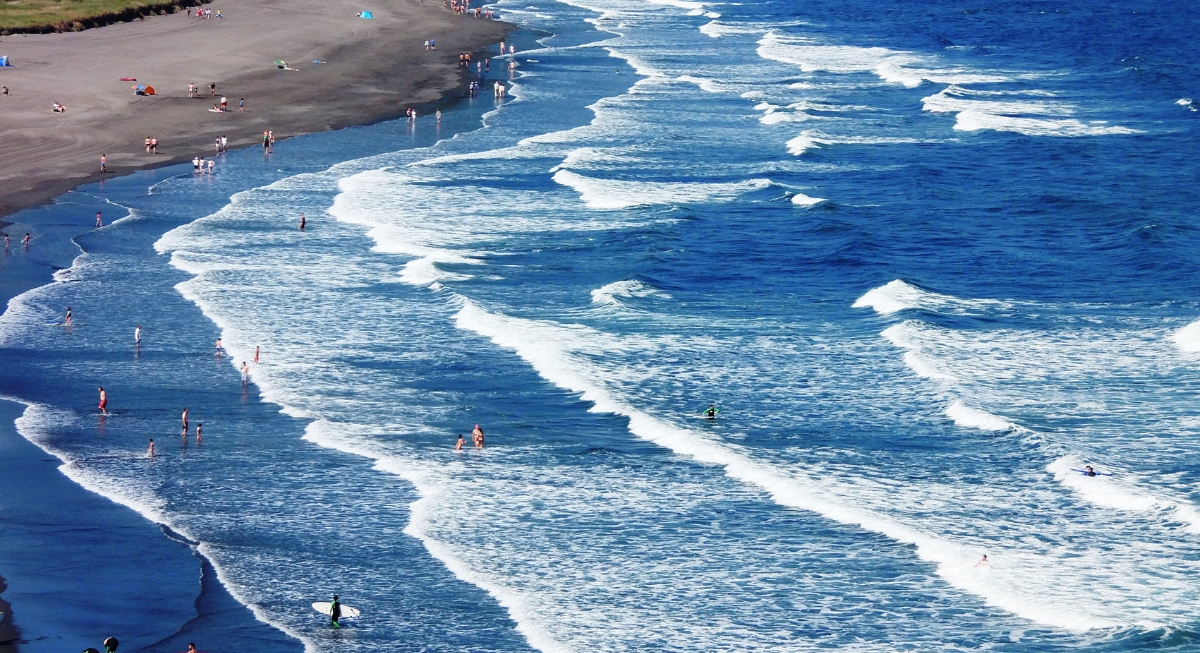
From the shore, a rip current channel can look like the calmest section of water, which attracts some swimmers. NOAA estimates these currents cause approximately 100 drowning deaths in the United States annually. Once inside the pull, swimming directly toward the beach drains energy faster than the current releases. The standard guidance is to swim parallel to the shoreline until the swimmer is free of the channel, then angle back to shore.
The Calm Before a Tsunami
Credit: pixabay
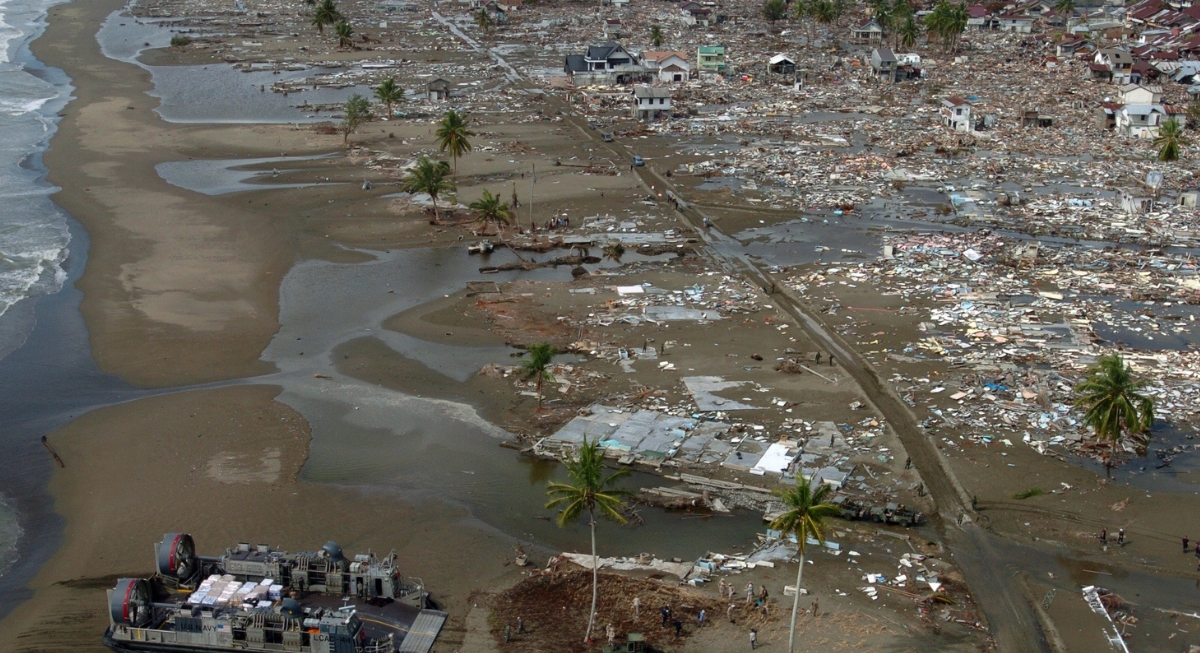
On December 26, 2004, witnesses along several Indian Ocean coastlines watched the sea pull back dramatically, exposing hundreds of feet of bare seafloor. Some walked out to look at the stranded fish until the wave arrived minutes later. NOAA identifies this ocean withdrawal as one of the most critical warning signs a coastline can produce. Sadly, it sometimes draws curiosity instead of alarm. In near-shore situations, the window between the recession and impact can be a few minutes.