Death Traps in Nature That Look Completely Normal
There are places in nature that seem calm and invite you to get closer. The catch is that danger in these spots waits for the right conditions, and then everything changes fast. Here are some death traps to be aware of when traveling.
The Great Blue Hole
Credit: Wikimedia Commons
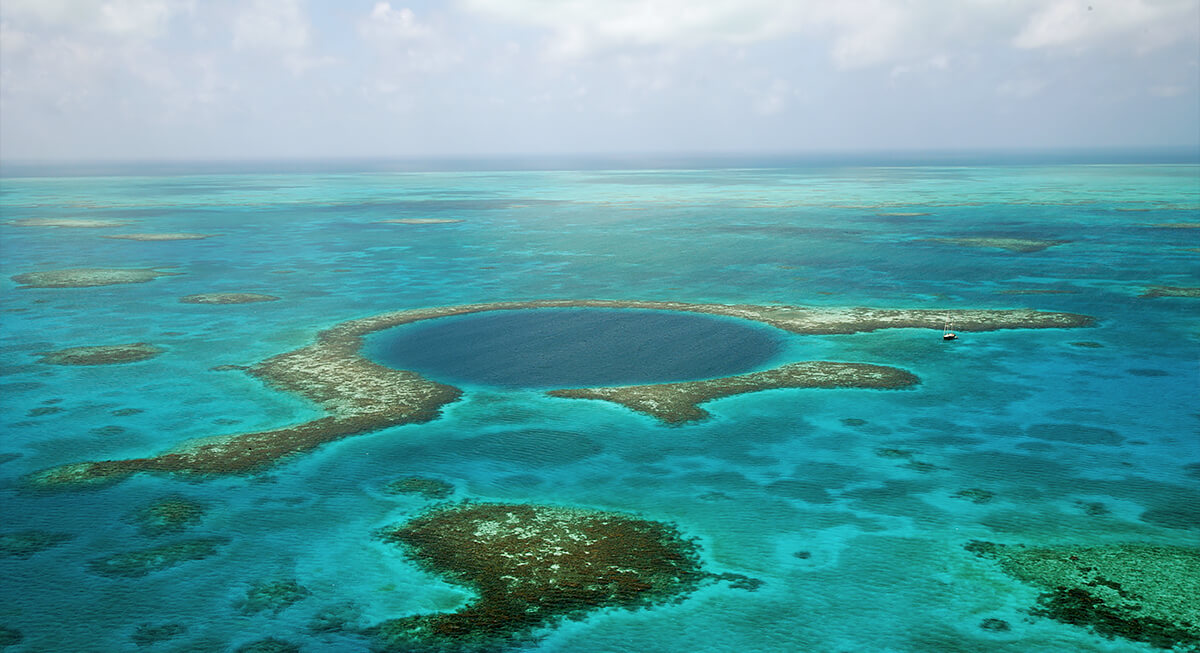
This giant ocean sinkhole can be found off the coast of Belize, looking like a perfect blue circle carved into turquoise water. It drops more than 400 feet, which makes it a magnet for experienced divers. However, the deeper you go, the less oxygen the water holds, and layers of hydrogen sulfide create zones where most life cannot survive. Visibility fades as you descend, and the environment shifts quickly from a vibrant reef to near-lifeless darkness.
Fraser Island
Credit: Wikimedia Commons
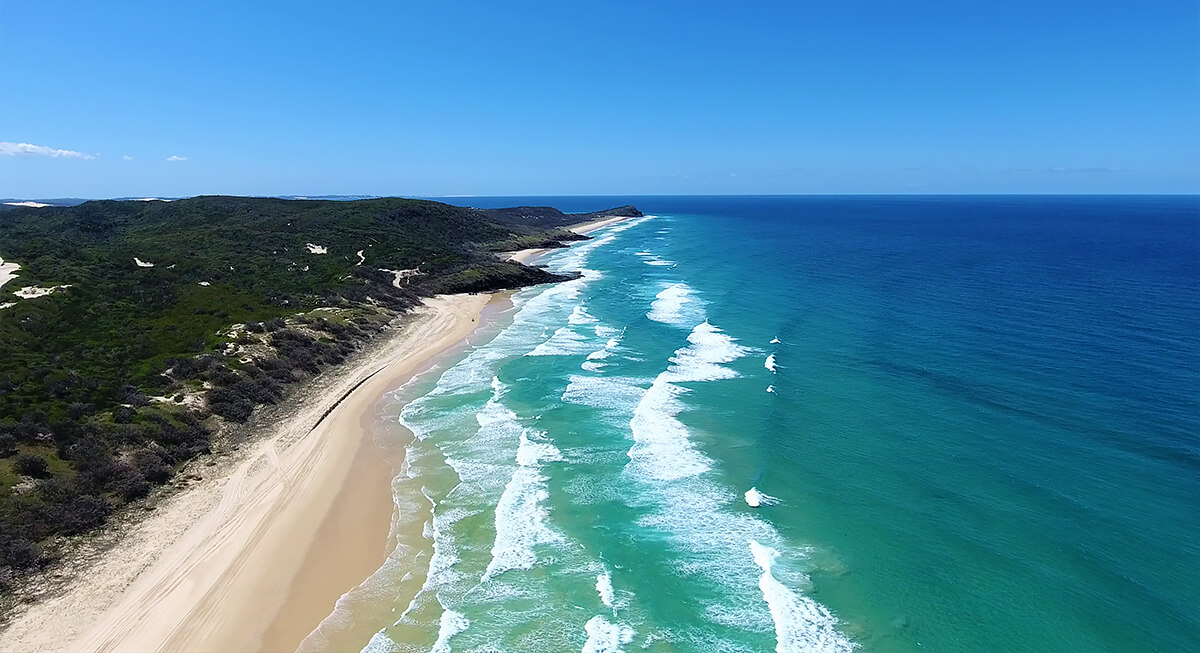
Australia’s Fraser Island looks like a dream stretch of sand and clear water, but the risks stack up quickly. Strong rip currents move swimmers away from shore even when the surface looks gentle. Sharks patrol nearby waters along popular beach areas. Dingoes roam freely and have attacked visitors before. Even certain freshwater lakes contain parasites that can infect swimmers.
Lake Natron
Credit: Wikimedia Commons
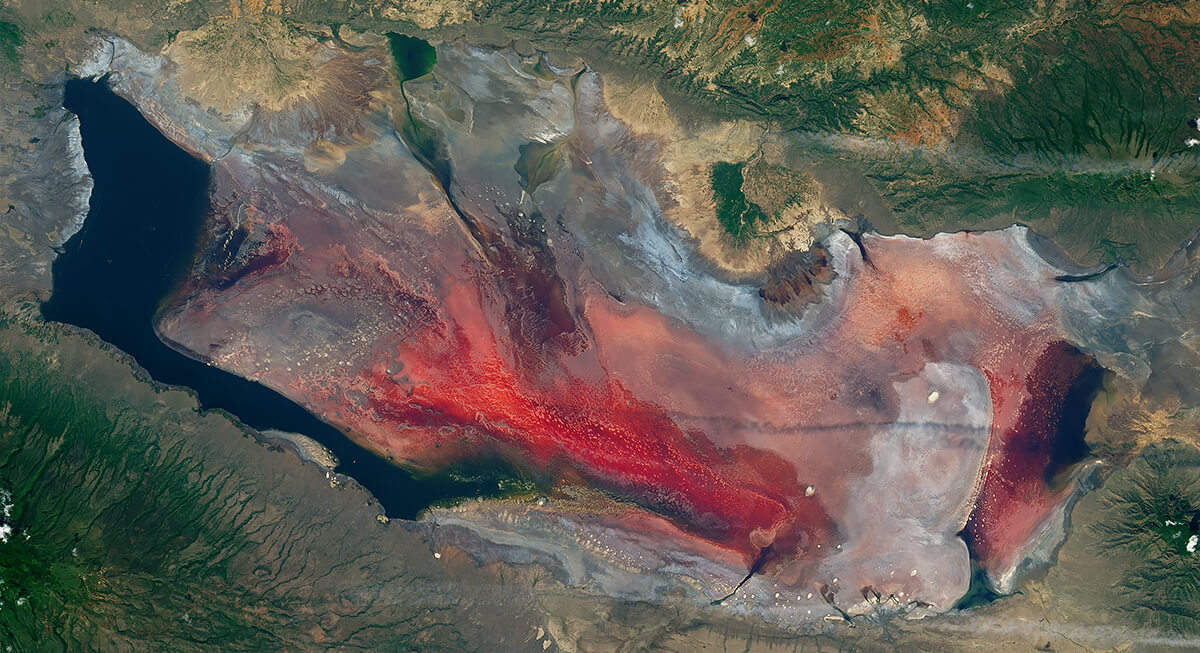
At first glance, Lake Natron looks still and almost reflective, especially when the wind dies down. The water is extremely alkaline, with a pH of around 10.5 due to high sodium carbonate concentrations. Animals that die here can become preserved by the minerals, which creates eerie, stone-like appearances. Flamingos thrive in these conditions because they evolved specifically to handle the harsh chemistry.
Sneaker Waves
Credit: Wikimedia Commons
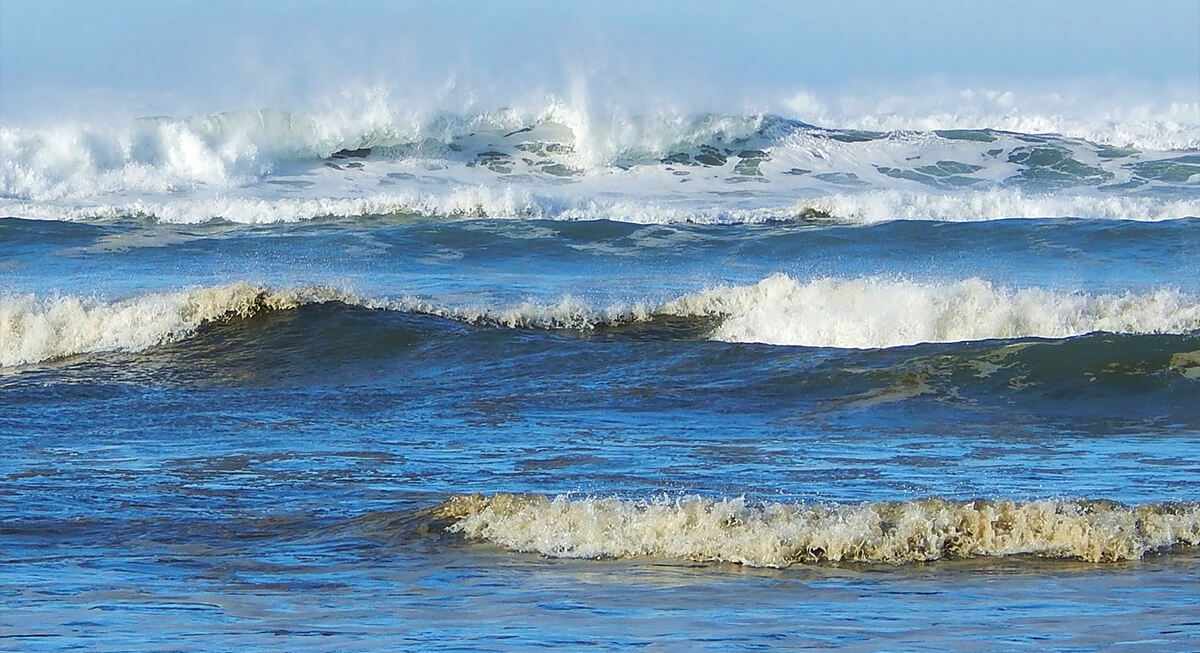
A calm shoreline can be misleading along parts of the Pacific. Sneaker waves form when large swells build far offshore and then arrive suddenly. One wave surges much farther inland than the others and can knock people off their feet. These waves have pulled people into the ocean even when they were standing well above the usual tide line. Incidents happen along coasts in Oregon, northern California, and Iceland.
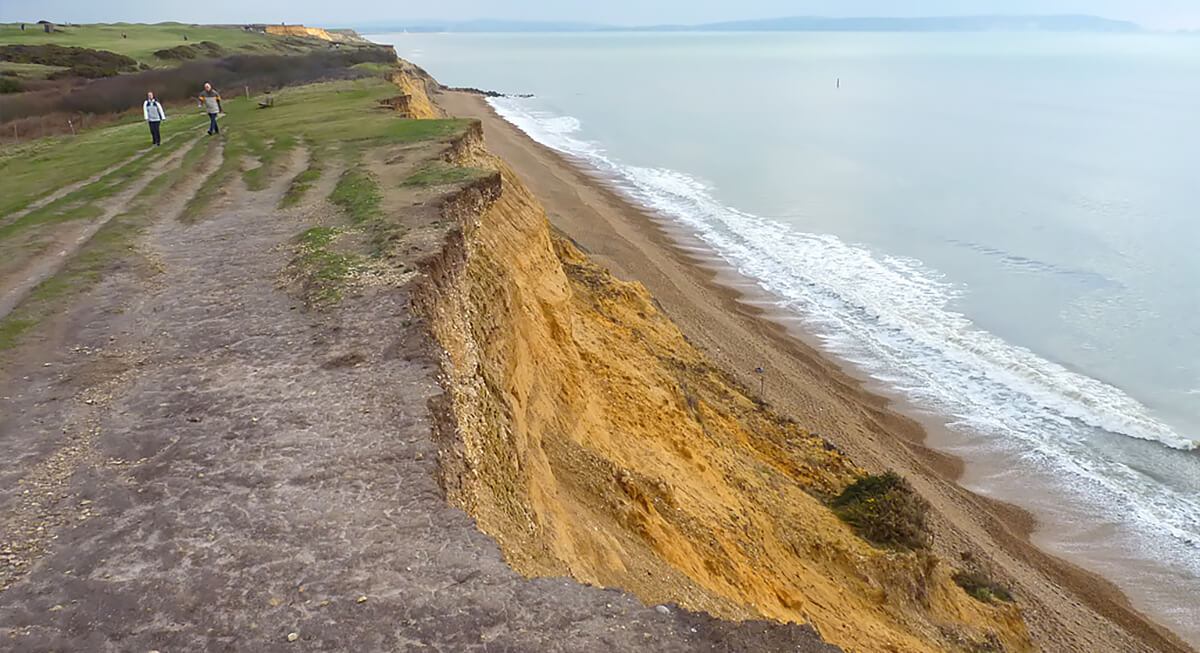
Crumbling Sea Cliffs
Credit: Wikimedia Commons
Ocean cliffs are composed of layered rock that has been weakened by erosion. Wind and waves slowly erode their structure. Cracks can form beneath the surface where visitors cannot see them. People often step close to the edge for photos, and sections can collapse without warning. Fatal falls have been reported in places like Ireland, Norway, and Australia.
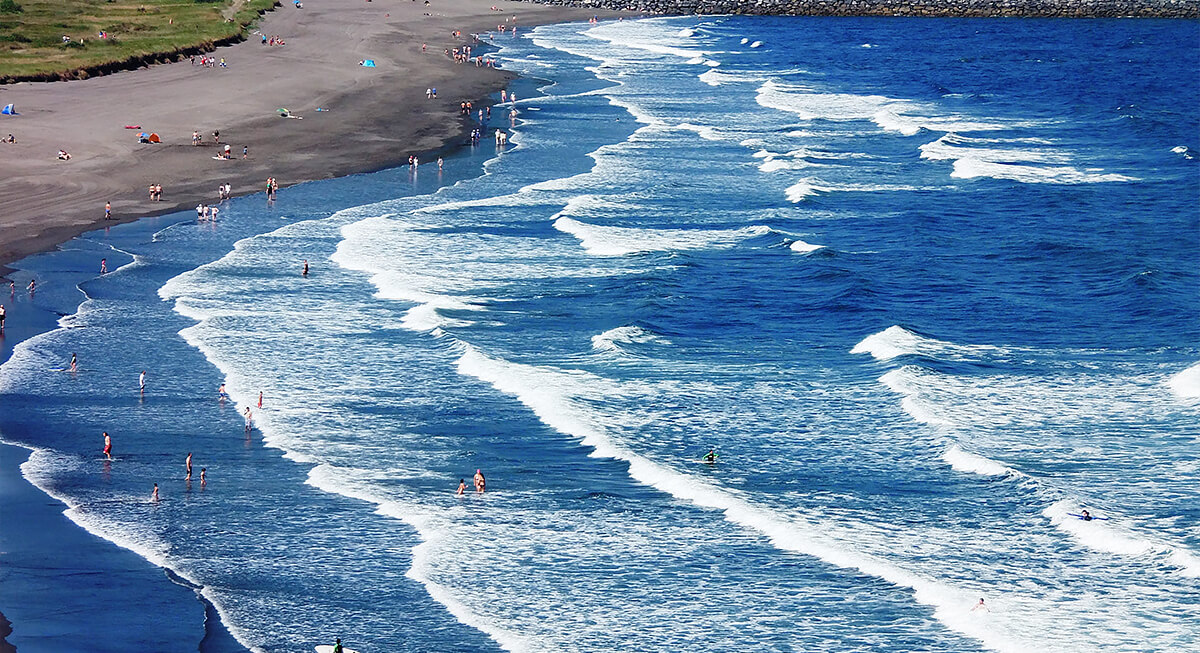
Rip Currents
Credit: Wikimedia Commons
Beaches in Florida, Australia, and Southeast Asia deal with regular rescues linked to rip currents. A calm patch of water between breaking waves is often the most dangerous spot on the beach. Rip currents form in narrow channels that pull water back out to sea. Swimmers drift into them because the surface looks smoother than the surrounding waves. Once caught, the current carries them steadily away from shore.
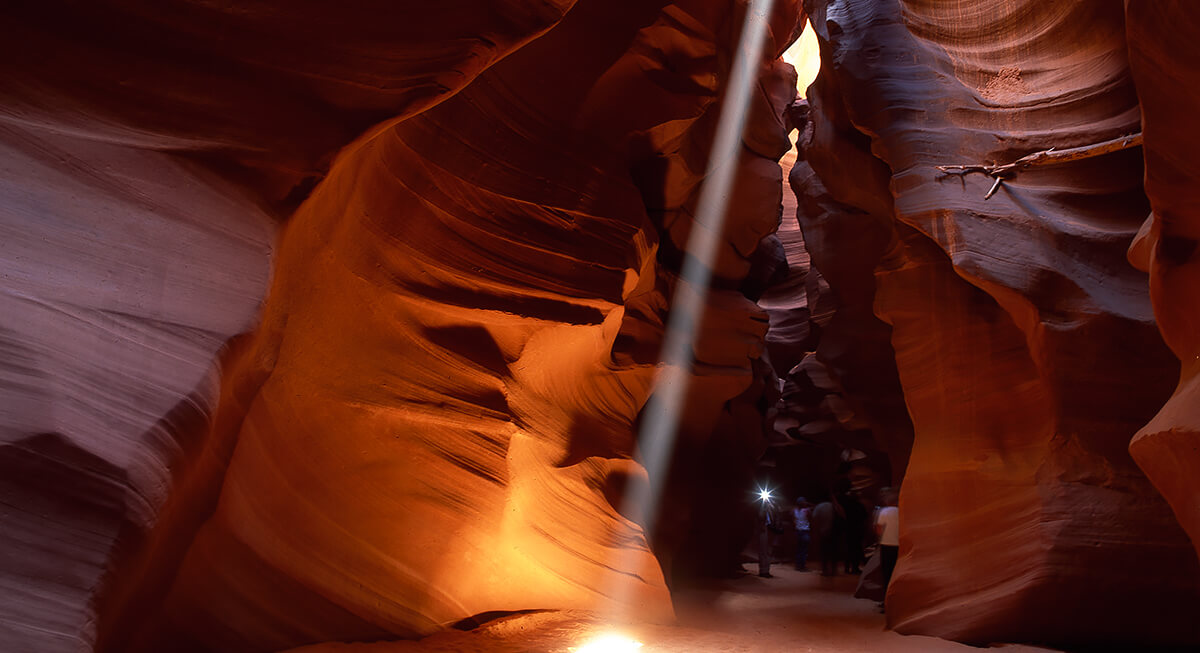
Slot Canyons
Credit: Wikimedia Commons
These narrow desert canyons feel like a cool escape, with towering walls blocking out the sun. The sense of safety is misleading. A storm miles away can send a flash flood racing through the canyon. Water, mud, and debris rush through tight spaces with almost no warning. Several deadly floods have occurred in Utah and Arizona because of this exact setup.
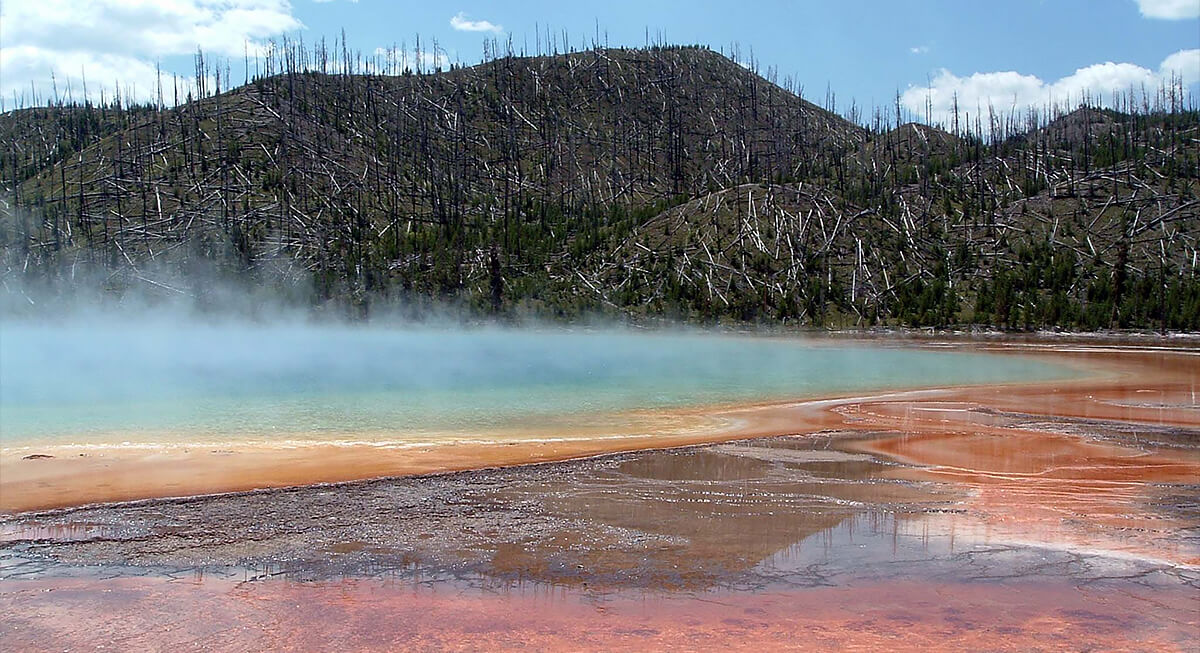
Geothermal Pools
Credit: Wikimedia Commons
Bright colors around hot springs make these areas look almost unreal, but the ground can be dangerously unstable. A thin crust often covers boiling water beneath the surface. Some pools reach temperatures above 200°F. Stepping off designated paths can break the crust instantly. Serious accidents have occurred in geothermal zones such as Yellowstone and Iceland.
Kilauea Sky Caves
Credit: Wikimedia Commons
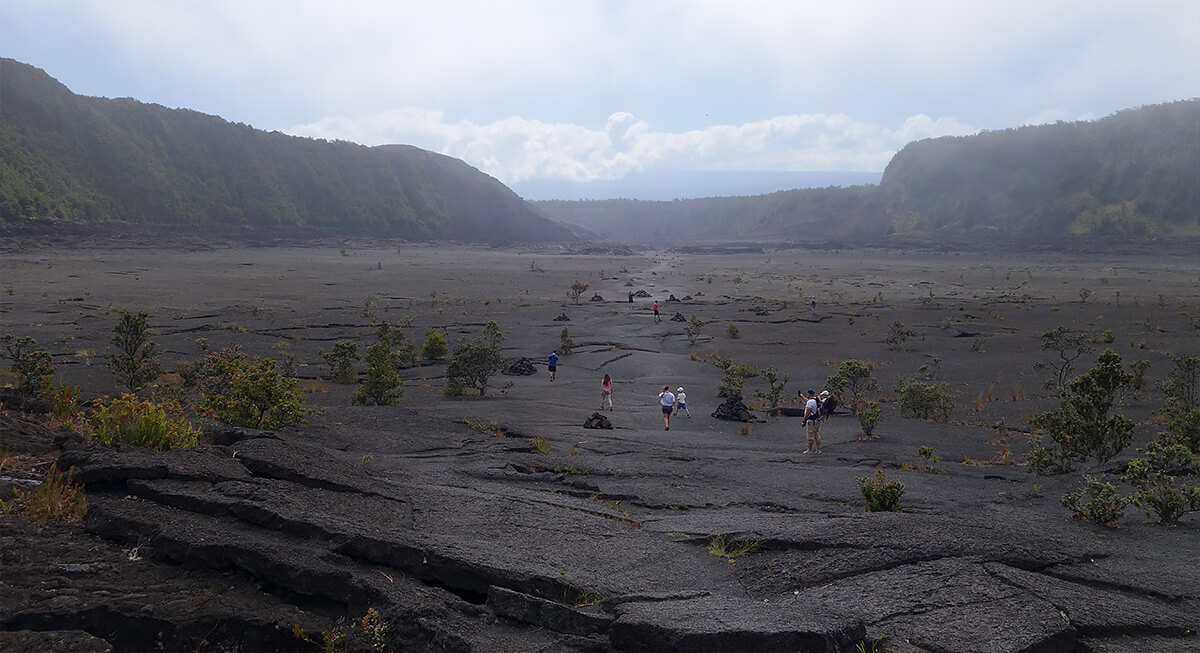
Hawaii’s volcanic landscape hides lava tubes beneath what appears to be solid ground. These tunnels formed when flowing lava cooled on the outside while continuing to move beneath. In some areas, only a thin surface layer remains. That layer can collapse under weight and reveal a drop of around 50 feet. A patch of grass can sit directly above a hollow void.
Lake Nyos
Credit: Wikimedia Commons
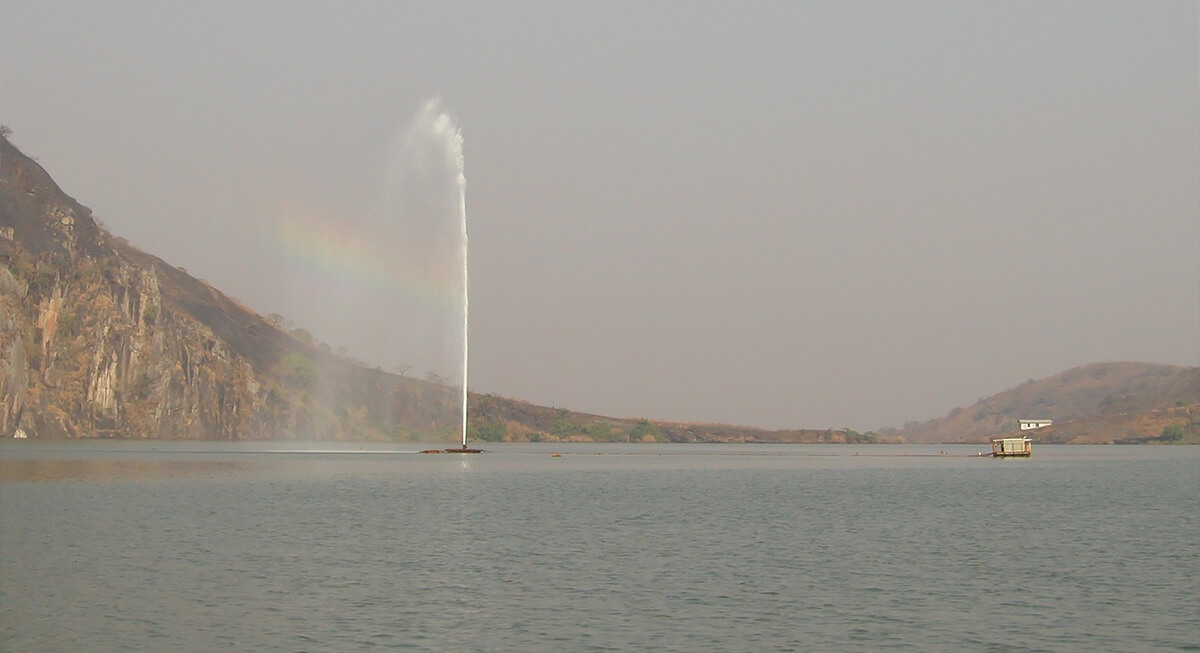
A lake in Cameroon, Lake Nyos, once became the center of a sudden disaster. In 1986, a massive release of carbon dioxide erupted from deep beneath the ocean. The gas spread across nearby valleys, displacing oxygen in the air. Around 1,700 people died within minutes. The lake still contains trapped gases today, which scientists monitor to prevent another deadly release.