National Parks That Are Better in Winter Than Summer
Summer often defines how people envision national parks, but winter subtly alters the perspective. The parks don’t improve because winter is “better,” but because cold strips away distractions and reveals other, more authentic versions of the same places. Here’s a look at how these parks function once the crowds thin and the seasons turn.
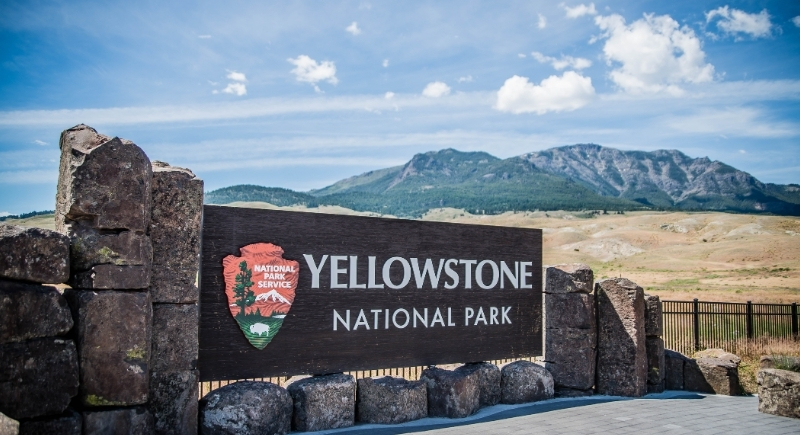
Yellowstone National Park
Credit: Getty Images
Winter travel in Yellowstone replaces traffic with timing. Most roads close, and visitors rely on snowcoaches or skis, which slows movement across the landscape. Wildlife leaves tracks instead of sightings, and wolves are often detected by prints before they’re seen.
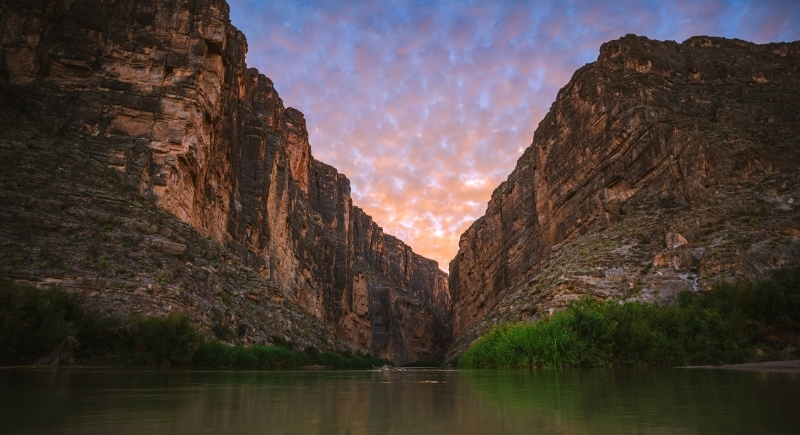
Big Bend National Park
Credit: Getty Images
The defining feature of Big Bend in winter is distance without exhaustion. Trails that feel punishing in summer become workable, and multi-hour hikes no longer revolve around shade management. The desert remains expansive, and the night sky becomes a focal point, especially for campers who adjust their routines around darkness rather than heat.
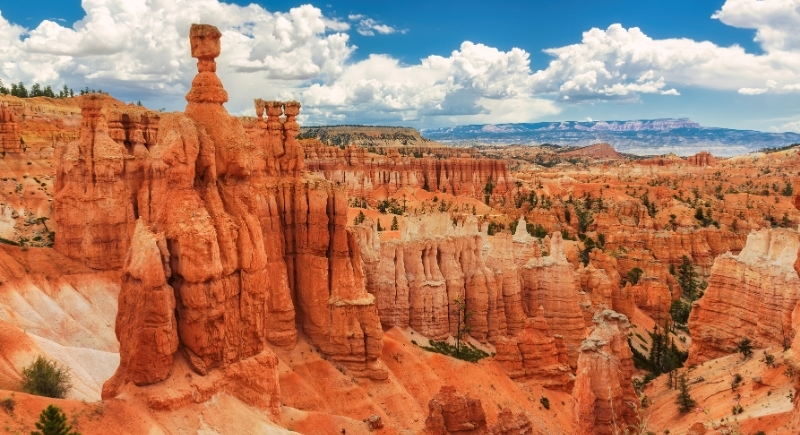
Bryce Canyon National Park
Credit: Getty Images
Snow settles into Bryce’s hoodoos without burying them. The high elevation keeps the snow dry, so trails remain usable with simple traction. Rangers still run programs, but many visitors encounter the canyon during quiet intervals between them, when the amphitheater sits undisturbed.
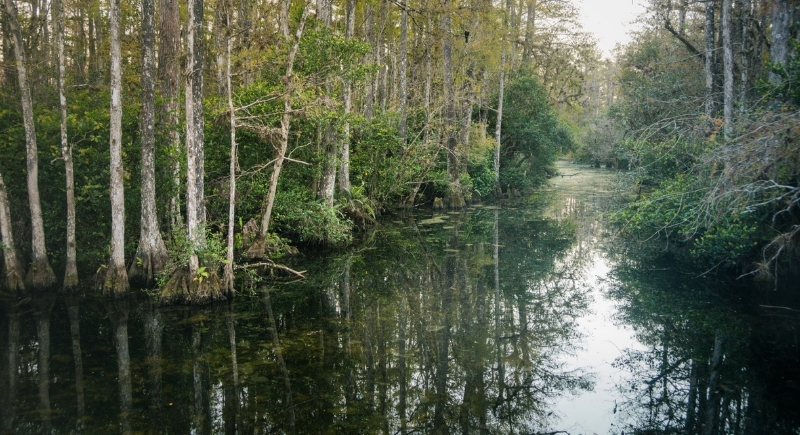
Everglades National Park
Credit: Getty Images
As water levels recede, the Everglades reorganizes itself. Wildlife gathers near shrinking channels, which changes where and how long people stay. Boardwalks and paddling routes become more productive, and the absence of constant insects alters the rhythm of the day. Rangers see more walkers than retreaters during these months, simply because the environment allows it.
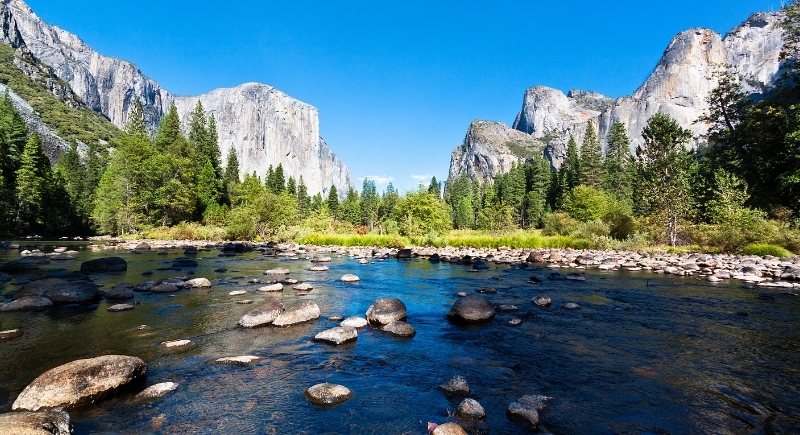
Yosemite National Park
Credit: Getty Images
Without peak-season traffic, Yosemite Valley operates on a different tempo. Parking stops dictate plans, and familiar viewpoints feel less rushed. Badger Pass remains active, but elsewhere in the valley, people take longer walks, pausing more often and moving less out of obligation.
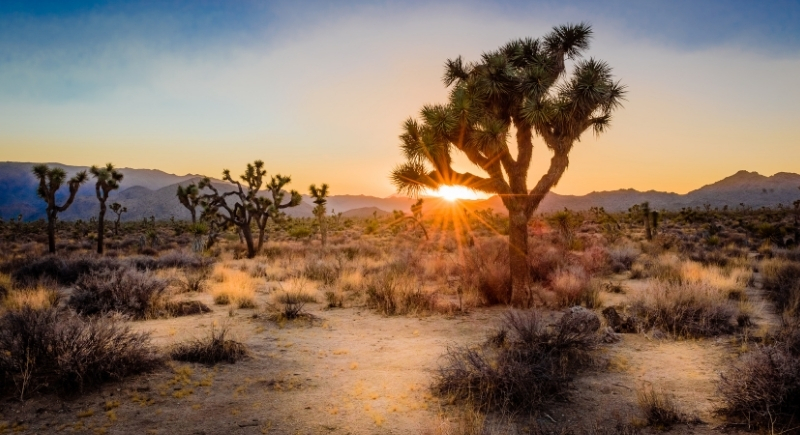
Joshua Tree National Park
Credit: Getty Images
Once daytime temperatures drop, time stretches differently in Joshua Tree. Climbers stay out longer, hikers linger, and camp life shifts toward earlier evenings instead of dawn escapes from heat. A rare dusting of snow at elevation briefly alters color and texture. Midweek campsites open up, and conversations focus on routes and weather instead of endurance.
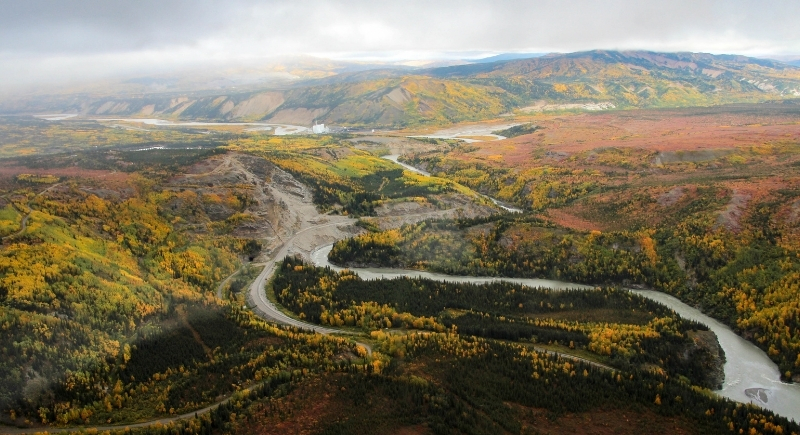
Denali National Park
Credit: Getty Images
Access narrows sharply in Denali during the colder season, and that constraint defines the experience. Travel becomes deliberate, often by ski or dog sled, and visitor numbers fall away. Wildlife sightings are sparse, but tracks crisscross fresh snow. On clear nights, attention shifts upward as auroras replace mountain views during extended darkness.
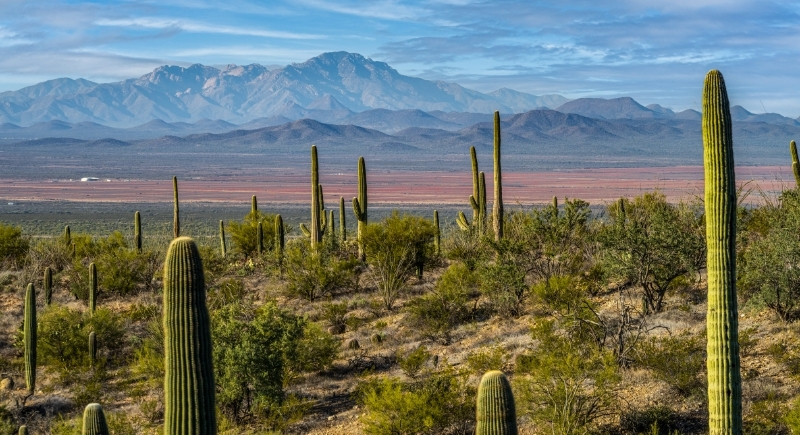
Saguaro National Park
Credit: Getty Images
Cooler temperatures open up desert trails that feel impractical for much of the year. Hiking shifts from early-morning necessity to midday possibility. Saguaros sometimes hold frost along their arms at sunrise, a short-lived detail that changes how the landscape photographs and feels. Evening temperatures encourage longer stays outdoors, especially during stargazing programs that rely on clear winter skies.
Acadia National Park
Credit: Getty Images
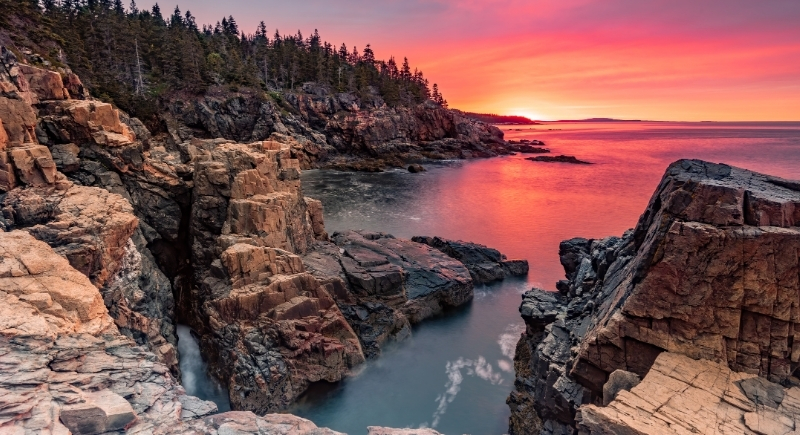
Once vehicles leave the carriage roads, Acadia becomes a network of human-powered routes. Skiers and snowshoers replace cyclists, and movement slows naturally. Ocean conditions remain active, sending waves against frozen granite. Wildlife sightings drop, but birdwatchers track winter species. Nearby towns remain functional, which subtly changes how visits are planned.
Hot Springs National Park
Credit: Canva
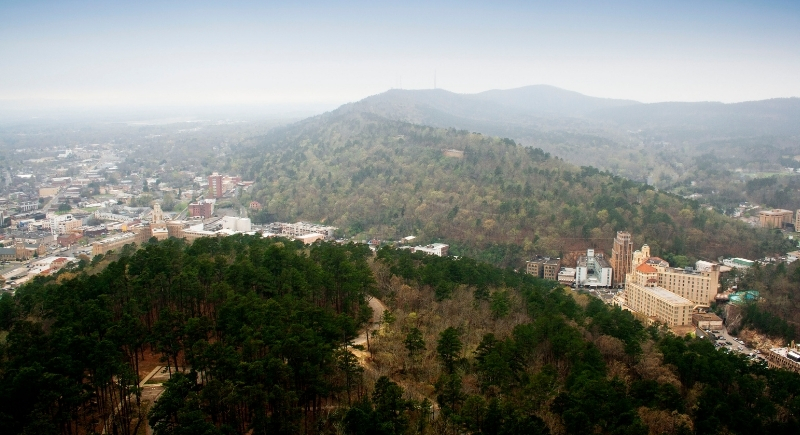
Unlike most national parks, Hot Springs National Park is situated in an unusual position, surrounded by a functioning city rather than far from it. The bathhouses become part of everyday routines once cooler air settles in.