National Park Fishing Spots That Are Every Angler’s Dream Trip
A great fishing trip usually comes down to a few simple things: getting to the right spot, showing up at the right time, and knowing where fish are most active. The good part is that several U.S. national parks offer exactly that. These waters are protected, so the fish behave more naturally, which makes each catch feel more earned and a lot more satisfying.
That said, every park comes with its own rules, and conditions can change quickly depending on the season and location. A little planning goes a long way. If you take the time to understand the water and follow local guidelines, there are plenty of places that can give you a steady shot at a rewarding day on the water.
Everglades National Park, Florida
Credit: Wikimedia Commons
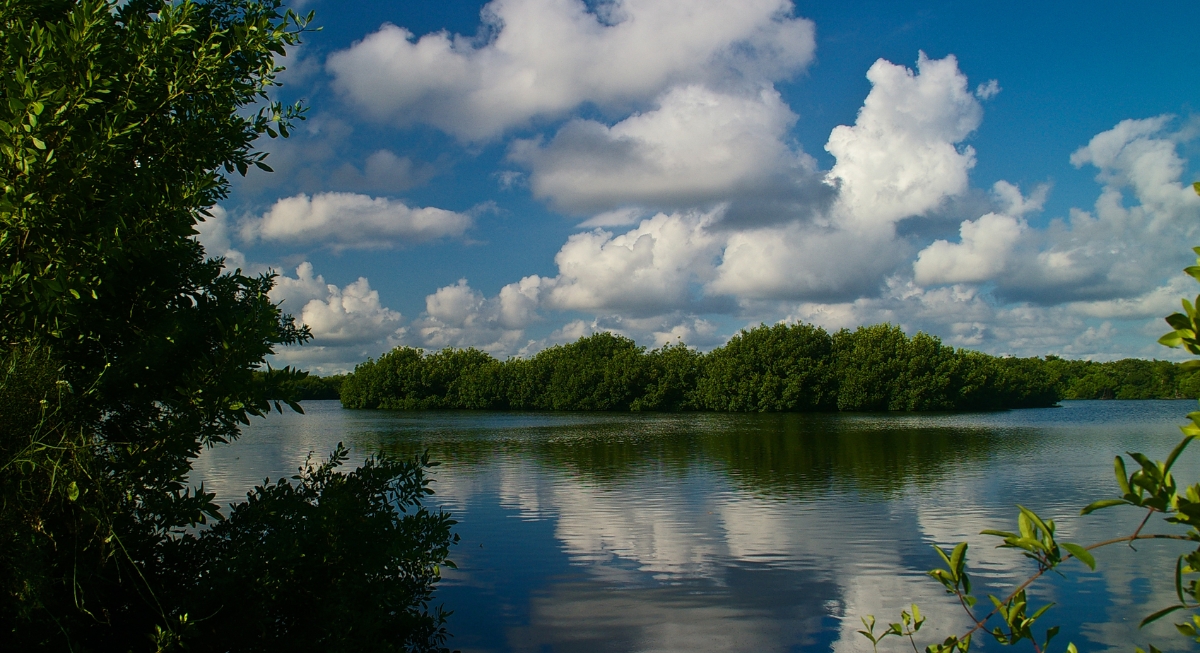
The Everglades National Park, spanning roughly 7,800 square miles, holds one of the largest intact wetland systems in the United States. Mangroves, shallow flats, and brackish creeks create a layered environment that rewards preparation. Redfish and snook dominate cooler months, while tarpon activity builds during warmer seasons.
Dry Tortugas National Park, Florida
Credit: Wikimedia Commons
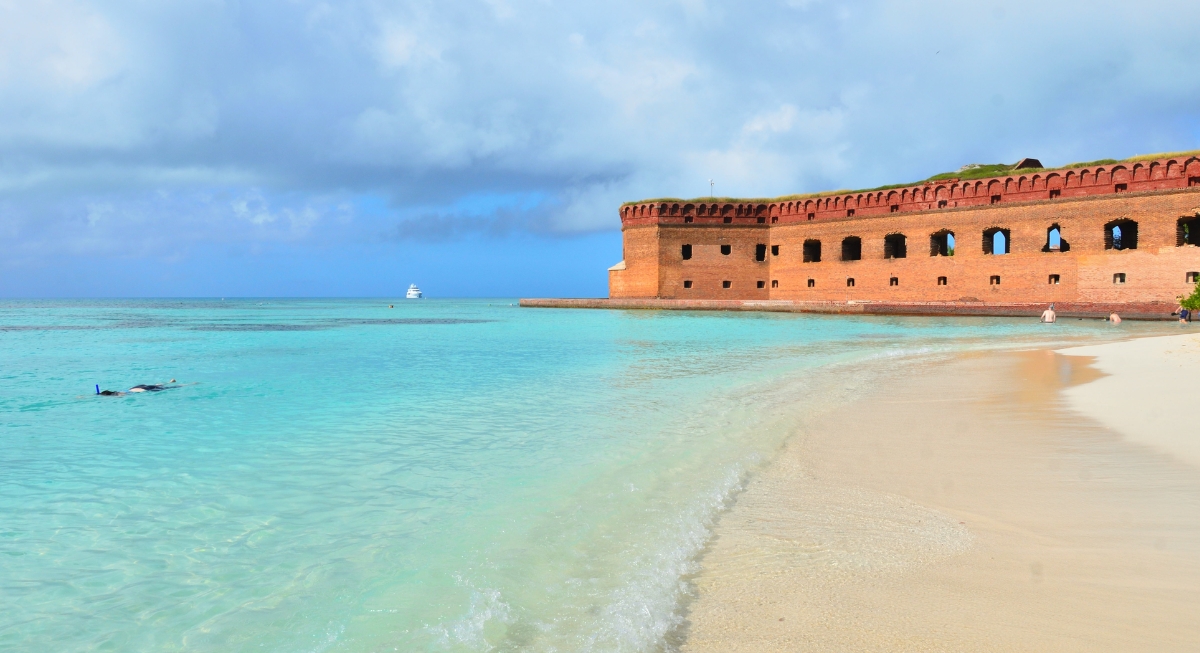
Since the Dry Tortugas National Park is located about 70 miles west of Key West, you will need a boat or a seaplane to get there. This is one of the primary reasons casual visits are rare in this area. But the isolation helps maintain strong fish populations across both shallow and deep areas. You can target mutton snapper, grouper, tuna, and sailfish across different depths.
Grand Teton National Park, Wyoming
Credit: Wikimedia Commons
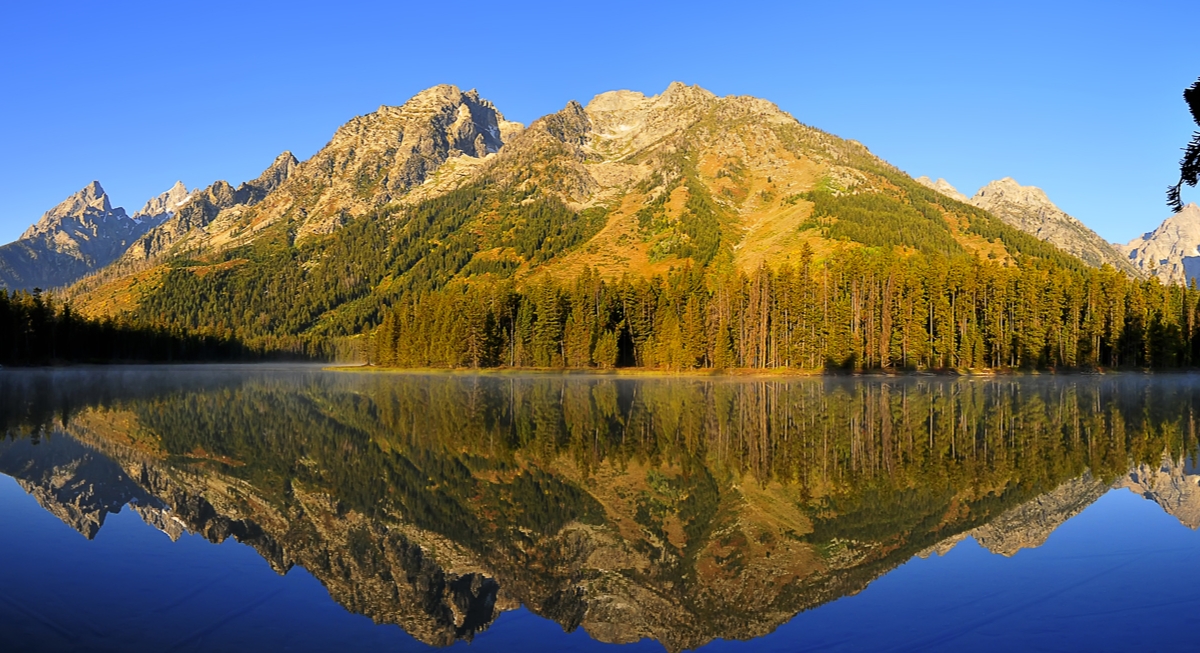
You will find a diverse mix of trout species throughout Grand Teton National Park, shaped by its clear-flowing rivers and cold alpine lakes. Cutthroat trout remain the primary draw for most anglers, though brown and rainbow trout are also widely present across the region. Fishing conditions tend to improve after spring runoff subsides and make summer and early fall the most reliable windows for better river access.
Glacier National Park, Montana
Credit: Wikimedia Commons
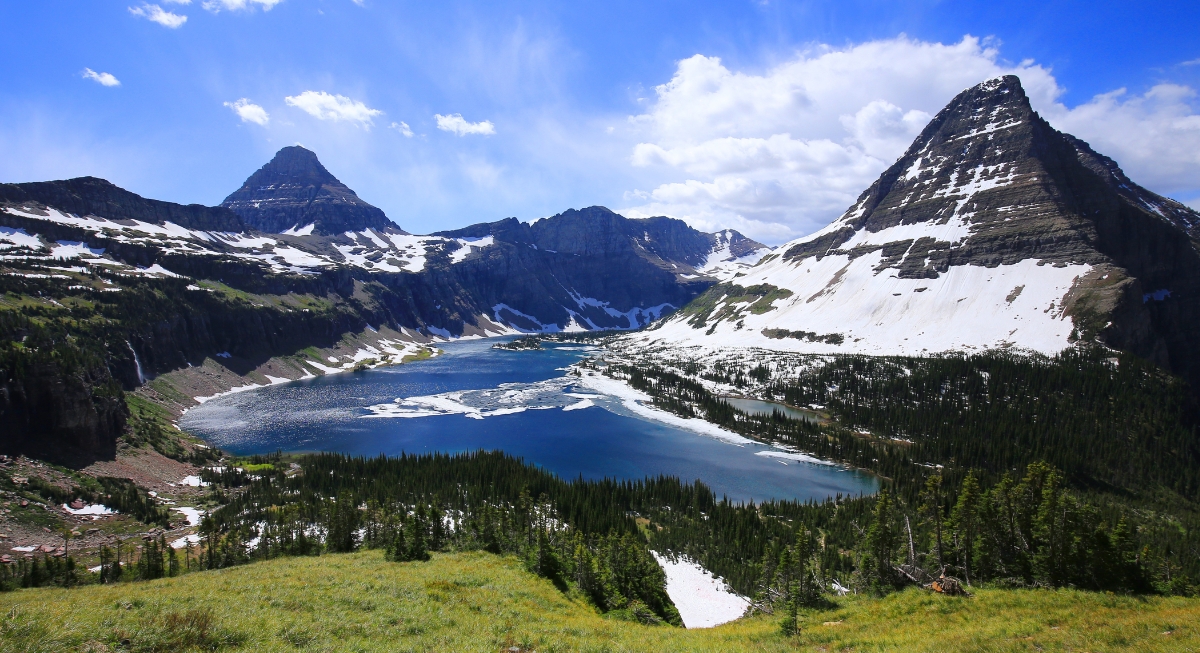
One detail that sets this park apart is that solo anglers can fish without a license. High-elevation rivers and lakes define the experience, with water levels shaped by glacial runoff and seasonal snowmelt. By summer, flows tend to drop, and the water clears up, which makes it easier to spot fish and improves feeding activity.
Acadia National Park, Maine
Credit: Wikimedia Commons
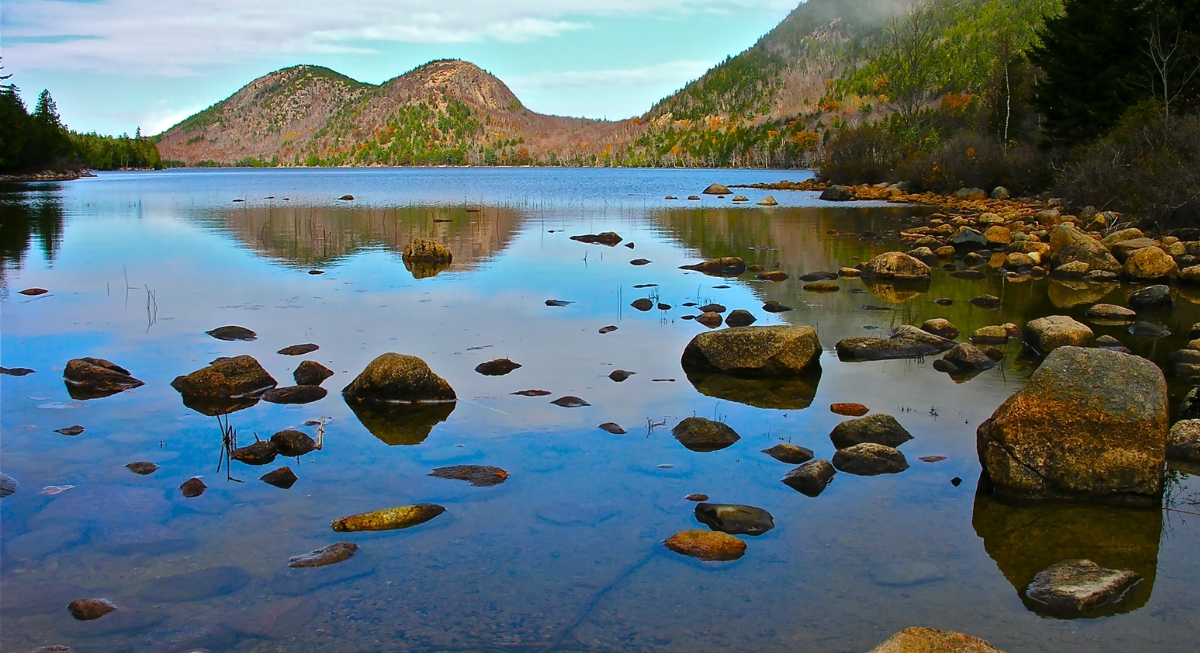
It is common to catch brook trout, salmon, and bass in the freshwater areas at Acadia National Park, where inland lakes and ponds sustain a steady fish population. Nearby ocean waters host striped bass and mackerel, giving anglers more than one way to plan their day. Long Pond remains a popular spot for landlocked salmon during warmer months.
Biscayne National Park, Florida
Credit: Wikimedia Commons
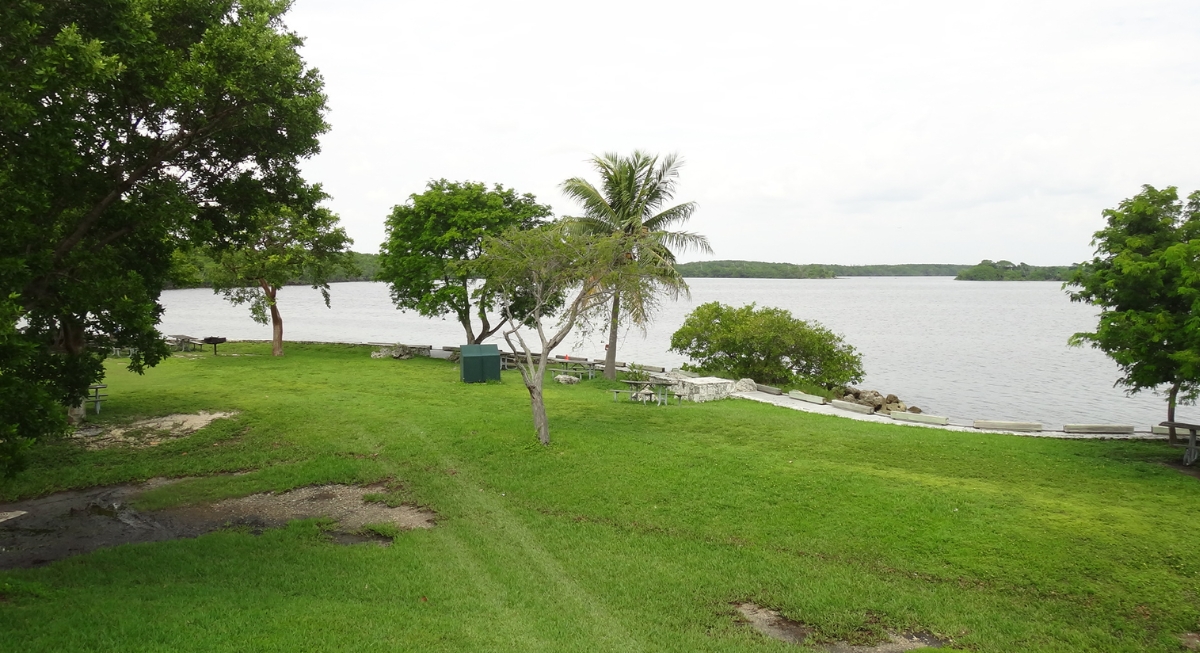
Covering more than 172,000 acres, this marine sanctuary protects coral reefs, mangroves, and shallow flats. Clear water conditions at Biscayne National Park further allow enthusiasts to spot fish before casting, which changes how they approach each opportunity. Bonefish, tarpon, and permit move actively through the area during the peak season between March and June.
Yellowstone National Park, Idaho, Montana, And Wyoming
Credit: Canva
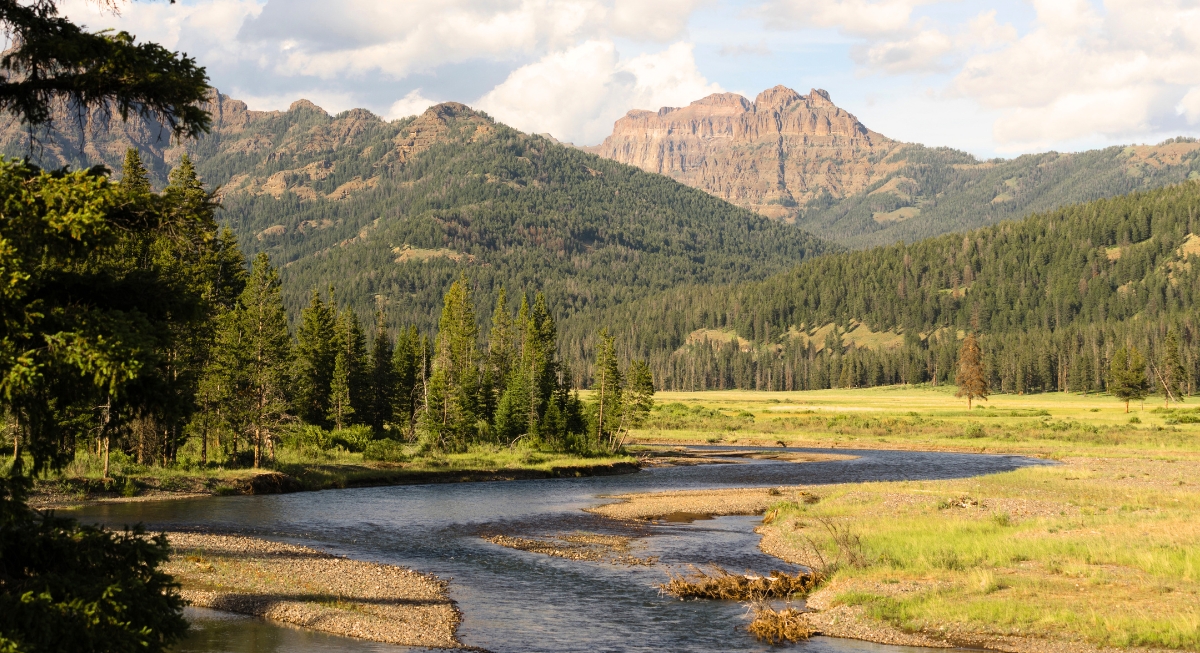
As one of the most established national parks, Yellowstone spans three states and offers a wide range of trout habitats. The location stands out as one of the largest high-elevation lakes in the United States, and is home to both native and non-native trout species. Cutthroat trout is a primary focus, especially in areas like Lamar Valley.
Great Smoky Mountains National Park, North Carolina and Tennessee
Credit: Wikimedia Commons
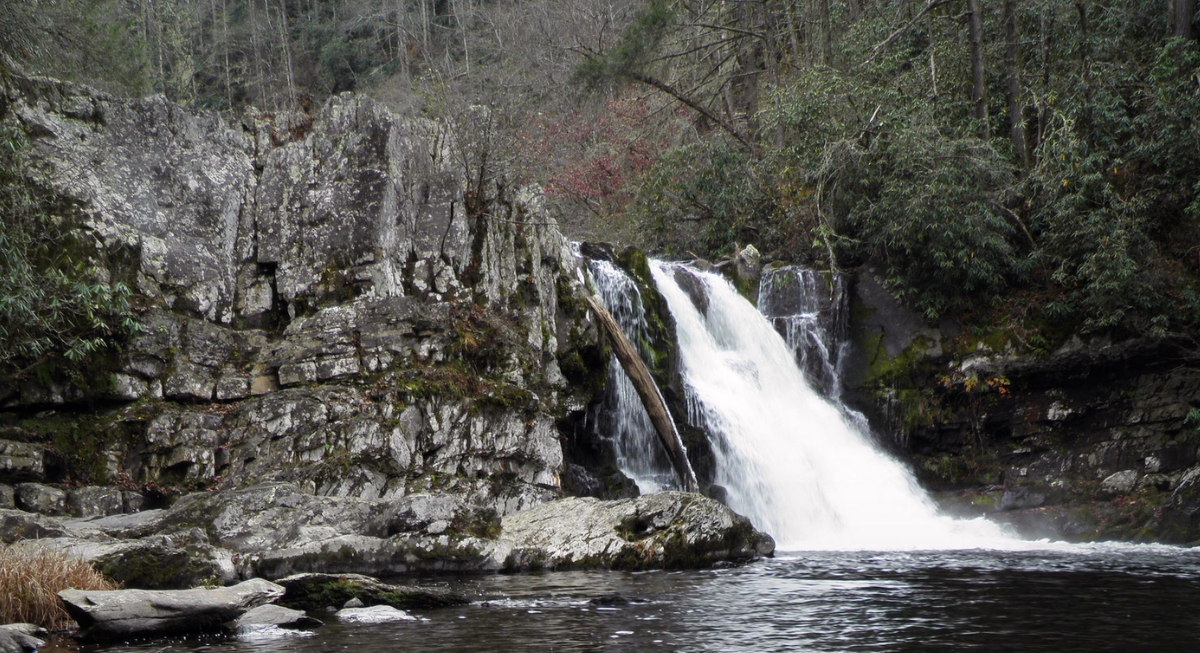
When you plan a trip to the Great Smoky Mountains National Park, make sure to apply for a valid fishing license through either North Carolina or Tennessee before heading out. Nearly 2,900 miles of streams run through this park, though only a portion holds trout populations. Higher areas support native brook trout, which remain among the few healthy populations in the eastern United States.
Katmai National Park And Preserve, Alaska
Credit: Wikimedia Commons
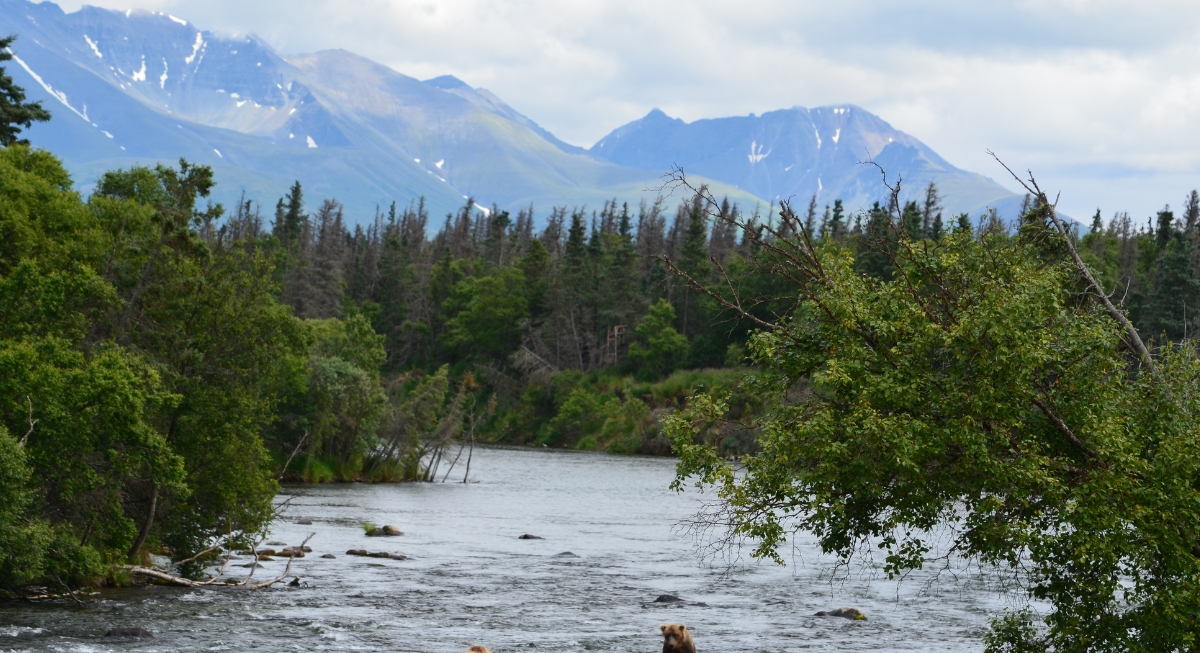
Though the Katmai National Park and Preserve is your gateway to catch all five Pacific salmon species, it comes with certain conditions that demand attention. Bears frequently feed in the same area, so anglers must stay alert and follow strict safety practices at all times. In addition to that, anyone planning to fish independently must carry a valid Alaska sport fishing license before entering park waters.
Rocky Mountain National Park, Colorado
Credit: Wikimedia Commons
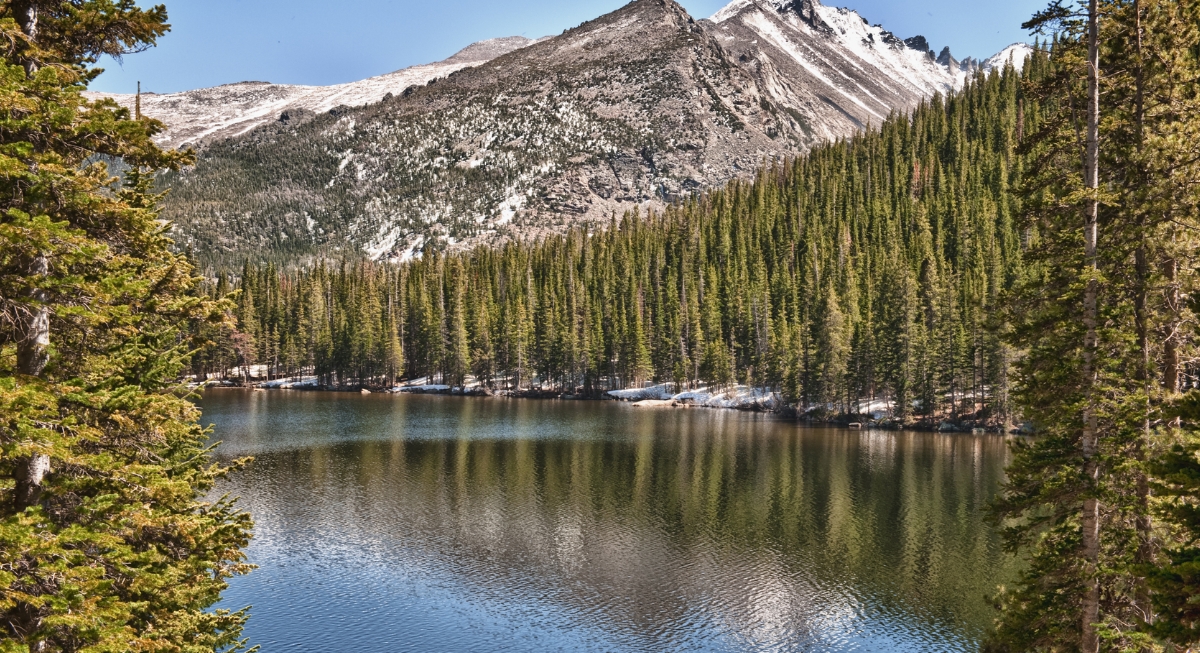
July and August bring the most consistent casting conditions across Rocky Mountain National Park, largely due to increased insect activity that drives trout feeding. Streams and alpine lakes pave the way toward brown, brook, rainbow, and cutthroat trout during these warmer months. Many anglers hike upstream to reach less crowded areas where fish respond more actively.
Wrangell-St. Elias National Park And Preserve, Alaska
Credit: Wikimedia Commons
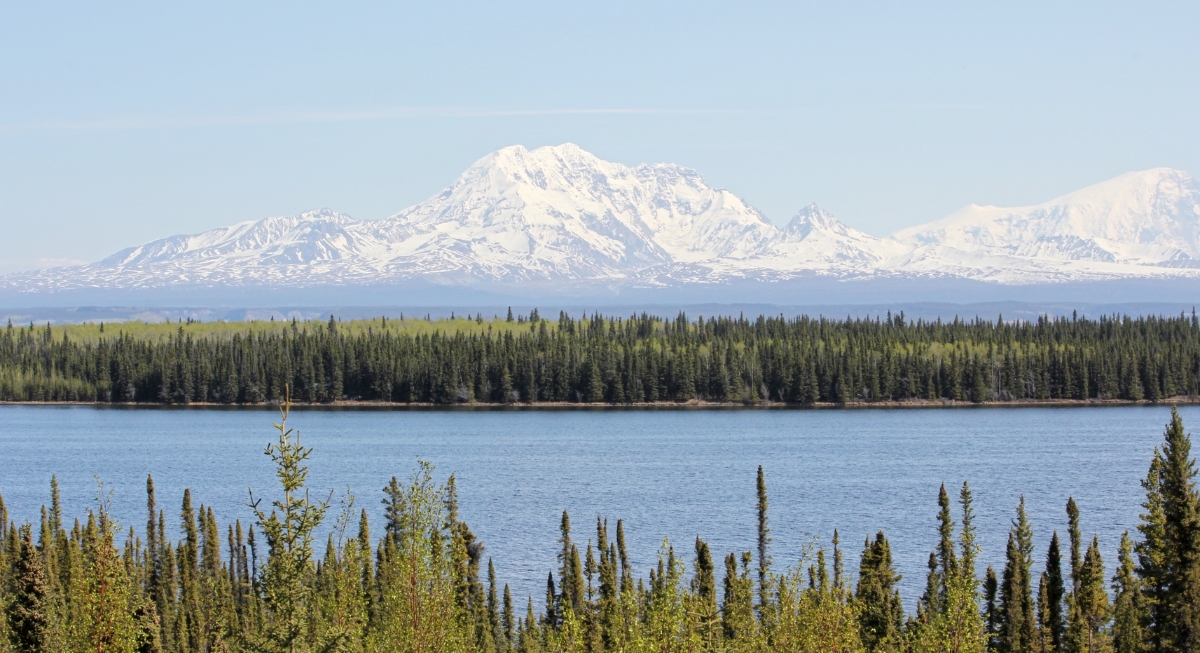
One of the few places where you can fish both coastal waters and high mountain streams is Wrangell-St. Elias National Park and Preserve. These places hold salmon, arctic char, grayling, and several trout species across their vast terrain. But getting there can be difficult as it requires you to book air taxis or chartered support.