10 Museums Dedicated to Bizarre Things (Like Barbed Wire or Salt and Pepper Shakers)
Odd museums exist because people decided everyday objects, failed ideas, and niche interests deserved permanent attention. Many began as personal collections that outgrew basements and garages. These museums focus on single topics that traditional institutions overlook. Visitors tend to remember these places because unusual topics stick in their minds. Admission at smaller niche museums commonly ranges from $5 to $30 across the United States and Europe.
Museum Of Failure
Credit: Facebook
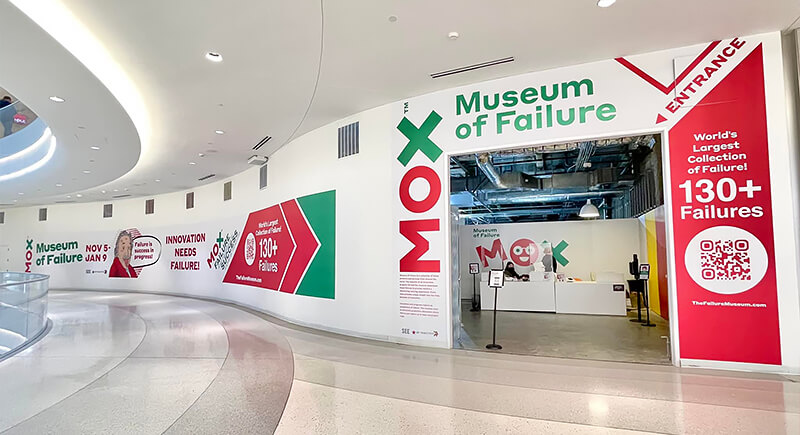
Product launches sometimes collapse despite massive budgets and confident forecasts. Even business historians use failed products to study consumer behavior and decision-making errors. That’s why Sweden’s Museum of Failure is pretty interesting, which showcases discontinued products like Google Glass and New Coke. Each object includes a background explaining why companies expect success.
International Banana Museum
Credit: Instagram
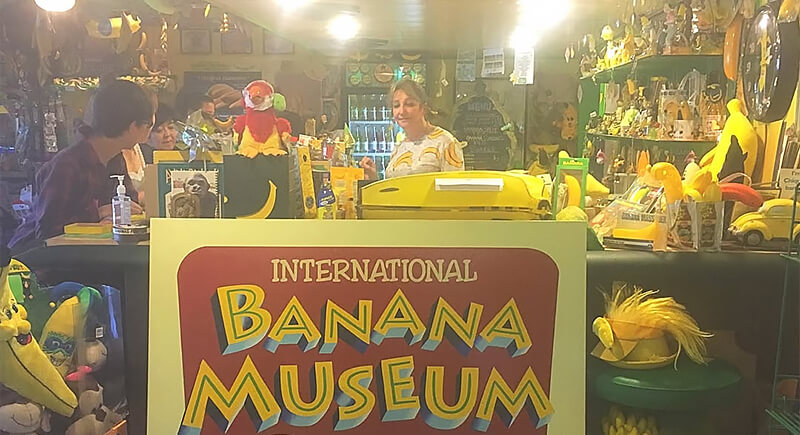
A single fruit dominates every square inch of the International Banana Museum, which contains more than 25,000 banana-related items collected over decades. Furniture, clothing, advertisements, and kitchen tools all follow the same theme. The California museum began as a roadside attraction before expanding indoors.
Museum Of Bad Art
Credit: Facebook
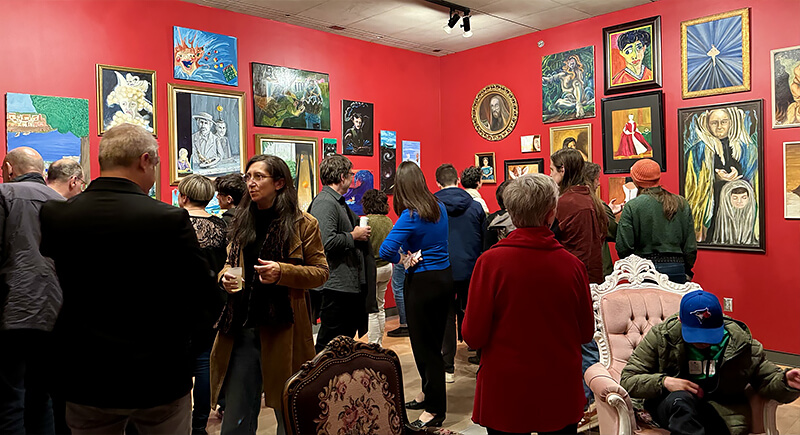
Bad art becomes fascinating when you can see the effort behind it. The Museum of Bad Art in Massachusetts collects works made with genuine intent but noticeable technical flaws. Curators avoid children’s drawings or casual doodles and focus on pieces that aimed high and missed. Visitors often spend more time studying these paintings and sculptures than polished masterpieces, since visual mistakes tend to hold attention longer.
Spam Museum
Credit: Wikimedia Commons
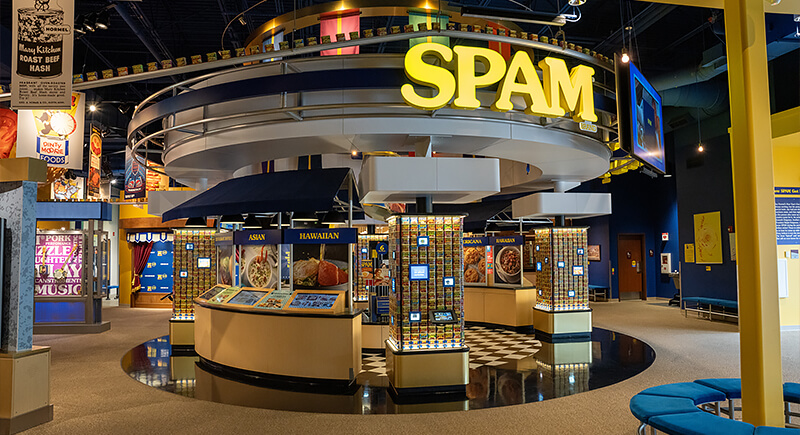
Food historians study Spam as an example of wartime supply influence, and the Spam Museum in Austin, Minnesota, explains how Spam became essential during World War II due to its long shelf life. Interactive exhibits simulate factory assembly lines. Displays show how Spam entered Pacific cuisines through the U.S. military presence.
Leila’s Hair Museum
Credit: Tripadvisor
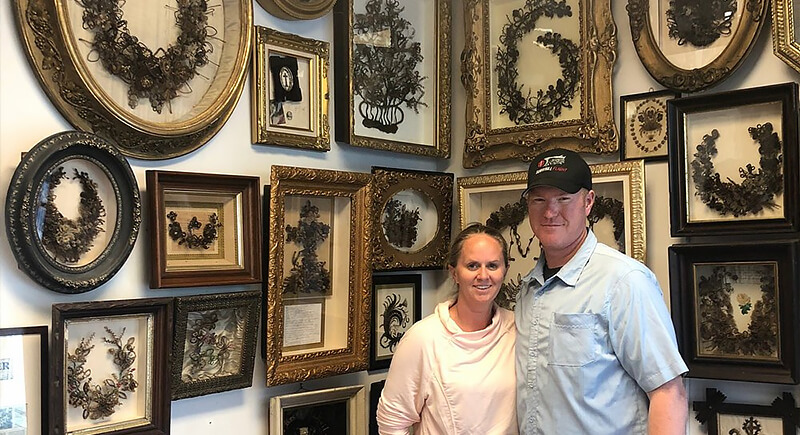
Hair once served as a deeply personal keepsake, and before photography became common, hair art offered a physical reminder of relationships. So, it makes sense that Missouri’s Leila’s Hair Museum displays more than 600 hair wreaths and roughly 2,000 jewelry pieces made entirely from human hair. Many date to the Victorian era when mourning jewelry preserved memories of loved ones.
Museum Of Jurassic Technology
Credit: Tripadvisor
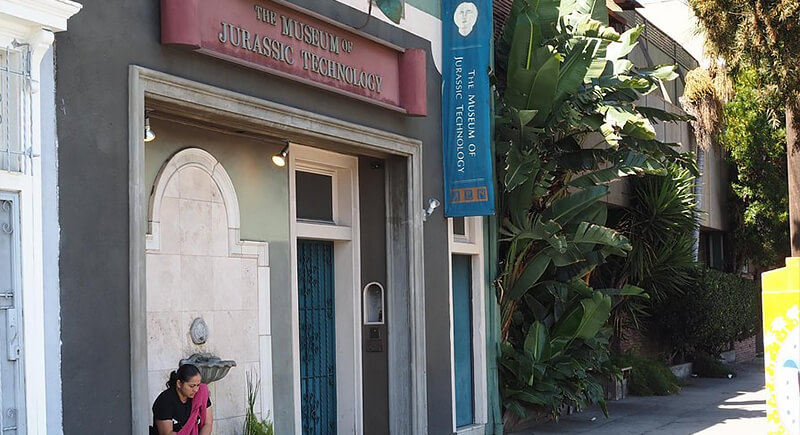
The Museum of Jurassic Technology presents real science alongside fictional research without clear labels. Exhibits discuss memory studies, decay theories, and obscure inventions. Low lighting and whispered narration influence how visitors judge credibility.
Salt And Pepper Shaker Museum
Credit: Facebook
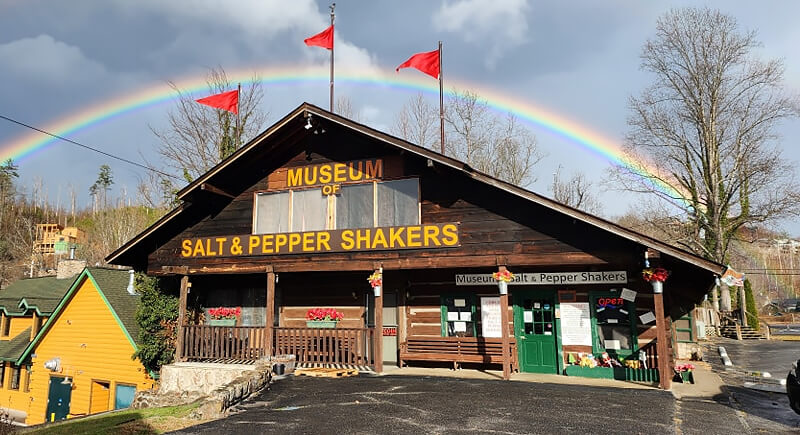
In Gatlinburg, Tennessee, the Salt and Pepper Shaker Museum houses more than 20,000 sets. What seems like a simple kitchen item turns out to reflect changing design trends, materials, and pop culture over time. The displays are arranged by era and theme, from elegant crystal pieces to playful character sets. Historians often look at everyday household objects like these to trace shifts in manufacturing and consumer taste.
Mutter Museum
Credit: Wikimedia Commons
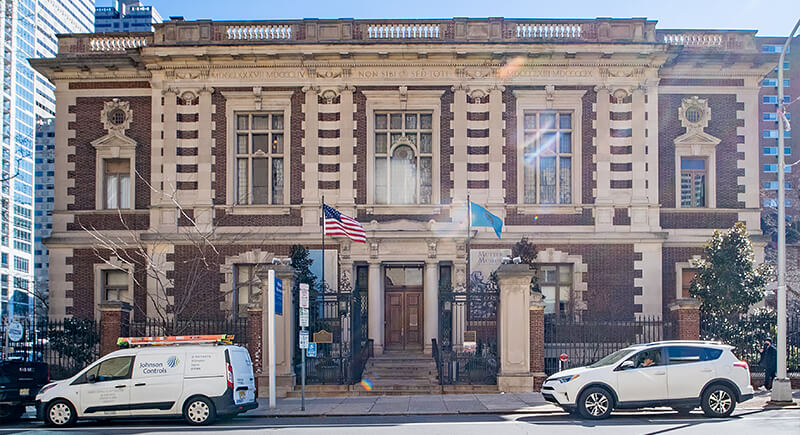
Medicine once relied on methods that seem shocking today, as real specimens help explain disease progression more clearly than textbooks. Philadelphia’s Mutter Museum houses preserved specimens and anatomical models. The collection includes conjoined twin remains and large kidney stones removed during surgery. Operated by the College of Physicians of Philadelphia, the museum supports medical education.
Devil’s Rope Museum
Credit: Wikimedia Commons
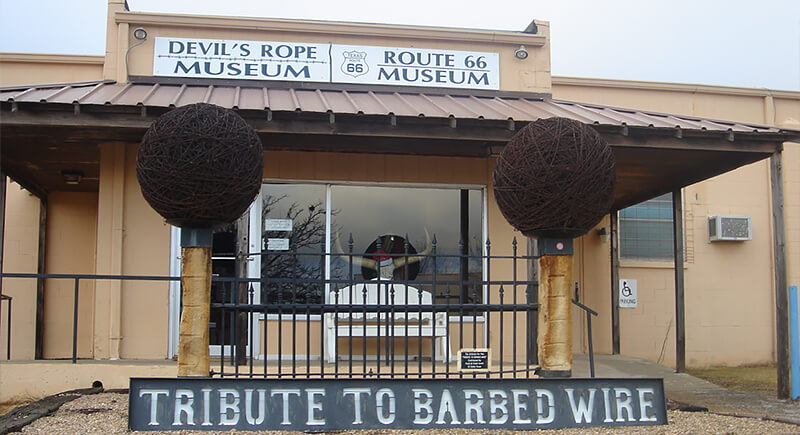
Barbed wire allowed ranchers to fence large areas cheaply, and the invention ended open-range grazing across much of the American West. Agricultural historians link fencing technology to settlement expansion patterns. If you go to Texas, the Devil’s Rope Museum documents its history through hundreds of patented designs.
National Mustard Museum
Credit: Wikipedia
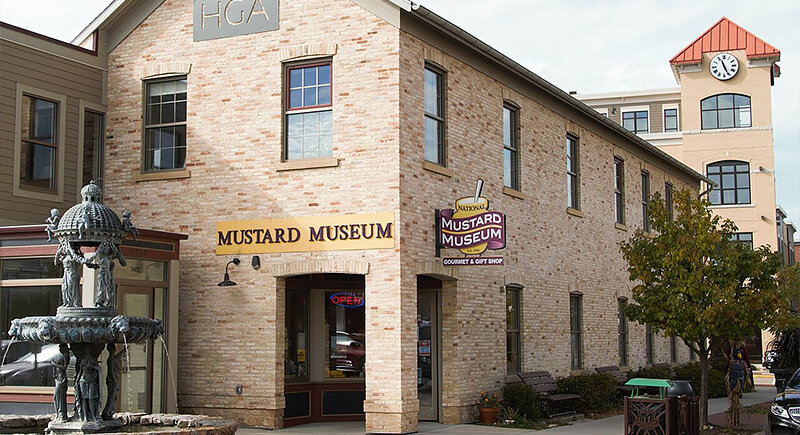
Given how well condiments reflect regional taste preferences, the National Mustard Museum displays over 6,000 mustards from all 50 states and more than 70 countries. Visitors of this Middleton, Wisconsin attraction sample different styles at tasting stations. Moreover, exhibits explain how climate and agriculture influence flavor.