This Museum Lets You Travel Inside the Human Body, and It’s Trippy
Tourist spots don’t usually start at the knee and end in the brain, but this one does. The Corpus Museum in the Netherlands skips the glass cases and lets visitors physically walk through a giant body, complete with organs. By combining science with sound and light, it transforms anatomy into something you experience, rather than just observing.
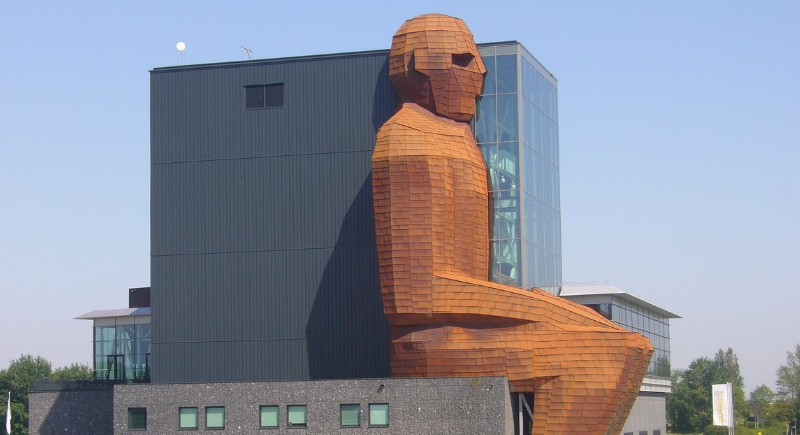
The Building Is a Giant Human Figure
Credit: Wikimedia Commons
The museum resembles a person seated in a modern office building. That towering structure serves as the exhibit itself. Visitors step into a 115-foot-tall anatomical figure and explore its interior system by system. It’s one of the only museums in the world where the actual building is the attraction.
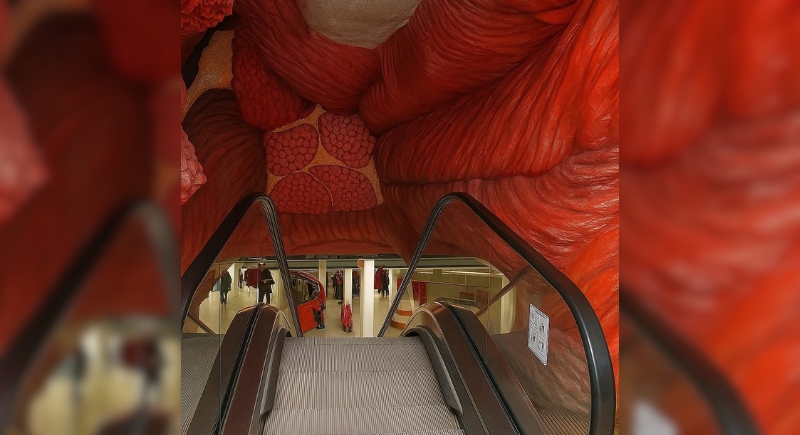
You Enter Through the Knee

Credit: Instagram
Instead of starting with a ticket scanner, guests ride an escalator straight into a replica knee joint. That’s where the tour kicks off. Inside, there’s a huge model showing how ligaments, cartilage, and bones interact. You can also see what happens when things go wrong, such as ACL injuries or inflammation.
The Heart Has a Built-In Pulse

Credit: Canva
There’s a moment when visitors feel the floor thumping beneath their feet, in sync with a heartbeat. That’s the museum’s heart room in action. Red lighting and moving projections simulate blood flow and oxygen exchange. It’s immersive but accurate, and yes, there’s a 5D theater that takes you on a ride as a blood cell.
Food Takes a Wild Ride
Credit: Instagram
Once you reach the digestive system, things become more complex in the best way. You walk through a stomach that churns and growls, then into the intestines, which stretch endlessly through tunnels. Along the way, projections show how food breaks down and how nutrients get absorbed.
Brain Waves Light Up the Room
Credit: Instagram
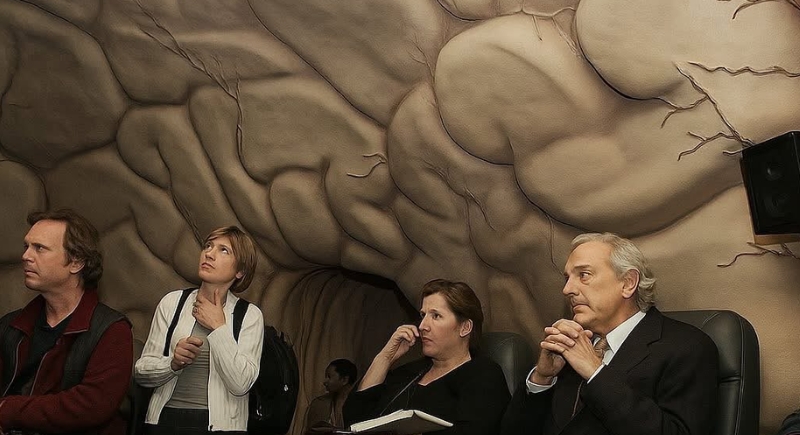
Inside the brain section, lights flash in patterns that mimic neural activity. Visitors watch simulations of how memories form and how reflexes work. There’s no quiz at the end, but the interactive pieces test reaction time and focus. A few displays even explore sleep and dreams.
Everything Is Guided by Audio

Credit: Facebook
Instead of reading signs, you wear a headset that narrates the trip through the body. It explains what you’re seeing as you move from room to room. There are options available in several languages, making it friendly for international guests. The tone is casual but informative, and the timing keeps the experience moving at a steady pace.
You Can “Hear” What Happens in the Ear
Credit: Instagram
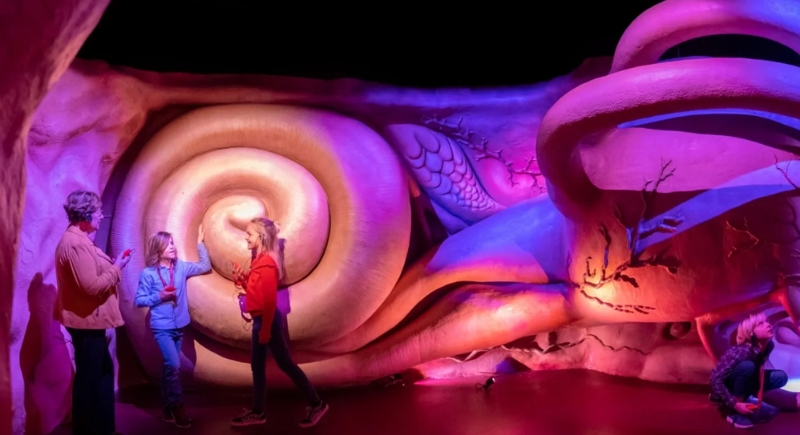
One stop on the tour drops you right into the middle ear. Here, vibrations, sounds, and projections show how we process everything from whispers to music. The anatomy is scaled way up—ear bones look like giant sculptures. It’s one of the quieter stops, unless they’re demoing how eardrums react to loud noises.
The Reproductive Area Handles It Well
Credit: Facebook
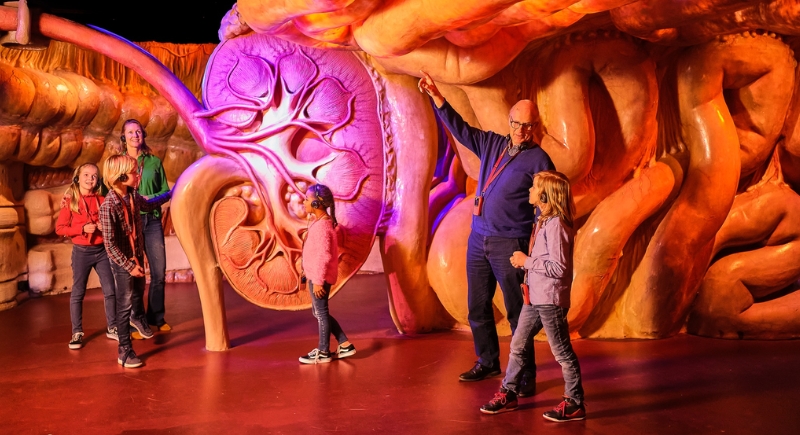
This part of the walkthrough doesn’t feel awkward or over-the-top. It focuses on reproduction as a biological system. Visitors learn about fetal development and hormonal changes. The space is informative and neutral, designed to make science approachable for both kids and adults without skipping over important facts or oversimplifying anything.
After the Tour, There’s More to Do
Credit: Instagram
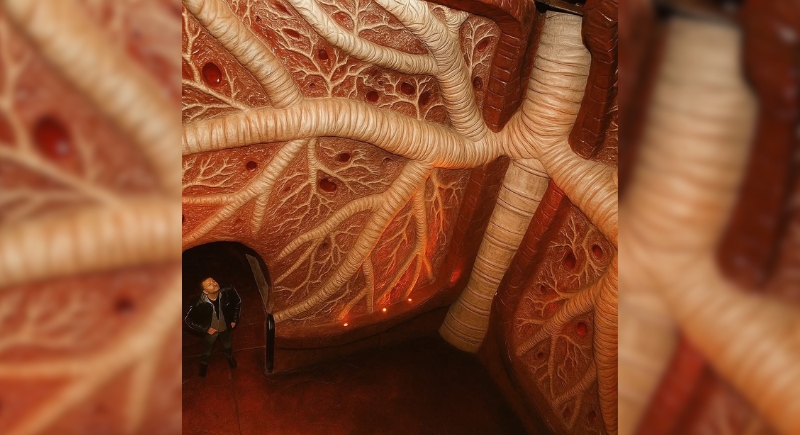
The walkthrough ends in an interactive zone called “My Corpus.” Visitors can test their lung capacity or check how fast they react to stimuli. Some exhibits use games or digital challenges to explain complex health concepts. It’s all hands-on, so the learning doesn’t stop once the main tour ends.
Tickets Sell Out Fast

Credit: pexels
Because each tour is limited to a small group, reservations are timed and often fill up quickly, especially during school breaks. The entire experience lasts approximately two and a half hours, so be sure to wear comfortable shoes and allow time for snacks at the café afterward. The gift shop’s heavy on anatomy-themed souvenirs, of course.