10 Must-Know Tips for Moving Your Pet to Europe or Asia
Moving a pet across continents is not as simple as it may seem, with the details involved. One missed document, one mistimed vaccine, or one overlooked rule can delay the entire move or even prevent your pet from entering the country. Every step of the process has to line up correctly, especially when heading to Europe or Asia, where regulations are strict and enforced.
Start With Country-Specific Rules First
Credit: iStockphoto
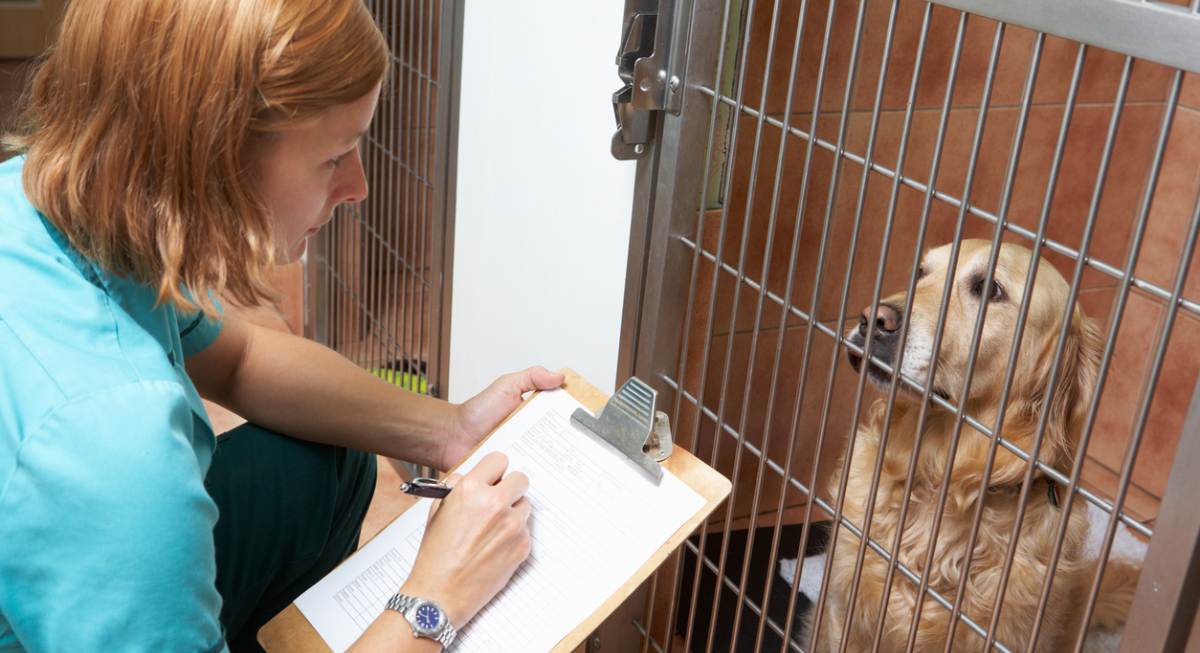
Every country sets its own pet import requirements, and they are rarely identical. Some require specific vaccines, others demand additional paperwork, and a few have strict entry windows. Assuming the process is the same across Europe or Asia leads to mistakes that can delay entry or trigger extra inspections at the border.
Get the Microchip Done Before Anything Else
Credit: Canva
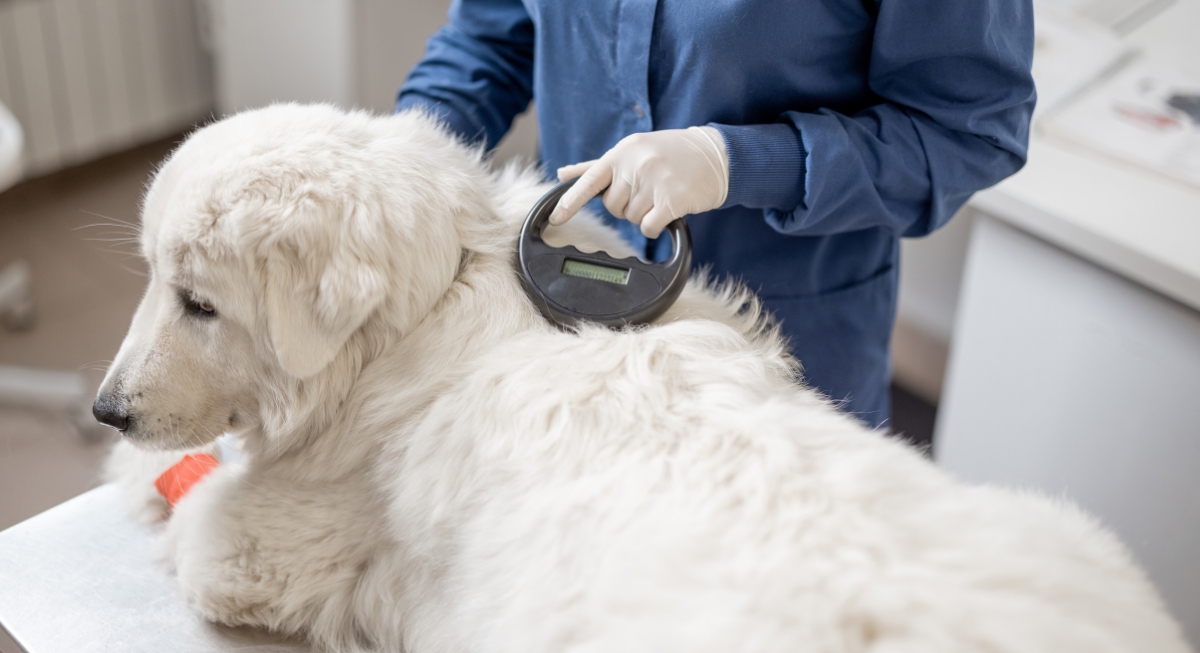
Microchipping is not just a box to check. In many countries, the chip must be ISO-compliant, and it often has to be implanted before the rabies vaccine is given. That order matters because the chip is what links the animal to the medical record. If the vaccine comes first and the microchip comes later, the paperwork may no longer match the import rules.
Match Rabies Timing to the Entry Window
Credit: Getty Images
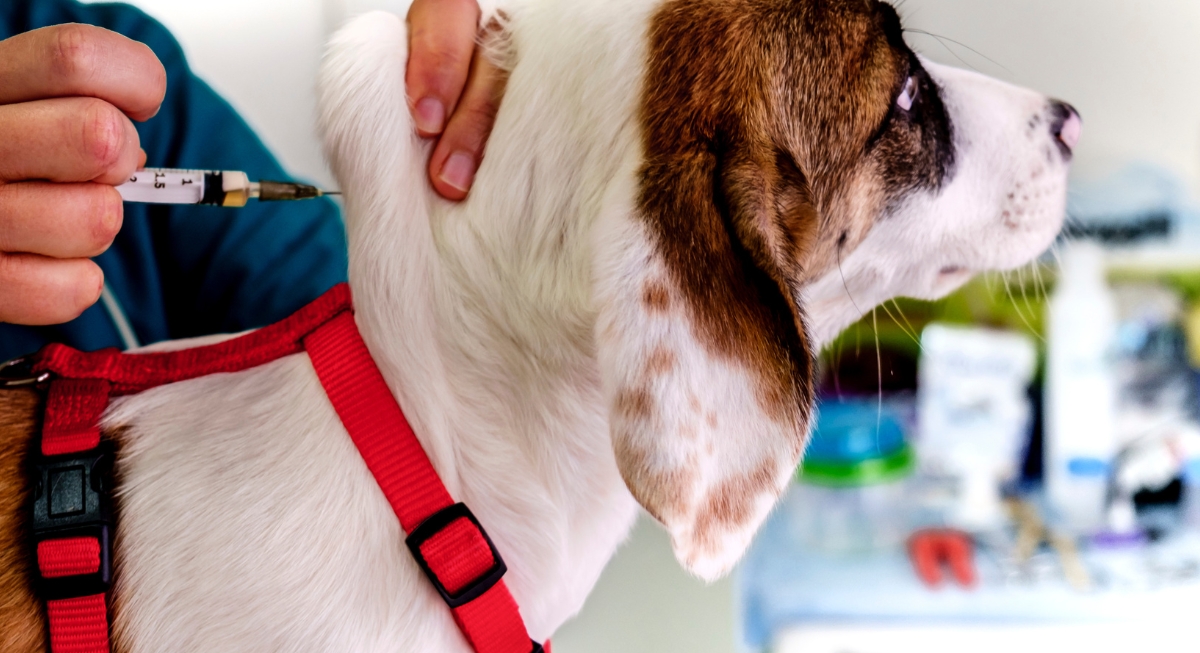
Rabies compliance is critical, and it is not simply “vaccinated or not vaccinated.” Many destinations require the shot to be given within a specific timeline before travel. The United Kingdom, for example, requires a pet to be microchipped and then vaccinated against rabies at least 21 days before entry. Some countries also require a rabies titre test on top of the vaccine. The timing has to match the destination’s rules exactly.
Use the Correct Health Certificate, Not Just Any Health Certificate
Credit: iStockphoto
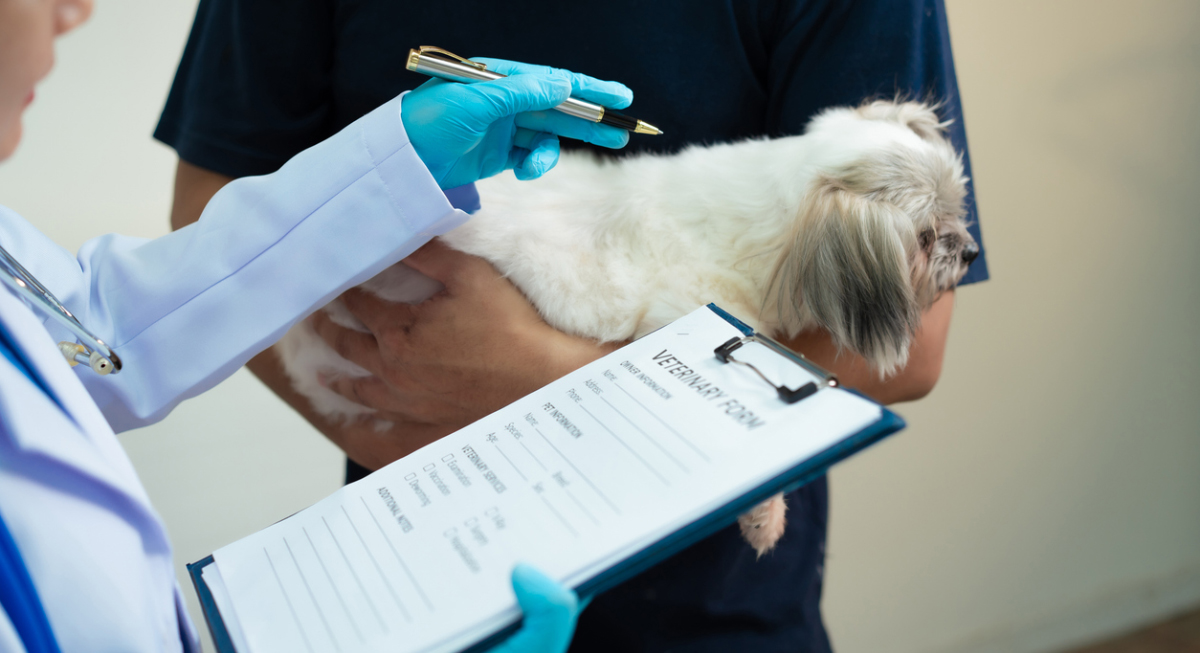
Most countries want a formal health certificate, and many require it to be issued close to the travel date. Some destinations also require government-endorsed forms. That means the certificate must be the correct document, in the correct format, signed in the correct window. If it is dated too early or issued on the wrong form, it may be useless at customs.
Check Whether You Need Pre-Approval, Permits, or Region-Specific Papers
Credit: Getty Images
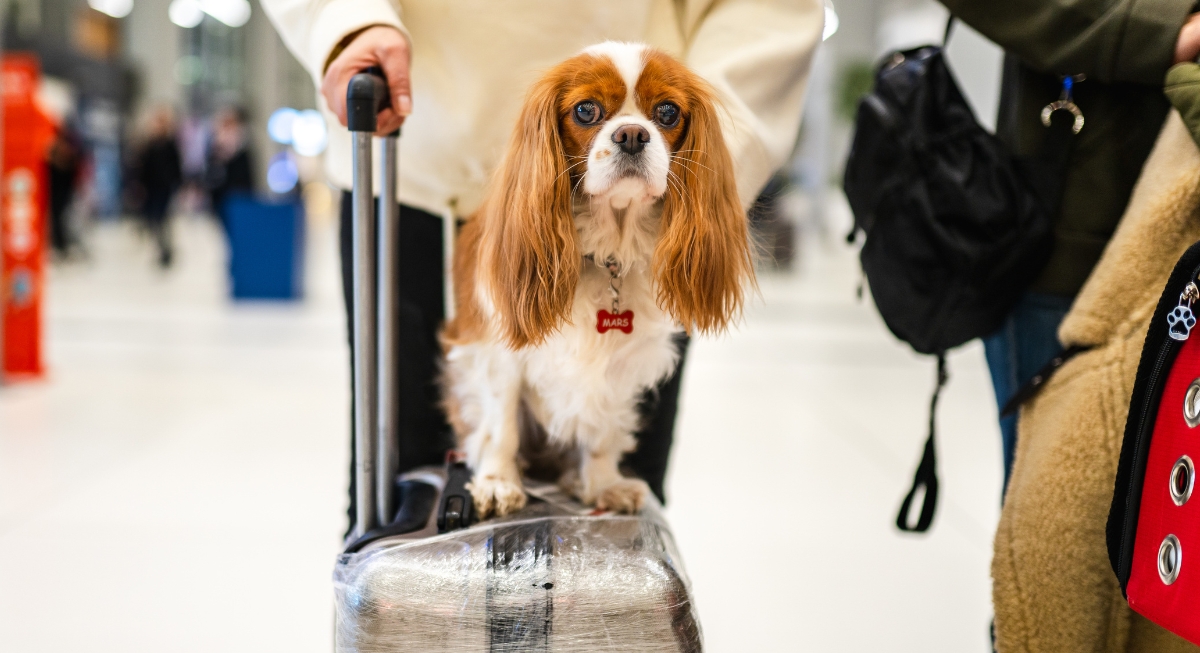
Some moves fail because the owner gathers the obvious records and misses the country-specific extras. Depending on the destination, this may include import permits, an EU pet passport, or forms such as APHIS Form 7001. These are all tied to the destination and sometimes to the country of origin as well.
Find Out If Quarantine Is Part of the Move
Credit: iStockphoto
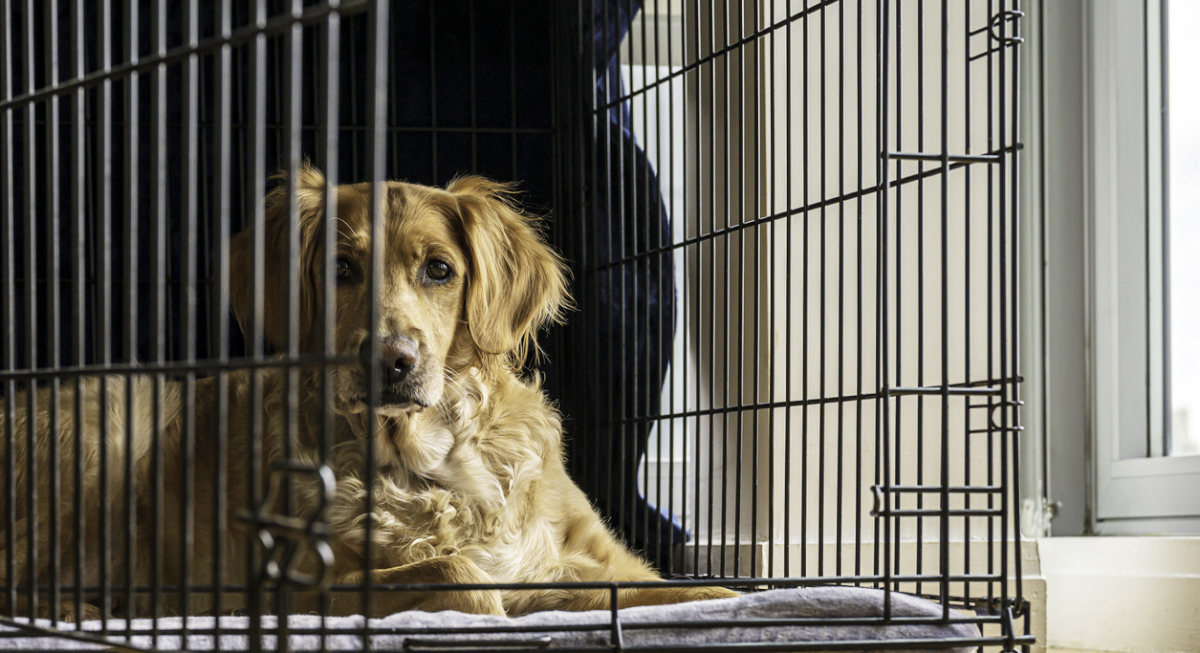
In some countries, quarantine shapes the entire relocation. Australia and New Zealand are common examples of places with stricter quarantine systems, and other destinations can impose isolation if requirements are not met precisely. This affects cost, timing, and where your pet will live after arrival. It is one of the first things to confirm, because it can change the move even when all other paperwork is correct.
Verify Breed, Size, and Temperature Restrictions Before You Book Anything
Credit: Canva
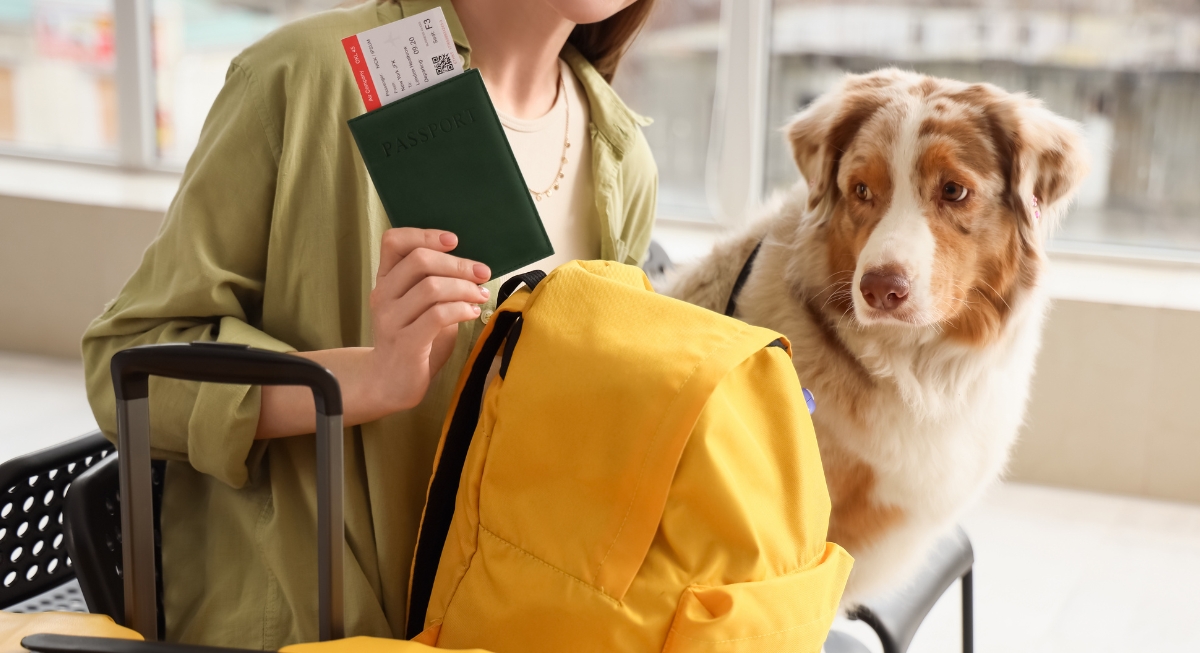
Not every pet is eligible for every route. Some countries restrict specific breeds, especially certain breeds of dog. Transport providers may also refuse snub-nosed pets, large animals, or bookings during temperature extremes. These restrictions can shut down an itinerary at the last minute if you wait too long to check them. The safest sequence is to confirm that your pet is allowed before you commit money to transport, housing, or departure dates.
Choose the Crate Based on Rules, Not Convenience
Credit: Canva
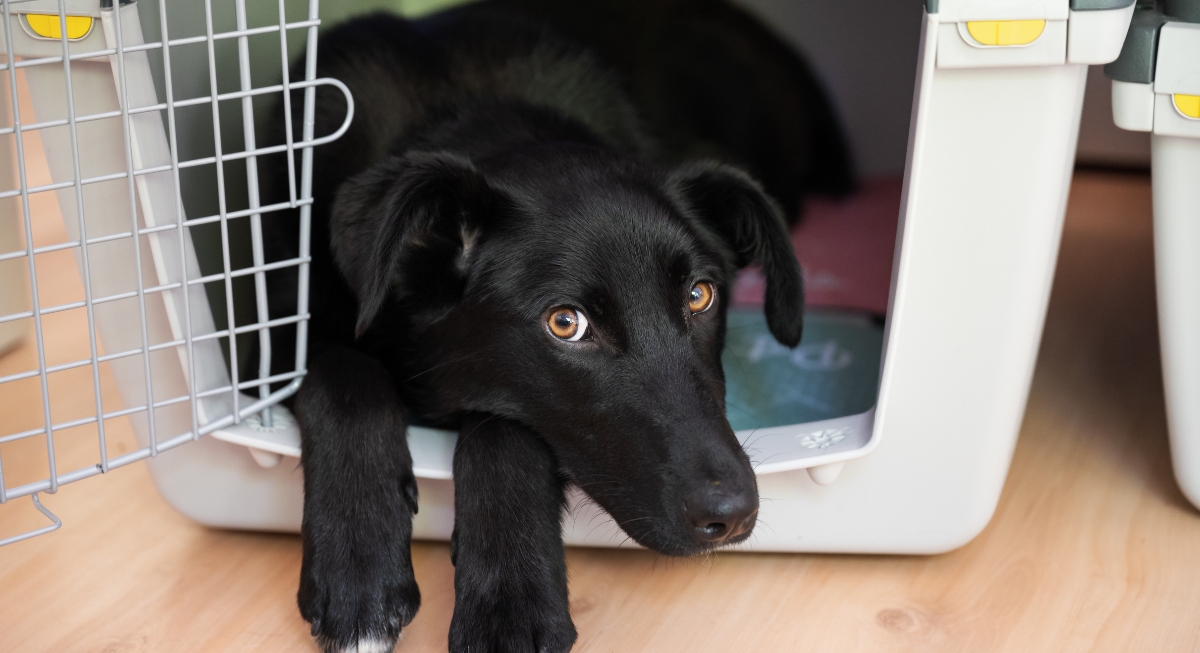
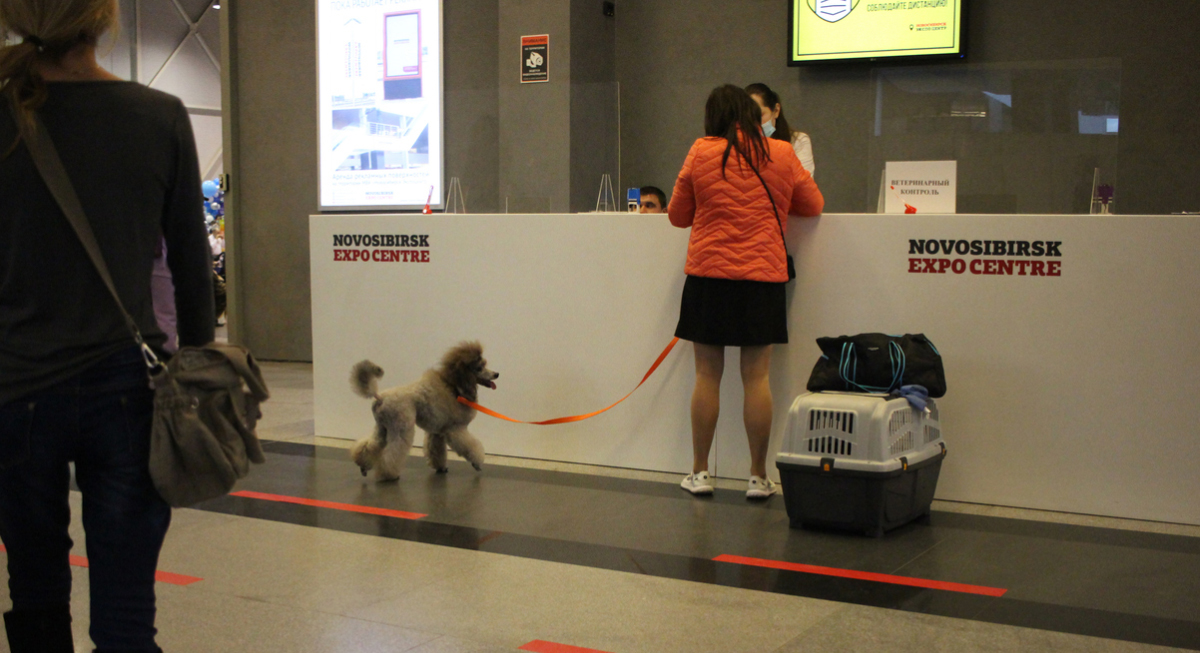
A travel crate is a compliance item. International providers commonly require an IATA-approved crate with enough room for the pet to stand, turn around, and lie down comfortably. If the crate is the wrong size or poorly constructed, your pet may be refused at check-in or during handoff. The crate has to satisfy the transporter first and your pet second.
Book the Transport Around the Paperwork Timeline
Credit: iStockphoto
People often want to secure transport first and sort out documents later. International pet moves usually work better in the opposite order. Many carriers limit the number of pets they accept, but documents also expire quickly, and vaccines must be completed within exact windows. The booking only makes sense once the medical and legal timeline is mapped out. Otherwise, you risk buying a slot your pet is not yet cleared to use.
Don’t Try to Solve Travel Stress With Sedation

Credit: Getty Images
Sedating a pet may sound like an easy fix, but it can create additional health risks by affecting blood pressure, temperature regulation, and stability during transit. That is why many professionals advise against using sedation as a default travel solution. A better approach is to work with a vet on a route, crate setup, and travel plan that your pet can handle safely without chemical shortcuts.