Mount Kailash: The Only Mountain Humans Cannot Climb
Mount Kailash stands 21,778 feet high in western Tibet. It is not the tallest Himalayan peak, yet no one has ever climbed it. The reason is not technical difficulty. The mountain is sacred to multiple religions, and climbing it is widely prohibited out of respect.
Here’s a clear look at why it remains unclimbed, separating documented facts from popular myths.
Four Religions Consider It Sacred
Credit: Wikimedia Commons
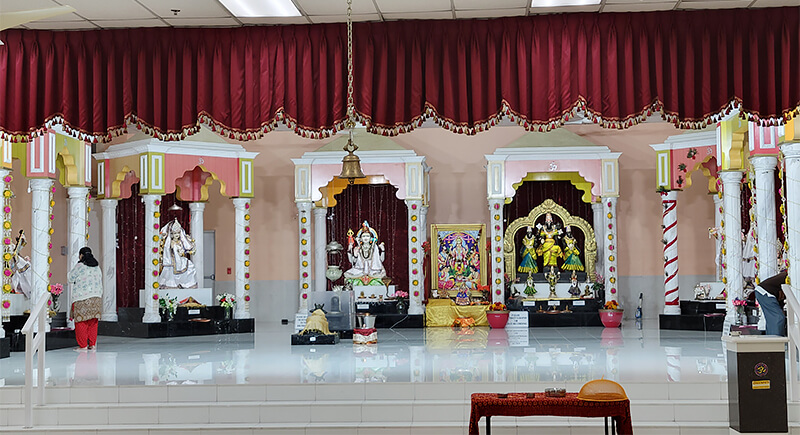
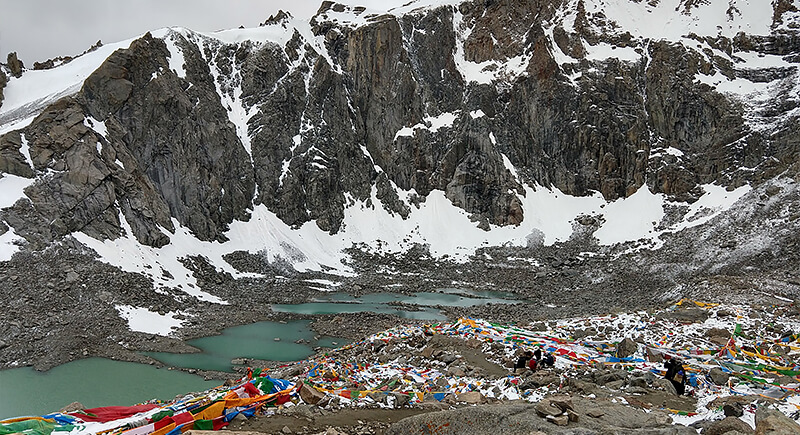
Hindus believe Lord Shiva meditates at the summit in eternal stillness. Buddhists call it Mount Meru, the axis around which everything revolves. Jains claim their first prophet achieved enlightenment here. The ancient Bon religion marks this peak as the soul of the world. Pilgrims walk a 32-mile loop around the base each year, believing one lap erases a lifetime of sins.
China Banned All Mountaineering Attempts
Credit: Wikimedia Commons
The Chinese government issued a prohibition after a Spanish expedition announced plans to climb the peak. Authorities stated that climbing Mount Kailash was not permitted due to its religious significance. No permits exist even today. The ban protects both religious sentiment and regional stability. Unlike Everest, where commercial operators run expeditions, Kailash remains off-limits.
The Mountain Has a Symmetrical Pyramid Shape
Credit: Wikimedia Commons
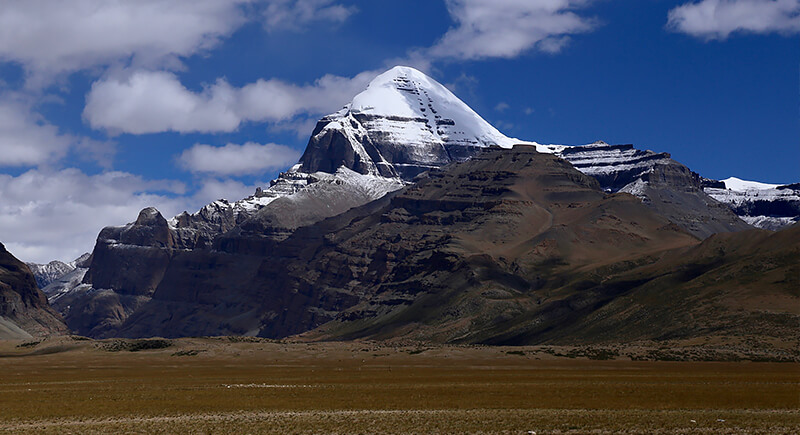
Kailash doesn’t look like other Himalayan peaks. Most mountains form jagged, irregular ridges from tectonic chaos. The mountain is widely described as having a striking, pyramid-like appearance with four prominent faces, though precise cardinal alignment has not been scientifically confirmed. Geologists explain it as unusual rock erosion patterns, but that hasn’t stopped centuries of speculation. Ancient texts describe it as a cosmic axis, but scientists today disagree.
Two Lakes Sit at Its Base With Opposite Properties
Credit: Wikimedia Commons
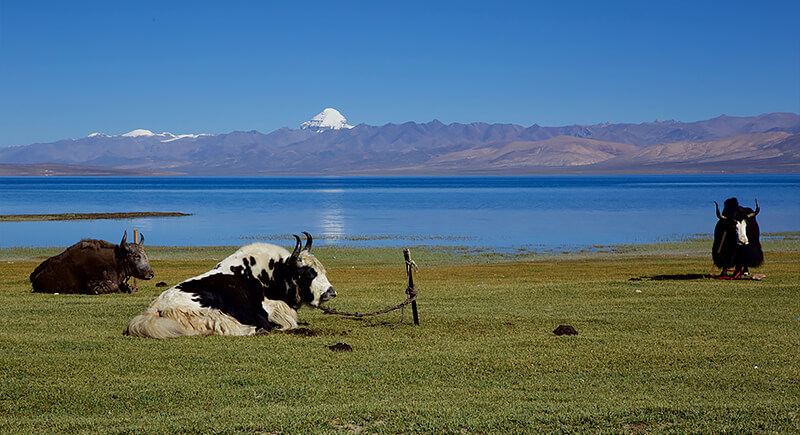
Lake Manasarovar, on the southern side, holds fresh water. Pilgrims bathe in it for purification. Just a few miles away lies Lake Rakshastal, filled with undrinkable salt water. Rakshastal is a closed-basin saline lake, while Manasarovar overflows seasonally, which helps explain their differing water chemistry. Pilgrims avoid Rakshastal, believing its water brings misfortune and spiritual contamination.
Four Major Rivers Begin Here
Credit: Wikimedia Commons
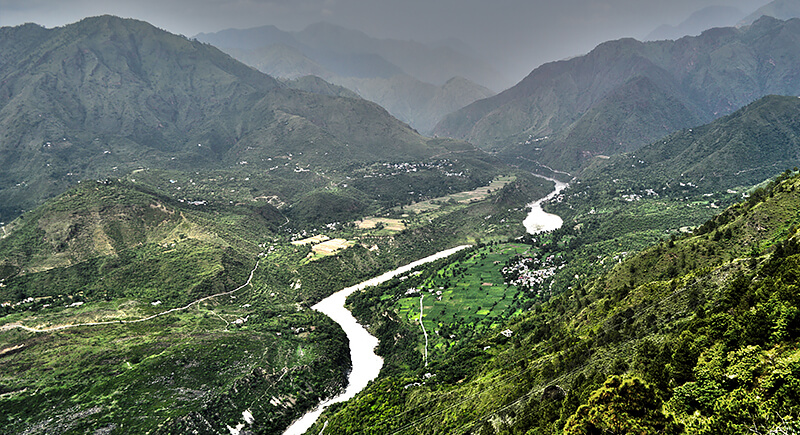
The Indus, Sutlej, Brahmaputra, and Karnali rivers all start within miles of Kailash. Together, they provide water for over a billion people across India, Pakistan, Nepal, and Bangladesh. The mountain is on a plateau where glacial melt forms the headwaters for these river systems. Geographers call it one of the most important watersheds on Earth. For pilgrims, the fact that life-giving water flows from this peak only reinforces its divine status.
Wild Myths Claim Climbers Age Decades in Hours
Credit: Wikimedia Commons
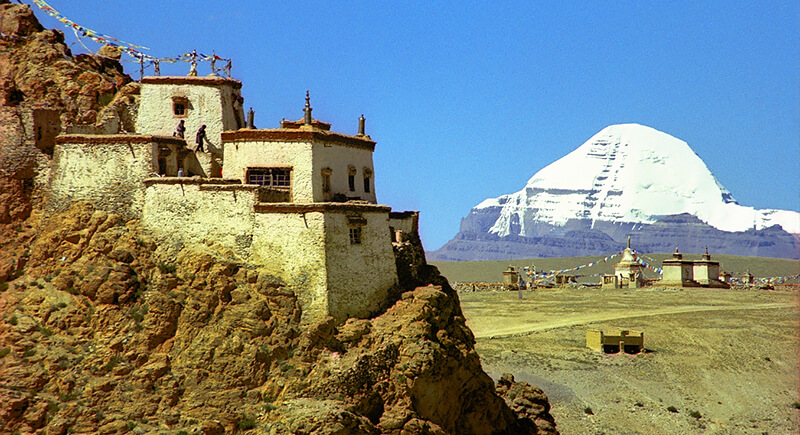
Russian folklore describes expedition members growing old overnight, as their fingernails and hair grew long at terrifying speeds. The stories spread through forums and conspiracy websites. The Russian pseudoscience author Ernst Muldashev popularized various supernatural theories about the mountain in his books. While there remains no credible expedition record to support these tales, the myth persists.
The Terrain and Weather Make Climbing Extremely Dangerous
Credit: Wikimedia Commons
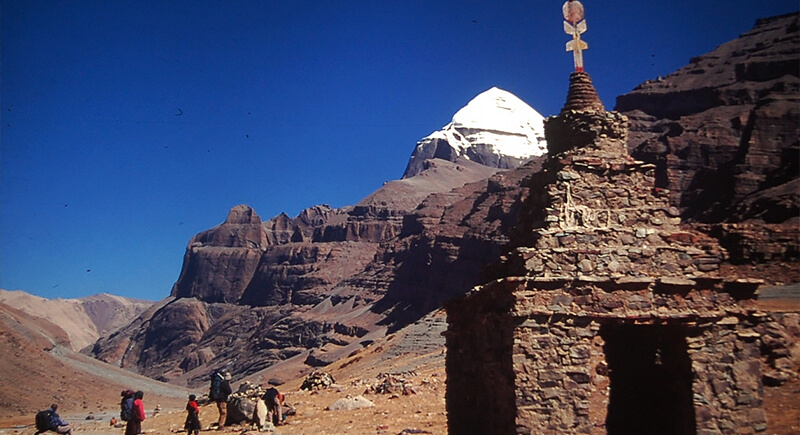
Temperatures drop below zero at night, while other factors increase medical and logistical risks. Altitude sickness becomes severe above 18,000 feet. Pilgrims typically acclimatize gradually as they travel through the region, but there is no formal acclimatization route for the peak itself. Unlike Everest, there are no Sherpa guides, base camps, or rescue helicopters patrolling the skies.
Pilgrims Walk Barefoot Through Snow to Circle It
Credit: Wikimedia Commons
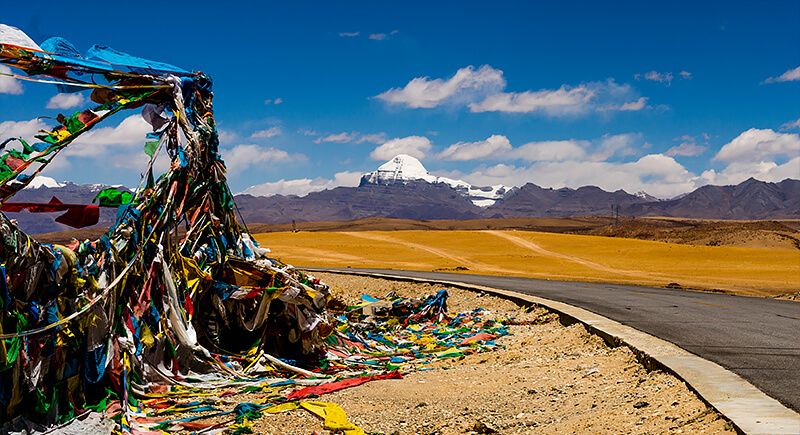
The Kailash Kora, or circumambulation around the mountain, takes most people three days. Devout pilgrims cover the 32-mile route through prostrations by lying flat, standing, marking their spot, and repeating. The path crosses the Dolma La Pass, where oxygen is thin and every step feels like a marathon. Still, Tibetan Buddhists walk clockwise while Bon followers go counterclockwise. For many, completing the trek is a profound spiritual achievement.
The Peak Aligns With Ancient Monuments Worldwide
Credit: Wikimedia Commons
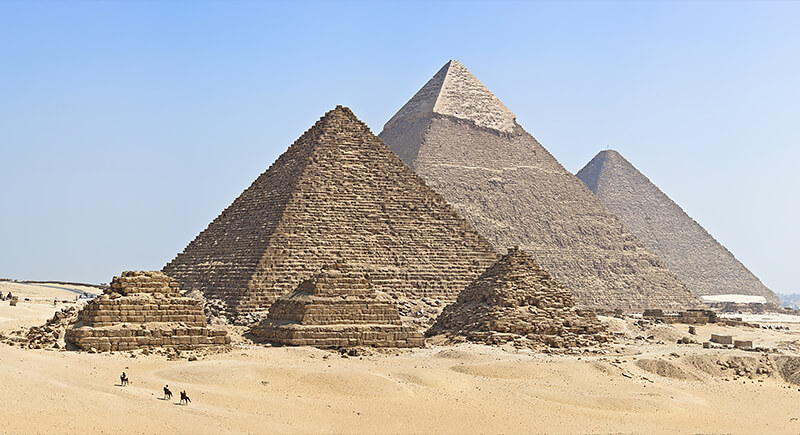
Enthusiasts have plotted distances between Kailash and sites like Stonehenge, the Egyptian pyramids, and the North Pole, claiming precise geometric relationships. Calculations show roughly 6,666 kilometers to Stonehenge and twice that distance to the North Pole. Such alignment claims are not supported by standard measurements and are regarded by archaeologists and geographers as coincidental.
Reinhold Messner Turned Down Permission Out of Respect
Credit: Wikimedia Commons
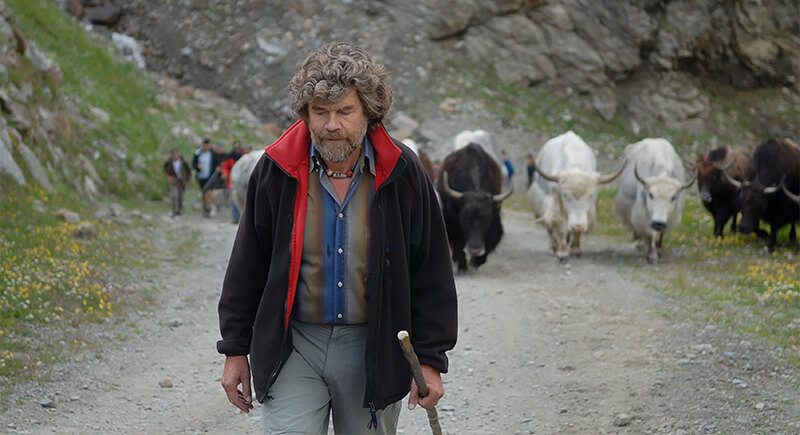
When Chinese officials offered the renowned climber Reinhold Messner a chance to attempt Kailash in the mid-1980s, he declined. He told reporters that climbing such a sacred mountain would be a conquest over something in people’s souls. His refusal came from deep respect for the millions who revere Kailash as divine. Modern mountaineers know that attempting to climb the peak could damage their reputations and offend entire cultures across Asia.