10 Reasons to Visit Colorado’s Legendary Mount Blue Sky Scenic Byway
Mount Blue Sky Scenic Byway rewards nerve. The road climbs so high that oxygen levels begin affecting visitors before the summit comes into view, and the transition happens without the usual buildup of a long wilderness expedition. One hour can begin among forests and end above the tree line beside alpine tundra, steep drop-offs, and unpredictable weather conditions. The route has built a reputation for its scenery and the experience.
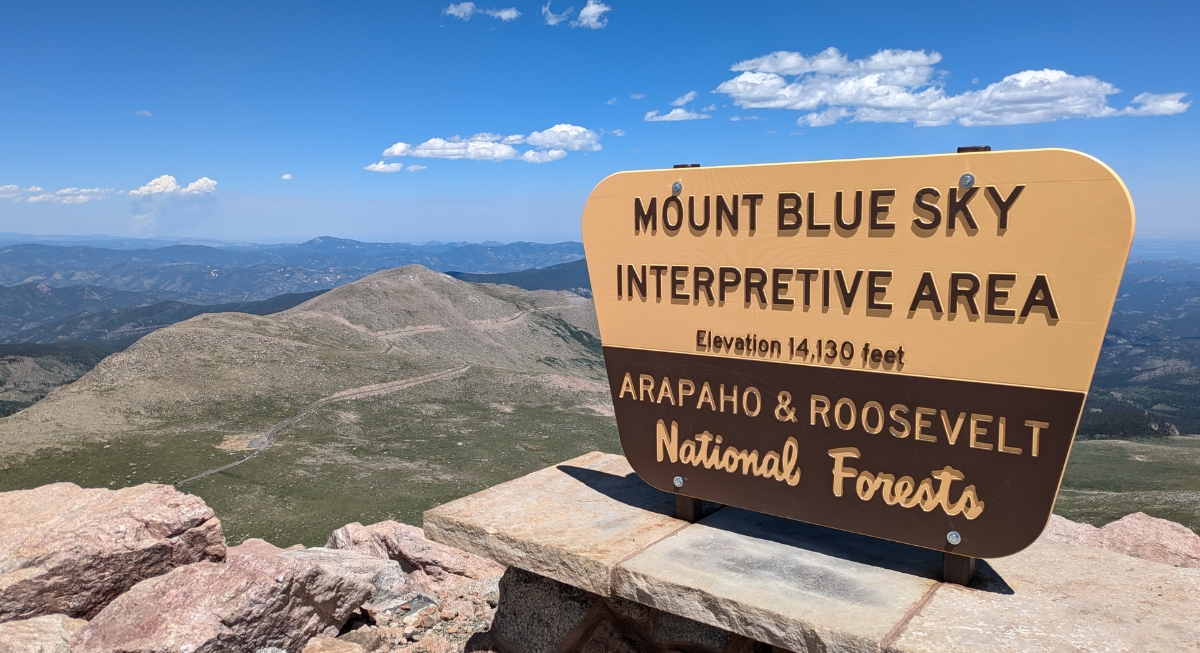
The Road Climbs Above 14,000 Feet Without Requiring a Summit Hike
Credit: Wikimedia Commons
Most Colorado 14ers demand hours of hiking, steep elevation gain, and serious physical preparation before anybody reaches the summit. Mount Blue Sky lets drivers climb from forested foothills to more than 14,000 feet on a fully paved road while staying inside a standard passenger vehicle. The transition is surreal. The landscape changes so aggressively during the ascent.
Hairpin Turns and Narrow Drop-Offs Create Intense Scenic Drives
Credit: Wikimedia Commons
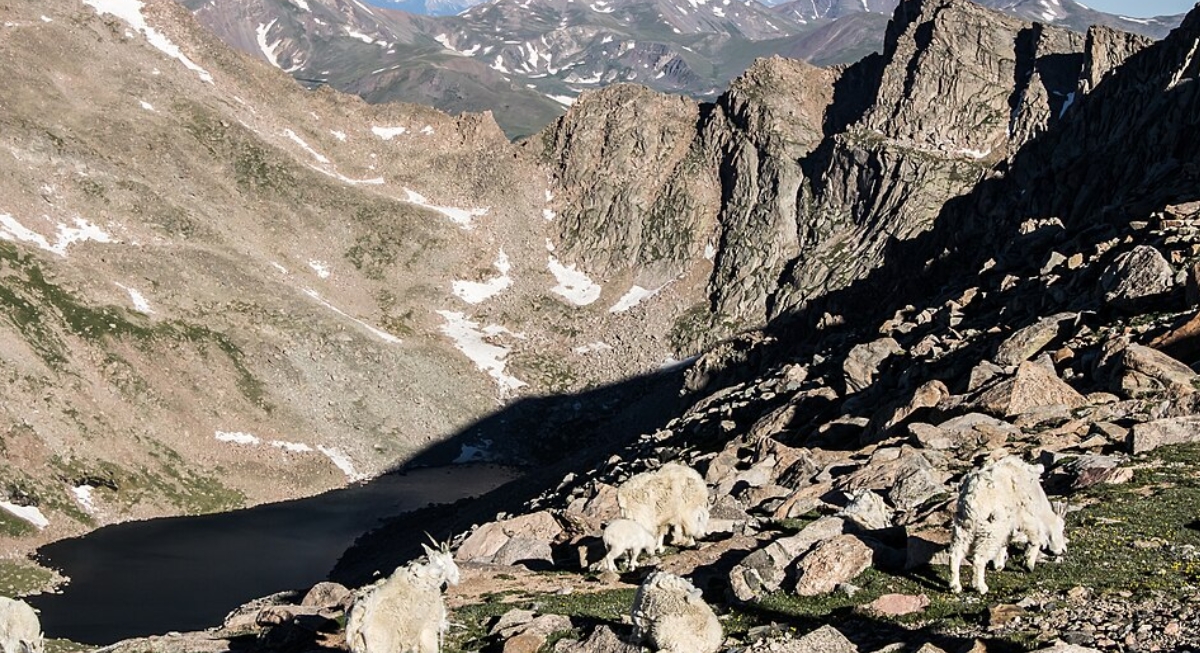
In the upper section of Mount Blue Sky Scenic Byway, tight switchbacks wrap around exposed cliffs while narrow lanes leave little separation between vehicles and steep drop-offs. Certain curves force drivers to slow dramatically because visibility is reduced around the mountain itself. Large vehicles become especially difficult to maneuver near the summit, which explains why oversized RVs are discouraged on the route. The elevation amplifies the experience since open sky replaces tree cover near the top.
The Route Crosses Multiple Climate and Vegetation Zones
Credit: pexels
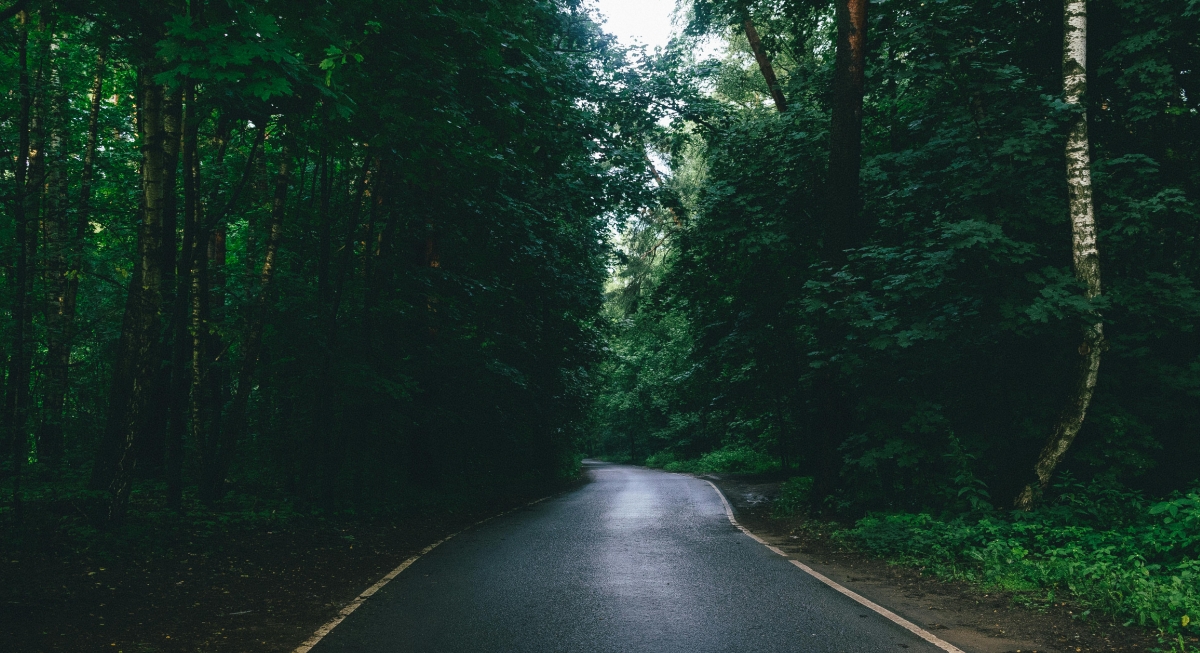
The drive begins among dense forests and lower-elevation foothills before gradually pushing into alpine tundra that resembles far northern environments more than central Colorado. Lower sections contain pine forests and meadow landscapes, while higher elevations become rockier, wind-exposed, and visibly harsher. Above the tree line, the environment changes almost completely. Stunted vegetation replaces tall forests, and broad alpine terrain stretches outward in every direction.
Altitude Sickness Can Hit Drivers Before They Reach the Summit
Credit: Getty Images
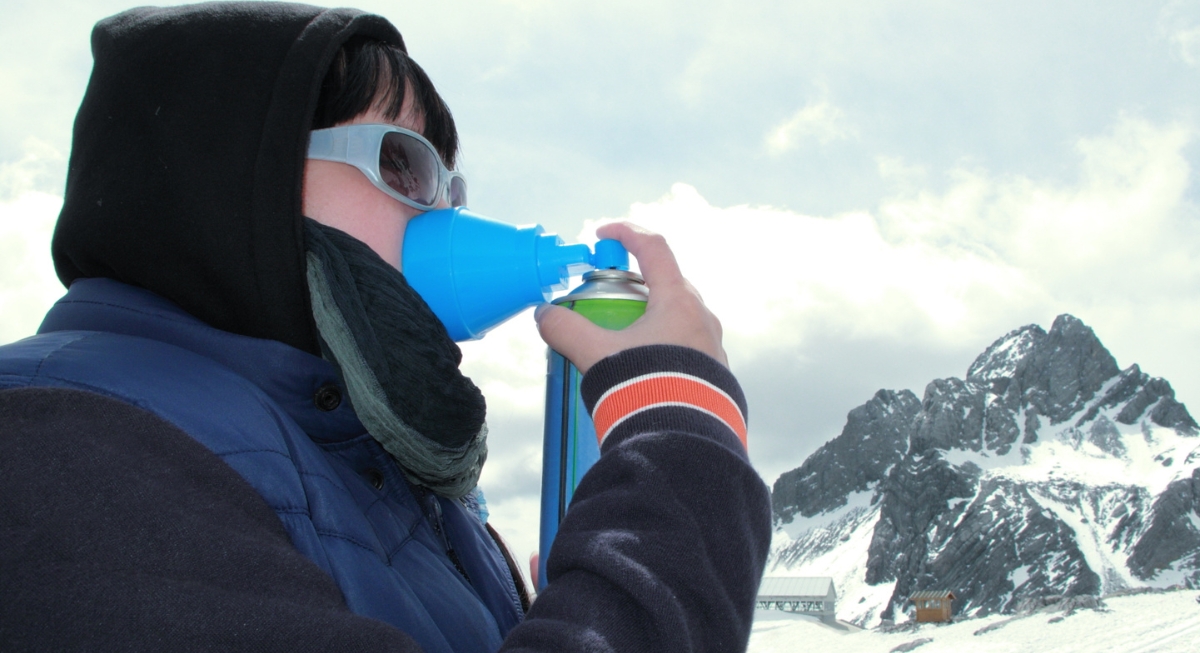
Mount Blue Sky reaches elevations high enough to create genuine physical symptoms even for visitors who never leave the car. Headaches, dizziness, nausea, shortness of breath, and fatigue can appear once above 12,000 feet. This catches people off guard because driving seems physically effortless compared with hiking. The body still reacts to reduced oxygen regardless of how somebody reaches the elevation. Visitors coming directly from lower-altitude states feel the transition especially hard.
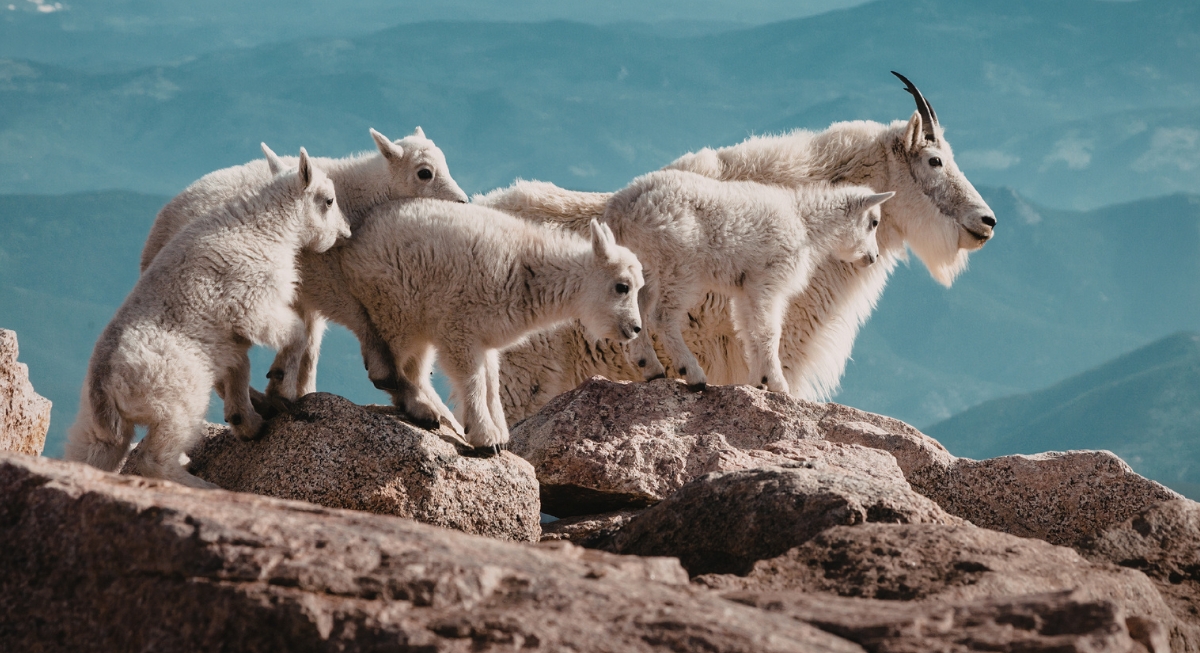
Mountain Goats and Bighorn Sheep Frequently Appear
Credit: Canva
Wildlife sightings are a big part of the Mount Blue Sky experience, to the point that many drivers actively watch the roadside. Mountain goats move comfortably through steep rocky terrain near the upper elevations, sometimes appearing close to parked vehicles and overlooks. Bighorn sheep also roam sections of the byway, especially near exposed alpine areas above the tree line.
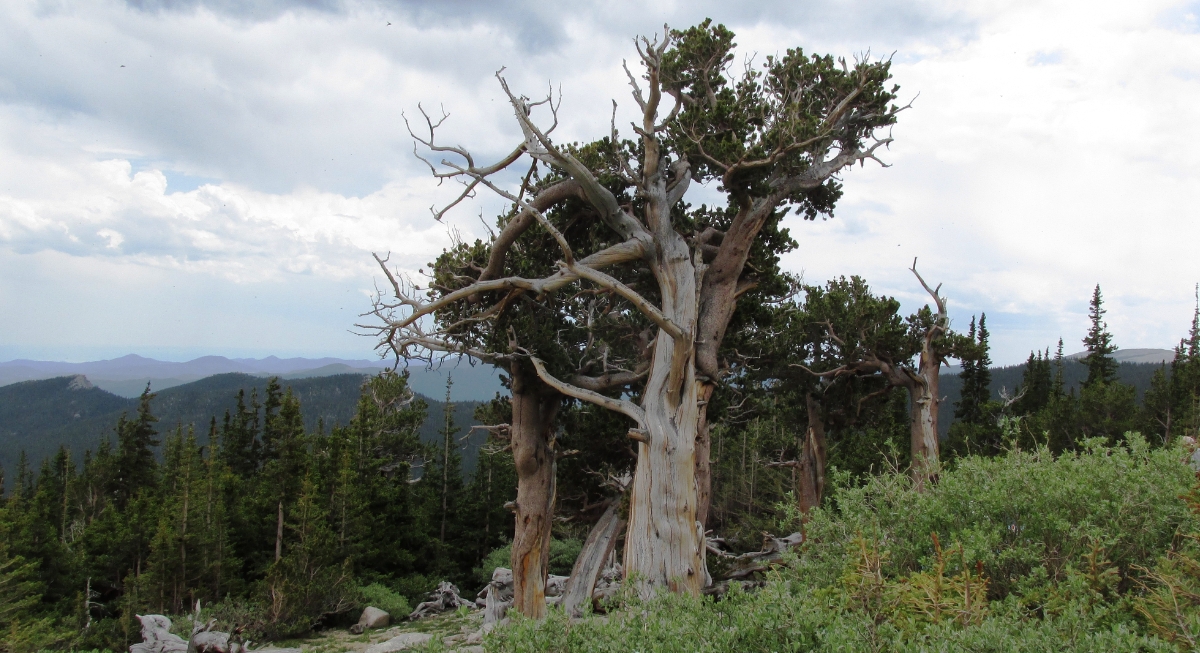
Mount Goliath Preserves Ancient Bristlecone Pines
Credit: Wikimedia Commons
The Mount Goliath Natural Area protects bristlecone pines that survive under conditions severe enough to kill most other trees. Wind exposure, rocky soil, brutal winters, and thin oxygen shape the twisted appearance of these ancient trees. Some have survived for centuries despite harsh alpine conditions that slow growth. Their trunks often look bent and weathered.
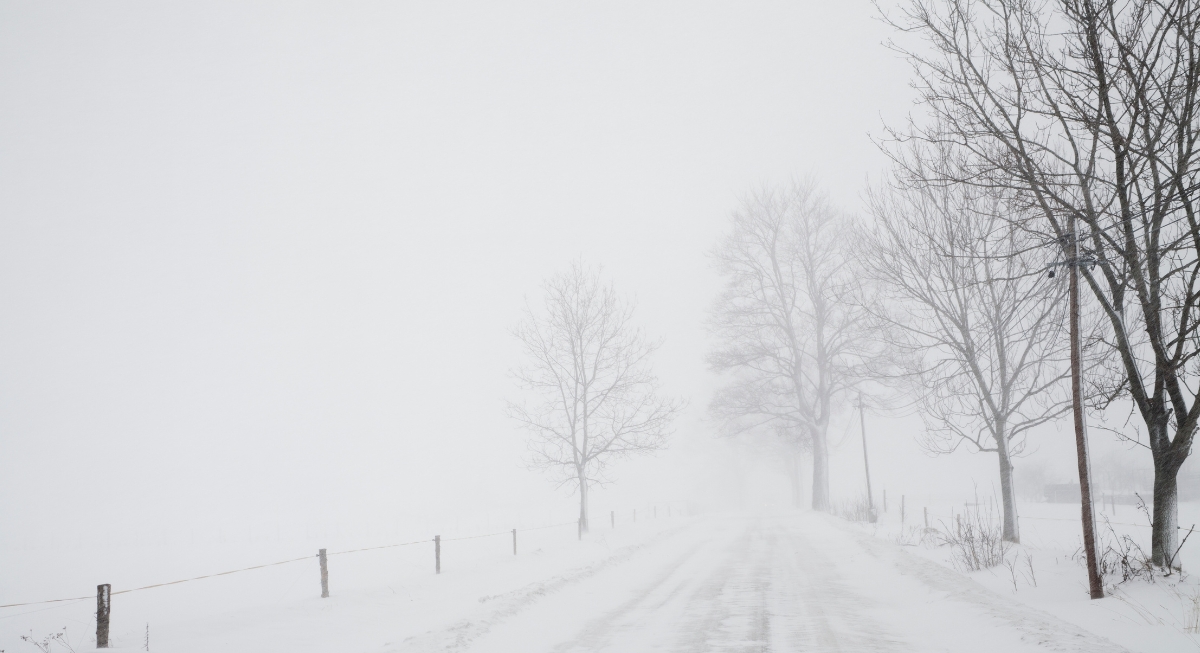
Summer Snowstorms and Lightning Can Shut Down the Road With Little Warning
Credit: pexels
There can be snowfall during summer months while lightning storms build rapidly across exposed alpine terrain in the afternoon. Temperatures also drop sharply at higher elevations, catching underprepared visitors off guard after leaving much warmer conditions below. Weather changes matter more here because the upper road offers little shelter once drivers reach the tree line. The short seasonal operating window exists partly because severe weather remains a constant factor.
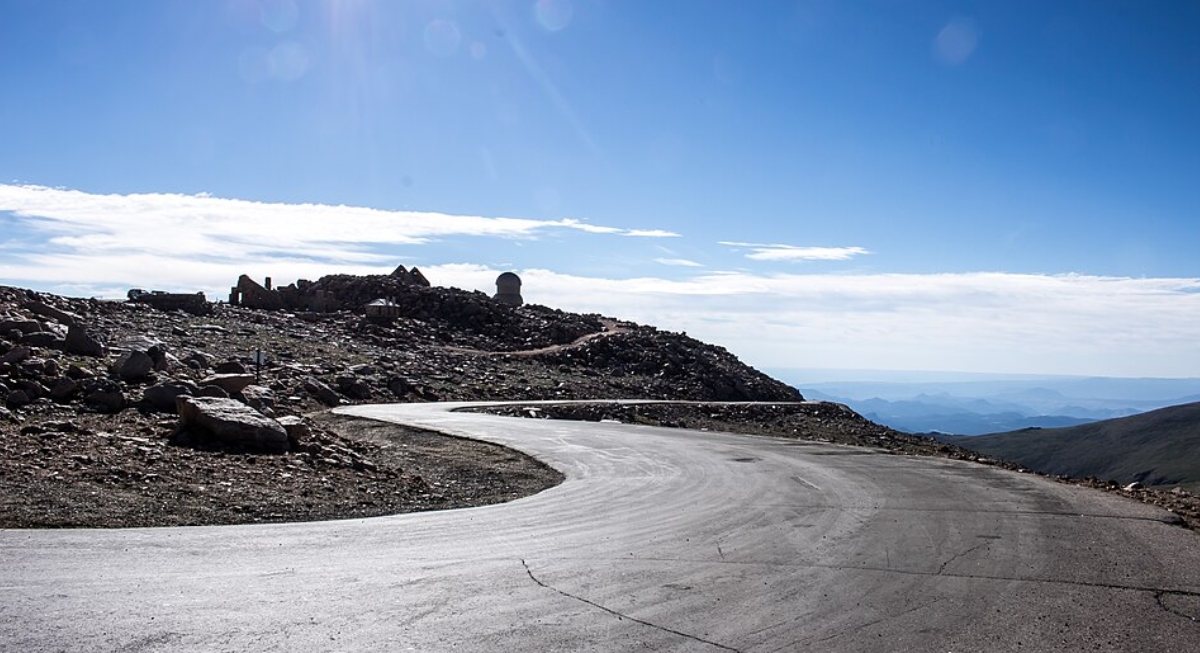
The Byway Exists Because of Early Automobile Tourism During the Great Depression Era
Credit: Wikimedia Commons
The road itself represents an early-20th-century vision of mountain tourism, built around the growing popularity of automobiles. Construction began during the Great Depression as Colorado invested heavily in scenic infrastructure designed to attract visitors to the Rockies. Engineers carved the route directly into steep mountain terrain decades before modern construction equipment simplified large-scale road building.
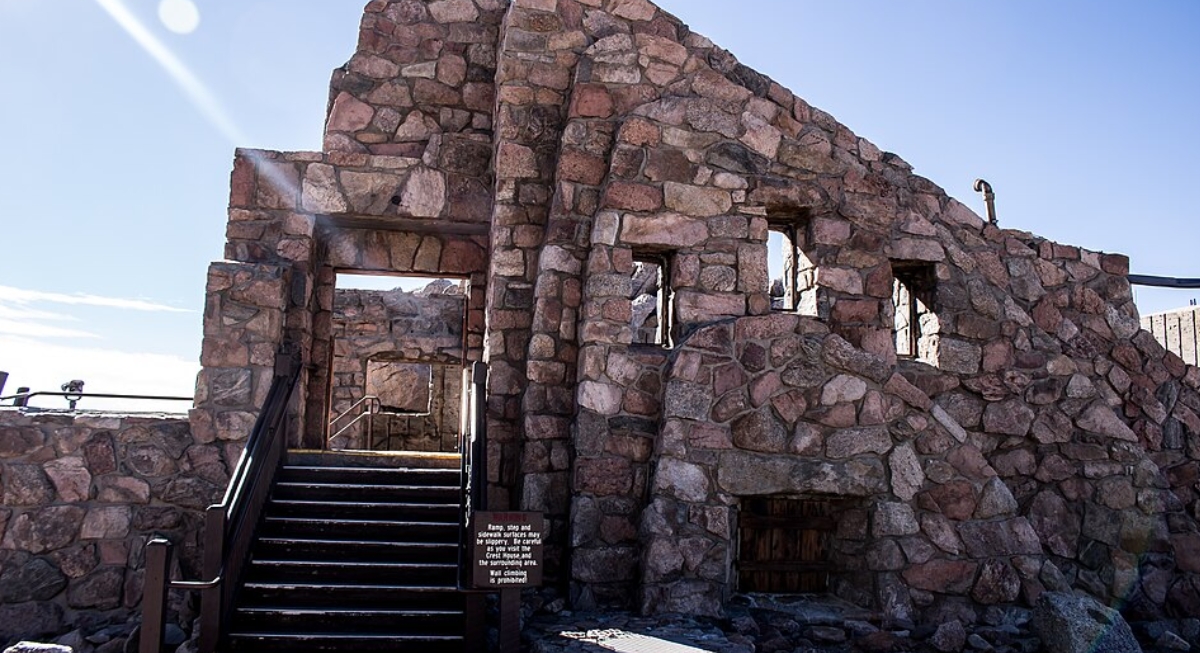
The Crest House Ruins Add a Strange Abandoned Landmark
Credit: Wikimedia Commons
Near the summit, the remains of the Crest House introduce an unexpected abandoned structure into an otherwise natural alpine landscape. The building originally operated as a visitor complex and restaurant before a 1979 fire destroyed much of the structure. Today, the remaining stone ruins are exposed against the open sky and harsh weather near the top of the mountain.
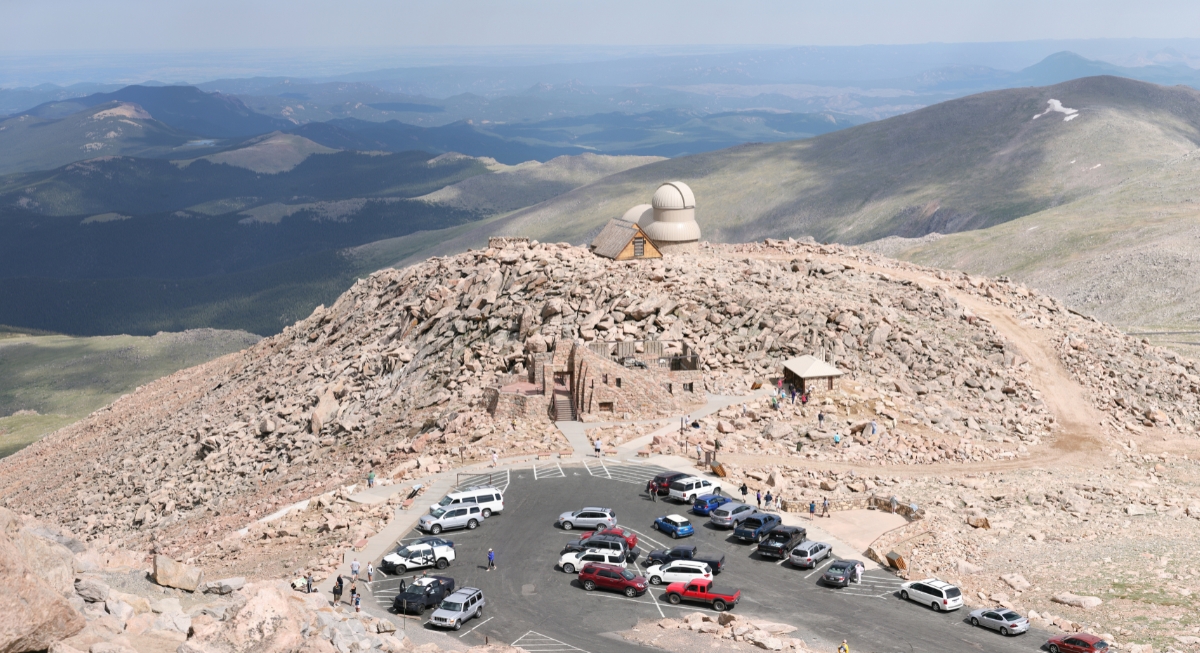
The Summit Parking Area Can Place Visitors Above Passing Cloud Layers
Credit: Wikimedia Commons
Mount Blue Sky reaches elevations high enough that cloud layers sometimes move beneath the upper sections of the byway. Under the right conditions, visitors near the summit can look down across clouds drifting through lower valleys and mountain gaps below the peak. The effect alters how the surrounding terrain appears, as some ridges remain visible while lower elevations disappear beneath shifting cloud cover.