Locations That Are Monitored by Cameras 24 Hours a Day
Cameras rarely announce themselves, but they influence how certain places function every hour of the day. In high-profile locations, surveillance is often an integral part of the environment rather than a visible feature. The following places illustrate how constant monitoring influences movement, access, and behavior in ways that most people never actively notice.
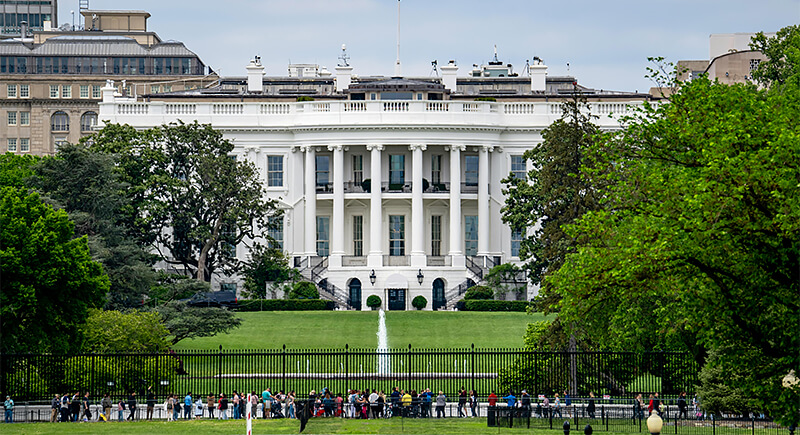
The White House, Washington, D.C., United States
Credit: pexels
A visit to the White House feels structured long before anyone reaches the door. Movement along the perimeter, across nearby streets, and through controlled entry points is observed continuously by cameras tied to Secret Service operations. The atmosphere stays calm and orderly, even as public access continues throughout the day.
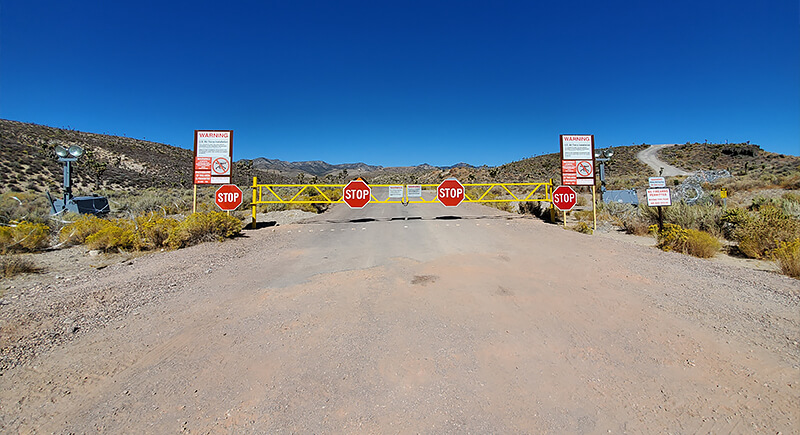
Area 51, Nevada, United States
Credit: Wikimedia Commons
Distance plays a central role in how security operates here. Cameras watch long, empty stretches of the Nevada desert where activity stands out quickly against the landscape. Roads, hills, and fence lines remain under constant view. Encounters with enforcement tend to be brief, direct, and supported by recorded evidence.
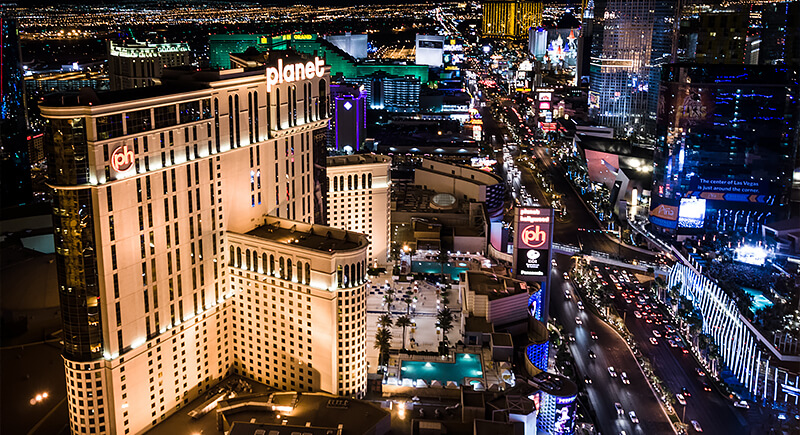
Las Vegas Casinos, Las Vegas, Nevada, United States
Credit: Wikimedia Commons
On a casino floor, money moves faster than conversation. Every table, cashier station, and corridor is arranged so outcomes can be reviewed after disputes arise. The design protects both players and operators without slowing the experience.
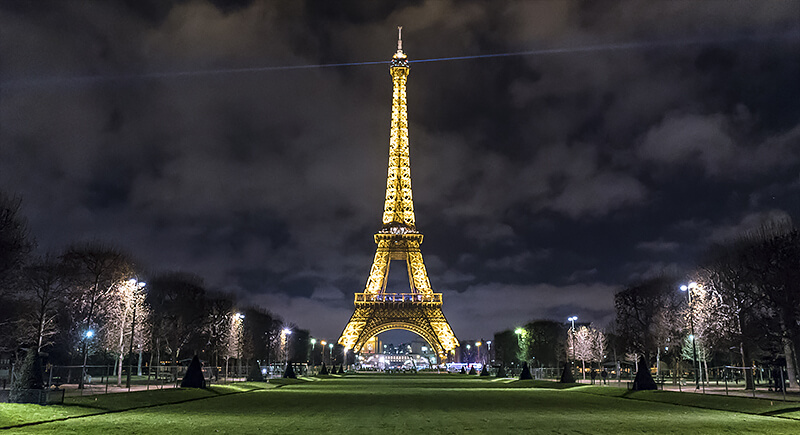
The Eiffel Tower, Paris, France
Credit: Wikimedia Commons
Crowd control around the Eiffel Tower depends on constant visual oversight of entrances, elevators, and surrounding walkways. Live feeds enable staff to identify backups forming before they completely stall access. Adjustments are made in real time, which helps maintain steady entry rates and prevents temporary closures during the busiest visiting hours.
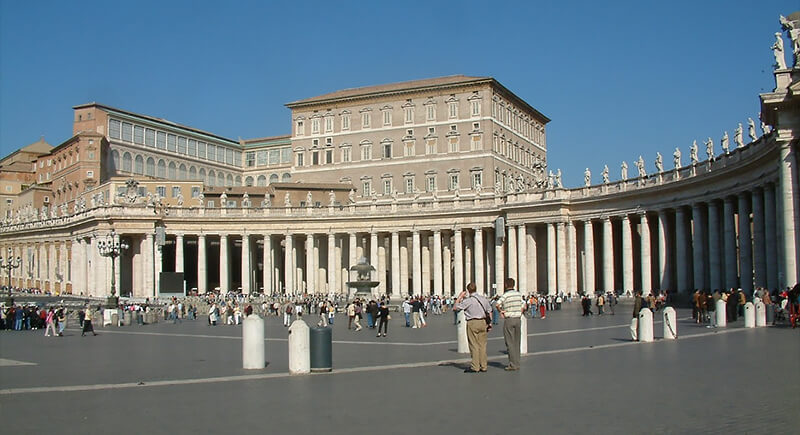
The Vatican Apostolic Archive, Vatican City
Credit: Wikimedia Commons
Within this archive, cameras are fixed on entrances, corridors, and workspaces used by a select group of approved researchers. Every movement becomes part of an access record. The system exists to protect continuity rather than deter crowds.
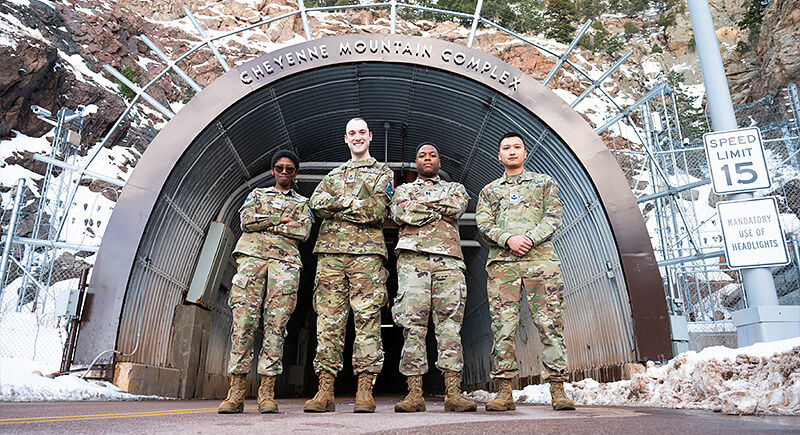
Cheyenne Mountain Complex, Colorado Springs, Colorado, United States
Credit: Wikipedia
This facility, built beneath layers of granite in Colorado, forces movement through a limited set of tunnels and checkpoints. That physical layout reduces unpredictability and supports long-term defense operations. Inside, daily work follows controlled paths shaped by architecture.
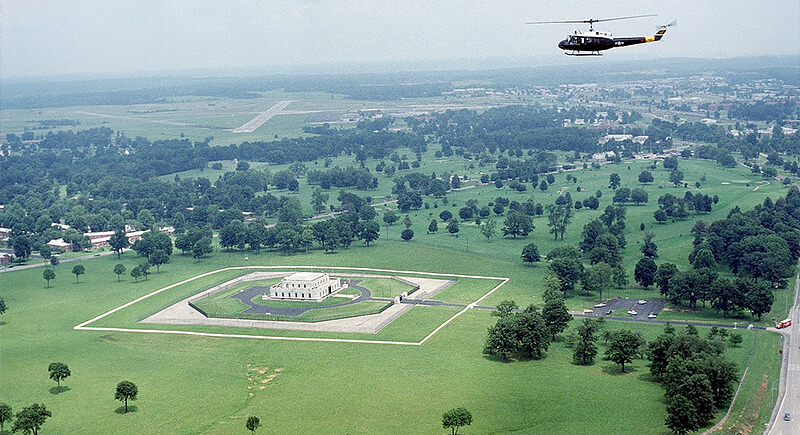
Fort Knox, Kentucky, United States
Credit: Wikipedia
Security at Fort Knox relies on patience and redundancy as cameras monitor the exterior grounds and interior checkpoints without interruption. Public curiosity remains satisfied at a distance, while the vault itself remains permanently out of view, supported by continuous monitoring that never pauses.
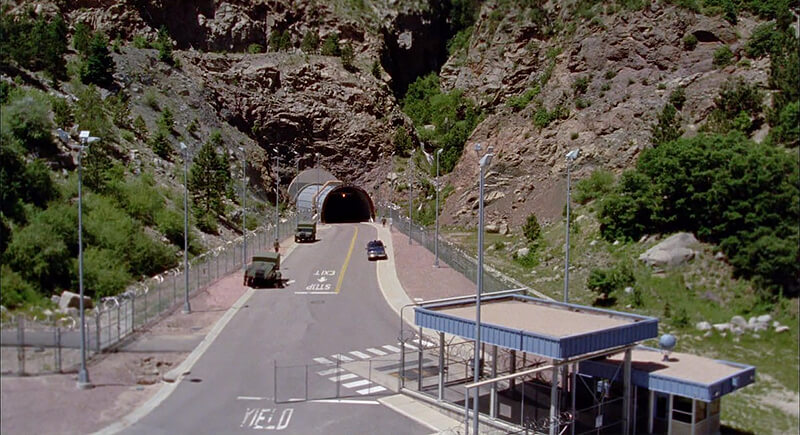
NORAD Headquarters, Colorado Springs, Colorado, United States
Credit: Tripadvisor
Inside NORAD facilities, access is granted only when there’s a responsibility. Rooms used for tracking aircraft and assessing threats remain limited to cleared personnel, with entry records forming part of routine accountability. This structure ensures decisions rely on verified presence and responsibility rather than assumption or proximity.
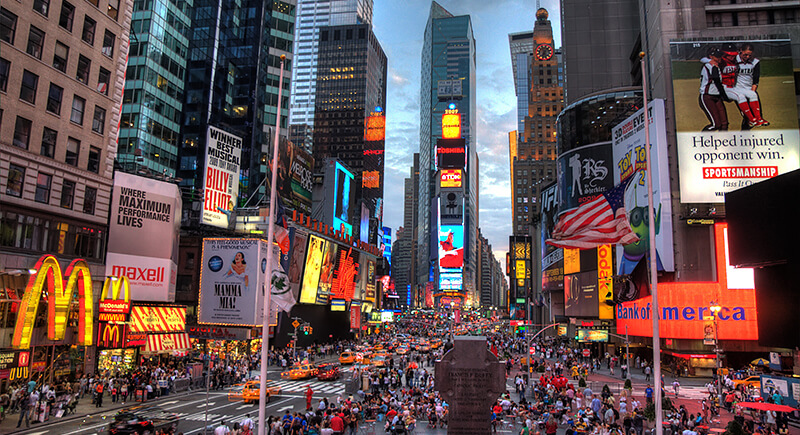
Times Square, New York City, New York, United States
Credit: Wikipedia
Times Square functions with documentation built into its streets. Intersections, plazas, and building fronts are continuously observed. That record becomes useful after incidents occur, allowing officials to reconstruct events once crowds disperse and the noise fades.
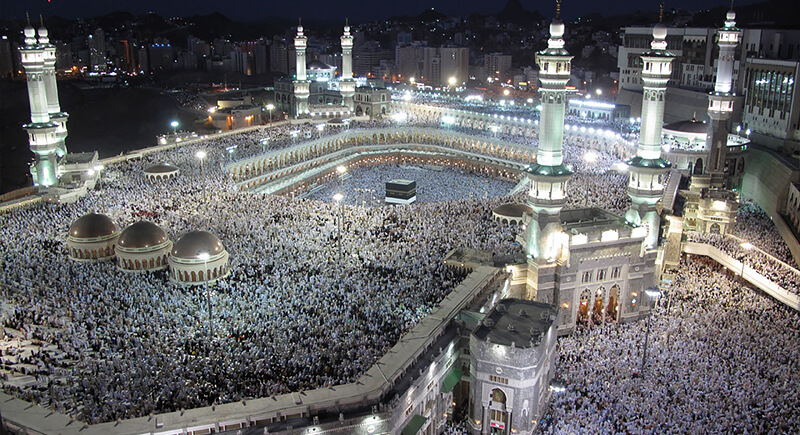
Grand Mosque, Makkah, Saudi Arabia
Credit: Wikimedia Commons
During daily prayers and the Hajj, visual monitoring plays a central role in managing movement across the Grand Mosque. Feeds track density at courtyards, gates, and circulation routes as crowds shift. These controls prevent dangerous crowd compression at entrances and courtyards.