10 Micronations You Can Visit
Tired of the usual travel checklist? Micronations are self-declared countries that often exist inside larger nations, with their own flags, leaders, and sometimes even passports. If you’re curious about places that aren’t quite countries but still take themselves (somewhat) seriously, this list might tempt your next detour.
Molossia, Nevada
Credit: Instagram
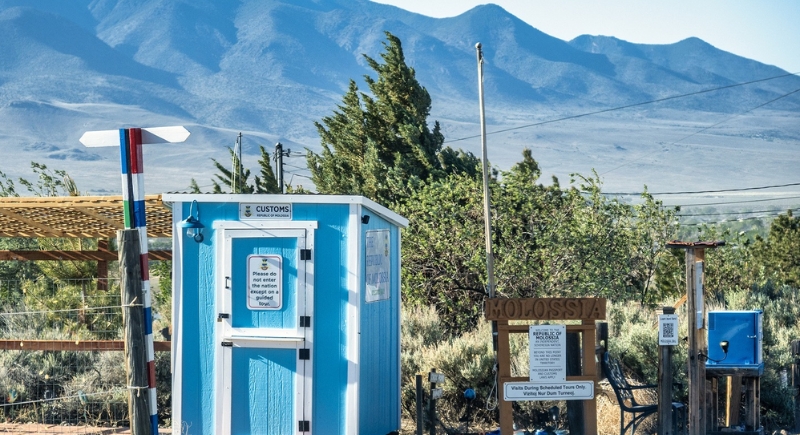
Molossia spans about 11 acres in the Nevada desert and has its own laws, currency, and customs checkpoint. Tours are available by appointment, and visitors receive passport stamps on arrival. President Kevin Baugh acts as head of state and sometimes leads the tour himself.
Freetown Christiania, Denmark
Credit: Canva
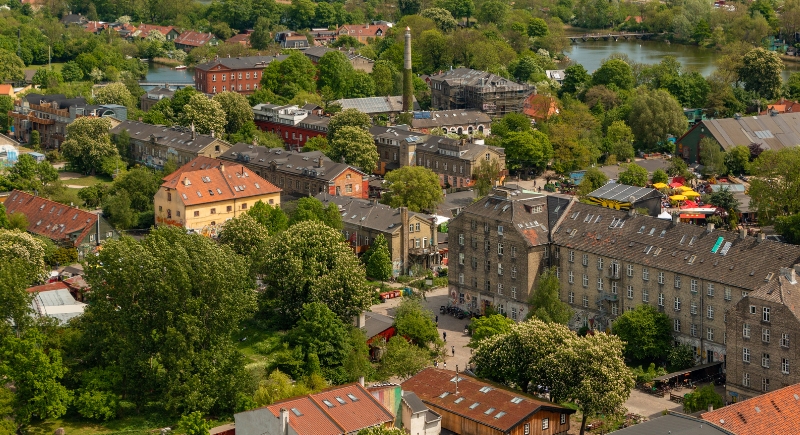
A former officer base turned self-governed neighborhood, Christiania operates independently within Copenhagen. Founded in 1971 by squatters, the area has its own flag and local council. Photography isn’t allowed in certain sections. There are art spaces, cafes, and music venues, and the vibe feels more like a communal experiment.
Sealand, North Sea
Credit: Wikimedia Commons
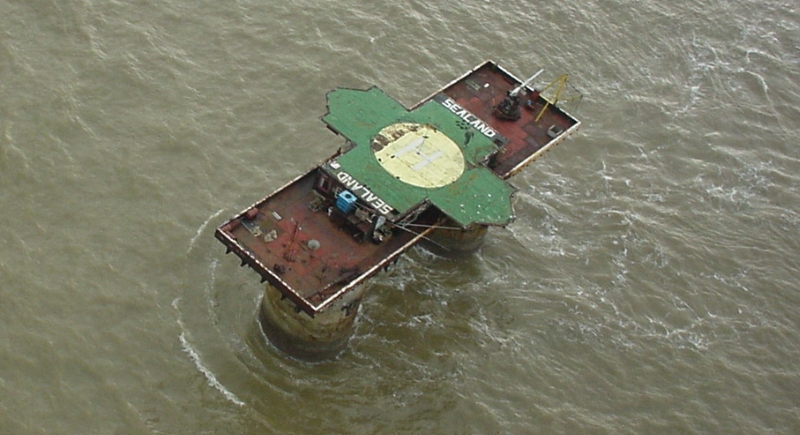
Floating in international waters on an old WWII fort, Sealand is one of the most talked-about micronations. While not open for casual tourism, exclusive visits can be arranged through its official website. At roughly the size of a tennis court, it’s likely the only “country” where you can see the entire territory without moving your feet.
Seborga, Italy
Credit: Wikimedia Commons
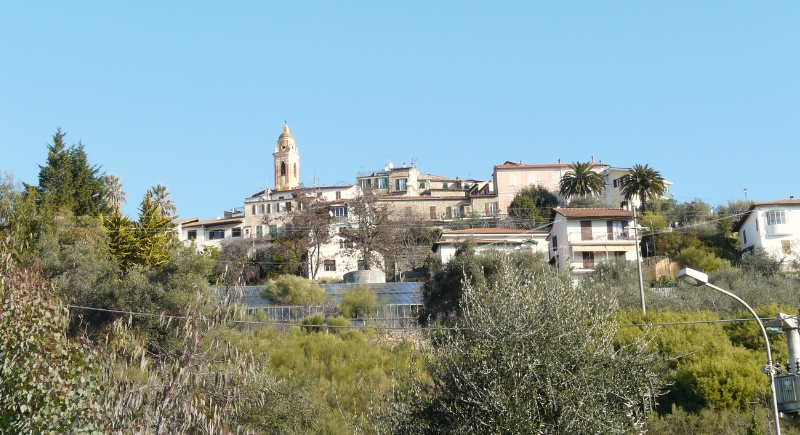
This hill town in Liguria claims it was never legally part of Italy. Residents fly their own flag, hold royal elections, and use the Luigino currency. The principality’s symbols appear on everything from car plates to town signage. Visitors will notice the lighthearted take on sovereignty—there’s a prince, yes, but the cafes and olive groves operate under Italian law.
Atlantium, Australia
Credit: Facebook
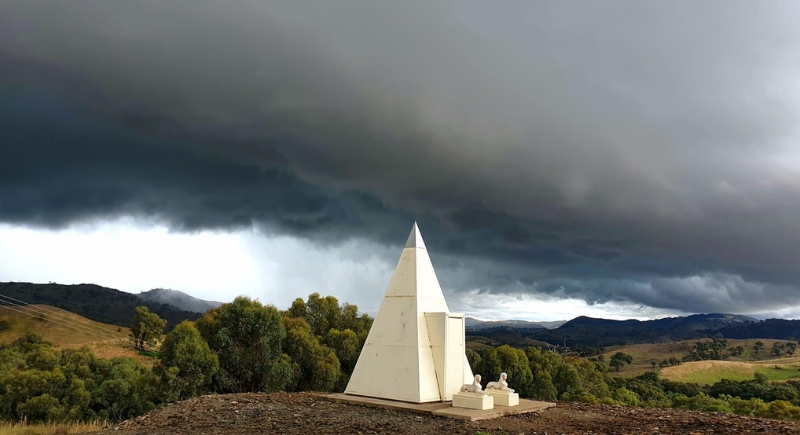
Atlantium occupies a plot of land in New South Wales and promotes a borderless, secular world state. It was founded in 1981 by a teenager named George Cruickshank, now styled Emperor George II. The capital, Concordia, is more symbolic than populated. Visitors who reach it will find signs and printed documents affirming the empire’s legitimacy.
Ladonia, Sweden
Credit: Wikimedia Commons
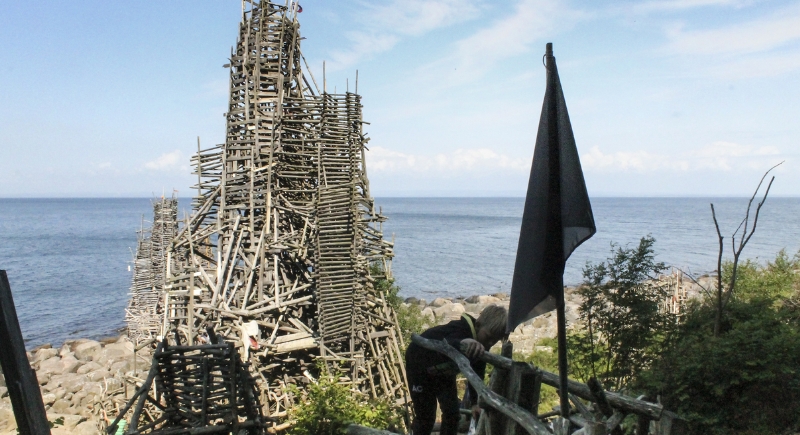
This nation started as an art protest. When Swedish authorities attempted to remove illegal sculptures by Lars Vilks in a coastal nature reserve, he responded by declaring independence. Ladonia now claims thousands of “citizens,” although none live there. Tourists hike through woods to reach the massive driftwood structures known as Nimis and Arx.
Kugelmugel, Austria
Credit: Wikimedia Commons
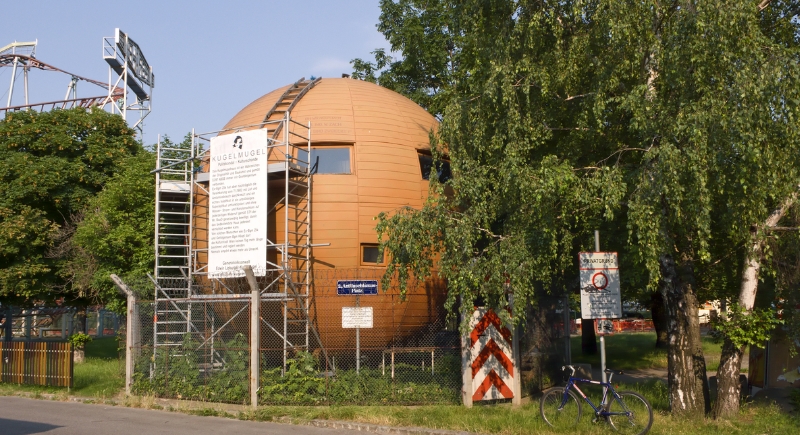
In Vienna’s Prater Park, behind a barbed-wire fence, there’s a spherical house that calls itself a republic. Kugelmugel was created in protest after authorities denied the artist planning permission. Though the founder has passed, the site still carries its micronational identity. You can’t enter the building, but the outside has become a popular photo stop.
Akhzivland, Israel
Credit: Wikimedia Commons
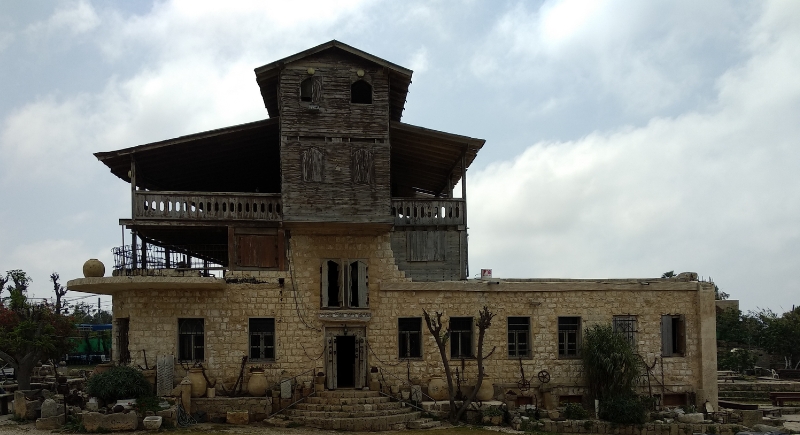
In northern Israel, near the Lebanese border, a property dispute turned into a one-man nation. Eli Avivi declared Akhzivland independent in the 1970s after government attempts to evict him. Though he passed away in 2018, the area remains a low-key destination. There’s a small museum, beach access, and sometimes passport stamping.
Conch Republic, Florida
Credit: Wikimedia Commons
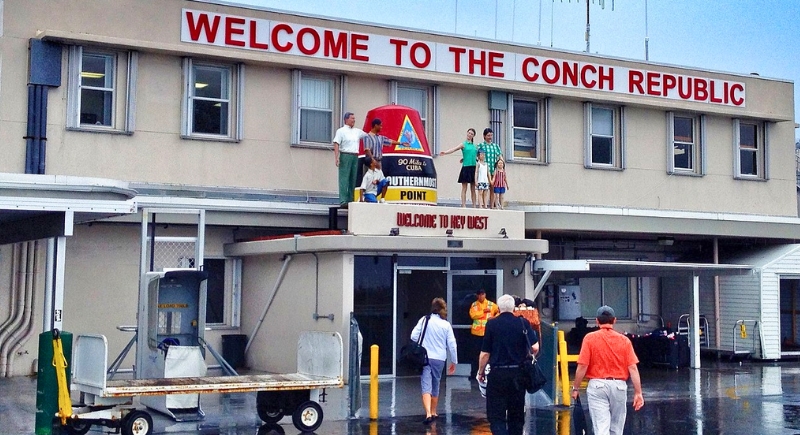
Key West humorously declared independence in 1982 to protest a U.S. Border Patrol checkpoint. The Conch Republic has since become a promotional tool for tourism, complete with passports and an annual independence celebration. It hosts mock battles using stale Cuban bread and water balloons. The “government” even sells official merchandise.
Republic of Užupis, Lithuania
Credit: Wikimedia Commons
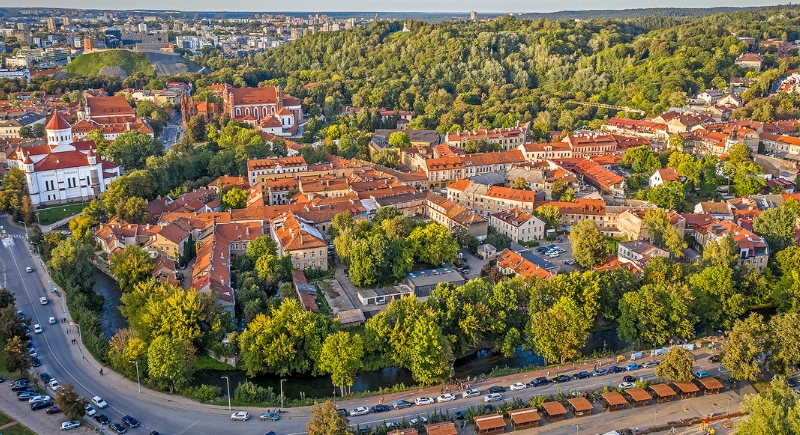
Across a bridge in Vilnius, you’ll find Užupis, a self-declared republic of artists and free thinkers. Founded on April 1, 1997, the area embraces whimsy with its own constitution displayed in multiple languages and a disbanded army. Visitors are free to explore the galleries and the narrow streets lined with sculptures.