Countries With the Most Michelin-Approved Street Food Spots in the World
Street food is a major part of how people eat in many countries. In places like Singapore, Thailand, and Vietnam, street vendors serve dishes that have been passed down for decades. Some have earned Michelin recognition by perfecting them.
These stalls focus on consistency, skill, and local flavor, often cooking just one or two dishes with care. This list examines the countries with the most Michelin-approved street food and how those spots earned their place while retaining their roots.
Singapore

Credit: Canva
No other country comes close to Singapore’s numbers. With 148 Michelin-approved stalls, hawker centers here are quality-assured. Dishes like soy duck rice and prawn-heavy Hokkien mee show up across the city. It’s common to grab a meal from a vendor with global accolades, then sit at a plastic table with strangers.
Thailand

Credit: Getty Images
Thailand has 33 Michelin-approved street food vendors, with the majority clustered in Bangkok, while others are scattered across Chiang Mai, Phuket, and Chon Buri. Seafood anchors many of the listings, led by Jay Fai’s crab omelette cooked over charcoal. Long-running dessert stalls also earn recognition, including mango sticky rice specialists and bamboo-steamed sweet rice vendors.
Malaysia

Credit: Getty Images
Malaysia’s total stands at 27, and Penang carries most of that share. The city’s streets are dense with flavor from dishes like tangy asam laksa and spice-rich curry mee. Kuala Lumpur also contributes its own hits, such as claypot rice with crispy edges and roast pork.
Hong Kong

Credit: Getty Images
Hong Kong stands out for the strong presence of desserts among its 26 Michelin-recognized street food vendors. Traditional Chinese sweet soups, herbal cakes, egg waffles, and black sesame rolls form the backbone of the list. Savory picks are fewer but deliberate, including pan‑fried soup dumplings and scallion pancakes.
Vietnam
Credit: pexels
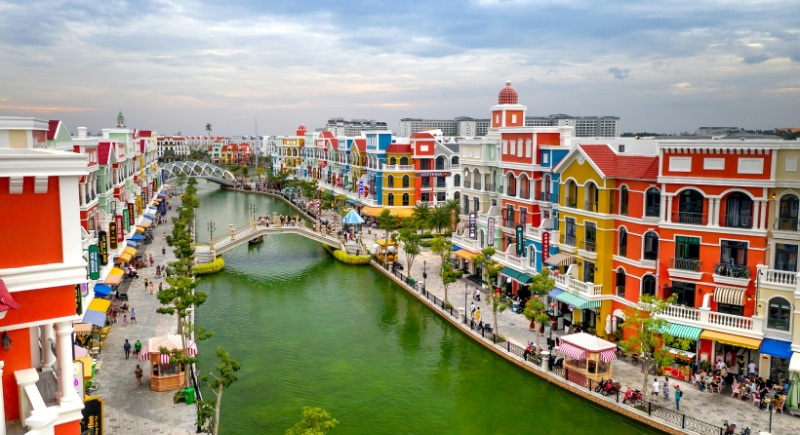
Vietnam’s 24 stalls are spread across three cities, each with subtle shifts in seasoning and style. Hanoi’s phở emphasizes a clearer broth, while southern spots lean into richer flavors. Stalls serving broken rice with grilled pork or betel-wrapped beef keep things anchored in tradition.