Most Dangerous Roads for Tourists in Mexico
Driving in Mexico can be an incredible way to see the country, but some roads come with serious risks, especially for visitors unfamiliar with the terrain or local conditions. Certain highways are known for high crime, dangerous curves, poor visibility, or long stretches with no help nearby.
In these areas, even small mistakes can lead to big problems. Many of these roads run through regions with limited security and emergency services. Knowing which routes to avoid could make a real difference in your safety and peace of mind.
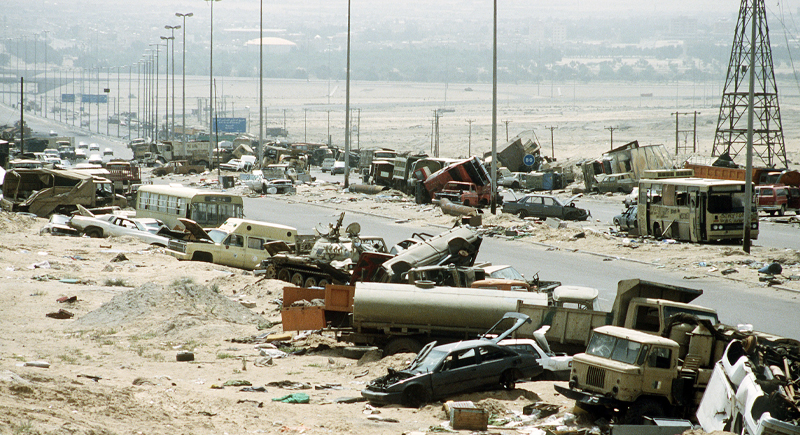
Federal Highway 101 – The Highway Of Death
Credit: Wikimedia Commons
This highway passes through territory long associated with organized crime. In 2021, at least 71 travelers were reported missing along this route. A mass grave containing 127 victims was discovered near San Fernando in 2011, which further underscored the scale of violence connected to this corridor.
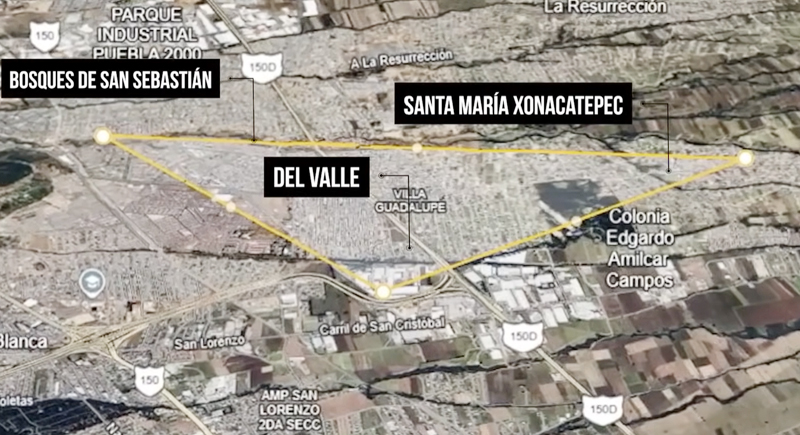
The Red Triangle – Puebla
Credit: Youtube
This isn’t a single road but a crime-ridden zone that cuts across several municipalities in Puebla. The region is notorious for fuel theft, with criminals using roadblocks to hijack passing vehicles. Cargo theft here surged 40% in just one year, and passenger vehicles have increasingly been caught in the crossfire.
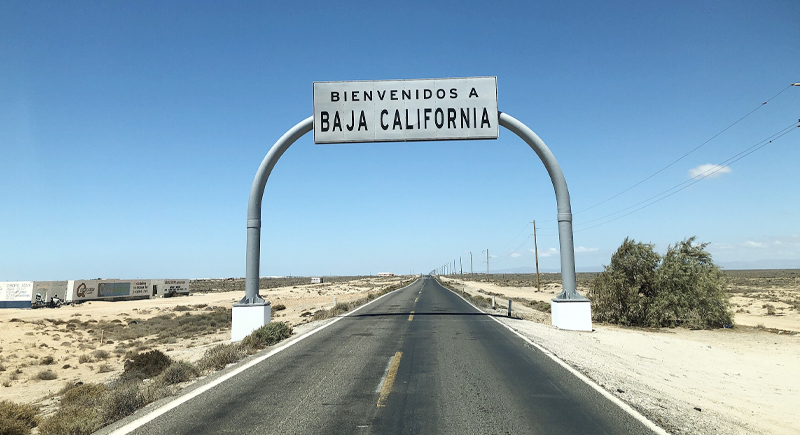
Federal Highway 1 – Baja California Peninsula
Credit: Wikimedia Commons
Federal Highway 1 can feel like a test of nerves. The coastline is beautiful, but the drive itself stays tense. Lanes are tight, with no shoulder to fall back on; curves block sightlines; and passing often happens at the worst moments. After sunset, darkness takes over fast. Outside tourist areas, broader safety concerns make the journey feel uneasy from start to finish.
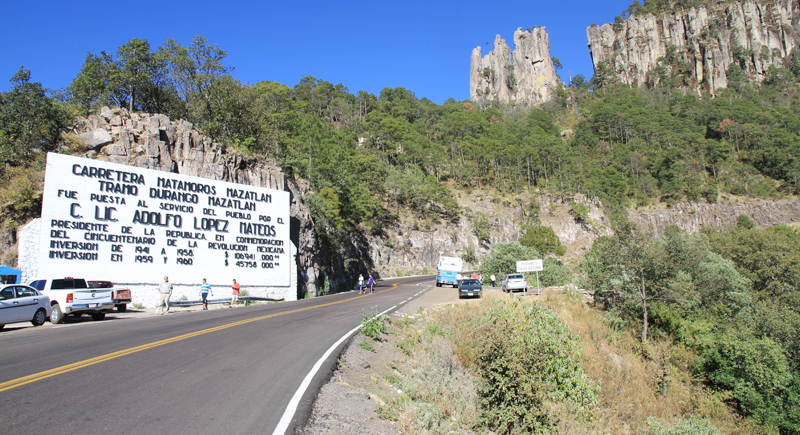
Espinazo Del Diablo – Durango To Mazatlán
Credit: Wikimedia Commons
This mountain pass didn’t earn the name “Devil’s Backbone” by chance. The road climbs to over 5,000 feet with dozens of switchbacks and near-zero room for driver error. Weather adds to the hazard, thanks to dense fog, sudden wildlife crossings, and icy conditions in colder months. This makes the road unusually treacherous.
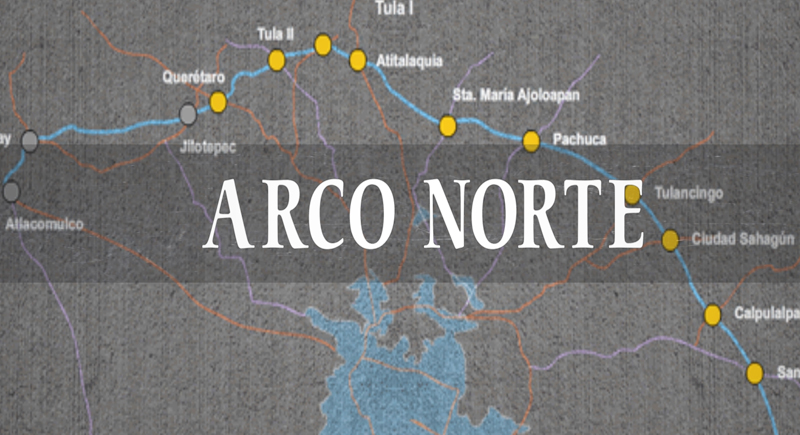
Arco Norte – Tula Section
Credit: Facebook
Built for heavy transport, this toll road still records frequent armed robberies. The Tula stretch is especially risky. In June 2024, a truck driver was shot while resisting an attempted hijack. Reports counted over 60 incidents in 2023 alone, despite its status as a paid-access highway meant to be safer.
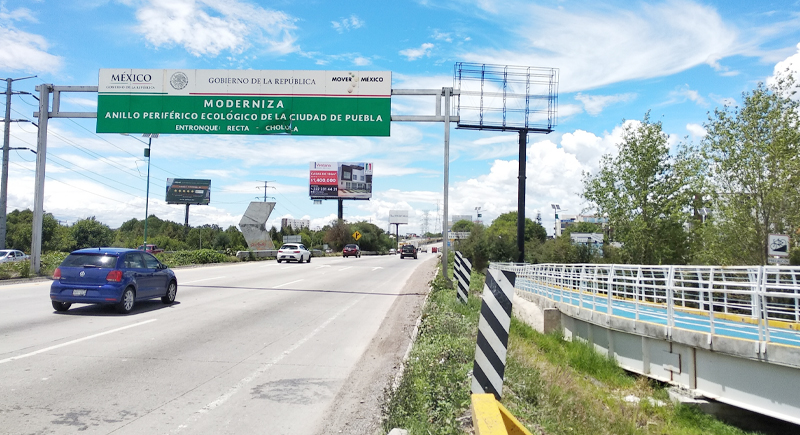
Mexico-Puebla Highway
Credit: Wikimedia Commons
This key trade route sees a mix of heavy freight and private drivers. Mechanical breakdowns are common due to constant strain, and spike strips have been used in coordinated robberies. A 2021 toll booth crash caused by brake failure killed 19 people. This is just one example of how dangerous this stretch can be.
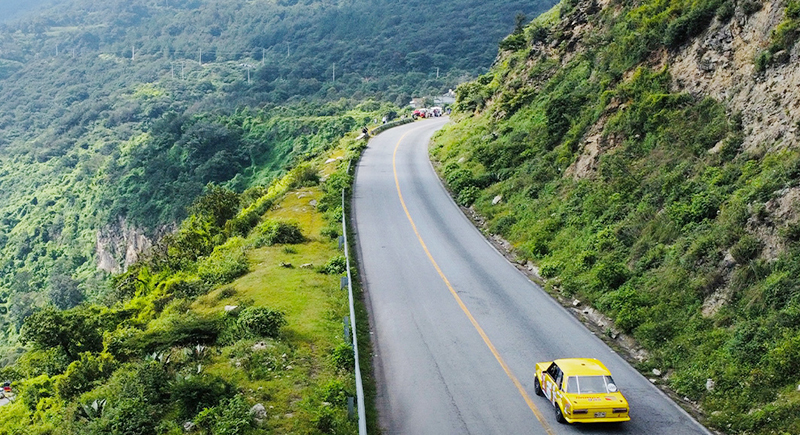
Veracruz Highway – Cumbres De Acultzingo
Credit: Instagram
The road through Cumbres de Acultzingo is demanding from the first climb. Steep grades and tight curves keep drivers locked in, with little room to recover if something goes wrong. What raises the stakes is what happens beyond the terrain. Criminal groups linked to fuel theft and cargo hijacking are known to block narrow stretches to force vehicles to stop. With few escape options and limited patrols, even daytime travel can feel exposed.
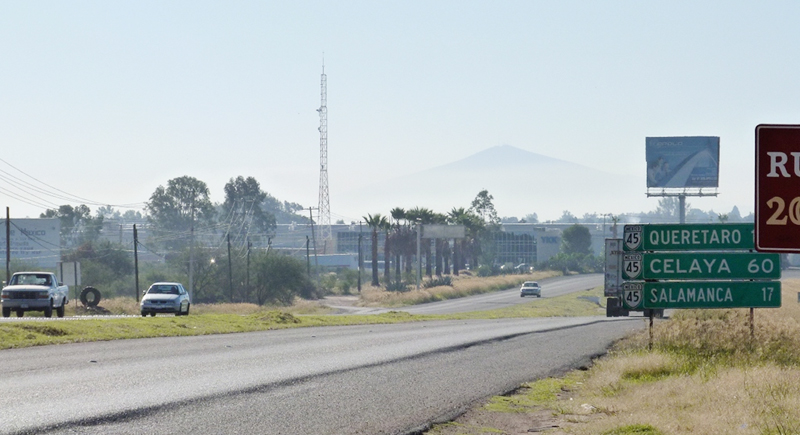
Queretaro-Leon Highway – Mexico 45
Credit: Wikimedia Commons
A commercial lifeline between industrial zones, this road sees nonstop traffic but lacks the infrastructure to support it. Two to three serious accidents are reported each day, often involving freight trucks or commuter vehicles. Its aging design doesn’t accommodate modern traffic volumes, making it dangerous even in daylight.
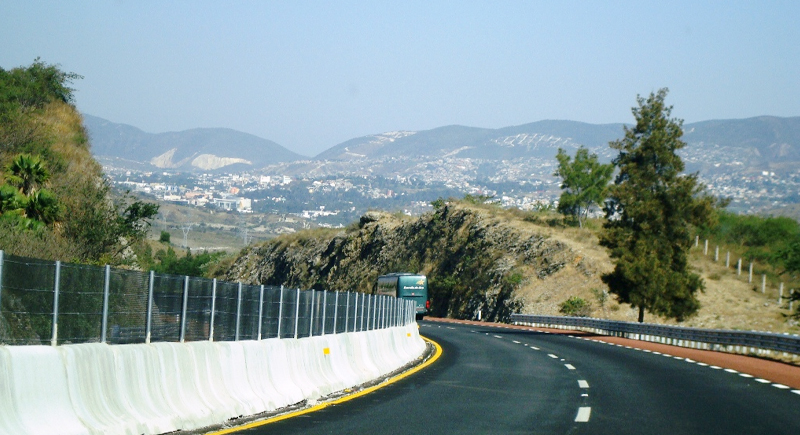
Autopista Del Sol – Mexico City To Acapulco
Credit: Wikimedia Commons
Running through Guerrero, this toll road is known for more than potholes. It’s seen carjackings near rest stops and assaults at toll booths. In December 2024, a major pileup near Palo Blanco injured seven. Though it’s meant for fast travel to the beach, both safety and security fall short.
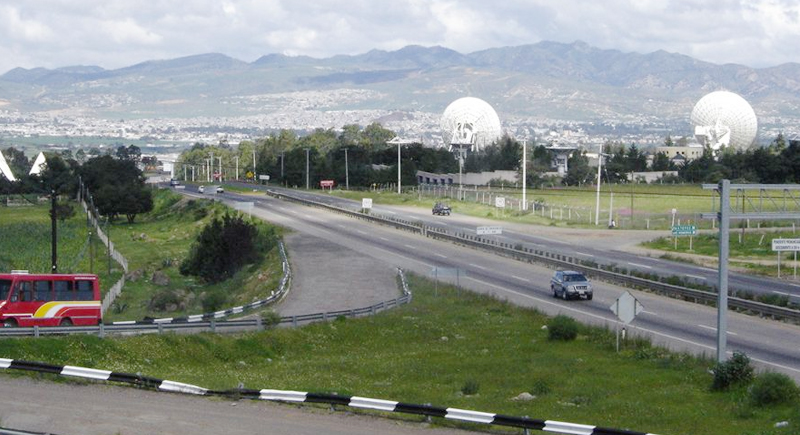
Mexico-Tulancingo Highway – Singuilucan
Credit: Wikimedia Commons
Criminal groups along this stretch have used fake police checkpoints to stop vehicles and carry out robberies. Drivers report uniformed impostors flagging down traffic in low‑surveillance zones. These operations often unfold quickly, leaving travelers little time to assess the threat before engagement.