
Three ways I use markets, ferry snacks, and backstreet bakeries to plan a day that tastes like the place, not the brochure.
Make the market your compass, not your souvenir stop
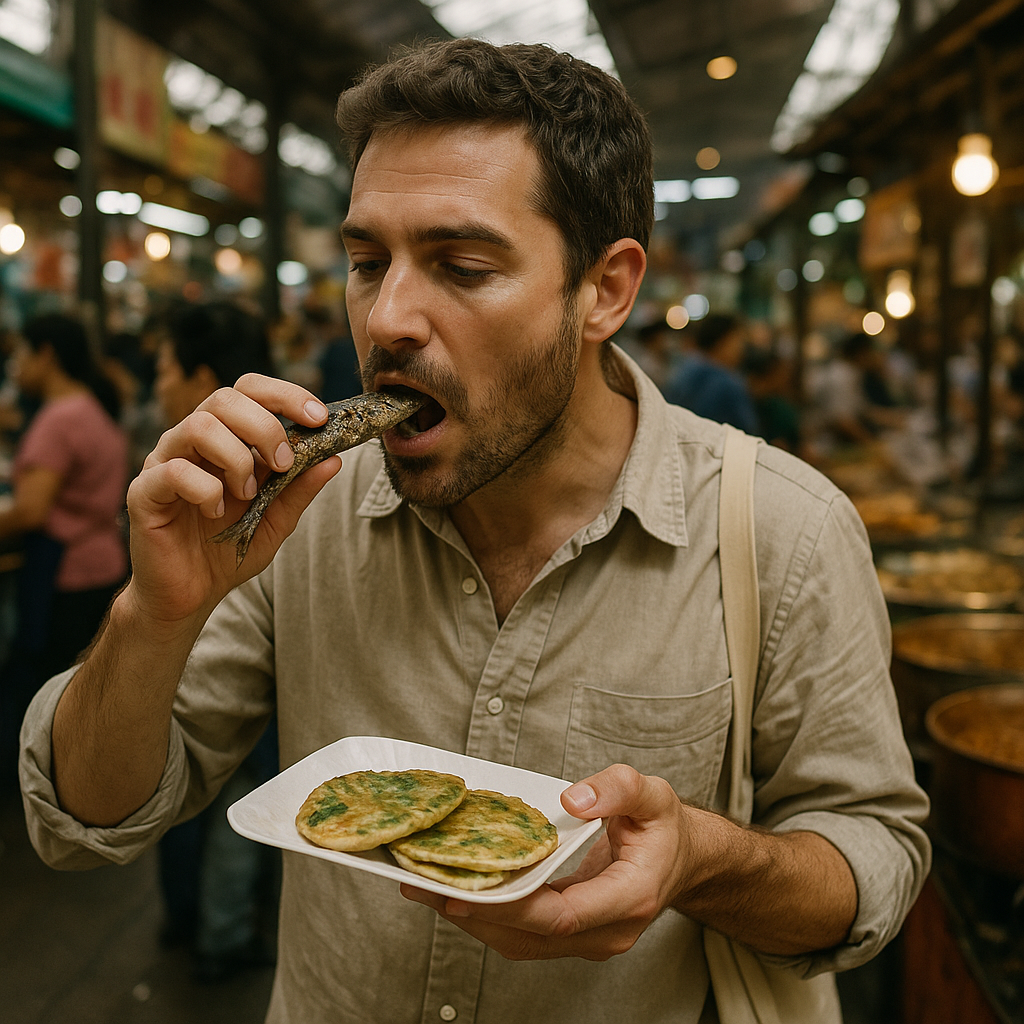
I used to treat public markets like a quick photo op: walk through, buy a jar of something, leave. The better move is to show up early, hungry, and willing to let one stall decide your whole morning. I like to arrive with two questions and no plan: What are people eating standing up, and what smells good from ten feet away? If the answer is grilled sardines, a stack of scallion pancakes, or a pot of beans that looks like it has been simmering since yesterday, you're in the right place.
Here's how I work it without turning into the annoying tourist blocking the aisle. First lap is just scouting. I watch who the vendors are feeding when they think nobody's looking: delivery guys, older couples, teenagers in school uniforms. Second lap, I buy one small thing, the kind you can eat with one hand and not regret. That purchase is the social key. Now you can ask, "Where do you eat on your day off?" and it doesn't sound like an interview. If your vendor points somewhere, don't ask for ten more options. Take the one.
And then I build the rest of the day around what I learned at the market. If everyone is buying fresh tortillas, I go looking for the neighborhood that smells like corn and woodsmoke at noon. If the cheese seller is pushing a sharp local wedge, I'll ask what people melt it on, then go hunt the dish, not the fancy restaurant. One more practical detail: bring small cash, a pack of napkins, and a tote you don't mind getting oily. Markets are where you find the foods that never make it onto the top-ten lists because they can't be plated prettily. That's exactly the point.
Ride the ferry like it's a food hall
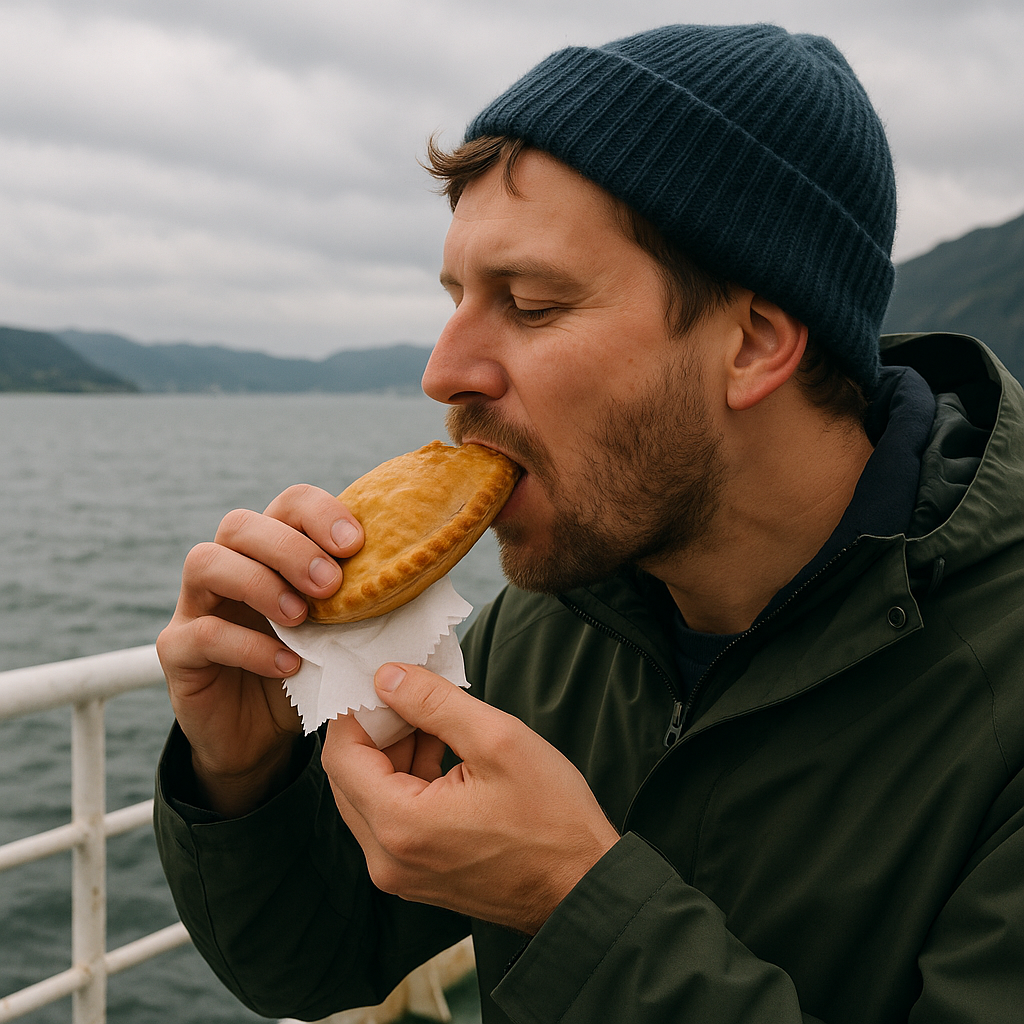
If there's a working ferry in a place, I get on it at least once, even if it feels like a dumb detour on paper. Not for the views (though, fine, those are nice). For the food behavior. Ferries are one of the few tourist-adjacent spaces where locals still show you what they eat between point A and point B, because nobody is dressing it up for Instagram when the wind is trying to steal your hat.
I learned this the hard way after buying a sad onboard sandwich and watching the rest of the deck unwrap things that smelled unfairly good. Now I do it differently. Before boarding, I step into the nearest little grocery or bakery, not a sit-down spot. I look for what they're selling in singles near the register: hand pies, seaweed-wrapped rice triangles, fried dough dusted with sugar, a paper packet of olives, a yogurt drink. If it's in a warmer with a fogged window, even better. Then I sit where I can watch what comes out of other people's bags without staring. You'd be surprised how often one snack repeats across three different groups. That's a clue, not a coincidence.
The ferry's small cafeteria can be useful too, but I treat it like research. If a particular soup is on the menu every day, there's a reason. If there's a plain-looking stew that sells out fast, that's your order. Skip the glossy poster item and buy the thing that seems like it was written on the board with no effort. Also, pay attention to what people put on top. Hot sauce brand, lemon wedges, a sprinkle of something from a shaker that isn't salt. Those tiny additions point you toward the local pantry, and later, toward the neighborhood joints that keep the same condiments on every table.
By the time the boat docks, you might have a specific target: the bakery that made the hand pie, the small fish shop that sells the pickled herring everyone was eating with crackers, the stand that does the spicy mayo people kept pulling out. It's a route that starts away from the tourist drag by design, because ferries connect working edges of towns. And the snacks don't care if you came for adventure or convenience. They're just good.
Backstreet bakeries tell the truth before noon
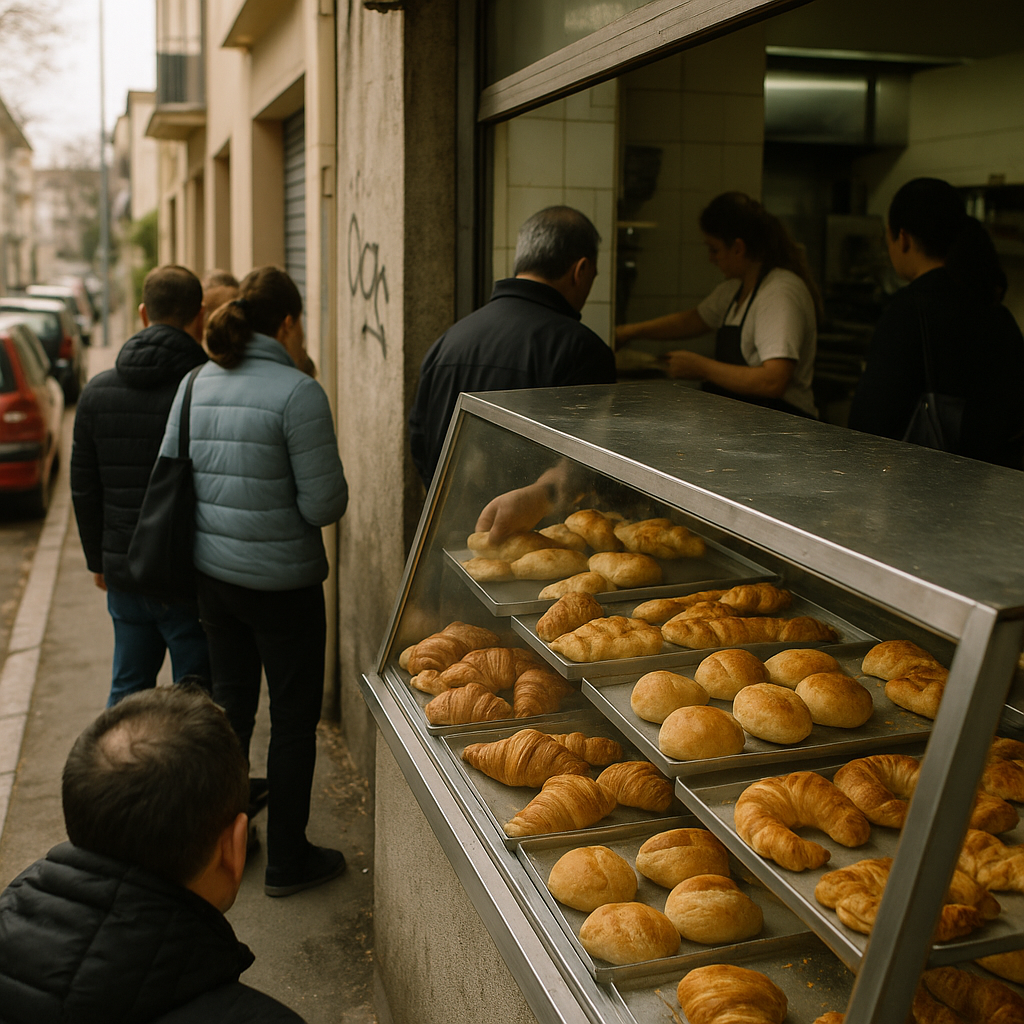
Every city has a bakery that gets all the hype, and sometimes it's great. But if you want the kind of food memory that sticks, you go where people are buying breakfast on the way to somewhere else. That's almost never on the prettiest street. It's on a side road with a school nearby, a bus stop, or a little cluster of apartments that would be boring to photograph. And you have to go early enough that the good trays aren't picked over.
My personal rule is simple: if the display case looks perfect at 11 a.m., I'm suspicious. I want fingerprints. I want the last two of something, slightly askew, and a line that moves quickly because everyone already knows what they're ordering. The best sign is the staff not having time to upsell you. You ask for one item, they grab it without looking up, and it's still warm in the paper. That's the place.
Once I'm in, I don't order the most complicated thing. I order the plain baseline item that the bakery has to nail every day: the basic croissant, the simple roll, the bread with nothing fancy on top. If that tastes good, then I'll add one sweet and one savory, and I keep it tight. Too many pastries at once turns into sugar fog, and you lose the ability to tell what was special. If there's a local staple I don't recognize, I point and ask, "Is that eaten for breakfast or later?" That question gets better answers than "What's best?" because it makes the employee think about how locals use it.
Then I walk. No sit-down table, no scrolling reviews. I take the pastry to the nearest park bench or a curb in the sun and eat it while the day starts moving. That small act does something to your route planning. You stop trying to hit landmarks in a logical order and start chasing the next bite that would make sense after what you just ate. If your roll is salty and oily, you start craving something bright and acidic. If it's buttery and rich, you want coffee from a place that doesn't bother with latte art. Those little pivots are how you end up on streets you would've never bothered with, and how the best travel meals show up without you ever searching for them.