Where To Find Great Food On Every Major Cruise Line
Cruise dining has become increasingly diverse. A ship might have a steakhouse, a sushi bar, an Italian trattoria, a chef-driven tasting menu, a poolside grill, and multiple international dining rooms. The variety can make it difficult to know where a cruise line truly stands out. The most memorable venues are those that best reflect a cruise line’s identity, history, and hospitality. There are longstanding favorites that passengers return to cruise after cruise, alongside newer ideas that help define where cruise dining is heading.
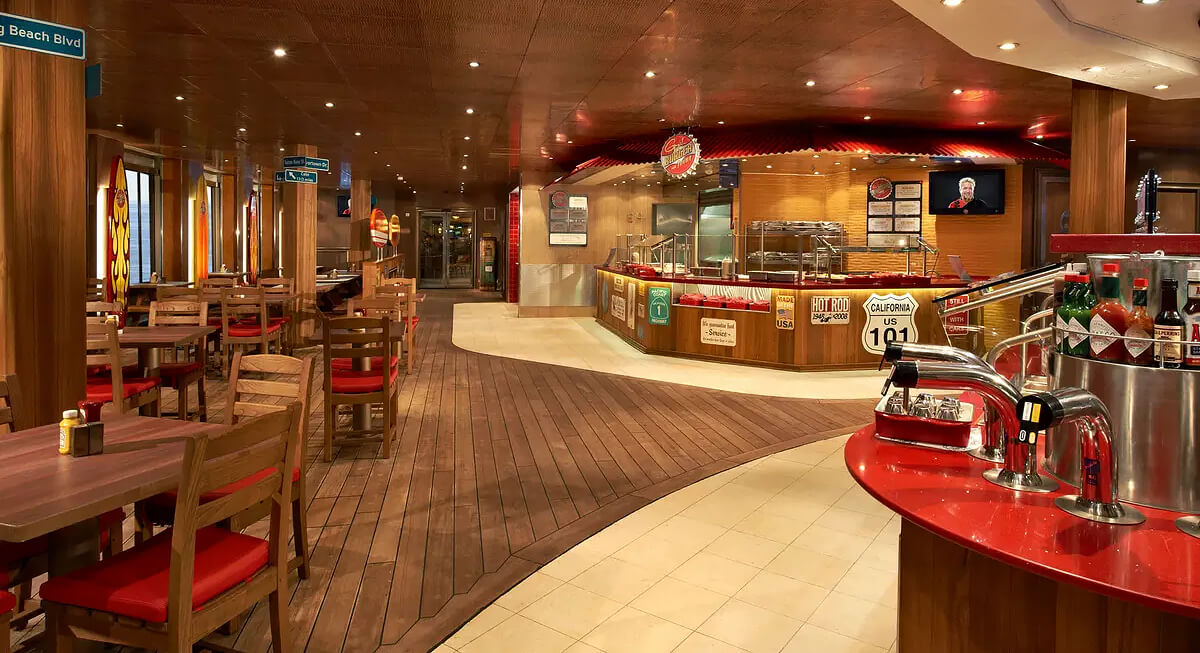
Carnival Cruise Line: Guy’s Burger Joint
Credit: Carnival Cruises
One of the first things many Carnival passengers do after boarding is head straight for Guy’s Burger Joint. The venue has become a familiar part of the Carnival experience, appearing across much of the fleet and attracting steady crowds throughout the day. It was created in partnership with chef Guy Fieri and serves burgers, fries, and customizable toppings in a casual outdoor setting. Rather than focusing exclusively on formal meals, the line emphasizes accessible food that fits naturally into a day spent by the pool or exploring the ship.
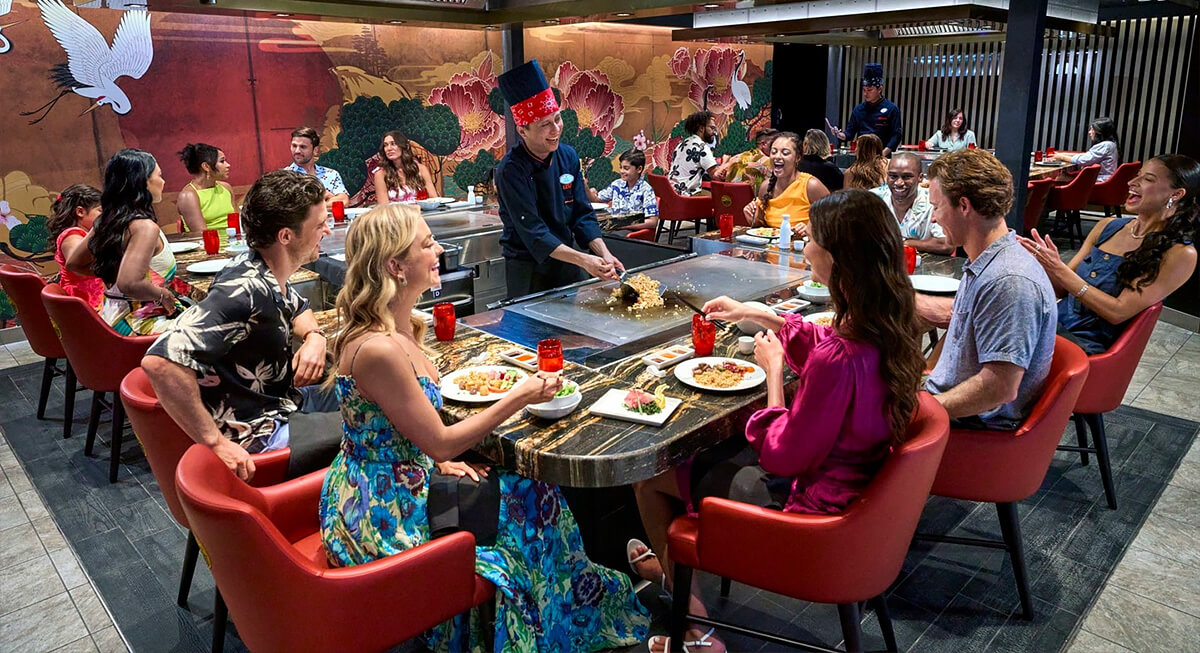
Royal Caribbean: Izumi
Credit: Instagram
Izumi reflects how cruise dining has evolved over the past two decades. When the concept first appeared, sushi restaurants were still relatively uncommon at sea. Today, Izumi can be found on many Royal Caribbean ships, offering everything from sushi rolls and sashimi to hibachi-style meals on selected vessels. The restaurant’s expansion mirrors broader changes in passenger tastes. As demand for Asian cuisine has grown, Royal Caribbean has expanded the concept.
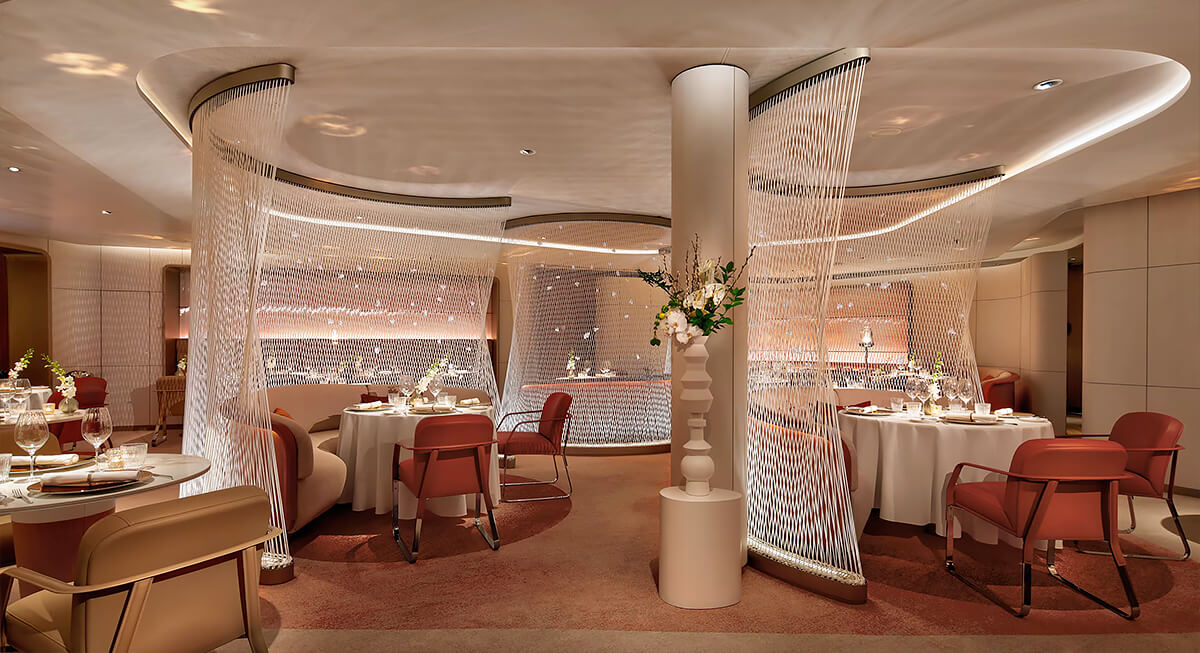
Celebrity Cruises: Le Voyage by Daniel Boulud
Credit: Celebrity Cruises
Celebrity Cruises has invested heavily in partnerships with respected culinary figures, and Le Voyage is one of the clearest examples of that strategy. Developed with chef Daniel Boulud, the restaurant offers a menu inspired by flavors and techniques drawn from destinations around the world. The restaurant highlights the cruise line’s efforts to attract travelers who prioritize culinary experiences when choosing a vacation.
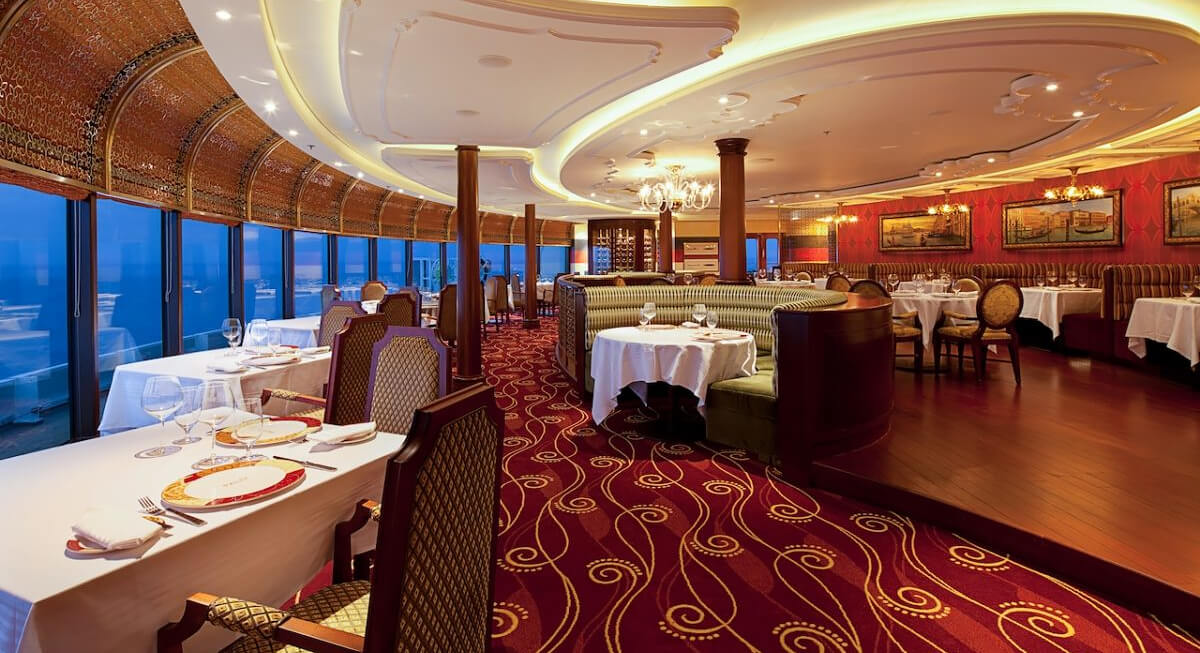
Disney Cruise Line: Palo
Credit: Disney Cruise Line
Disney Cruise Line is best known for family entertainment, themed dining rooms, and character experiences. Palo, on the other hand, is an adults-only restaurant with a quieter atmosphere, focusing on Northern Italian cuisine. It’s one of Disney Cruise Line’s most sought-after reservations.
Norwegian Cruise Line: Cagney’s Steakhouse
Credit: NCL
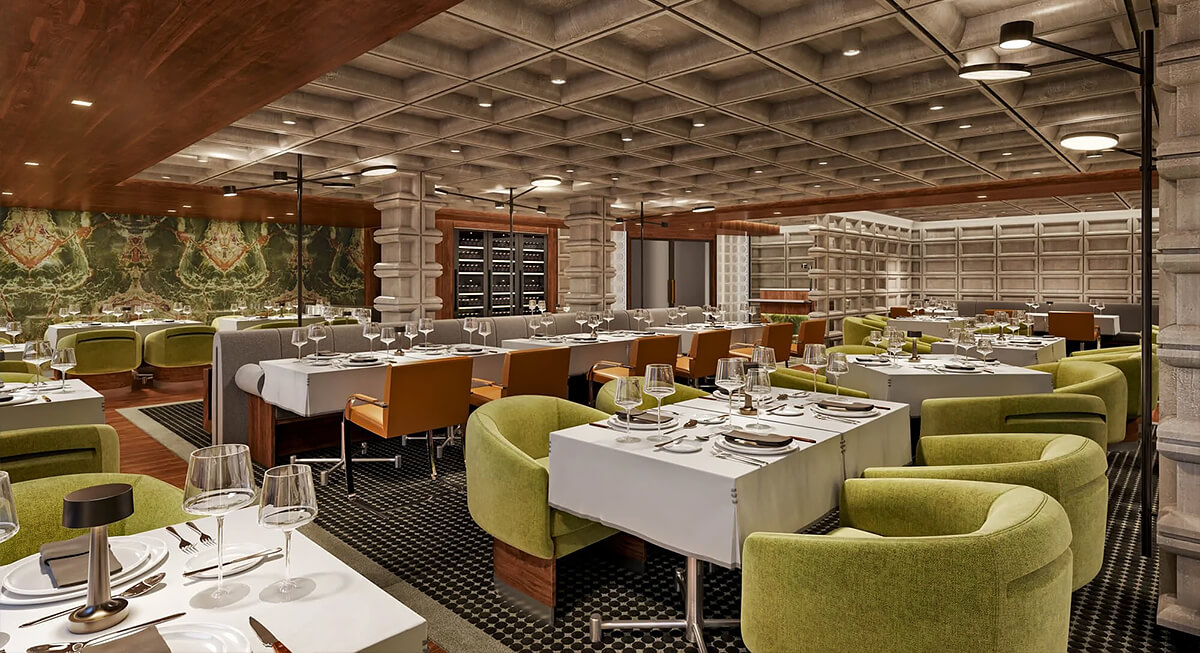
Cagney’s Steakhouse is closely tied to Norwegian Cruise Line’s Freestyle Dining philosophy. When Norwegian introduced the concept, it moved away from many traditional cruise dining practices, including fixed dining times and assigned seating. Specialty restaurants such as Cagney’s became an important part of that more flexible approach. The steakhouse has a familiar dining format; it focuses on premium cuts of beef and seafood, along with classic steakhouse sides.
Oceania Cruises: Red Ginger
Credit: Cruise Critic
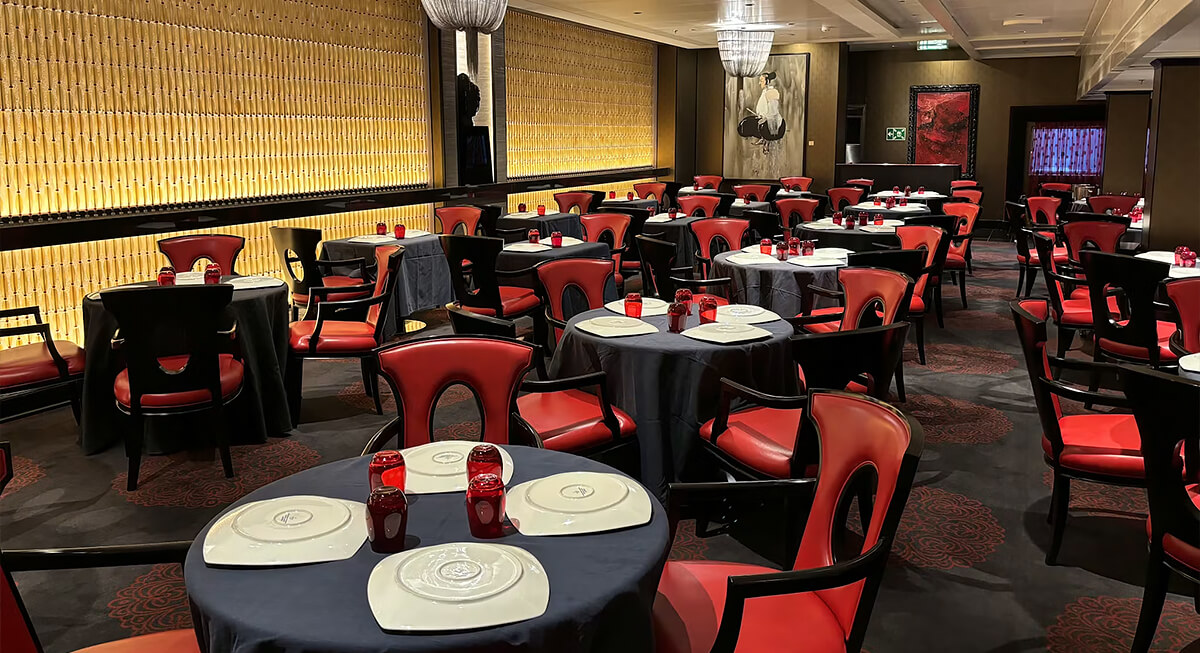
Since its introduction aboard Marina, Red Ginger has focused on a menu that draws from several Asian culinary traditions. Passengers have access to a wider range of flavors than they might find elsewhere on the ship. Several dishes have become closely associated with the restaurant over the years. Miso Glazed Sea Bass appears consistently on Red Ginger menus and is frequently highlighted in both company materials and cruise reviews. Lobster Pad Thai has become another long-running signature item, to the point that Oceania has published the recipe itself.
Princess Cruises: Sabatini’s Italian Trattoria
Credit: Cruise Critic
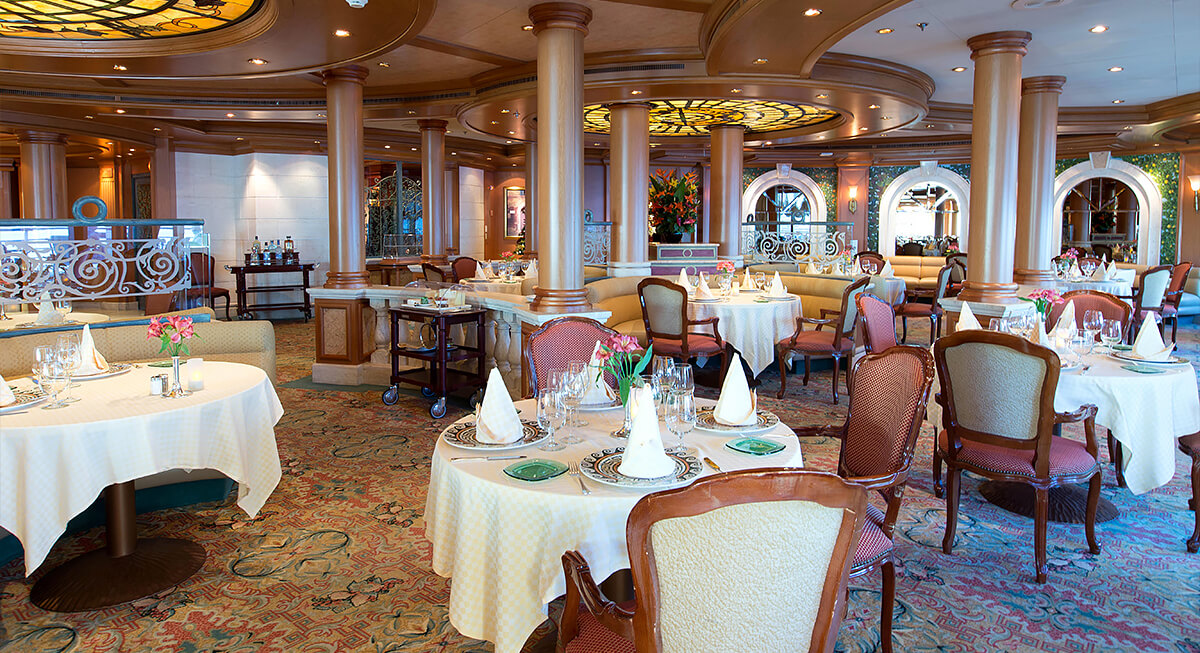
Sabatini’s has remained part of Princess Cruises’ dining landscape for many years. The restaurant has evolved over time, but its emphasis on Italian cuisine continues to make it one of the line’s signature venues. Its longevity reflects the preferences of many Princess passengers, who often value consistency as much as novelty.
MSC Cruises: Butcher’s Cut
Credit: Cruising Journal
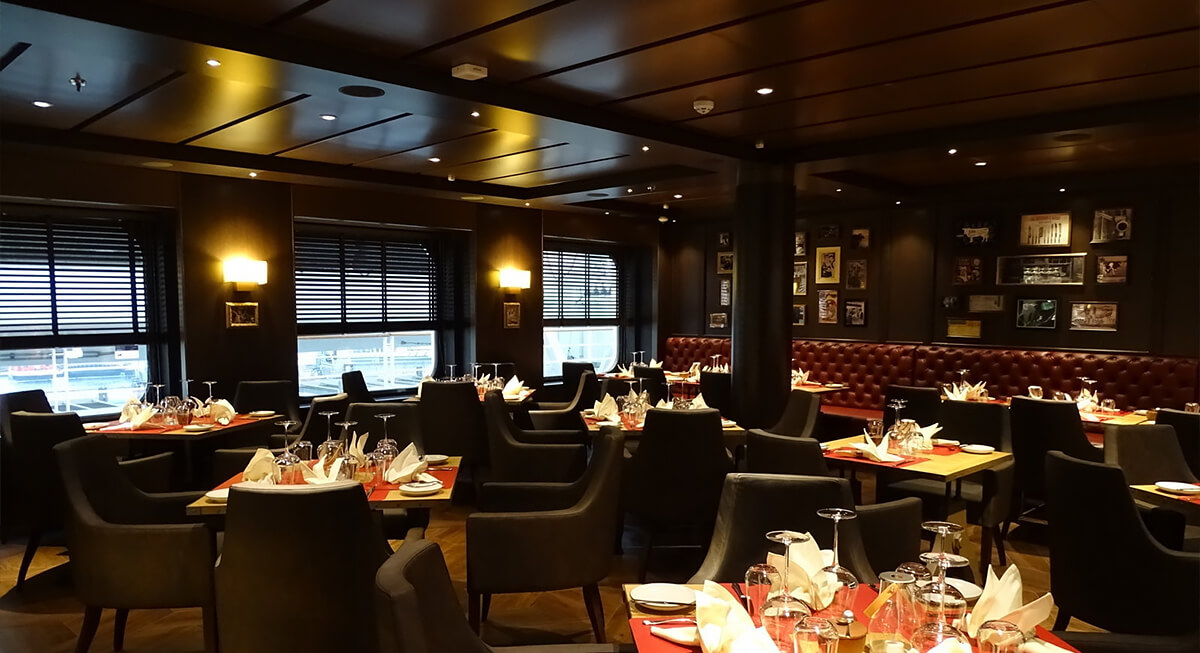
Butcher’s Cut reflects an important part of MSC Cruises’ dining strategy: bringing familiar international restaurant concepts to a global audience. The American-style steakhouse appears on multiple MSC ships and has become one of the line’s most recognizable specialty dining venues. It offers premium beef cuts, classic steakhouse sides, and a wine program that complements the menu. The restaurant demonstrates how MSC balances its Italian roots with the expectations of passengers sailing from North America, Europe, and other international markets.
Holland America Line: Tamarind
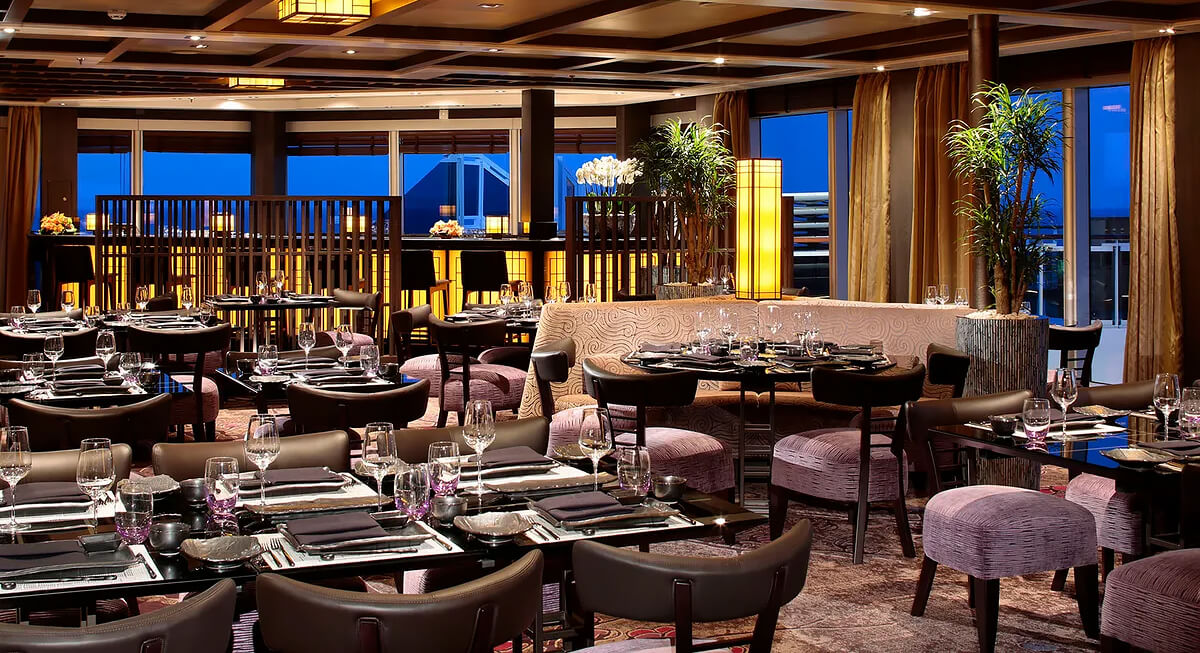
Credit: Travel Weekly
Tamarind adds variety to Holland America’s restaurant lineup. The cruise line is often associated with traditional service, classic dining rooms, and a mature onboard atmosphere. An Asian-inspired specialty restaurant might seem unexpected in that context. Yet Tamarind has become a regular recommendation from passengers looking for something different from the main dining room experience.
Virgin Voyages: The Test Kitchen
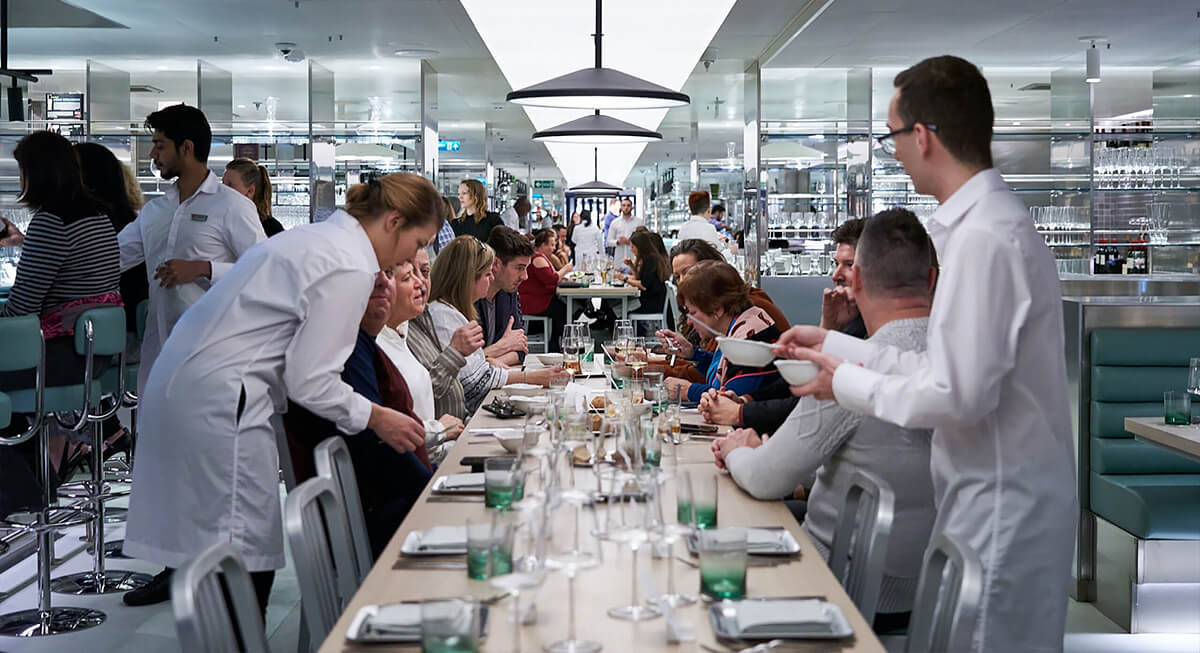
Credit: VV Insider
Virgin Voyages entered the cruise industry with a different approach to dining that aims to eliminate the traditional main dining room and replace it with a collection of individual restaurant concepts. The Test Kitchen is perhaps the clearest example of that philosophy. There’s no conventional menu. The restaurant uses tasting menus and carefully structured courses that encourage guests to focus on ingredients, preparation methods, and presentation. The experience is intentionally different from most cruise dining venues.