10 First-Timer Luxury River Cruise Misconceptions
Luxury river cruises have exploded in popularity over the last decade, especially along famous waterways like the Danube and Rhine. Still, plenty of travelers hesitate to book one because of assumptions that don’t quite match reality. Many first-time cruisers picture quiet ships filled with retirees, rigid itineraries, and very little to do once you’re onboard.
The truth is a little different. Modern river cruises combine boutique-hotel comfort with immersive travel, often docking right in the center of historic towns and cities. If you’ve been curious about trying one but have a few doubts in the back of your mind, these common misconceptions are worth clearing up first.
River Cruises Are Only for Retirees
Credit: Wikimedia Commons
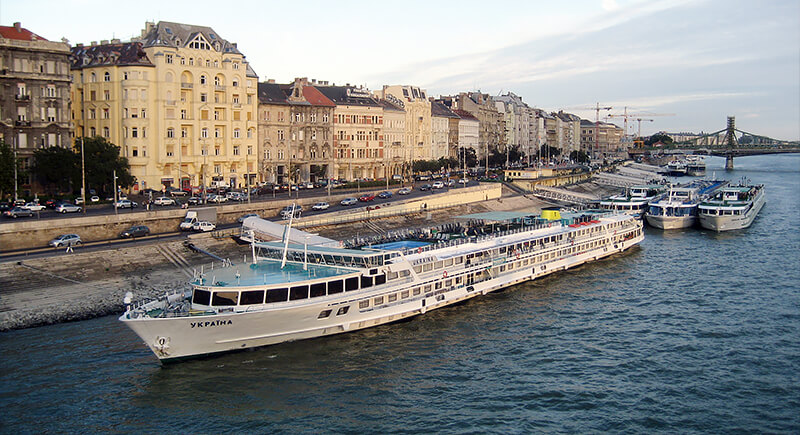
River cruising has built a reputation among older travelers, which is why many first-timers assume the ships are filled with retirees. That stereotype has been fading recently. Cruise lines now design itineraries that appeal to a much wider age range. Passengers are often in their late 40s and early 70s, with younger travelers increasingly joining the mix. Couples celebrating milestones, solo travelers, and even small family groups are becoming common sights on European river routes.
River Cruises Are Boring
Credit: Youtube
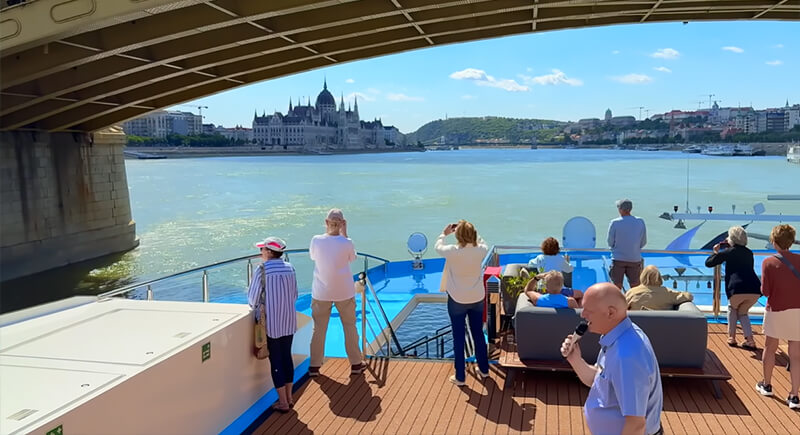
One of the most persistent myths is that river cruises are slow and uneventful, which is really just another idea stemming from their association with older retirees. In reality, most itineraries are packed with activities like guided city tours, cooking demonstrations, wine tastings, cultural performances, cycling excursions, and historical lectures. Even onboard time can be surprisingly lively. Ships frequently host music performances, trivia nights, workshops, and themed events that connect travelers to the destinations they’re visiting.
You’ll Spend Most of the Trip Stuck on the Ship
Credit: pexels
Ocean cruises often include several sea days, which leads many people to assume that river cruises work the same way. They usually don’t. Most river itineraries stop in a new destination almost every day and sometimes even stay overnight in major cities. Ships also often dock directly in the center of town. Instead of spending long hours sailing across open water, the focus is almost always on the riverbanks.
River Cruises Only Sail in Europe
Credit: Wikimedia Commons
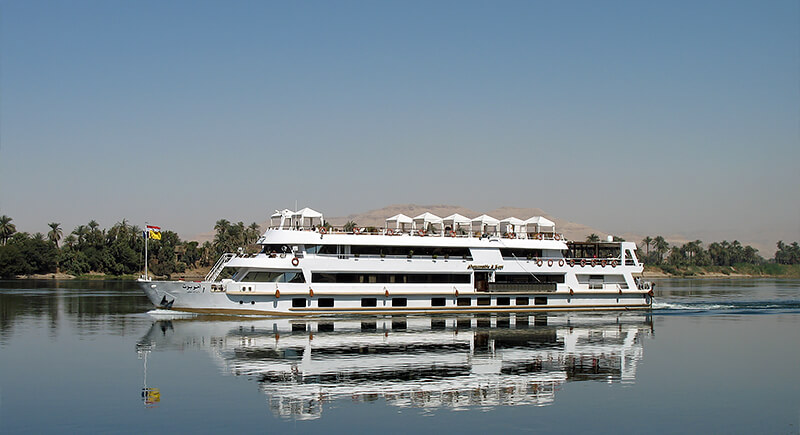
The Danube and Rhine are the most famous routes, but river cruising is far from limited to Europe. Travelers can sail the Nile in Egypt, the Mekong in Southeast Asia, the Amazon in South America, and the Mississippi in the United States. Each region offers a completely different cultural experience. Some cruises focus on ancient history, while others highlight wildlife, food traditions, or colonial architecture.
River Cruises Are Extremely Expensive
Credit: Youtube
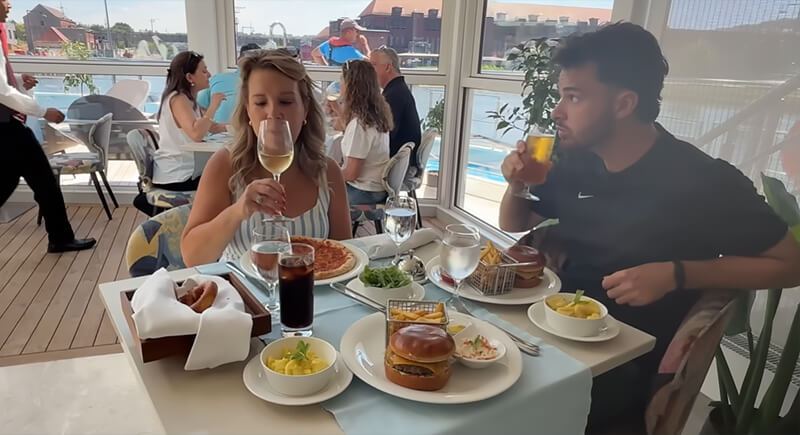
At first glance, river cruise fares can look higher than typical ocean cruise prices. The difference is that many extras are already included in the cost. Excursions, wine or beer with meals, onboard entertainment, and sometimes Wi-Fi or airport transfers are often bundled into the price. When travelers compare those inclusions to the extra fees that accumulate on some ocean cruises, the overall value becomes clearer.
Cabins Are Tiny and Cramped
Credit: Getty Images
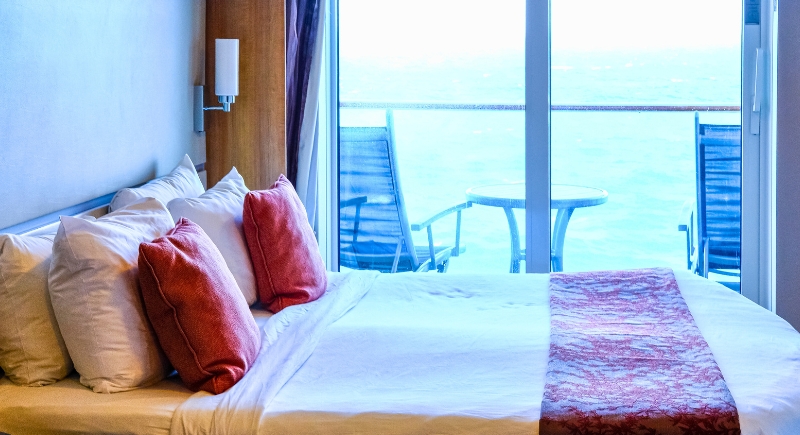
Early river cruise ships did have smaller cabins, which helped create this misconception. Modern vessels have evolved dramatically. Many cabins now include panoramic windows or French balconies that open to the river views. Designers often use smart layouts that maximize storage and comfort.
You’ll Be Forced Into Formal Dining
Credit: pexels
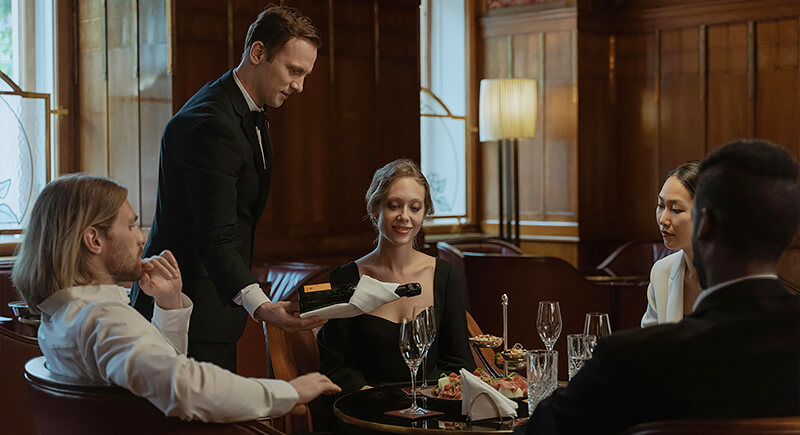
Formal nights and assigned seating are sometimes part of an ocean cruise, but dining onboard a river cruise tends to be relaxed and flexible. Guests can usually sit with their own travel companions or join others if they want to socialize. Dress codes are typically casual, especially after a long day spent exploring historic cities and cobblestone streets.
River Cruises Feel Crowded and Claustrophobic
Credit: Youtube
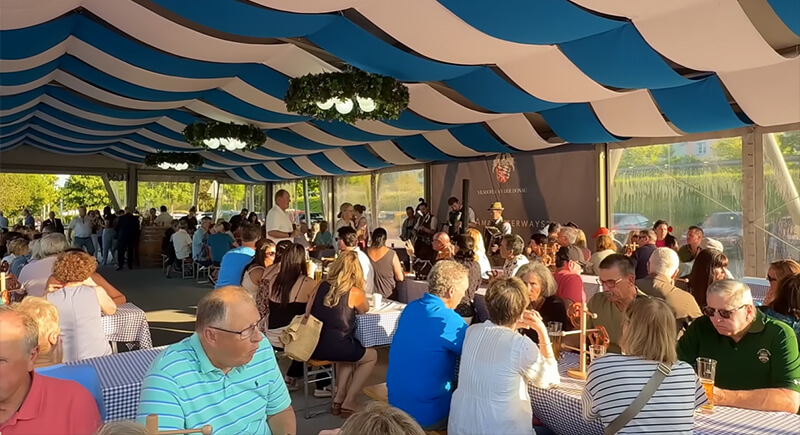
Some first-time travelers imagine river ships as cramped vessels where passengers constantly run into each other. That assumption usually comes from comparing them to large ocean ships and picturing narrow riverboats with limited space. Most luxury river cruise ships carry fewer than 200 passengers, which creates a far more intimate atmosphere than the thousands on ocean liners. Ships are also designed with multiple lounges, sun decks, observation areas, and restaurants so guests can spread out easily.
The Views Are All the Same
Credit: Youtube
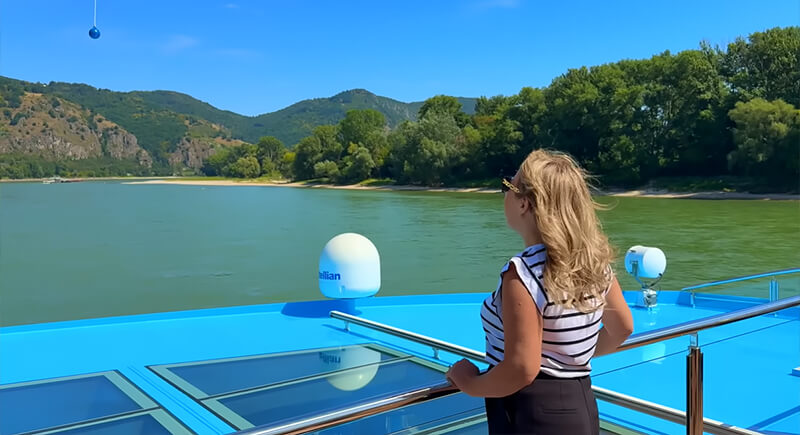
Since rivers follow a single path, it’s easy to assume the scenery won’t change much from day to day. It’s not fun staring at the same stretch of water and shoreline. But landscapes along major river routes shift constantly. One stretch might pass medieval castles perched above vineyards, while the next travels through lively cities, forested valleys, or farming villages. On famous sections like the Rhine Gorge or Austria’s Wachau Valley, the scenery changes so quickly that many passengers spend hours on the sun deck just watching the landscape unfold.
You’ll Get Seasick
Credit: Getty Images
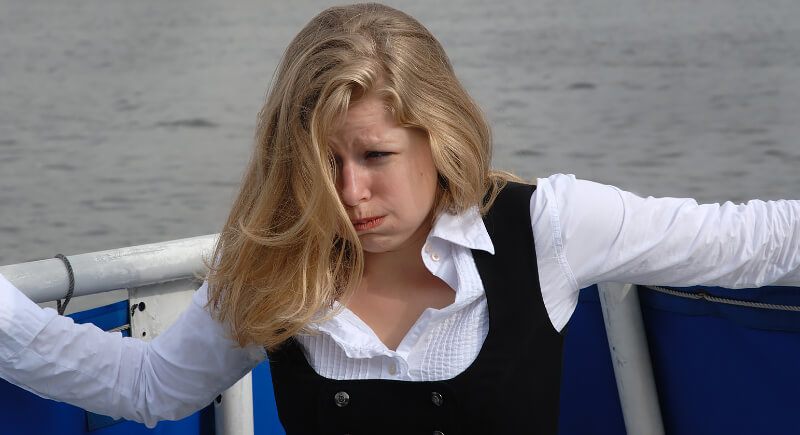
Motion sickness is a common concern. The idea of spending days on a moving vessel can be enough to rule the experience out entirely. But a river rarely causes motion sickness. Ships travel on calm inland waterways, so there are no large waves or heavy swells. Vessels also move at slower speeds, so you experience little to no motion. Plus, land is usually visible on both sides of the river, which helps reduce disorientation.