The Lost Universal Studios Attractions We Are Still Mourning
Universal Studios once focused heavily on practical effects, live performances, and experiences that placed guests directly inside physical environments. Over time, many of those attractions were removed and replaced with newer concepts that rely more on screens and established franchises. This has also resulted in a long list of retired attractions that people still remember clearly.
Jaws (Closed 2012)
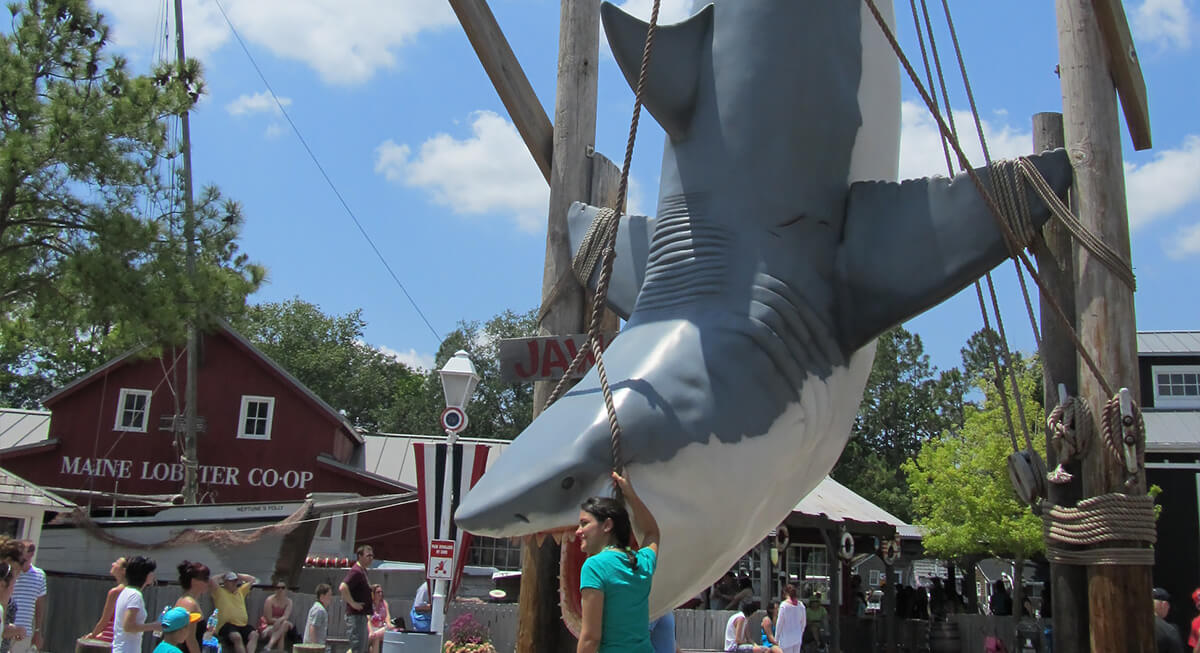
Credit: Wikimedia Commons
Not many attractions made guests laugh, brace for impact, and quote the movie all in the same ride cycle. Jaws turned a simple boat tour into a panic spiral, using fire bursts, mechanical shark attacks, and a skipper performance that sold the whole thing. It carried a rough-edged unpredictability that made every run slightly different. Its replacement may be bigger and more modern, but it does not recreate that same tension.
Back to the Future: The Ride (Closed 2007)
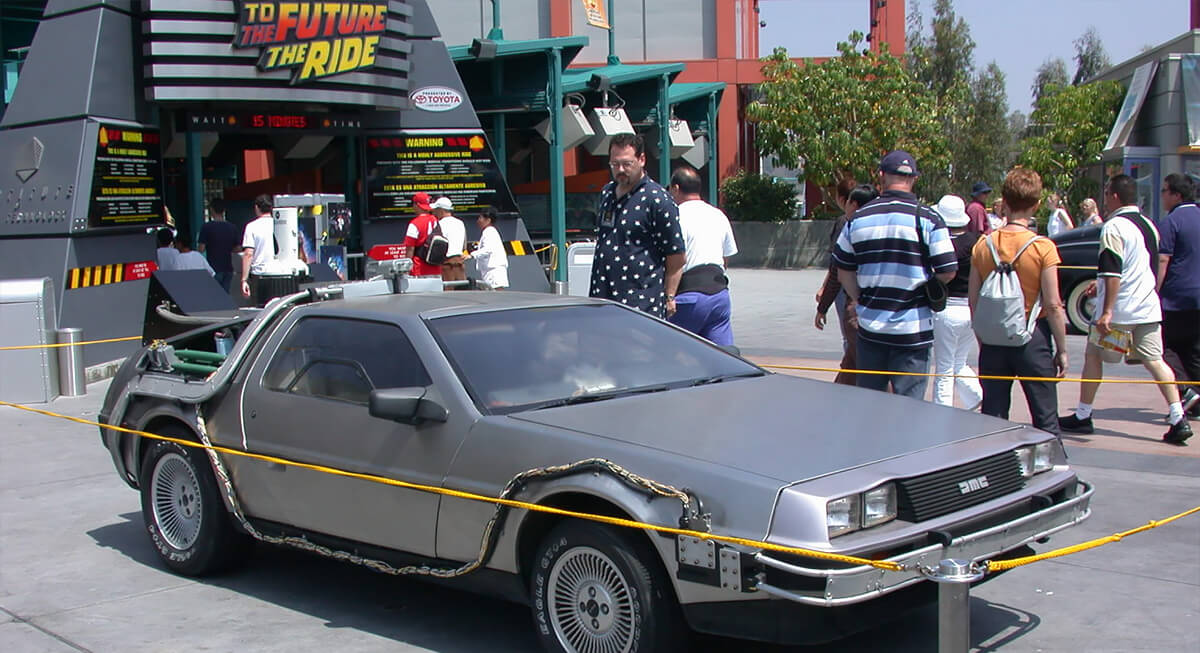
Credit: Wikimedia Commons
This was the ride that made motion simulation feel event-level. The DeLorean theming, the Biff chase, the exaggerated movement, the giant screen illusion of flight through time, all of it delivered exactly what Universal once promised: you were riding the movies. Fans still mourn it because it captured a specific era of Universal, where one strong idea could carry an entire experience.
Kongfrontation (Closed 2002)
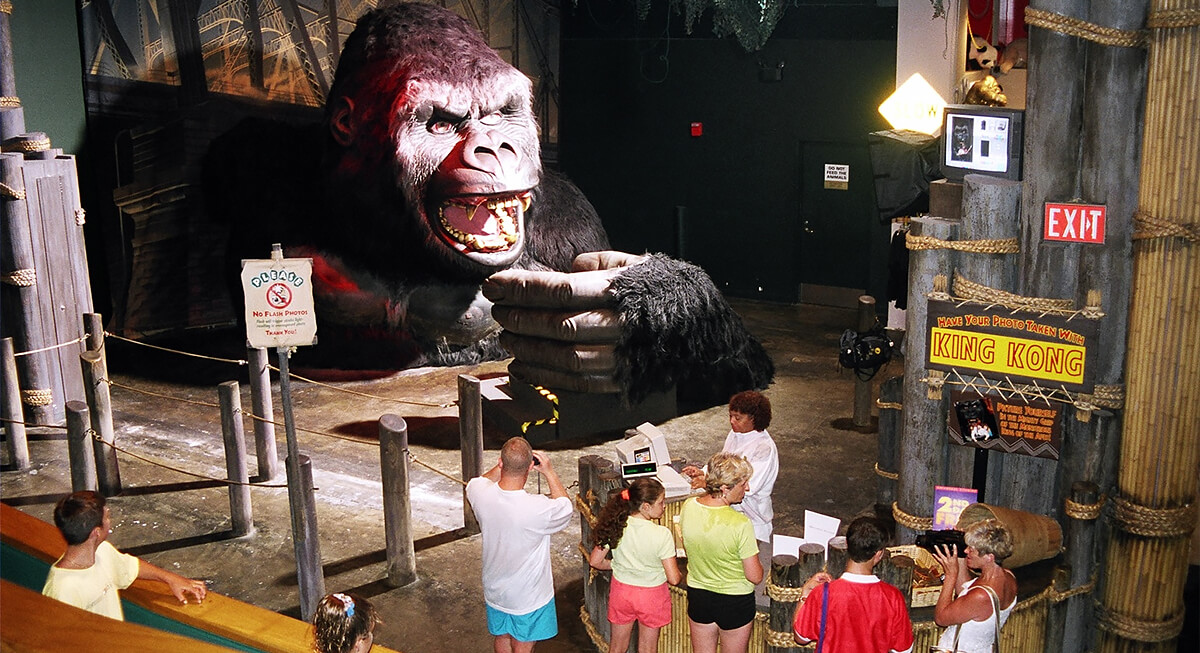
Credit: Wikimedia Commons
Kongfrontation relied on scale. Guests were suspended in aerial tram cars while a towering Kong animatronic lunged, grabbed, and breathed down on them. Even the details around him mattered, including the famous banana breath. This was ride engineering designed to make a creature feel present and threatening. Its closure signaled a broader change in priorities, where large-scale physical builds were no longer the centerpiece.
Twister…Ride It Out (Closed 2015)
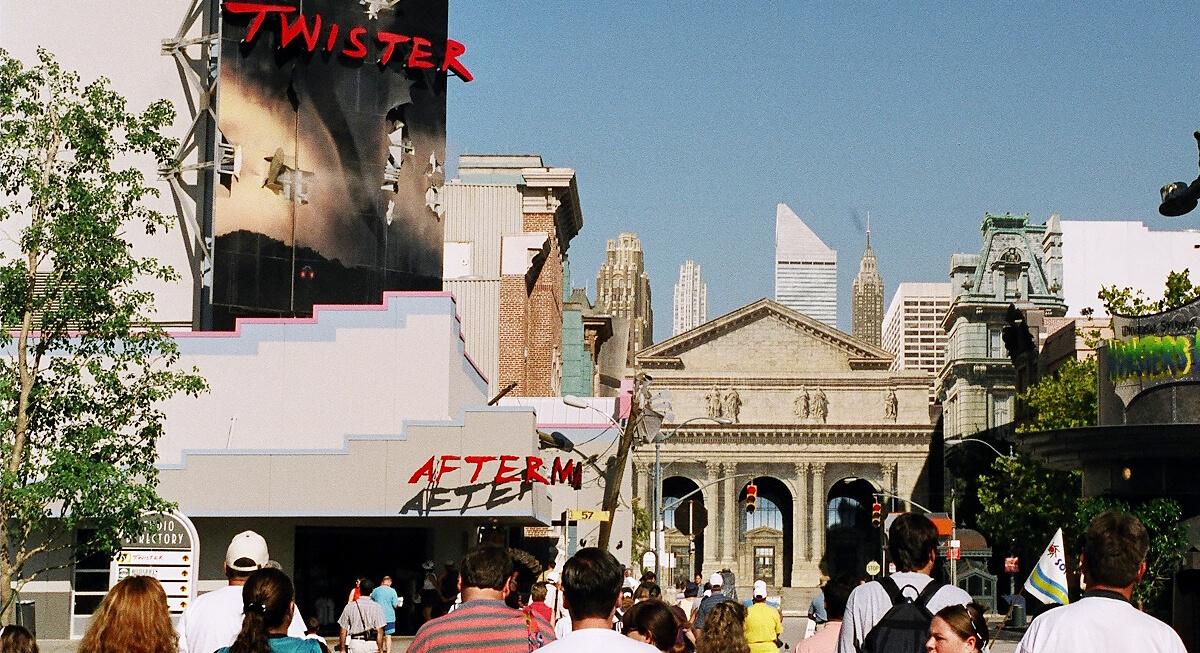
Credit: Wikimedia Commons
Twister blasted visitors with wind, heat, sound, vibration, and collapsing scenery all at once, and the experience was a complete sensory overload. There was something blunt and effective about that design. What people remember most is how direct it was, without needing layers of digital enhancement.
Disaster! – A Major Motion Picture Ride… Starring You (Closed 2015)
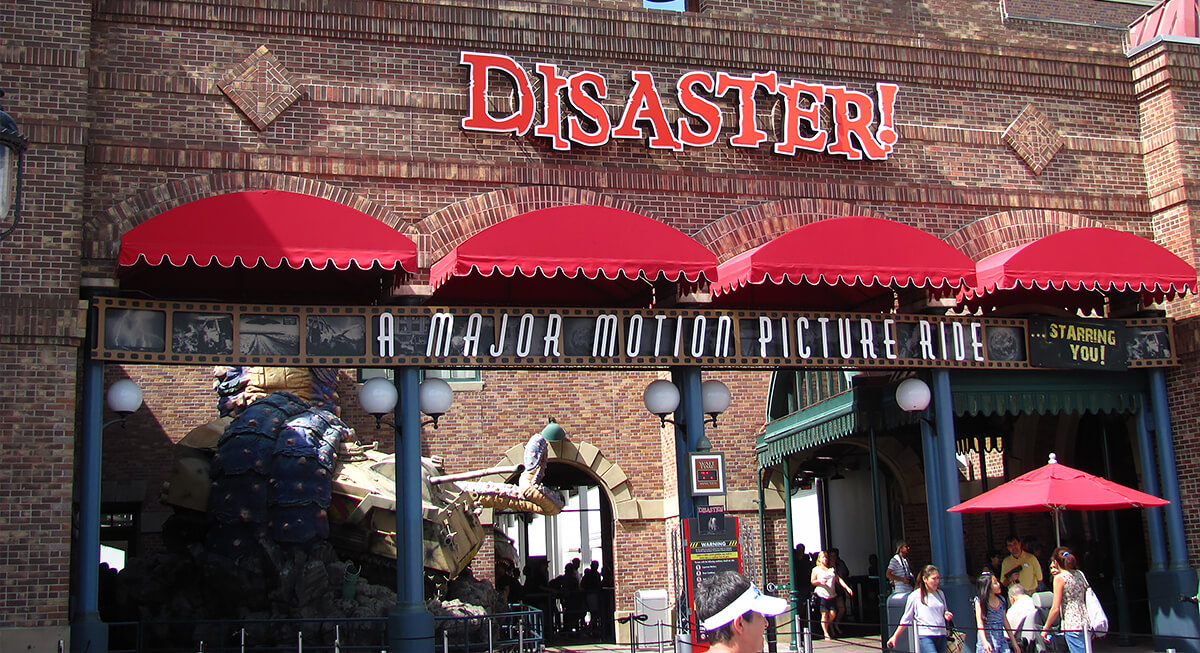
Credit: Wikimedia Commons
Disaster! was built around participation, parody, and staged mayhem, with riders dropped into a subway catastrophe and later folded into a finished film. It carried a self-aware tone without losing structure. More importantly, it kept alive Universal’s original identity as a place where visitors could peek behind the curtain.
Nickelodeon Studios (Closed 2005)
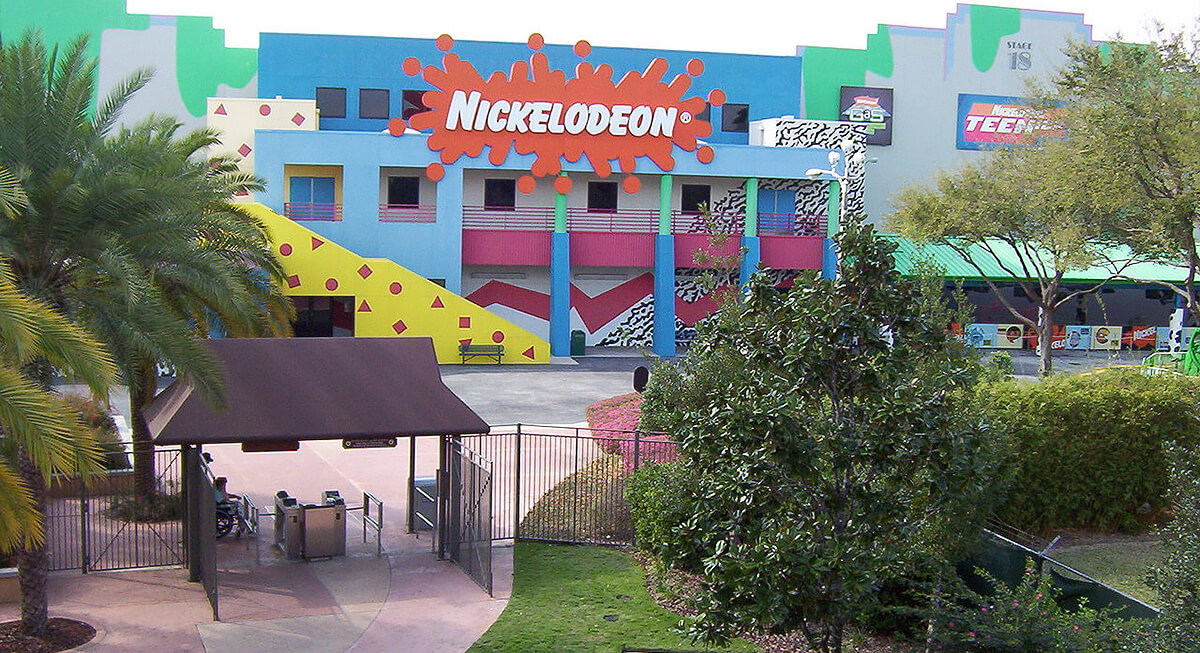
Credit: Wikipedia
Nickelodeon Studios was not nostalgic in the usual ride sense because it was never just a ride. It was a functioning production space, a tour, a performance venue, and for many visitors, proof that television was made by real people in a real place. Losing it meant losing one of the clearest links between the park and the working entertainment world.
Alfred Hitchcock: The Art of Making Movies (Closed 2003)
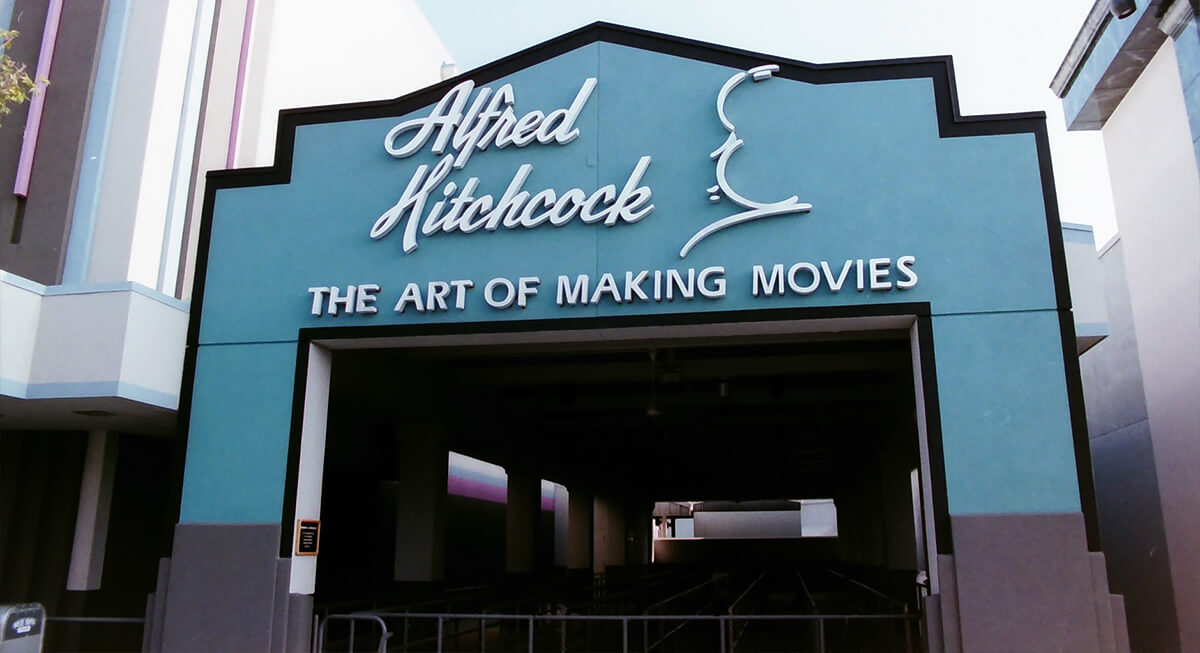
Credit: X
This attraction represented the smartest version of old Universal; it was part exhibit, part show, part film-school experience. Guests came out with a clearer understanding of how a director built tension, framed scenes, and controlled what the audience saw. The Psycho shower sequence breakdown alone made it memorable. It trusted visitors to care about the process, something few attractions attempt now.
Ghostbusters Spooktacular (Closed 1996)
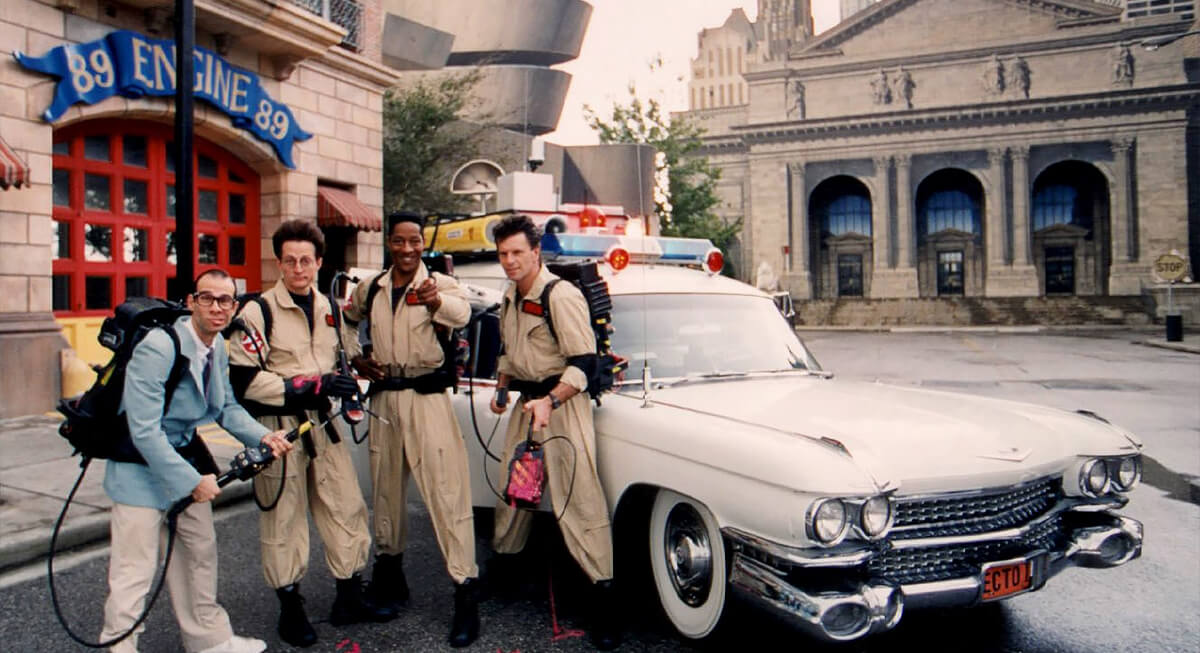
Credit: Attraction Insight
Ghostbusters Spooktacular had the looseness of a live show and the effects of ambition of a ride, which gave it a personality that newer attractions often lack. Pepper’s ghost illusions, stage spectacle, comedy beats, and a distinctly odd tone made it stand apart. It also belonged to a moment when Universal built around licensed properties in theatrical ways instead of turning everything into a ride system.
Poseidon’s Fury (Closed 2023)
Credit: Wikimedia Commons
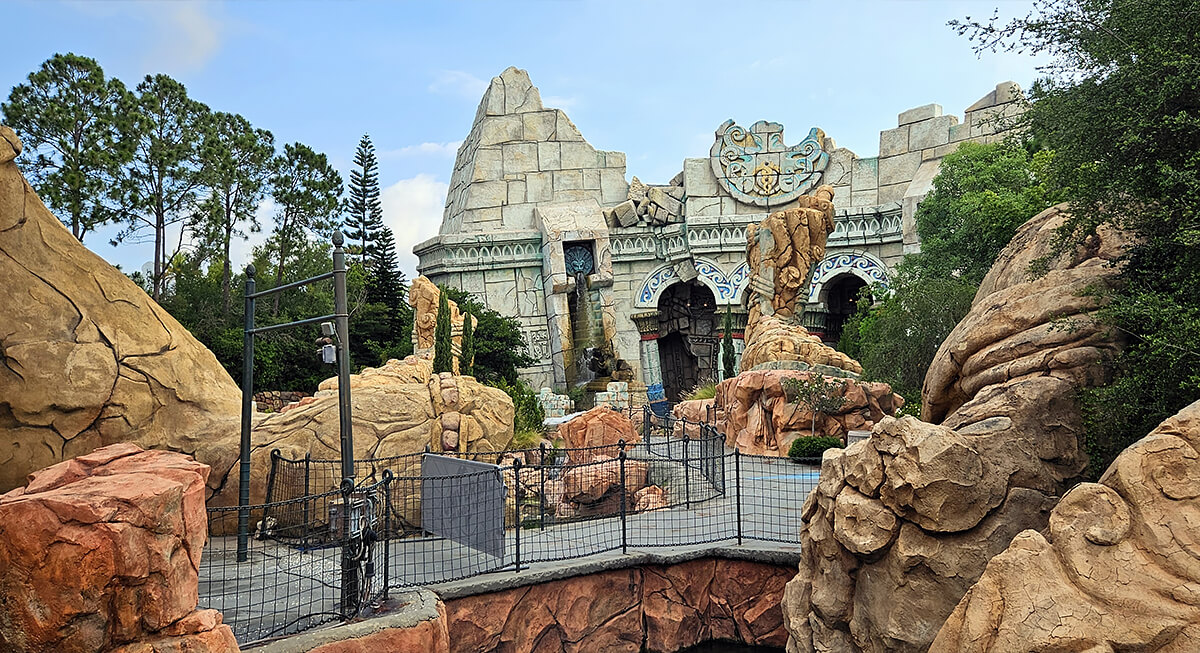
Poseidon’s Fury lasted so long partly because nothing else in the park really worked like it. It was a walk-through attraction that committed to scale, elemental effects, and a full mythic tone. The ride led guests room by room through water tunnels, live performers, and large practical sets.
Dragon Challenge (Closed 2017)
Credit: Wikimedia Commons
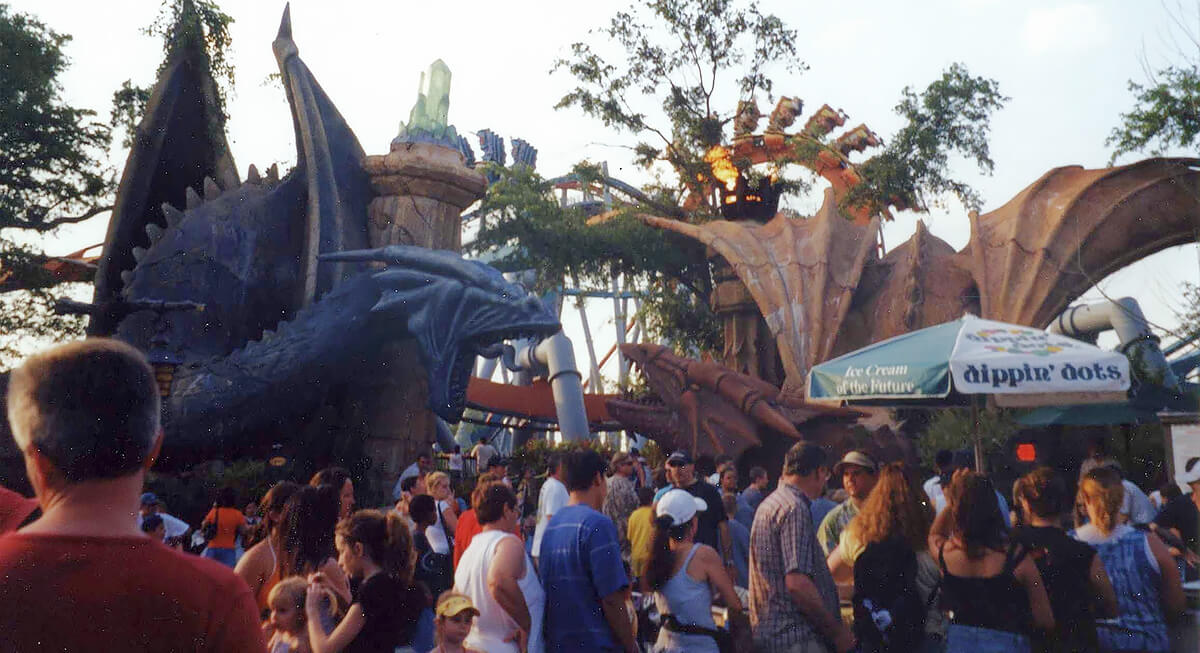
Dragon Challenge was defined and is remembered by its ride design. It featured two intertwined coaster tracks, each offering a different experience. Despite being part of a major franchise, it operated as a standalone coaster.