Most Livable U.S. Towns With Low Costs of Living
Big cities aren’t the only places to build a good life. For many people, the rising cost of urban living has pushed them to look somewhere cheaper and easier to manage. That’s where smaller U.S. towns come in. These places, besides being less expensive, offer genuine value in everyday life. Housing is more affordable, essentials like groceries and healthcare don’t break the bank, and getting around is simpler. These towns show what’s possible when low costs meet livability.
New Ulm, Minnesota

Credit: Facebook
New Ulm ranks high on livability for good reason. Average transportation costs hover around $3,300, and the overall cost of living stays just above $18,000 per year. It’s cheap, but most importantly, it works. With modest home prices and a solid infrastructure, it feels built for long-term living, not just short-term affordability.
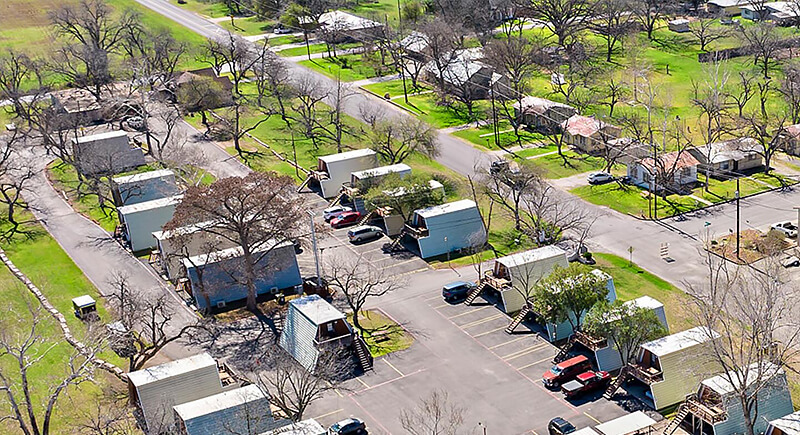
Heidelberg, Texas
Credit: Instagram
Fewer than 2,000 people call Heidelberg home, yet it holds the top spot on Niche’s 2025 affordability index. That’s largely due to its steady low housing prices and the way everyday expenses stay under control. It’s small, but still connected enough to make daily life feel easy rather than isolated.
Iron Mountain, Michigan

Credit: Tripadvisor
A median home value of just $125,935 sets Iron Mountain apart from other areas. Residents keep annual grocery and transportation expenses under national averages, which leads to a total cost of living of around $21,474. The town scores a solid 74 on the livability scale, backed by reliable infrastructure.
Pearl River, Mississippi

Credit: pearlrivercounty
Pearl River lands second on Niche’s affordability list for 2025, and consistency is its calling card. It’s especially well-suited for those looking to settle in one place without financial surprises. Housing, healthcare, and utilities remain low here, which offers peace of mind that doesn’t fluctuate year to year.
Taos, New Mexico

Credit: Tripadvisor
While home values in Taos are higher than in other cities on this list, core living expenses keep total annual costs below $20,000. Residents benefit from lower-than-average spending on healthcare and groceries, even if home prices trend a little higher. It’s a rare combo that doesn’t require compromising either culture or budget.
Leakesville, Mississippi

Credit: Facebook
Leakesville keeps yearly expenses relatively low, with residents spending under $21,000 on average. Groceries come to about $4,943 a year, and healthcare costs near $5,632. The town’s livability index of 71 points to a place that stays practical and affordable, with core costs like utilities and transportation remaining manageable.
Vineyard, Utah

Credit: iStockphoto
As one of Utah’s fastest-growing communities, Vineyard could easily have gone the costly route. But it didn’t. Utilities stay below $4,000 a year, and grocery spending doesn’t push the limit either. Its livability index of 72 reflects a town growing at a pace people can actually afford.
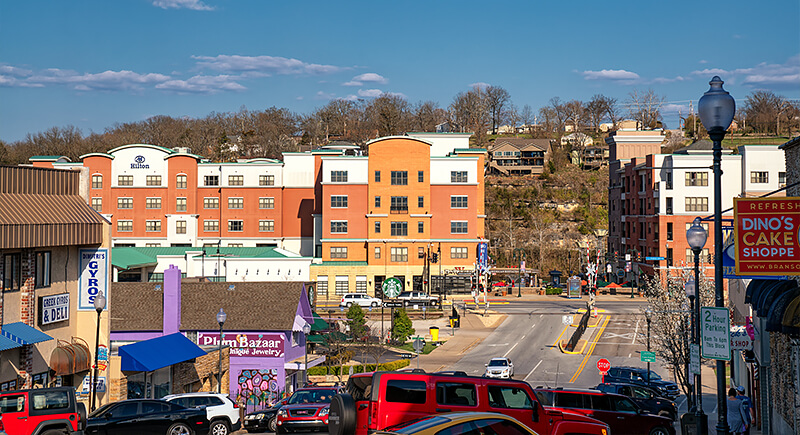
Branson, Missouri
Credit: Wikipedia
Tourists know Branson for shows and attractions, but locals benefit from low everyday costs. It takes around $19,500 per year to live here, with groceries averaging $5,049 and utilities around $4,151. It’s proof that entertainment hubs don’t have to be unaffordable for the people who live there.
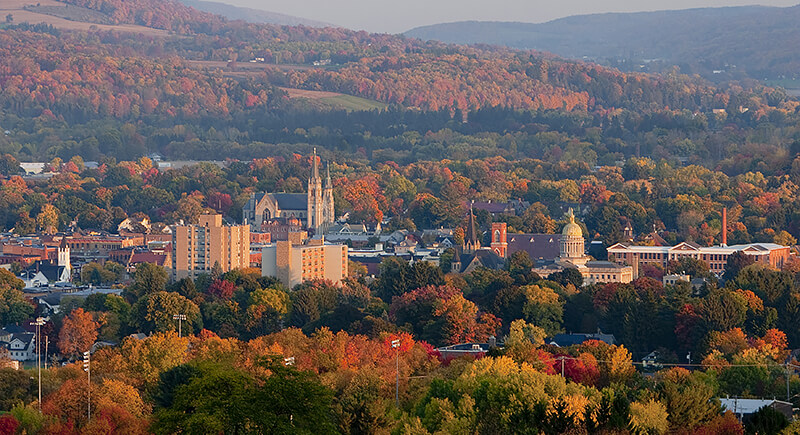
Cortland, New York
Credit: Wikipedia
Cortland stands out in upstate New York thanks to a livability score of 78 and a median home value under $180,000. Transportation costs stay under $4,000, and grocery bills land below $5,200. That mix of cost control and livability is rare in a region where prices often stretch higher.
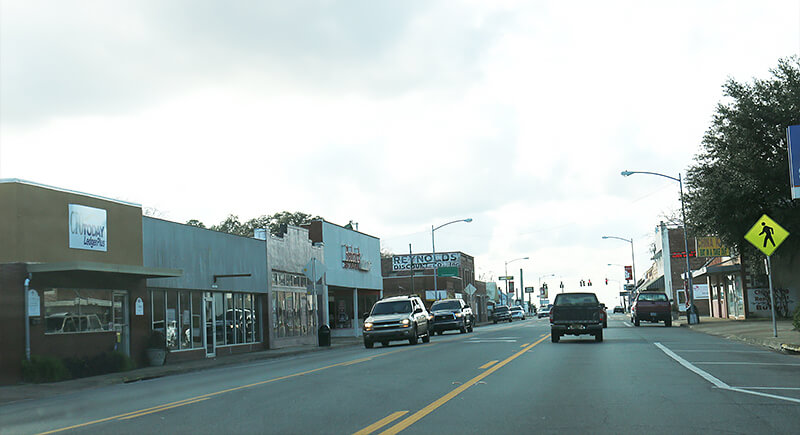
Chattahoochee, Florida
Credit: Wikimedia Commons
Most people don’t associate Florida with affordable housing anymore, but Chattahoochee goes against the grain. The town’s small scale helps keep expenses low, and it is ranked in Niche’s top three for 2025 affordability. It’s a strong choice for anyone priced out of major metro areas but still interested in staying in-state.