10 Ways to See Europe Without the Capital City Crowds
Europe’s capital cities pull in millions every year, and places like Venice and Barcelona are now dealing with protests over housing costs and packed streets. Summer visitor numbers have climbed so sharply that some hotspots are crowded year-round. The good news is that several regions across the continent still offer historic towns, beaches, vineyards, and mountain views without the shoulder-to-shoulder shuffle. These destinations are close to the icons, but the pace feels calmer, and the streets are more livable.
Graz & Styria, Austria
Credit: Wikimedia Commons
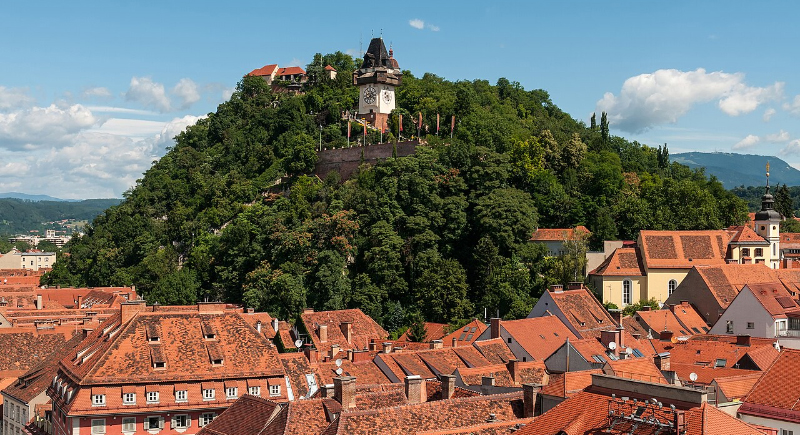
Austria’s second-largest city has a UNESCO-listed Old Town filled with narrow streets and small squares, easy to explore on foot. Schlossberg Hill rises above the center, and a funicular takes visitors up to the famous clock tower. Styrian vineyards begin just outside the city, and this wine region has been gaining attention.
Asolo, Italy
Credit: iStockphoto
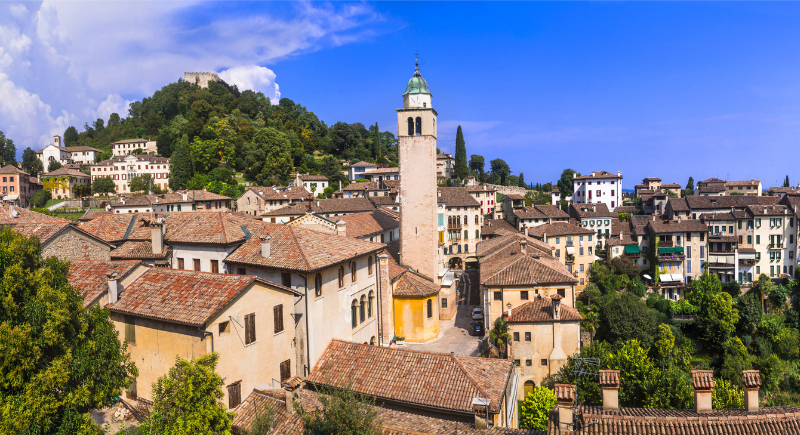
About 70 km southwest of Venice in the Province of Treviso, this small town is located in the heart of the Asolo Prosecco DOCG area. The town is surrounded by vineyards, and the foothills of the Dolomites frame the horizon. Stone walls still encircle the historic center, and the ruins of La Rocca fortress are directly above it.
Bilbao & La Rioja, Spain
Credit: Canva
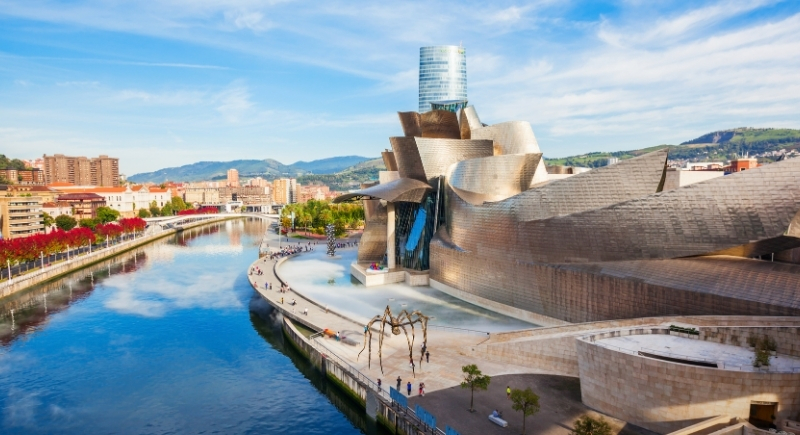
The Guggenheim Museum defines Bilbao’s modern skyline, while the historic Old Town adds narrow streets and Plaza Nueva. Pintxos bars also line the area and reflect the Basque region’s strong food culture. About 30 minutes away, there’s La Rioja, one of Spain’s main wine regions, known for hilltop villages and distinctive winery architecture.
Pfalz, Germany
Credit: Canva
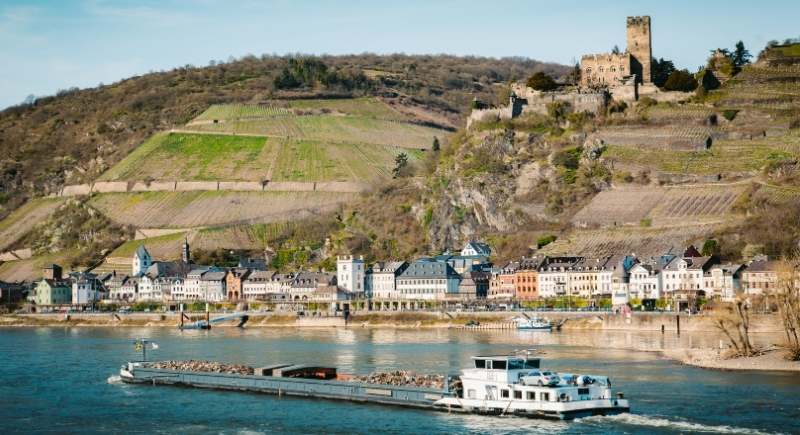
Western Germany’s Pfalz region combines hiking trails, vineyards, and half-timbered towns in one compact area. The climate is mild for much of the year, and almond blossoms appear in late March. Wine-tasting rooms and boutique hotels can be found in historic towns, and the terrain shifts from rocky hills to forested valleys. The setting is rural, even though it’s within easy reach of major German cities.
Valencia, Spain
Credit: Canva
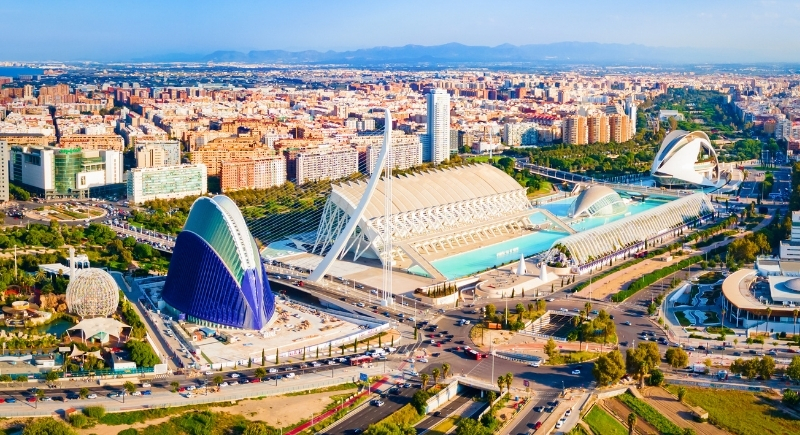
The contrast between old and modern architecture keeps Valencia visually interesting. It’s Spain’s third-largest city and draws far fewer visitors than Barcelona, Madrid, or Sevilla. You’ll find historic palaces near futuristic structures, and the city claims to be the birthplace of paella. Las Arenas Beach gives the city a coastal edge.
Alentejo, Portugal
Credit: Getty Images
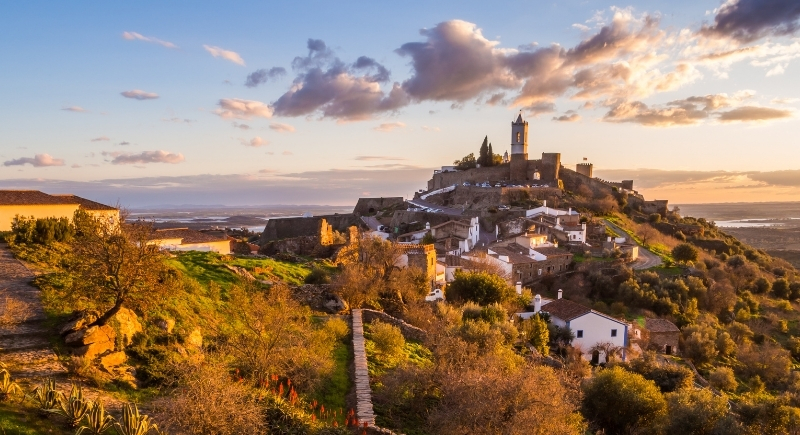
About one hour south of Lisbon, this rural region stretches toward the Algarve and remains largely overlooked by international travelers. Vineyards have added tasting rooms and small luxury stays set among the vines. Wheat fields, olive groves, cork oak forests, and medieval hilltop towns define the scenery. Large parts of the area are a nature reserve, and low light pollution allows stargazing on clear nights.
Bay of Kotor, Montenegro
Credit: Getty Images
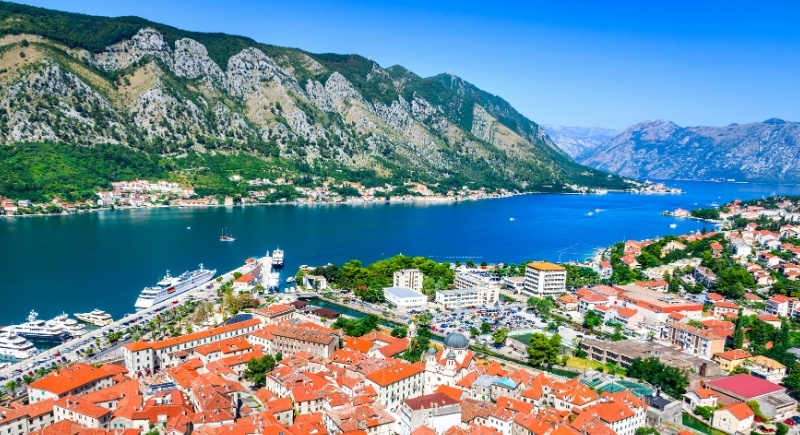
On Montenegro’s Adriatic coast, limestone cliffs are present above calm water, and historic towns line the shore. The bay is located far from the packed beaches of the French Riviera. Perast, too, is a short trip from Kotor and adds another historic stop. The coastline here is often described as one of the prettiest in Europe.
Naxos, Greece
Credit: Getty Images
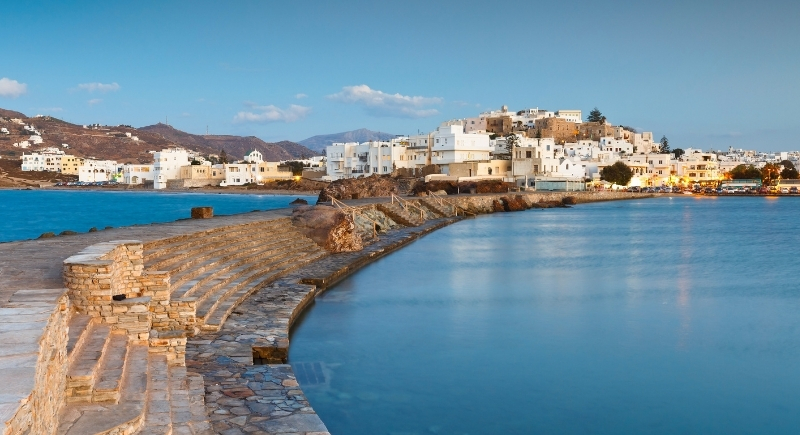
Santorini’s whitewashed houses attract heavy summer traffic, and long waits become common during peak season. Naxos, on the other hand, offers sandy beaches along its west coast and more peaceful fishing harbors on its east coast. Historical sites dot the interior, and ferry connections make island hopping simple. The slower pace allows time to actually enjoy those sunsets.
Taormina, Italy
Credit: Getty Images
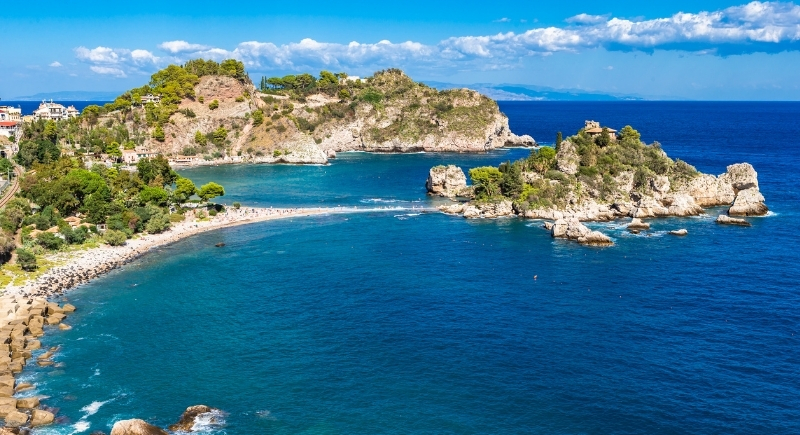
On Sicily’s east coast, Taormina looks out over the Mediterranean and holds an ancient Greek Theater above the sea. Isola Bella beach is close to town, and Mount Etna rises nearby for hiking. Medieval streets and Sicilian cuisine fill the center without the constant congestion of Positano.
Lake Bohinj, Slovenia
Credit: iStockphoto
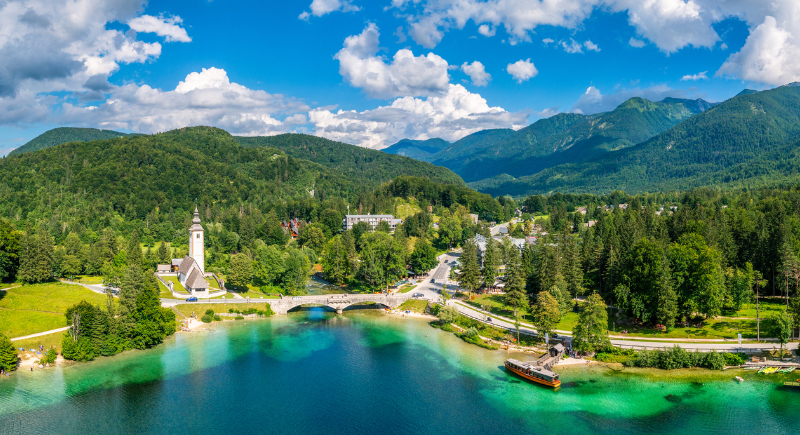
Lake Bled’s famous viewpoint attracts steady crowds, especially in summer. About 30 minutes away, Lake Bohinj is located within Triglav National Park and remains peaceful even during peak season. Clear water invites swimming and kayaking, and the Julian Alps form a dramatic backdrop. Hiking trails start near the shore.