Photos of Abandoned Places That Look Like They Belong in The Last of Us
Entire towns, factories, hospitals, and amusement parks have been left to decay across the world, some due to economic collapse, while others are suffering the aftereffects of natural disaster, war, or simply being forgotten.
Many of these abandoned places still stand today, covered in rust, overgrowth, or ice. They often look less like ruins and appear to be scenes from a survival TV show.
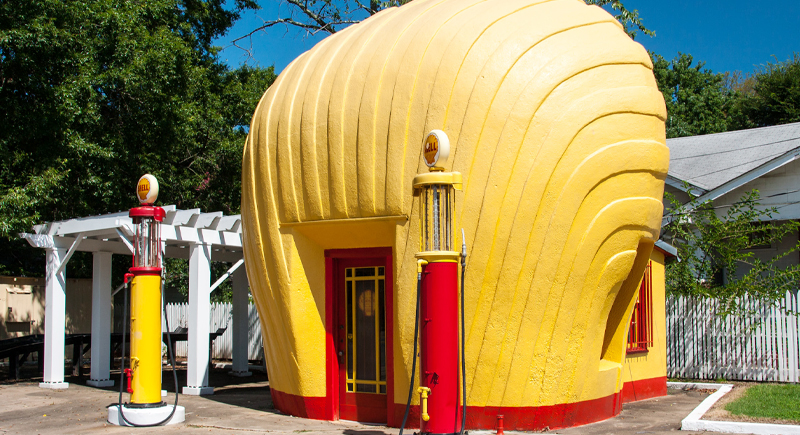
Shell-Shaped Gas Station, North Carolina
Credit: Wikimedia Commons
Built in the 1930s by the Quality Oil Company, this Shell station in Winston-Salem was one of eight shaped like a scallop shell to promote the Shell brand. The design followed a short-lived trend of novelty architecture meant to draw drivers off the road. It’s the only one left and serves as a roadside landmark.
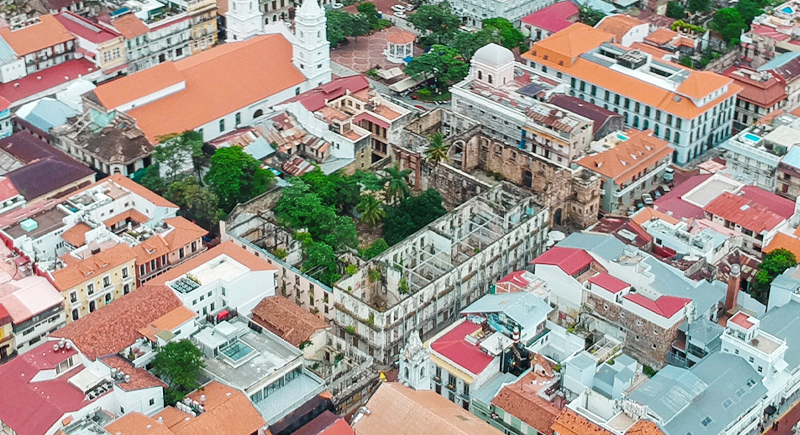
Colonial Building, Casco Viejo, Panama
Credit: Wikimedia Commons
Located in Panama City’s historic district, this colonial-era structure once stood as part of a bustling Spanish settlement. Time and neglect stripped it back to tiled floors, bare framing, and vegetation creeping in through every gap. Though part of a UNESCO World Heritage site, many buildings here are unrestored and partially exposed to the elements.
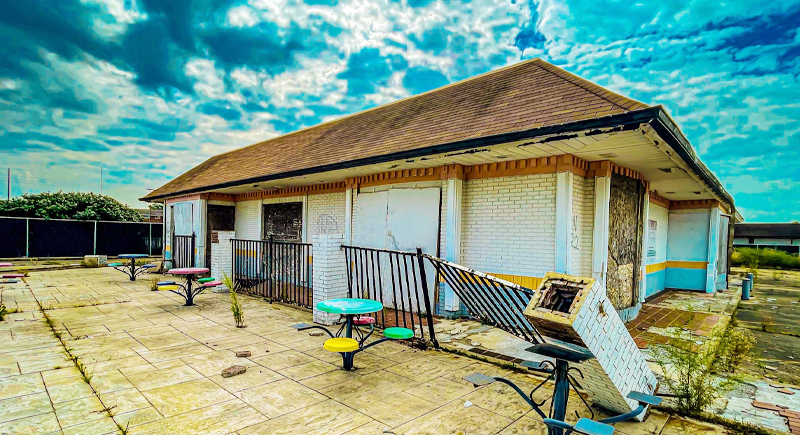
Closed McDonald’s, Piqua, Ohio
Credit: Facebook
This former McDonald’s in Piqua shut down in the mid-2000s after a newer branch opened nearby. The building remains intact, with outdoor seating still painted in bright primary colors. Though unused, the space hasn’t been repurposed or demolished, and has left behind a fenced-in snapshot of fast food architecture from a not-too-distant past.
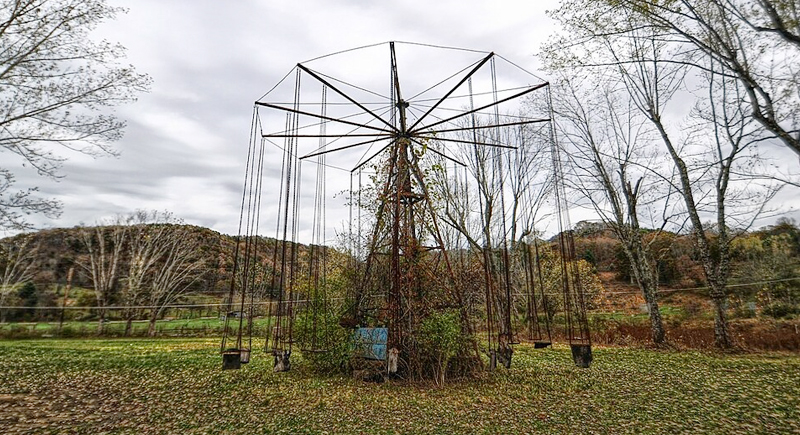
Lake Shawnee Amusement Park, West Virginia
Credit: Wikimedia Commons
Paranormal investigators and local historians visit this forgotten park near Princeton, West Virginia, drawn by reports of tragic accidents and rumors of a Native American burial ground beneath the site. It opened in the 1920s and closed permanently in 1966. Its rusted rides stay in place, slowly overtaken by vines and trees as the land reclaims them.
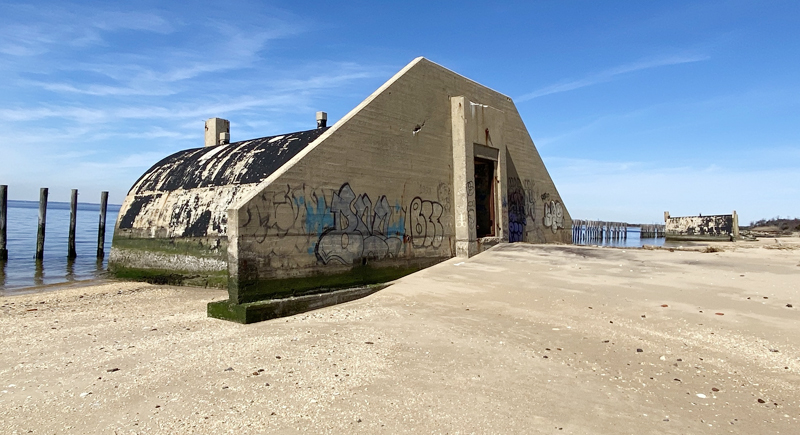
Voodoo Bunker, Sandy Hook, New Jersey
Credit: Facebook
Once serving as a dynamite storage site for Fort Hancock’s coastal defenses, the Voodoo Bunker now stands exposed on a remote Sandy Hook beach. Time and erosion uncovered what was once buried beneath sand. Inside, anonymous murals cover the walls and feature hybrid creatures and abstract figures that continue to puzzle visitors and spark speculation about their origin.
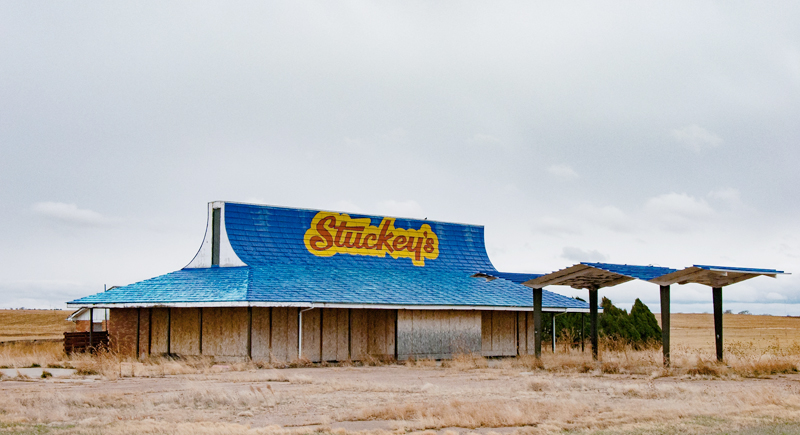
Stuckey’s, American Midwest
Credit: Wikimedia Commons
This used to be a familiar stop for families driving cross-country. Stuckey’s had snacks, fuel, and souvenirs in its signature blue-roofed buildings. This location still bears the faded signage, though its boarded windows and overgrown lot mark the end of its roadside service.
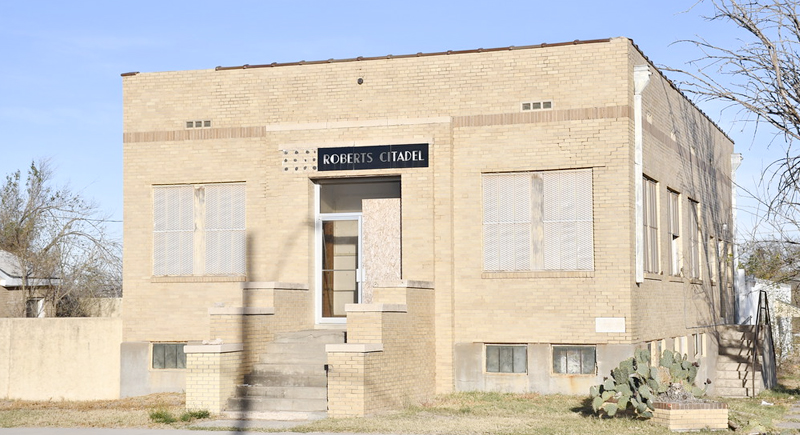
Roberts Citadel Building, Texas
Credit: flickr
Contractors finished construction on this brick structure in 1941 and named it in honor of Dora Nunn Roberts, a prominent local benefactor. Located in Big Spring, Texas, the building likely served as a religious or civic space. While its exact past is unclear, its sealed windows and boarded door show it hasn’t welcomed visitors in years.
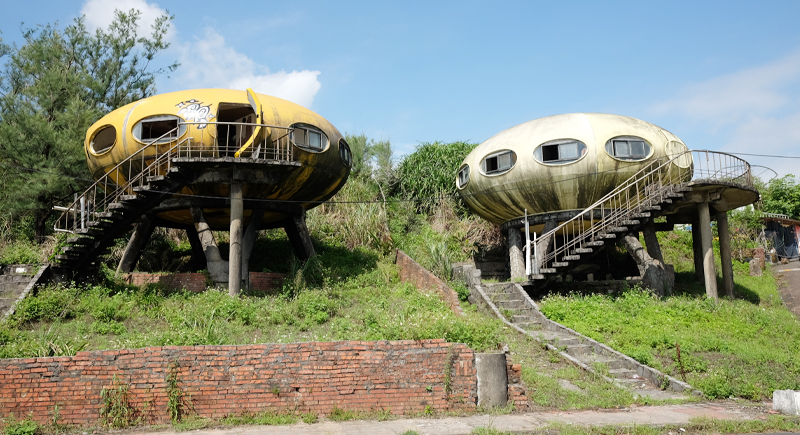
Futuro Houses, Wanli, Taiwan
Credit: Wikimedia Commons
After officials demolished the larger Sanzhi UFO housing project in 2010, only a few Futuro-style pods like these in Wanli stood. Constructed in the 1970s, they were part of a failed resort plan aimed at U.S. military personnel. Their spaceship-like design still draws attention, even as the structures remain weathered and empty.
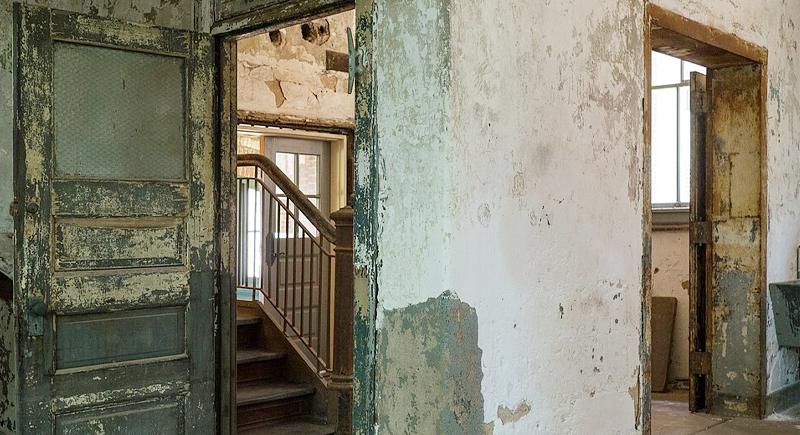
Ellis Island Hospital Ward, New York
Credit: Wikimedia Commons
Rotting floorboards, crumbling plaster, and rusted fixtures fill this former hospital ward on Ellis Island. Once part of the island’s immigrant medical screening center, the room allowed nurses to monitor patients from behind a wall window. Its current state reflects decades of abandonment since the facility closed in 1954.
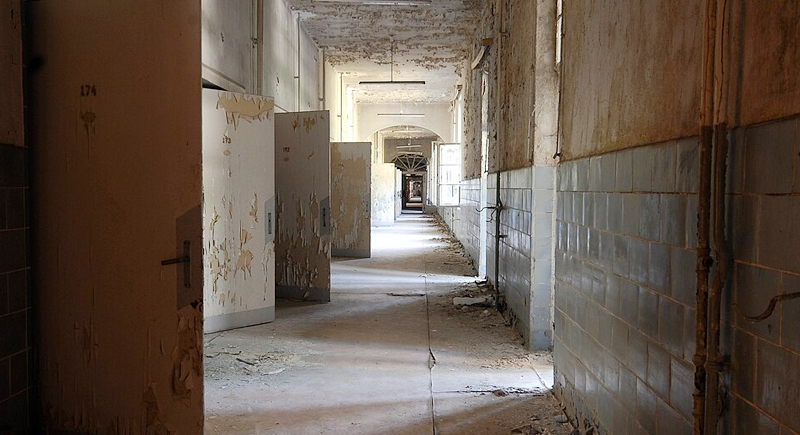
Beelitz-Heilstätten Sanatorium, Germany
Credit: Wikimedia Commons
If you visit today, you’ll see cracked staircases, broken windows, and peeling walls still visible in parts of the Beelitz-Heilstätten complex. Originally a tuberculosis sanatorium near Berlin, it later served as the Soviet Union’s largest military hospital outside its borders. It’s currently partially restored and allows guided access to its preserved, graffiti-covered ruins.