The End of an Era: Why Las Vegas Is Struggling to Attract Gen Z
Las Vegas built its reputation on gambling, nightclubs, and round-the-clock entertainment. For decades, that combination kept people coming back, but younger travelers have different habits. They spend more time online, drink less, and care more about value.
As their travel preferences shift, Vegas is losing relevance. The decline consists of a series of small signals pointing to the same conclusion: the next generation is looking elsewhere.
Rising Prices

Credit: pixelshot
High resort fees, steep food prices, and expensive drinks create a strong deterrent for Gen Z travelers. Many social media reviews discuss feeling trapped by surprise charges after arrival. That reaction reflects a generation trained to question value and transparency. Millennials used to tolerate these costs for access to nightlife and social status. However, recent generations tend to measure worth against broader travel options.
Nightlife Culture
Credit: Wikimedia Commons
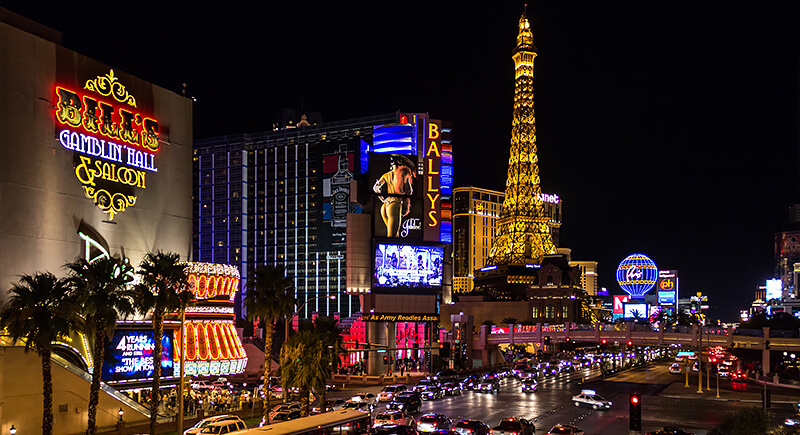
Vegas nightlife once drove tourism through clubs and bottle service. That model now struggles to attract customers as it did before. People now talk about long lines, high cover charges, and recycled music selections. On this note, some locations have begun experimenting with smaller shows and different formats.
Digital Gambling

Credit: Getty Images
Digital betting platforms have now replaced casinos. A large number of people now place bets through apps rather than traveling to a physical location. That removes one historic reason to visit, as younger adults rely almost entirely on digital platforms.
Lower Alcohol Use
Credit: pexels
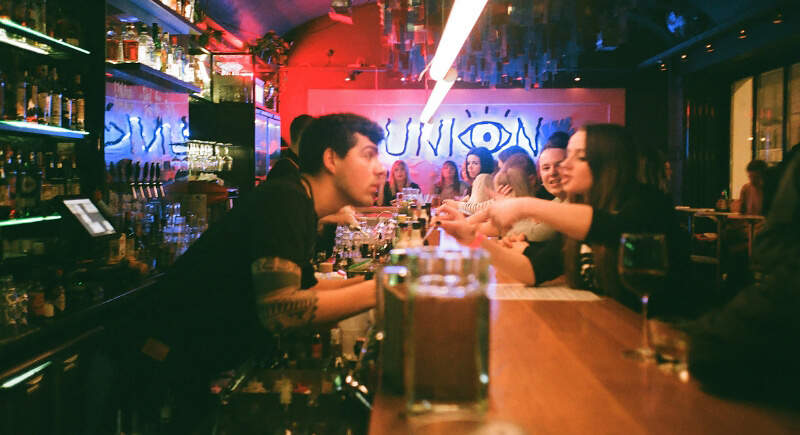
Trends show that younger tourists drink less than previous generations, with a growing number even reporting full abstention. On the other hand, millennials reduced drinking over time, though many still associate Vegas with social drinking.
Brand Image Seems Artificial to New Audiences
Credit: Canva
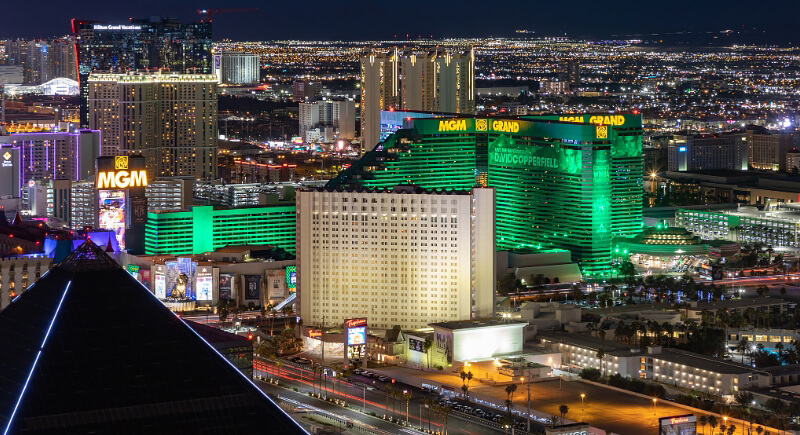
A large number of Gen Z tourists describe Las Vegas as staged and transactional. Online comments compare clubs to costly waiting rooms with little personal meaning. That perception reflects a preference for authentic settings. Marketing campaigns still rely on luxury imagery, and those messages do not align well with current values around sincerity and meaningful time use.
Nature Travel Gains Cultural Weight

Credit: Tripadvisor
Travel patterns show growing interest in outdoor destinations. Blogs document road trips through Sedona and Zion that bypass Las Vegas entirely. This points to a focus on open space and physical activity. Millennials also enjoy outdoor trips, though many mix them with city nightlife.
Higher Exit Rates
Credit: pexels
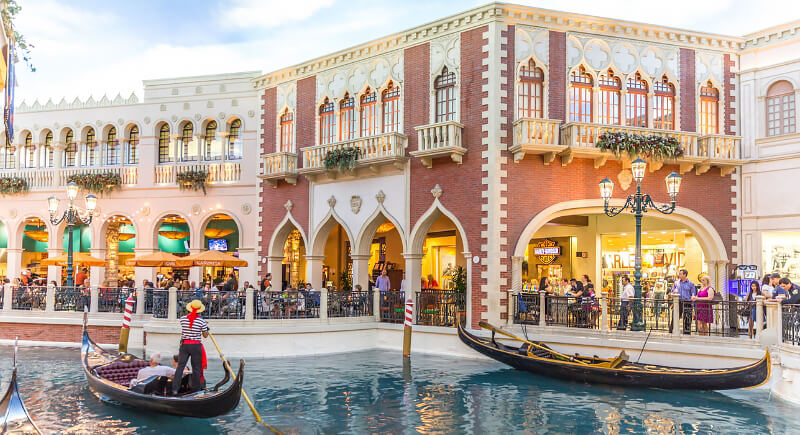
Recent local surveys show that many Gen Z residents in Las Vegas are thinking about leaving. Most point to rising costs and a feeling that the city does not offer the kind of long-term lifestyle they want. That shift matters. When younger locals start questioning careers tied mainly to tourism and gaming, it signals a bigger change. City leaders have noticed and are increasingly talking about diversifying the economy with more tech jobs, new industries, and large-scale events.
Outdated “Old Vegas” Vibe
Credit: Getty Images
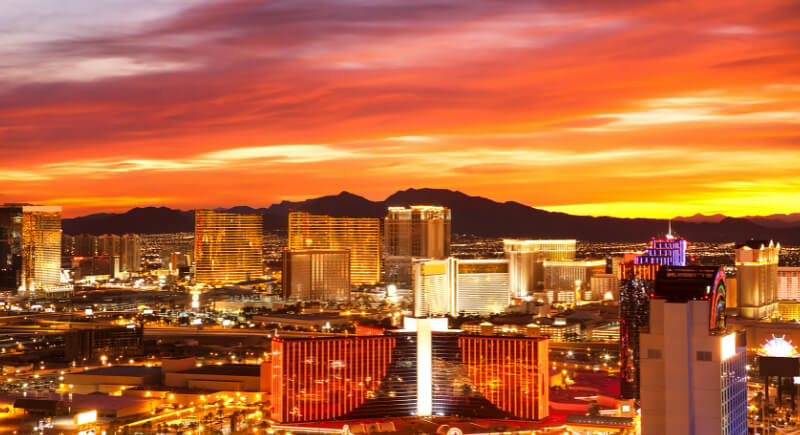
Millennials grew up with Las Vegas as a symbol of peak nightlife with celebrity DJs, loud casinos, and themed resorts. That version of Vegas appeared modern at the time and matched their appetite for spectacle. Gen Z doesn’t respond the same way, and they tend to define the city’s branding as dated or out of touch. Showgirls, slot machines, and luxury branding are simply leftovers from a different era.
Environmental and Extreme Climate Concerns
Credit: Getty Images
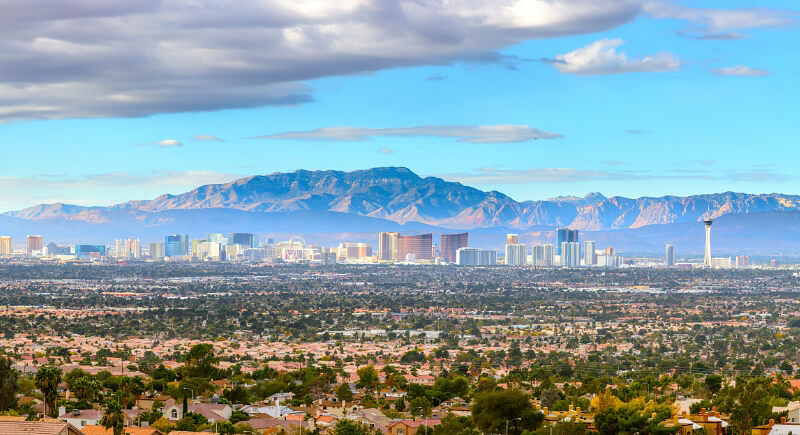
Youngsters increasingly consider sustainability when choosing where to go. Several pay attention to environmental impact, energy use, and how destinations manage natural resources. Las Vegas, built in a desert and powered by high-consumption infrastructure, raises concerns for this group. The extreme heat, artificial landscapes, and massive energy demand don’t align with their standards.