Khiva is the Silk Road Ark Stepping into the Spotlight in 2026
Khiva has been inhabited for more than 2,500 years. At the start of the 20th century, it had over 170 mosques and madrassas, and it later became the first UNESCO World Heritage Site in Central Asia. On paper, it has always had everything that draws global attention.
For a long time, getting there took effort, which kept it off most travel plans. That’s starting to change. Access is improving, and more people are beginning to take notice, putting Khiva in a very different position than it held even a few years ago.
Why Khiva Stayed Off The Radar For So Long
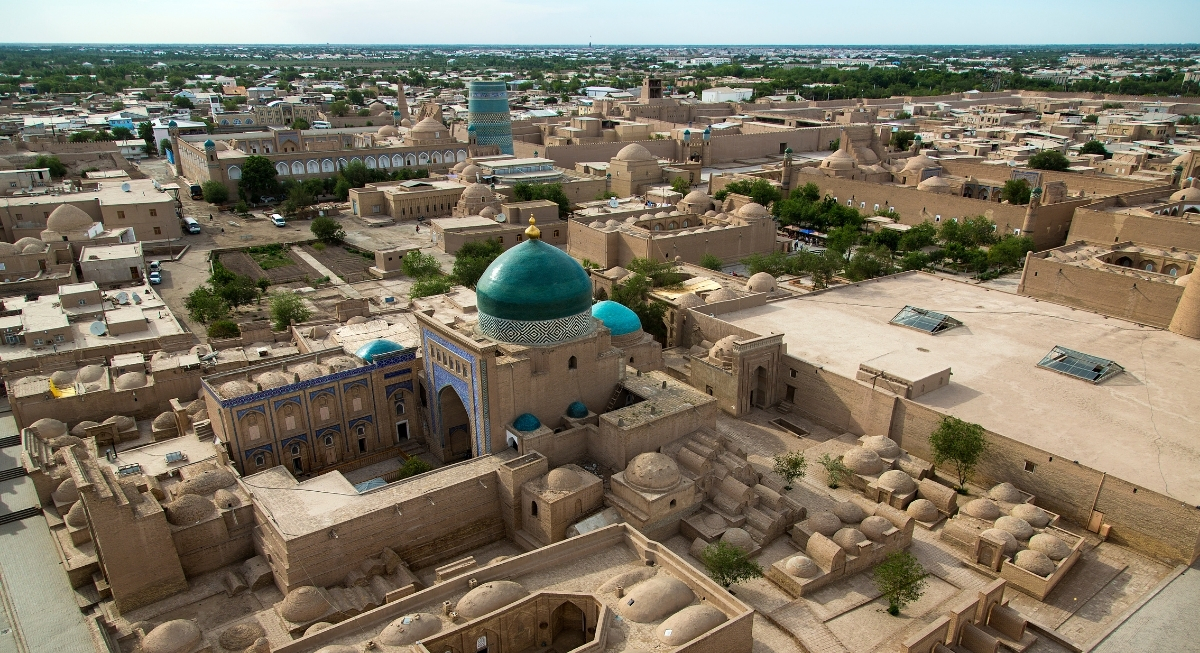
Image via Getty Images/tenten61
Khiva is in western Uzbekistan, about 280 miles from Bukhara, which made travel along the old Silk Road route slow and complicated. For years, reaching the city from Tashkent could take up to 15 hours, a serious barrier even for experienced travelers.
That isolation preserved something rare. The Itchan Kala, Khiva’s 26-hectare walled inner city, remained intact in a way few historic places can claim. Archaeologists confirm the city has been inhabited for over two millennia, and its layout, often compared to an ark in local legend, still holds a dense collection of monuments within its walls.
The Access Problem Is Finally Solved
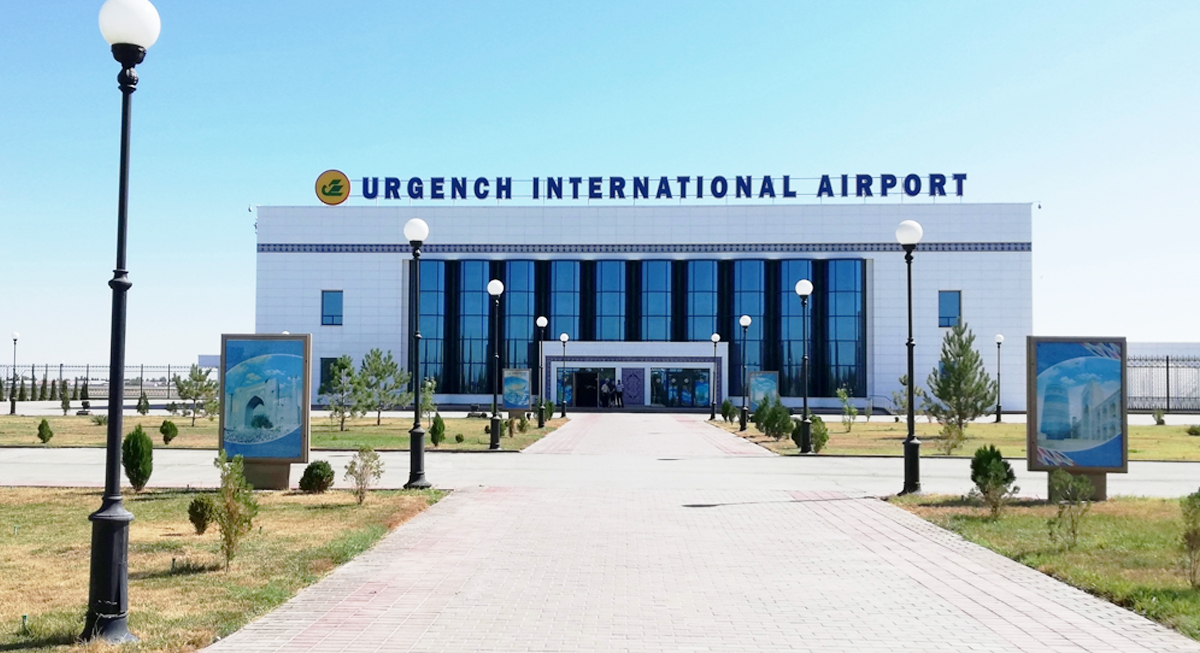
Image via Wikimedia Commons/Yussar
A new high-speed rail connection launching in 2026 will link Khiva directly to Bukhara and Samarkand, cutting travel time from Tashkent to about seven hours and 40 minutes. This single upgrade changes how the entire region fits together.
At the same time, Urgench International Airport, located 23 miles from Khiva, is expanding its capacity to handle up to 3 million passengers annually. Flights already connect through major hubs such as Istanbul, Paris, Madrid, and Rome, as well as daily domestic routes to Tashkent.
Uzbekistan has steadily grown into one of Central Asia’s most talked-about destinations, with travelers mapping routes that connect Tashkent, Samarkand, Bukhara, and Khiva in a single trip. What used to feel remote now fits into a one-week itinerary.
What Makes Khiva Different
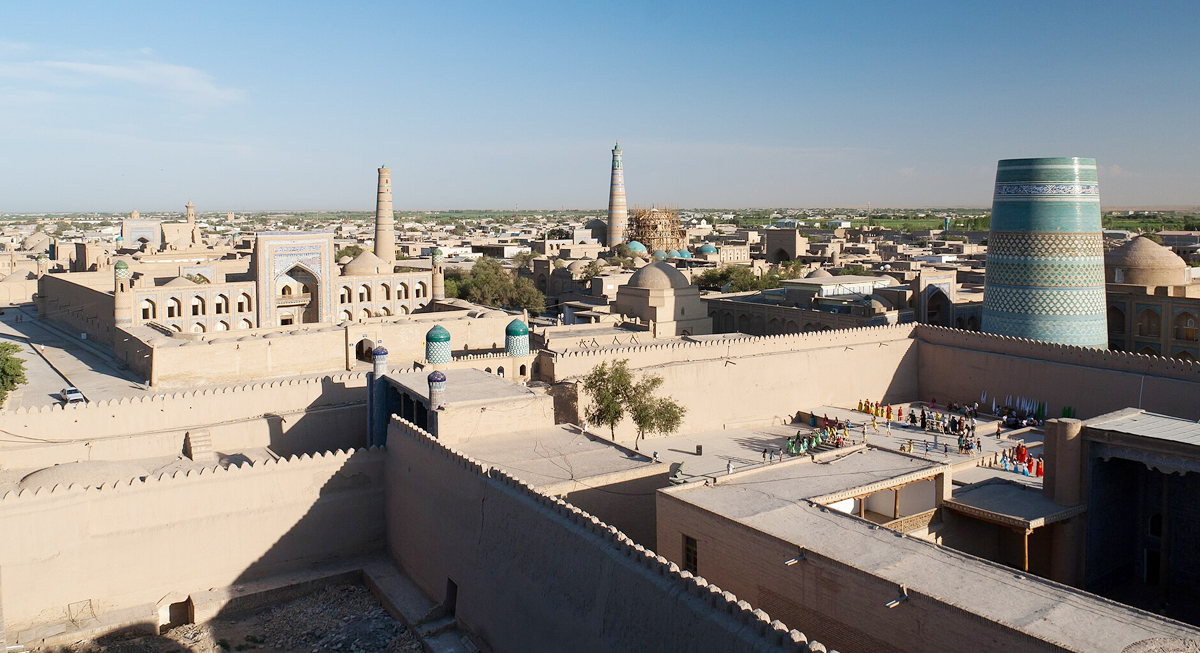
Image via Wikimedia Commons/Hylgeriak / Wikipedia
Inside the Itchan Kala, everything is close together and easy to cover on foot. Most of the area is pedestrianized, so you move through it without traffic or long distances. That gives Khiva a more contained feel than larger Silk Road cities.
The Islam Khoja Minaret rises about 187 feet, and the climb up 175 steps opens up views across the entire walled city. The Juma Mosque offers a very different setting, built around 213 carved wooden pillars. Some date back to the 10th century, and each one carries a distinct pattern, so the structure reflects different periods at once.
The Pahlavan Mahmud Mausoleum stands out for its detailed tilework in blue and green, built in honor of a 13th-century wrestler and poet who became Khiva’s patron saint. Outside the walls, the Nurullaboy Palace shows a different influence, combining local design with elements from Imperial Russia, including chandeliers gifted by Nicholas II.
A City Preparing For Its Moment
Khiva is expanding its offerings without changing its core identity. The Arda Khiva Complex adds a newer layer, with a 1.2-mile canal, gondola rides, a 3,000-seat amphitheater, and an aqua park. The design follows the look of the old city, but it’s built for larger crowds.
Rail travel is bringing in more visitors. Routes from Golden Eagle Luxury Trains and The Samarkand Express now include Khiva in their 2026 itineraries, making the city easier to reach as part of longer journeys. On the hotel side, plans include a five-star property under the Mercure brand, alongside smaller boutique hotels and restored madrassas adapted into guest accommodations.