JetBlue Is the Only U.S. Airline To Crack the Global “World’s Best” List for 2026
JetBlue Airways has done something most U.S. airlines rarely manage. It made it onto a global “World’s Best” list for 2026, a space usually filled by international carriers known for long-haul routes and premium service. That alone has people paying attention.
What stands out is how it got there. JetBlue does not rely on massive international networks or widebody fleets like its global competitors. Instead, it focused on passenger experience in areas it can control, and that approach was enough to push it into a ranking where U.S. airlines usually struggle to appear.
The Airline on the Global List
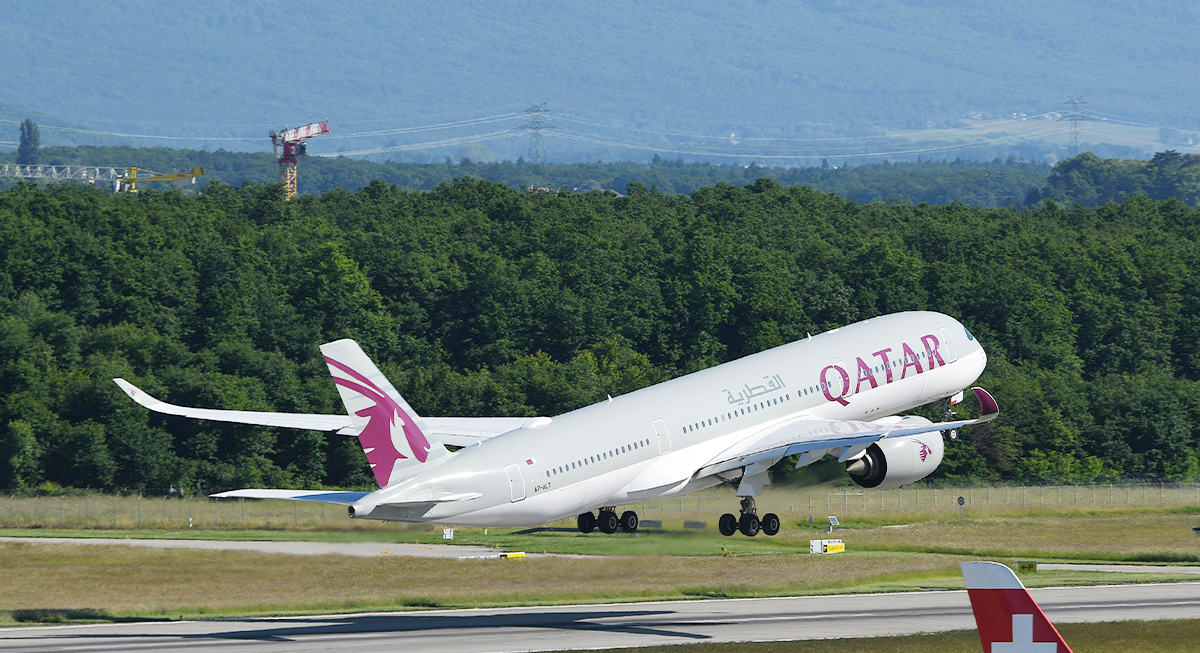
Image via Pexels/Planespotter Geneva
The breakthrough came in the 2026 World’s Best Airline Awards by AirlineRatings.com, where JetBlue landed at No. 17 on the full-service global list. It stood alone as the only United States airline among 25 carriers, a group otherwise led by Qatar Airways, Cathay Pacific, and Singapore Airlines.
American Airlines often competes strongly on domestic routes, but global lists tend to favor carriers known for long-haul luxury and large international networks. JetBlue earned its place with a single-aisle fleet, which makes the achievement harder to ignore.
What JetBlue Gets Right in the Air
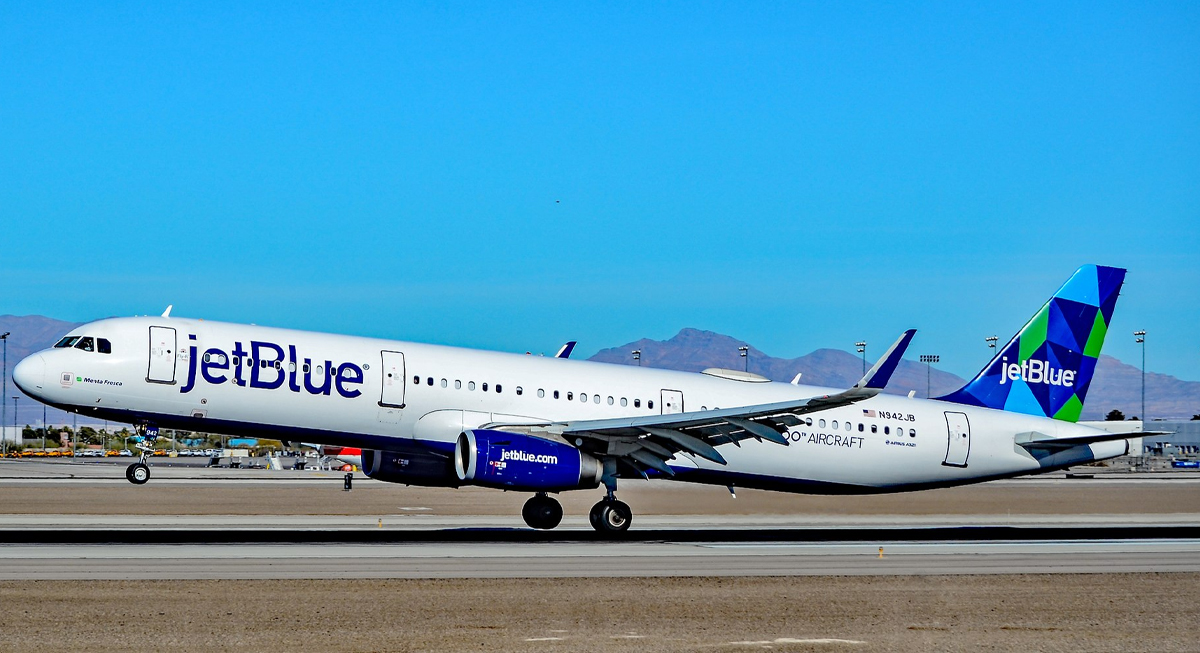
Image via Wikimedia Commons/Tomás Del Coro
JetBlue’s edge shows up in the details that passengers feel immediately. Economy seating offers 32 to 34 inches of pitch, which gives travelers more legroom than many competitors in the same category. Seats include adjustable headrests designed to support sleep, a small feature that becomes noticeable on longer flights.
Wi-Fi is available gate-to-gate without requiring a loyalty signup. It sounds simple, but consistency like this builds trust with frequent flyers.
The real standout is at the front of the plane. JetBlue’s Mint business class includes lie-flat seats that extend to about 6 feet 5 inches, direct aisle access, and upgraded bedding such as a Tuft & Needle foam mattress and memory foam pillow. Each seat also features a 17-inch screen. For travelers willing to spend more, Mint Studio takes it further with oversized front-row suites that function almost like private cabins.
AirlineRatings.com evaluates airlines using both traveler feedback and expert analysis, with a focus on safety, reliability, and onboard product. JetBlue’s inclusion signals that its approach is working across those categories.
The American Competition Looks Different
Other United States airlines performed better in different categories. Delta Air Lines ranked No. 4 globally in the hybrid category, which includes airlines that blend low-cost and full-service models depending on route length. Its Comfort Plus seating offers 34 to 36 inches of pitch, a noticeable step up from standard economy.
Breeze Airways led the United States low-cost category, placing No. 7 globally. The airline focuses on point-to-point routes between smaller cities and keeps its structure simple with fare tiers labeled Nice, Nicer, and Nicest. It also offers free streaming entertainment on most flights.
Loyalty Still Tells a Different Story
Image via Getty Images/AndreyPopov
Loyalty programs tell a slightly different story. A March 26, 2026 analysis by WalletHub ranked Alaska Airlines’ Mileage Plan as the best frequent flyer program in the United States for the third year in a row. The study compared 10 major airlines across 21 factors, including point value, redemption flexibility, and blackout dates.
Alaska stands out for its flexibility. Travelers can earn miles based on distance, ticket price, or flight segments, which makes the program work across different travel styles.
Delta Air Lines, United Airlines, American Airlines, and JetBlue Airways also rank in the top five. The results highlight a clear gap: a strong in-flight experience does not always match the strength of a loyalty program.