Japan Has So Many Rules Now, and You Need to Know Them Before You Go
Japan doesn’t hand visitors a list of dos and don’ts, but there are certain expectations associated with tourists. Most are learned through routine rather than warnings, which is why some travelers might miss them. These 10 rules appear frequently in public spaces, shops, and homes, and knowing them ahead of time helps avoid small but noticeable missteps.
Silence Is the Default Setting
Credit: iStockphoto
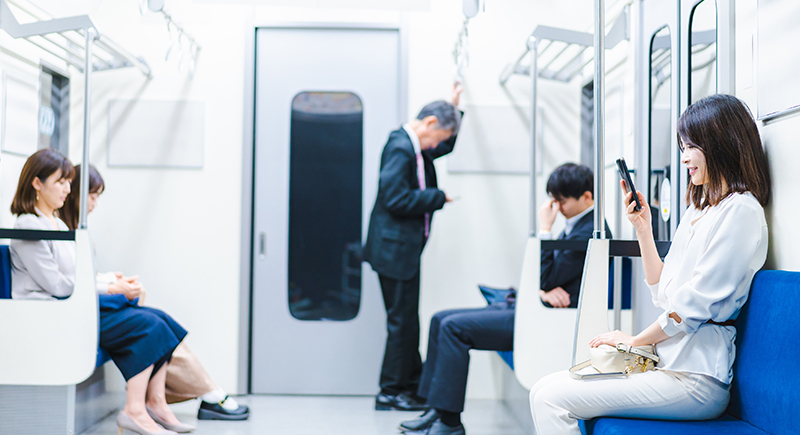
Public transit in Japan is designed for density, which makes sound noticeable fast. Trains carry thousands of people a day, yet phone calls are rare, and conversations stay low. When everyone keeps noise down, crowded spaces stay manageable instead of exhausting.
Cash Goes on the Tray
Credit: Getty Images
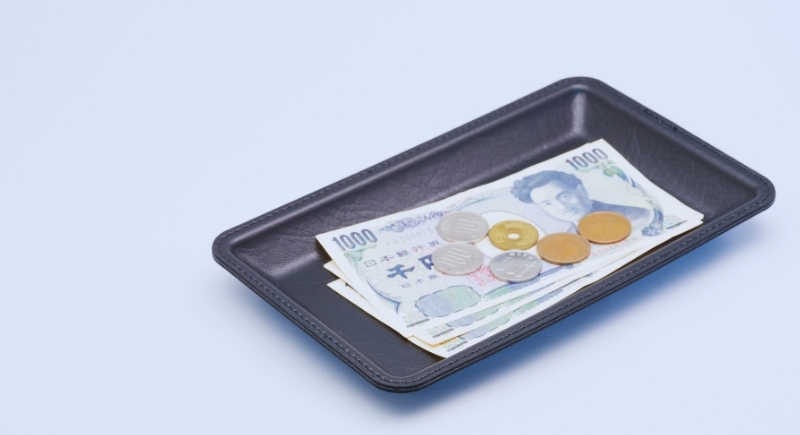
At many registers, you’ll notice a small tray placed between the customer and the cashier. Payment happens there, not hand-to-hand. The tray removes awkwardness and keeps exchanges neutral. Change often comes back neatly arranged.
Shoes Come Off More Than You Think
Credit: iStockphoto
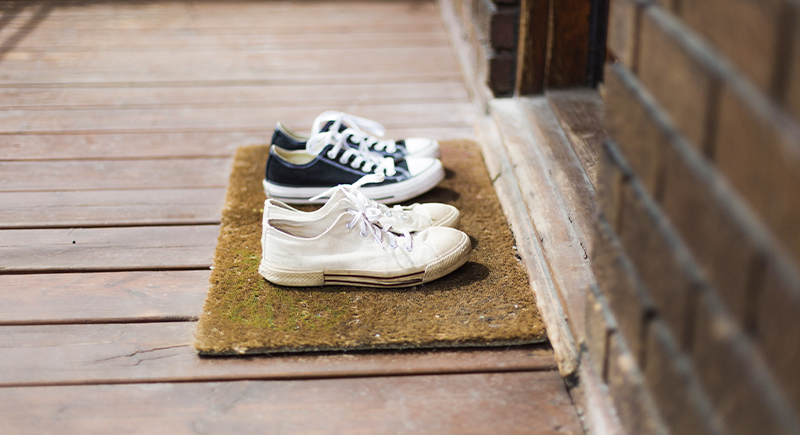
Indoor spaces in Japan come with a step up, a change in flooring, or a row of slippers. These mark the boundary between outside and inside. Removing shoes serves a practical purpose in everyday life. Floors are treated as shared living space, so keeping dirt outside helps maintain cleanliness in indoor settings.
Eating on the Move Raises Eyebrows

Credit: Canva
Food in Japan is meant to be enjoyed without rushing. Even when street snacks are available, people usually stop, eat, and then continue on their way. Walking while eating feels careless. On trains, drinks are fine, but meals are not served until the destination, except on long-distance routes.
Chopsticks Carry Meaning
Credit: Canva
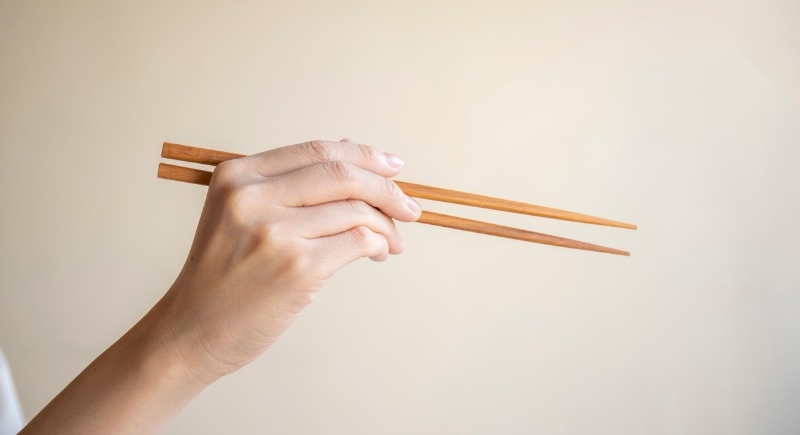
Chopstick behavior in Japan reflects long-standing dining habits that most people absorb without being taught. Actions like leaving chopsticks standing in a bowl of rice or passing food directly between them can be reminiscent of funeral practices, which makes them uncomfortable at the table.
Tipping Creates Confusion

Credit: Canva
Service staff in Japan are paid to deliver attentive care without expecting anything extra. Leaving money behind can trigger concern rather than gratitude, and employees may chase customers to return it. Appreciation is usually shown through words, politeness, and repeat business. The amount on the bill is meant to be final.
Personal Space Is Real Space
Credit: Getty Images
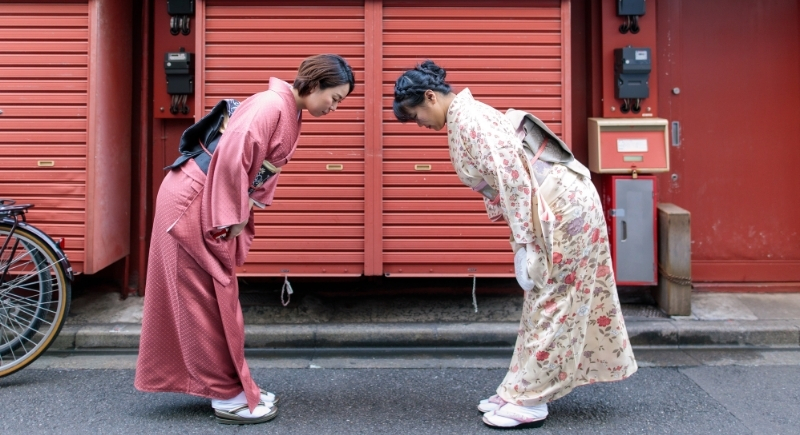
In Japanese cities where millions of people share trains, sidewalks, and stations every day, personal space is something people protect. Physical contact is minimal, even during rush hour. Even their greetings involve bows rather than handshakes.
Escalators Have Sides
Credit: iStockphoto
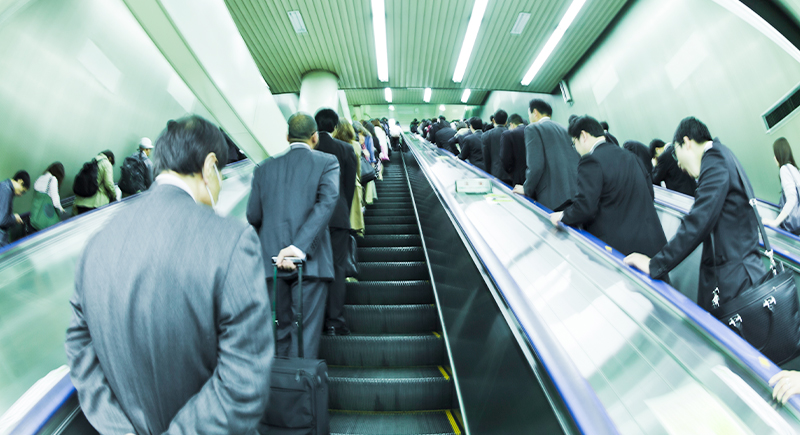
Escalators come with unwritten rules that locals follow without thinking. In Tokyo, people stand on the left and walk on the right, while in Osaka, they do the opposite. Other cities vary. Watching what others do solves the problem quickly. Standing in the wrong spot causes irritation, even if no one says a word.
Baths Are Not for Washing
Credit: iStockphoto
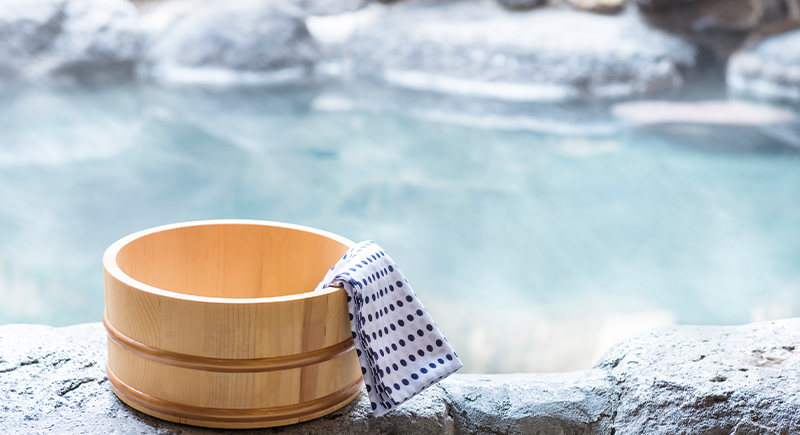
Before entering a public bath, everyone washes thoroughly at individual stations. Soap, water, and rinsing happen first. Only then does soaking begin. Towels stay out of the water, and conversation stays quiet. The routine keeps shared baths clean and makes long soaks comfortable for everyone.
Indirect Answers Mean Something
Credit: iStockphoto
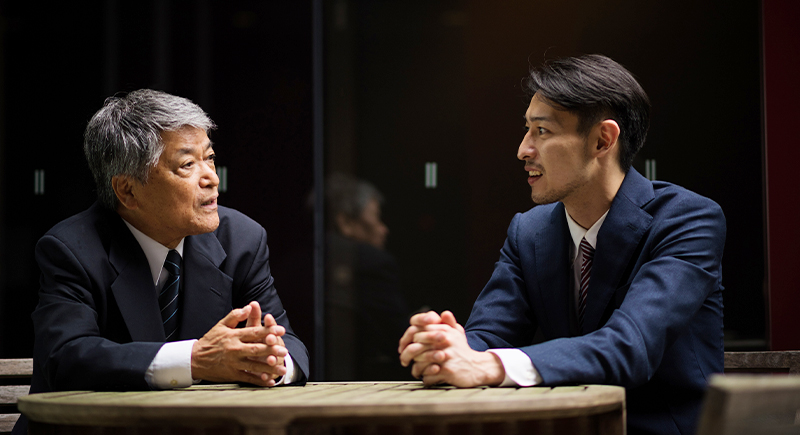
Requests and refusals are often handled gently in Japanese conversation. A phrase like “that might be difficult,” or a long pause usually signals hesitation or decline. Pressing for a clear yes or no can feel uncomfortable.