Japan Just Cancelled the Cherry Blossom Festival Due to Misbehaving Tourists
Fujiyoshida, a city near Mount Fuji, built its cherry blossom festival into a major seasonal attraction over roughly a decade. The event pulls about 200,000 visitors each year, with peak days hitting around 10,000 people daily during blossom season. The surge is linked closely to viral photo trends and a weaker yen that made travel to Japan cheaper for many international visitors.
Crowds created serious daily problems, and city officials reported tourists entering private homes looking for restrooms, leaving trash behind, and even relieving themselves in private yards. Residents also reported blocked driveways and constant foot traffic through residential areas. Parents raised safety worries after children got pushed aside on school routes because sidewalks were filled with visitors taking photos. Traffic congestion was also another problem as local roads struggled to handle the multitude of vehicles arriving at the same time.
The Festival Cancellation That Shocked Travelers
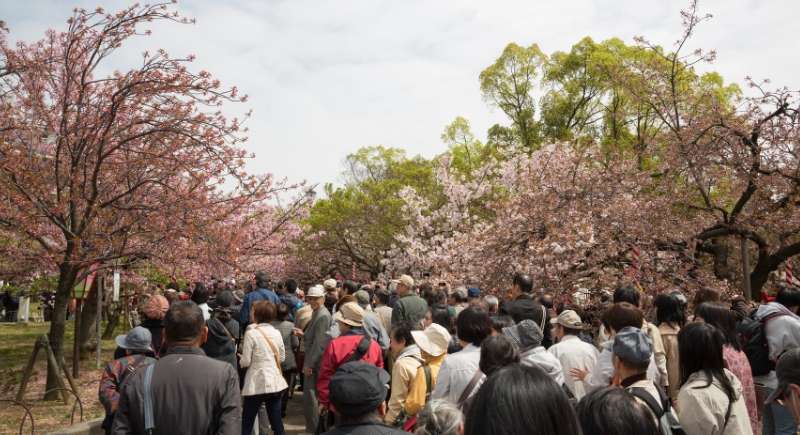
Image via Getty Images/Winhorse
Authorities cancelled the 2026 Arakurayama Sengen Park cherry blossom festival, citing a crisis-level strain on local life. The event had run for about 10 years and became famous for its view of cherry blossoms framing Mount Fuji alongside the Chureito Pagoda.
Officials made it clear that the issue centered on resident dignity and daily living conditions. Even after the cancellation, leaders expect large crowds during April and May. The park still offers one of the most shared views tied to Mount Fuji, and visitors already line up for hours during peak bloom. Reports suggest wait times at observation points can reach three hours.
To manage crowds, the city plans to increase security staff, add temporary parking areas, and install portable toilets. Officials also urge visitors to stay out of residential neighborhoods and avoid entering private property.
Overtourism Pressure Is Spreading Across Japan
Mount Fuji already faced crowd control challenges beyond the festival. Authorities introduced a ¥4,000 hiking fee during peak season and capped daily hikers on the popular Yoshida Trail at 4,000 people. These rules aim to protect the mountain environment and improve safety.
Nearby towns also tried bold steps. One town built a large black mesh barrier to block a famous Mount Fuji photo angle after tourists ignored traffic signals, crossed roads dangerously, and entered private land for selfies. The barrier later came down after visitor numbers dropped.
What’s Fueling Travel Surges?
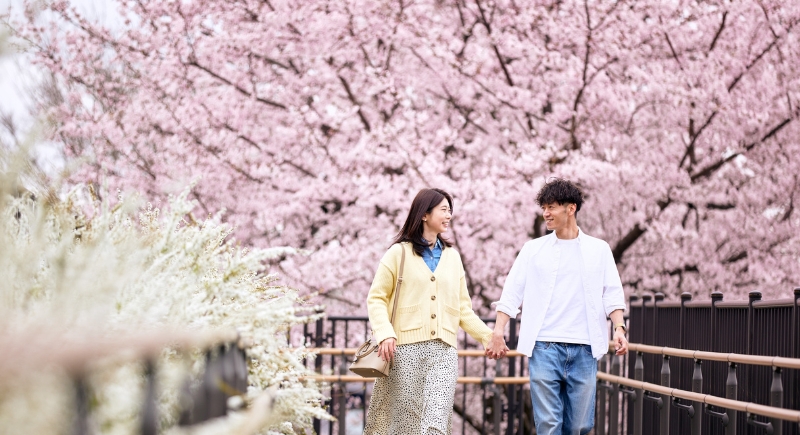
Image via Canva/Aflo Images
Cherry blossom season already ranks among Japan’s busiest travel periods. Parks, temples, and historic districts see heavy foot traffic every spring. When one location becomes especially popular online, visitor spikes can jump beyond what city planners expected even five years ago. Local governments now face a balancing act. Tourism drives economic activity, but daily life disruptions can push residents to demand stronger limits.