10 Soulful Ways to Find the Heart of Japan in the City of Angels
Most people think they know where to find Japan in Los Angeles. They head straight to Little Tokyo, grab a bowl of ramen, and call it a day. That barely scratches the surface. The real story stretches across the city and is shaped by history, craftsmanship, and memory.
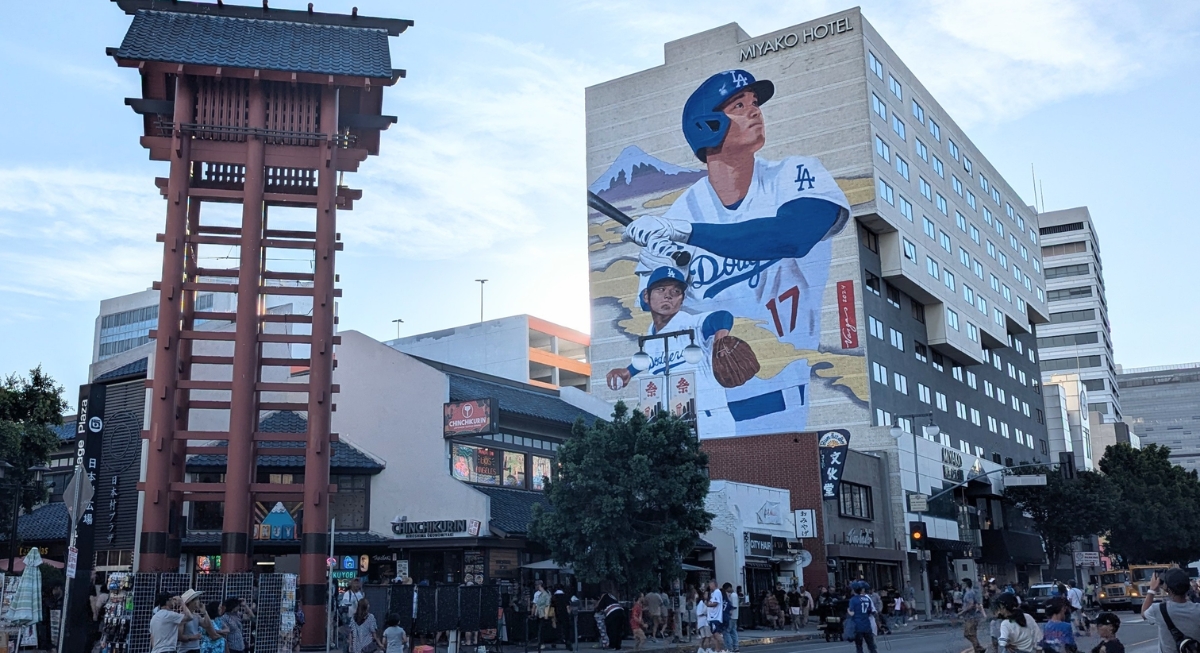
Walk The Streets That Carried A Community Through History
Credit: Wikimedia Commons
Little Tokyo dates back to the 1880s, when Japanese immigrants built a place to live, work, and stay connected to their culture. During World War II, that community was forced out under Executive Order 9066. The area today is the result of decades of rebuilding. Walking past century-old shops, temples, and plazas feels different when you know what the streets have seen.
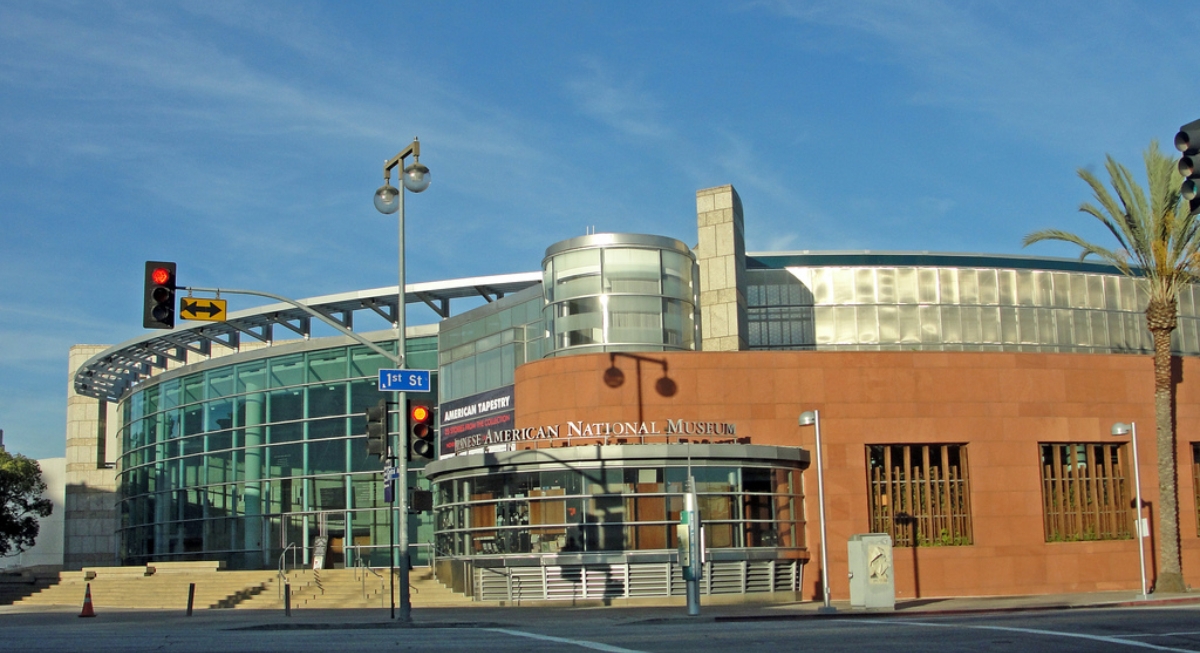
Step Inside A Museum That Tells The Full Story
Credit: Wikimedia Commons
The Japanese American National Museum brings context to everything around it. Opened in 1992 and housed partly in a former Buddhist temple, it documents the lives, displacement, and resilience of Japanese Americans. It makes every other experience in the city feel more grounded.
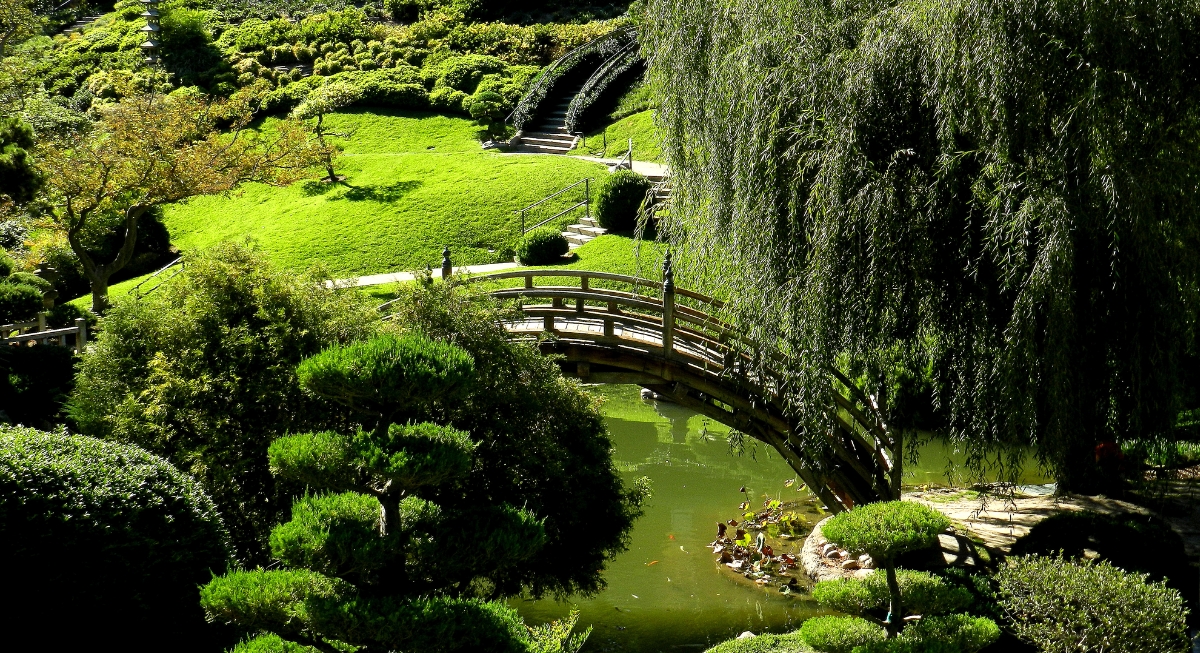
Spend Time In A Garden Built With Intention
Credit: Wikimedia Commons
Hidden in Pasadena, the Storrier Stearns Japanese Garden was completed in the 1930s by Kinzuchi Fujii, who never saw its final form after being sent to an internment camp in 1942. The garden centers around a koi pond, waterfall, and teahouse imported from Japan. It invites slow movement and attention, which is exactly the point.
Experience Hospitality The Traditional Way

Credit: Tripadvisor
A stay at Nobu Ryokan Malibu offers a fully immersive version of Japan. Rooms include soaking tubs, custom yukatas, and ikebana arrangements, all modeled after a traditional ryokan. Even the smallest details, from the layout to the welcome tea, prioritize calm and care.
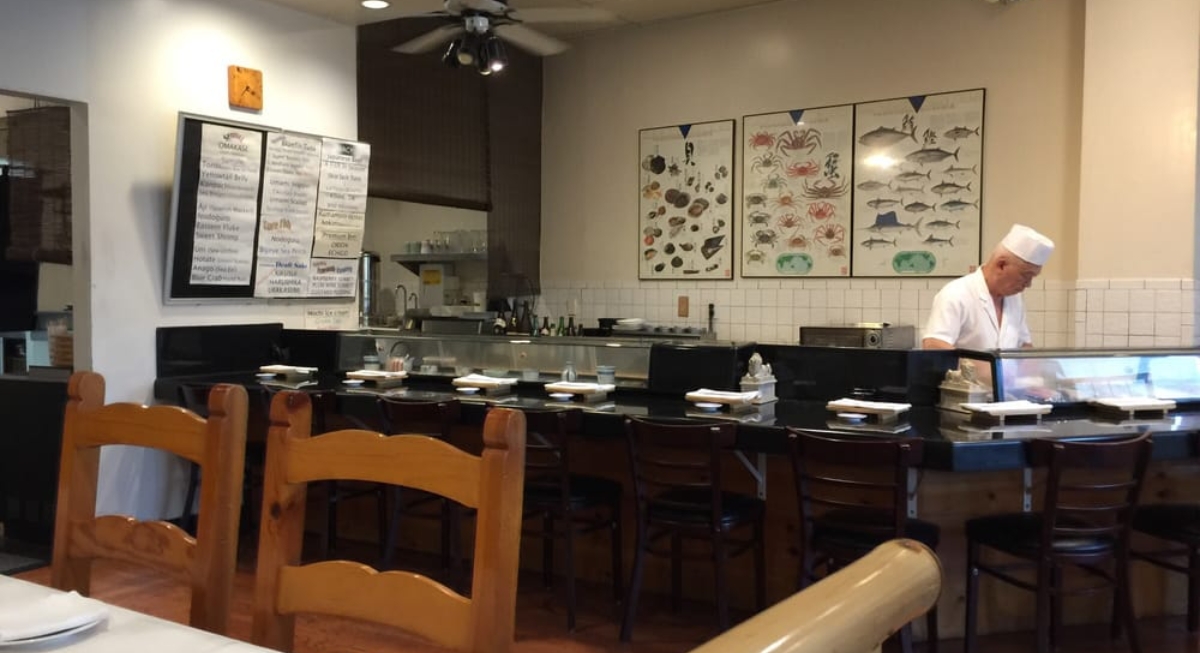
Let A Chef Decide What You Eat
Credit: Yelp
At Kazu Sushi in Studio City, the omakase experience removes choice from the equation. Chef Kazuharu Sogabe, with more than 30 years behind the counter, serves a sequence of precise cuts that may include nodoguro or monkfish liver. There are no rolls loaded with sauces here. Every bite reflects technique and restraint.
Browse Objects That Carry Centuries Of Craft
Credit: Yelp
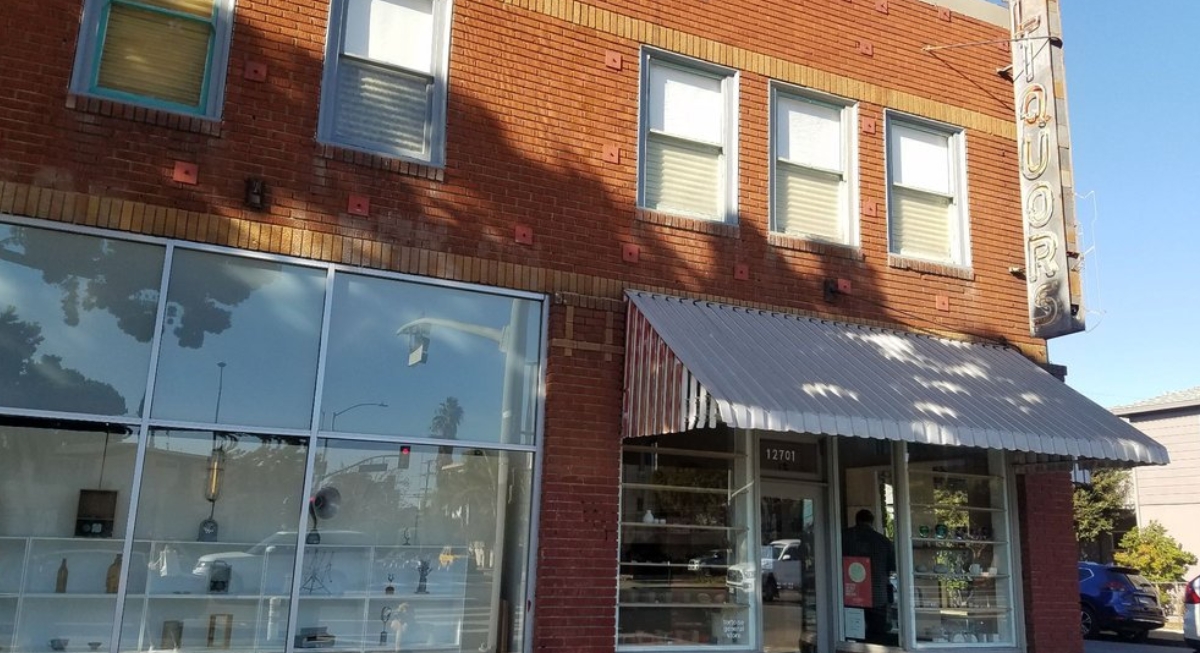
Tortoise General Store in Venice offers everyday items worth paying attention to. Founded by Taku and Keiko Shinomoto, the shop stocks goods sourced directly from Japan, including Hasami porcelain, a ceramic tradition dating back over 400 years.
Follow The Energy Of Modern Japantown
Credit: Wikimedia Commons
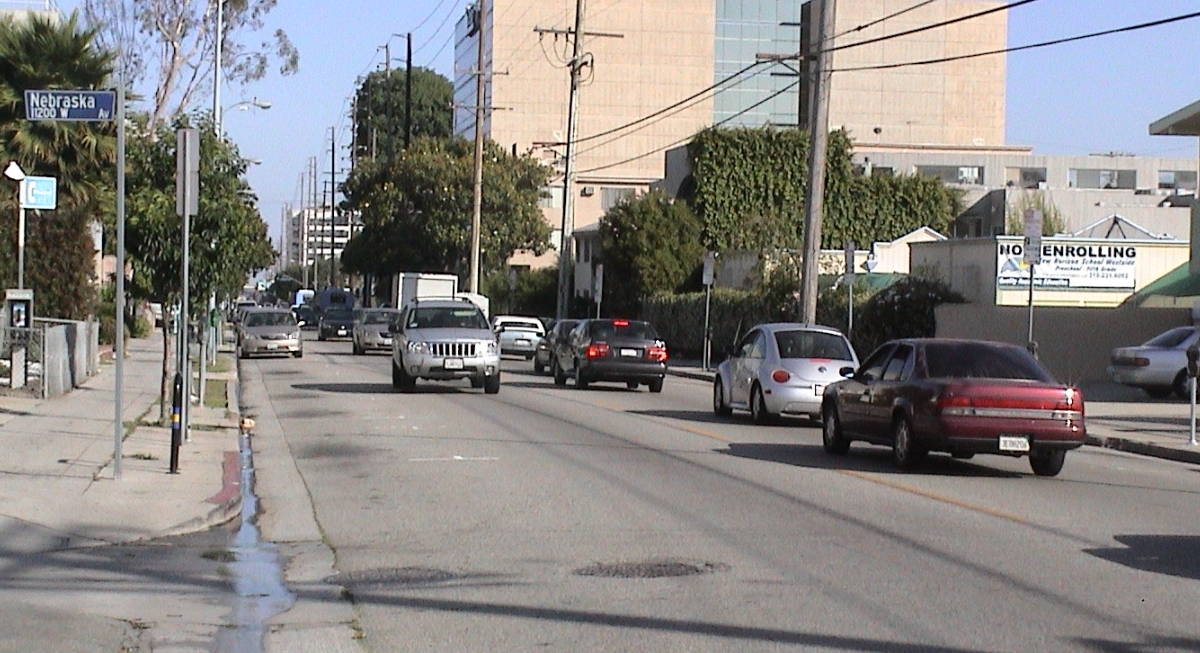
Sawtelle Boulevard, officially recognized as Sawtelle Japantown in 2015, shows how Japanese culture continues to evolve in L.A. It’s active and current, not preserved. The area has been a hub for Japanese-owned businesses since the early 1900s, but today it has ramen shops, dessert spots, and pop culture stores with a younger crowd.
Explore A Space Designed To Represent Japan Today
Credit: Tripadvisor
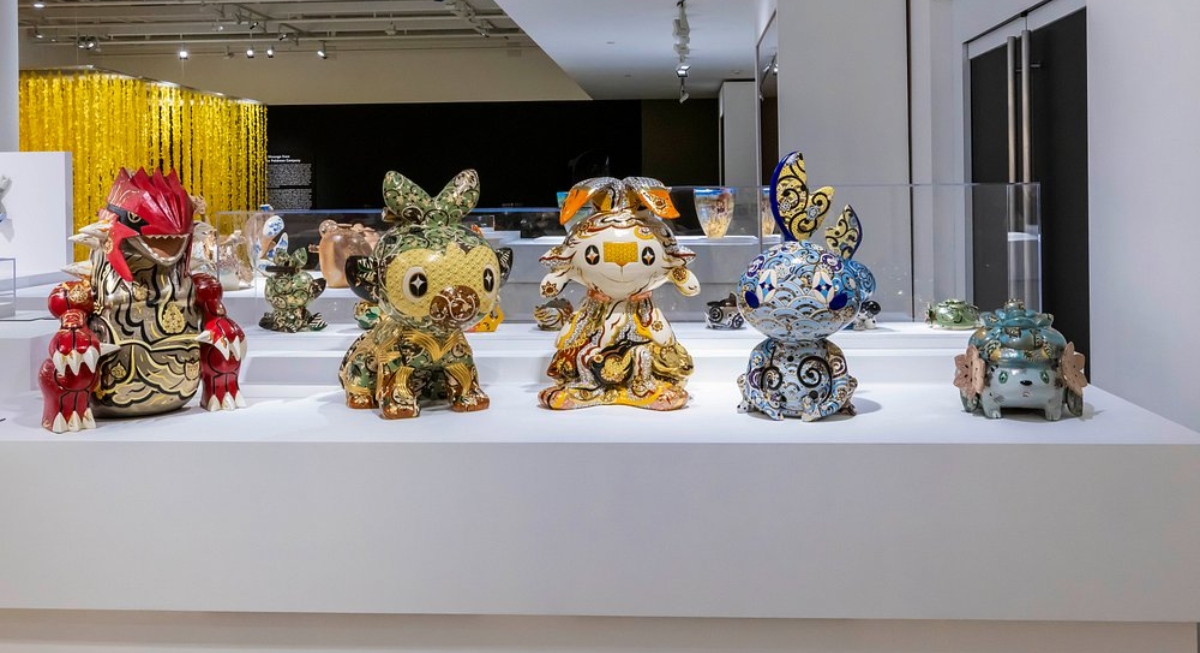
JAPAN HOUSE Los Angeles approaches culture differently. Opened in 2018 as part of an initiative by Japan’s Ministry of Foreign Affairs, it brings together exhibitions, a curated library, and ongoing events in one place. The programming spans design, technology, manga, and food.
Visit Places Where History Is Easy To Miss
Credit: Wikimedia Commons
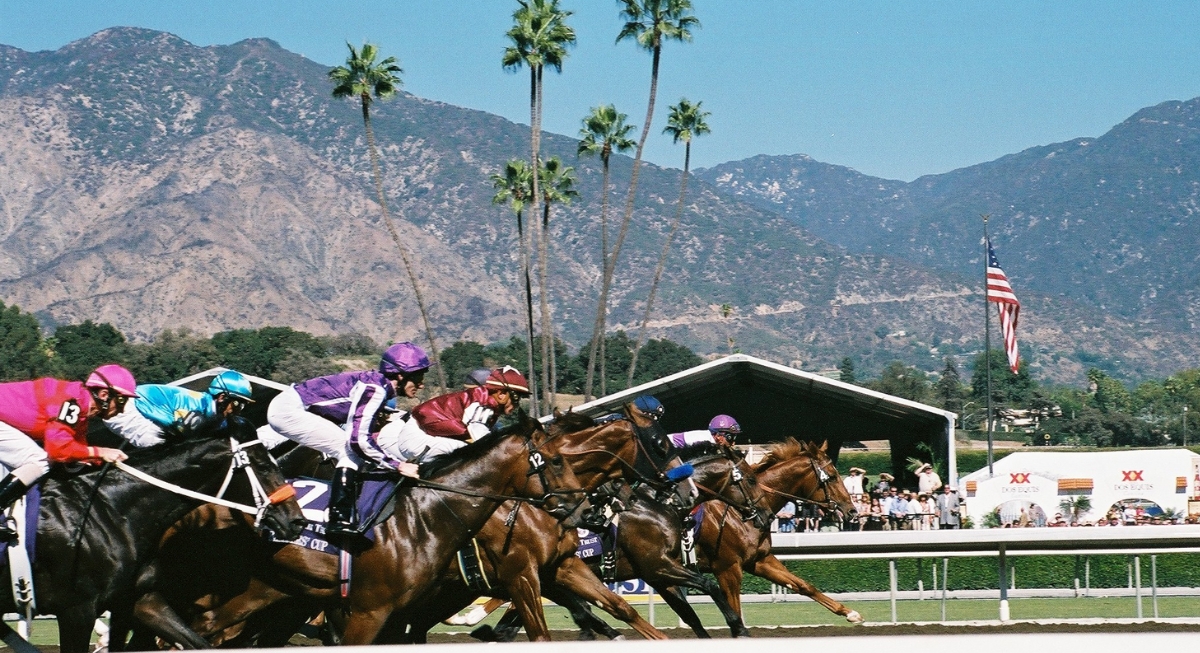
Some of the most important stories in Los Angeles are not obvious. Santa Anita Park, known today as a racetrack, once held thousands of Japanese Americans in temporary detention in 1942. Along the coast, entire fishing communities built by Japanese immigrants disappeared after forced removal. These spaces look ordinary now, but they carry a hidden layer that changes how you see the city.
Honor Traditions That Continue Across Generations
Credit: Wikimedia Commons
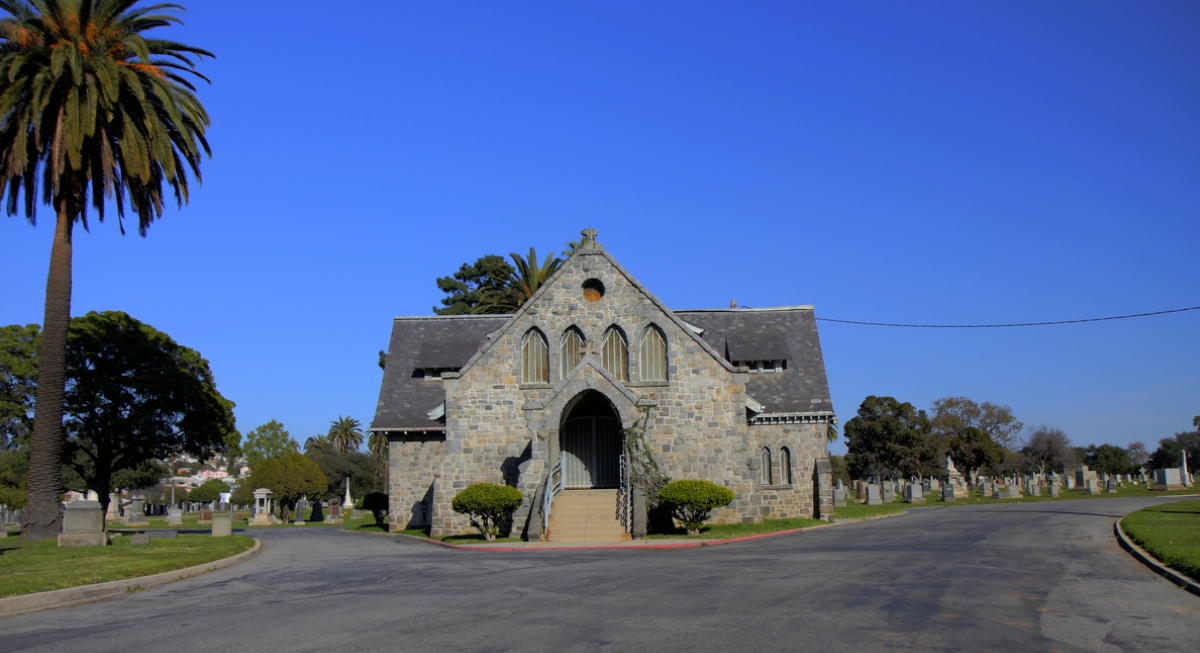
Evergreen Cemetery in Boyle Heights holds a section dedicated to Japanese pioneers and families, including a memorial to the 442nd Infantry Regimental Combat Unit. Every year during Obon, families gather to honor their ancestors. It is a reminder that culture is preserved through the rituals people continue.