Japan Actually Has the Most Insane Exclusive Coca-Cola Flavor Lineup
A Japanese convenience store’s Coca-Cola section can look completely disconnected from the rest of the world. Some releases last a few months before disappearing or becoming collector items for tourists, alongside Kit Kats and instant ramen. Japan’s soft drinks are like seasonal fashion drops, and Coca-Cola has leaned into that culture with a lineup of flavors, experiments, and limited releases.
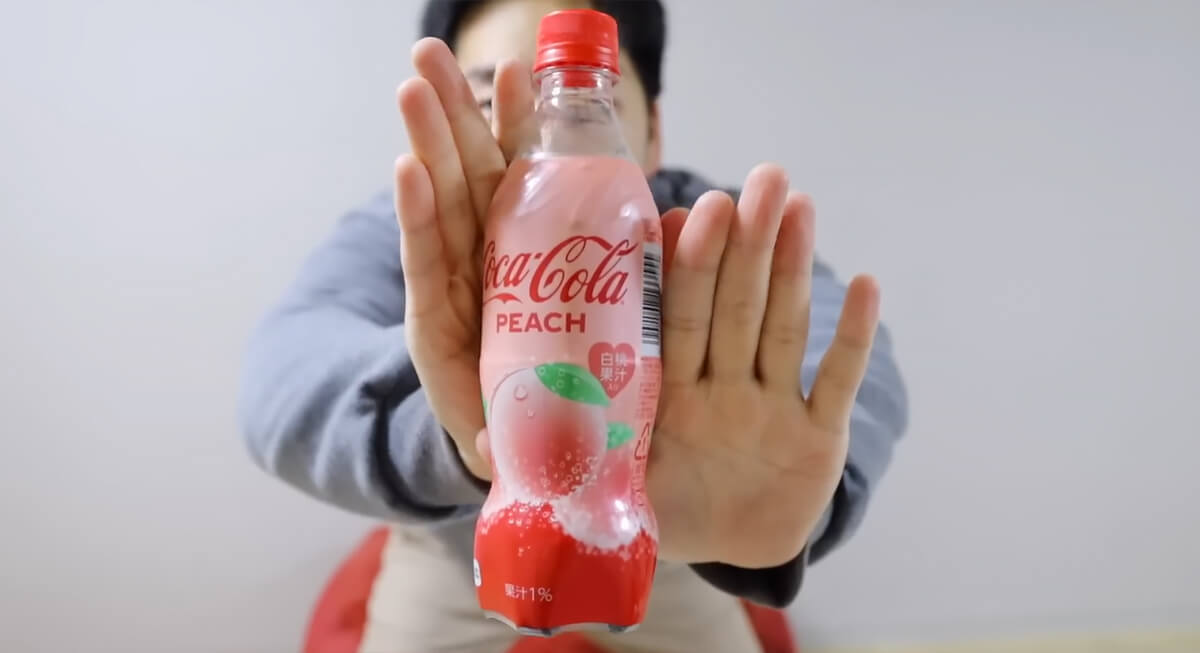
Coca-Cola Peach
Credit: Youtube
Coca-Cola Peach caught many people off guard the first time they tried it. The cola base was lighter than regular Coke. It allowed the fruit flavor to come through without turning into syrup. Japan released it during peach season, when supermarkets already overflowed with peach desserts, peach tea, and peach-flavored snacks. The drink quickly became one of those bottles tourists hunted down in convenience stores before leaving the country. Even the aroma was more of fresh fruit than soda flavoring.
Coca-Cola Apple

Credit: Youtube
Coca-Cola Apple arrived during Japan’s autumn snack season, so the flavor ended up surrounded by chestnut desserts, sweet potato treats, and apple pastries in convenience stores. The drink itself tasted like sparkling apple cider mixed with cola. Some people compared it to caramel apple flavor without the heavy sweetness. Coca-Cola also gave the packaging a more restrained look by using darker red tones and cleaner graphics.
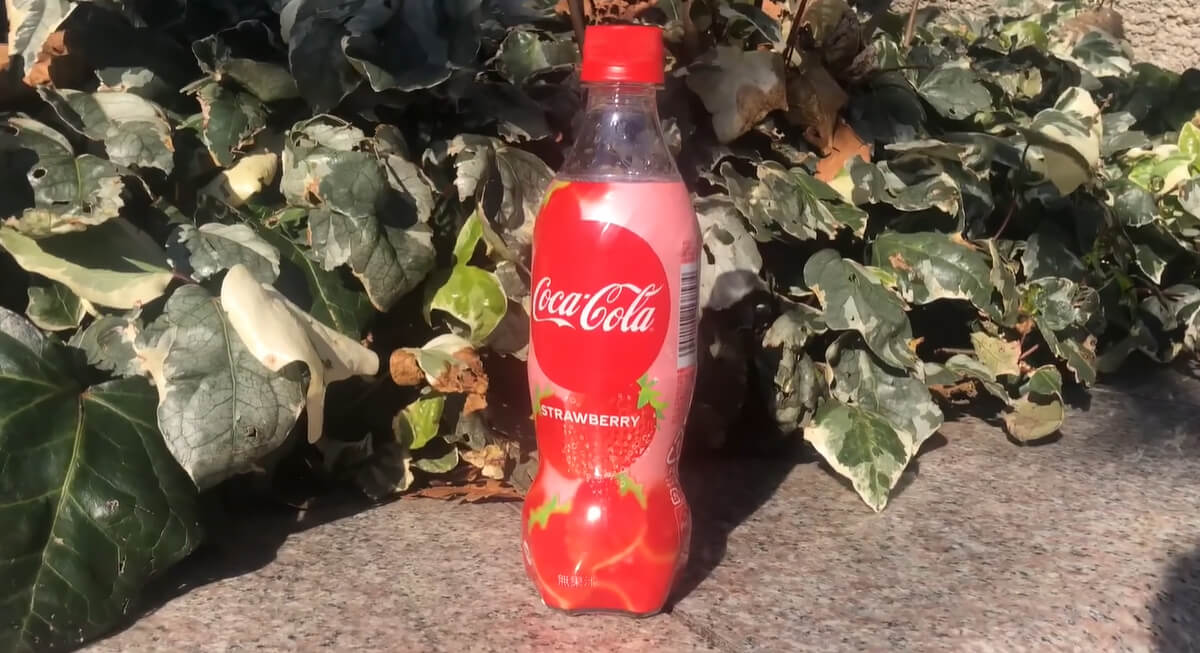
Coca-Cola Strawberry
Credit: Youtube
Strawberry cola sounds like a terrible idea, but this flavor, mixed into the darker cola base, was reminiscent of Japanese strawberry milk candy or chewing gum. Japan has a yearly strawberry craze. Stores start selling everything from strawberry sandwiches to strawberry instant noodles. That context made the drink seem less bizarre. But the flavor disappeared fairly quickly, too.
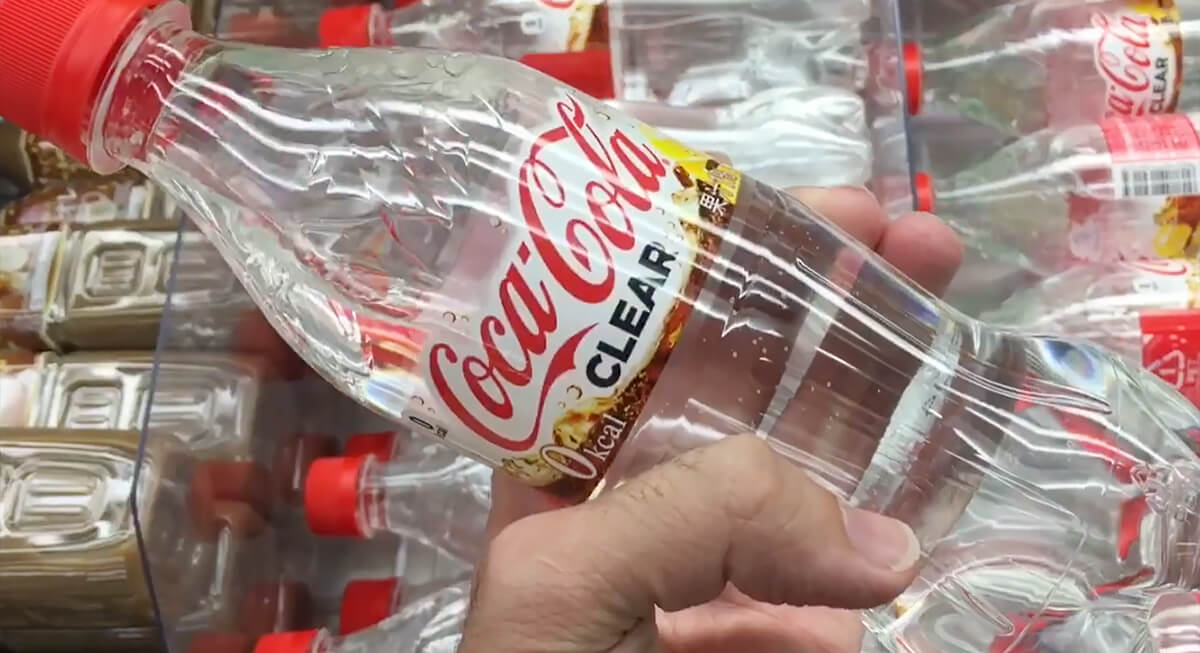
Coca-Cola Clear
Credit: Youtube
The first thing people noticed was the color, or more accurately, the lack of one. Coca-Cola Clear removed all dark caramel coloring. The drink looked more like sparkling water than Coke. Japan added lemon flavor to help compensate for the missing richness usually associated with cola syrup. Videos of tourists pouring it into glasses spread across social media because the visual effect looked fake.
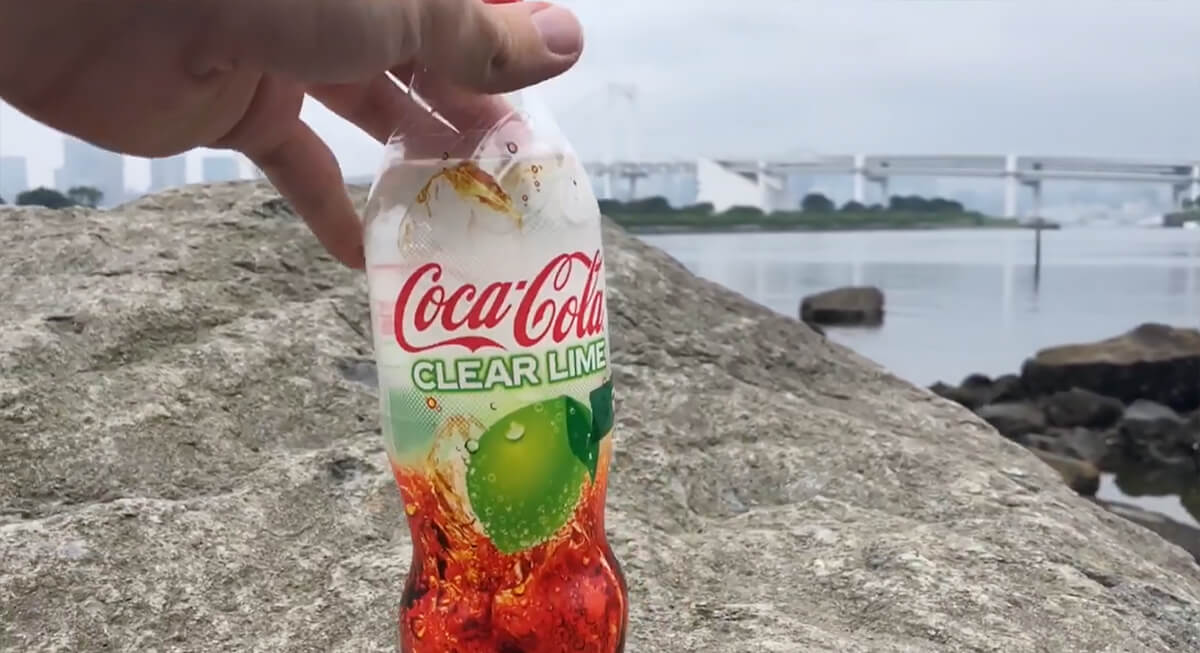
Coca-Cola Clear Lime
Credit: Youtube
Transparent cola was strange enough, but Coca-Cola Clear Lime pushed the concept even further with a sharper citrus profile. The lime made the drink closer to lemon-lime soda while traces of classic Coke still remained underneath. The temperature changed the experience quite a bit, too. Ice-cold bottles tasted crisp and citrus-heavy, while warmer ones brought more cola flavor forward. Travelers regularly discovered it by accident in vending machines at train stations, beside bottled teas and canned coffee.
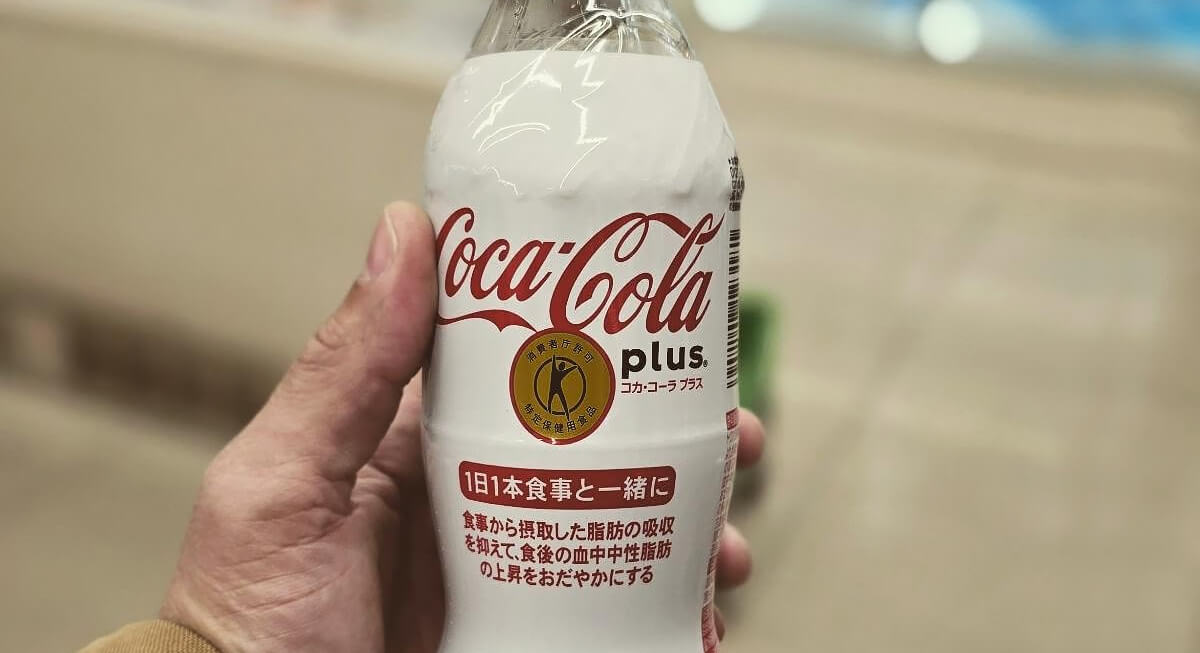
Coca-Cola Plus
Credit: Instagram
Japan found a way to make Coca-Cola a digestive health drink. Coca-Cola Plus included indigestible dextrin fiber and carried government-approved labeling connected to health claims under Japan’s FOSHU system. The product targeted adults concerned about fat absorption during meals, which already separated it from standard soda marketing. Even the bottle looked different. Its black-and-white packaging resembled that of bottled tea or wellness drinks sold alongside supplements.
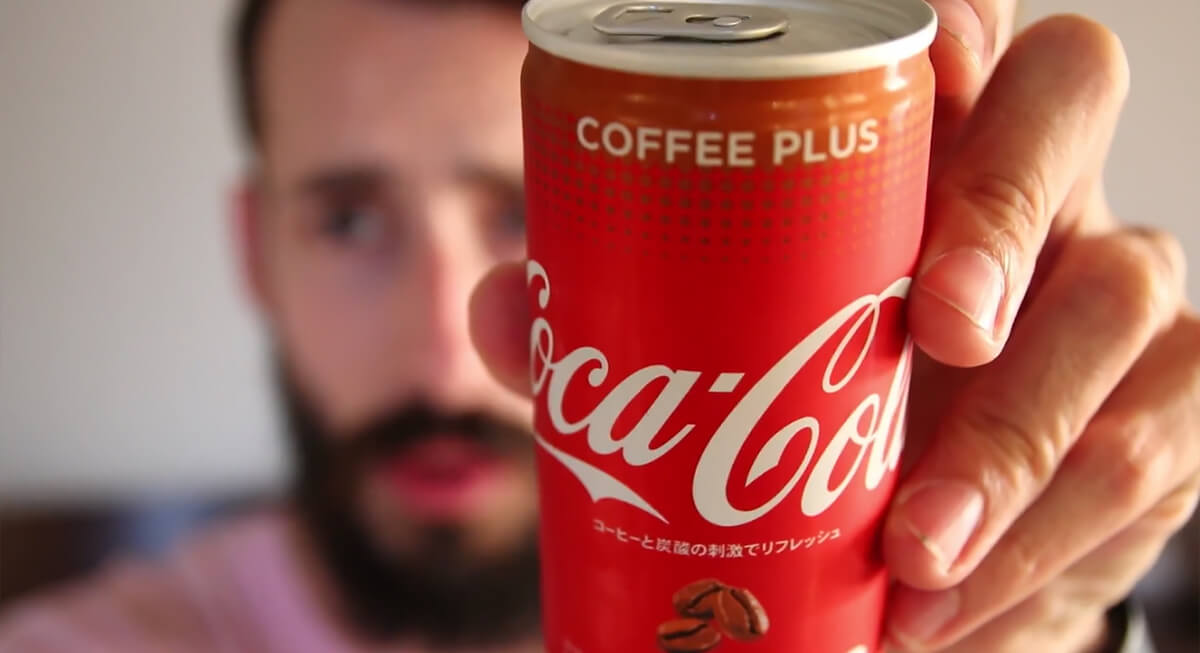
Coca-Cola Coffee Plus
Credit: Youtube
Coca-Cola Coffee Plus combined Coke with Brazilian coffee and extra caffeine, producing a darker, more bitter drink than ordinary cola. The drink turned into something between a cold brew, soda, and energy drink. It wasn’t fully like any of them. Office workers became an obvious target audience because canned coffee already dominates vending machines across Japan.
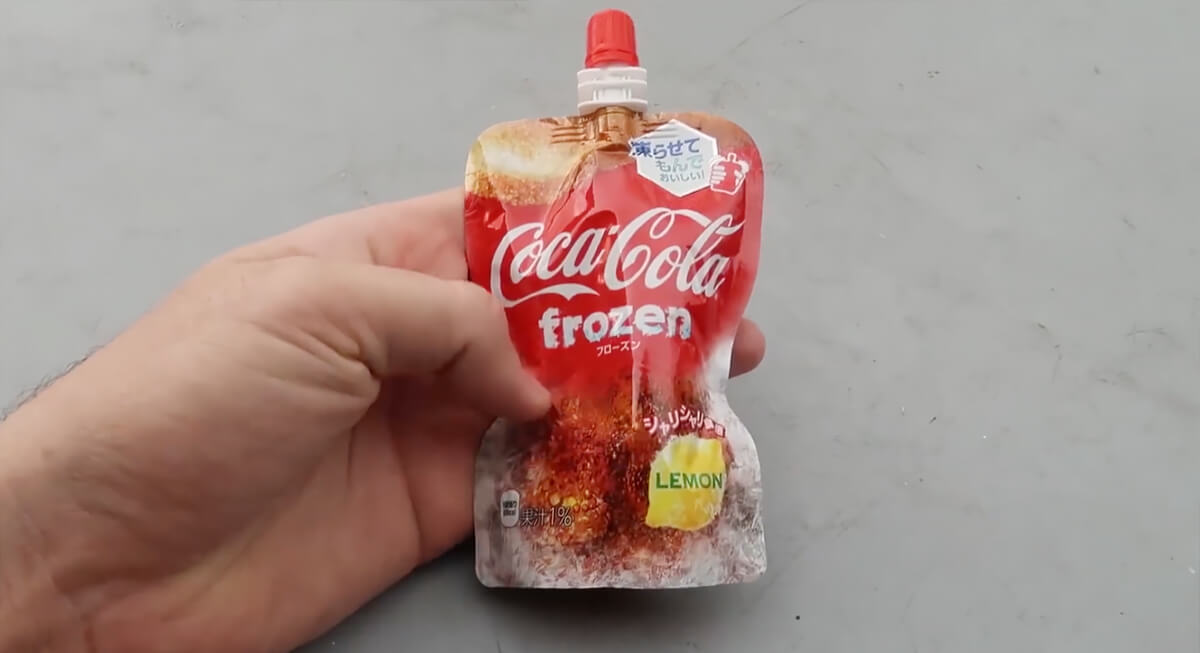
Coca-Cola Frozen Lemon
Credit: Youtube
Coca-Cola Frozen Lemon did not even come in a normal bottle. Japan sold the drink in frozen squeeze pouches that customers kneaded by hand before drinking it like a slushie. Convenience stores stocked them beside frozen sports drinks and ice desserts during summer months, when they fit naturally into commuter routines. The lemon flavor cut through the sweetness and gave the frozen cola a sharper finish that worked especially well in hot weather.
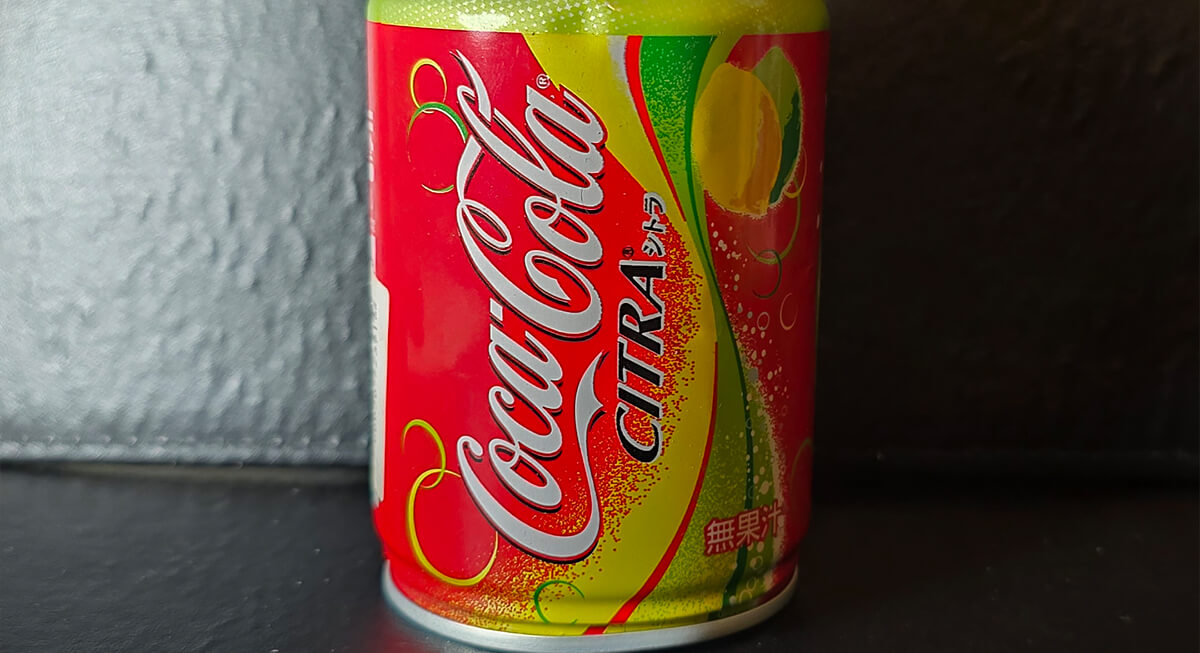
Coca-Cola Citra
Credit: Reddit
Coca-Cola Citra combined cola with lemon and lime flavors to produce a citrus soda. It was released in 2006, during a period marked by short-run Coca-Cola variations. The citrus profile was noticeable throughout the drink. Its green packaging also separated it visually from most other Coca-Cola products at the time.
Coca-Cola Energy Japan Edition

Credit: Youtube
Inside Japanese convenience stores, energy drinks compete directly against canned coffee, vitamin tonics, teas, sparkling water, and endless seasonal beverages. Coca-Cola Energy Japan Edition entered that crowded market, offering a recognizable cola flavor beneath its caffeine-heavy formula. This immediately separated it from competitors relying on neon colors and artificial fruit flavors.