Italy Plans to Host Concerts and Theater Performances Inside the Colosseum
For nearly two thousand years, Rome’s Colosseum has stood as one of the most recognizable structures ever built. Italian cultural authorities are now developing plans to introduce carefully controlled concerts, theater productions, and cultural performances inside the ancient amphitheater while maintaining strict preservation standards.
This initiative is being guided by Simone Quilici, director of the Archaeological Park of the Colosseum, who has stressed that any programming must align with the monument’s cultural, historical, and religious importance.
The broader vision centers on expanding visitors’ experience of the site through curated artistic events while keeping long-term conservation at the forefront.
A Landmark That Has Always Evolved
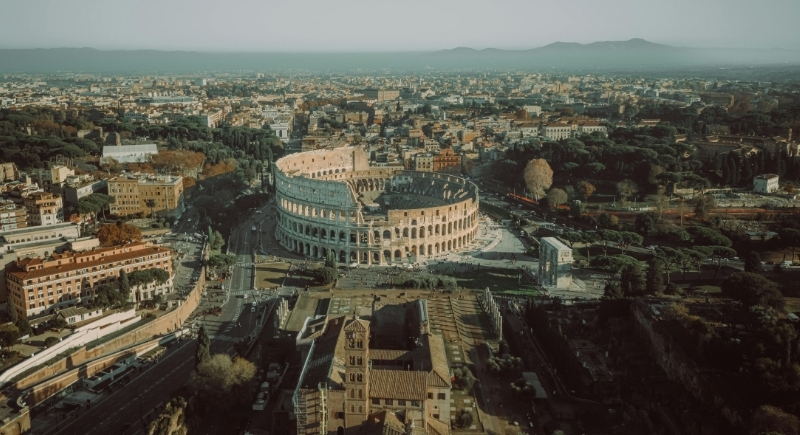
Image via Pexels/Stavro Ligori
Built around 80 AD under Emperor Titus, the Colosseum originally hosted gladiator contests, staged hunts, and public spectacles. Today, it draws millions of visitors every year and remains one of the most recognizable structures in the world.
Tourism numbers have grown steadily, and officials are looking at how visitors spend time at the site. Right now, most people walk through, take photos, and move on. Cultural programming could offer a different type of visit, one where people spend more time inside the space in a structured way.
What Performances Might Actually Look Like
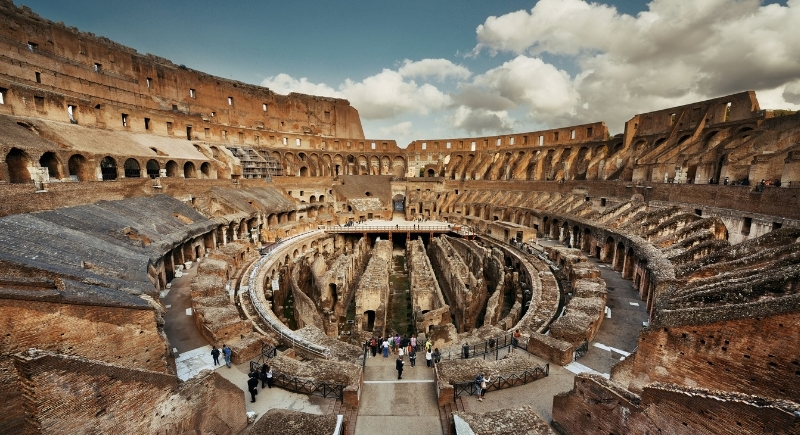
Image via Canva/rabbit75_cav
Early discussions focus on events that are quieter and smaller in scale. Ideas being considered include acoustic concerts, jazz performances, poetry readings, dance productions, theater pieces, and historically researched reenactments.
Large-scale stadium-style shows are not part of the conversation. Organizers are focused on events that fit the space.
Any staging would likely be temporary and designed to avoid touching or stressing sensitive archaeological areas.
Why Planning Is Moving Slowly
The Colosseum is both a historic monument and an active cultural symbol in Italy. It also plays a role in modern religious events, including the annual Via Crucis procession during Easter.
Because of that, planning involves archaeologists, engineers, preservation specialists, and cultural historians. They are studying sound levels, crowd sizes, lighting, and structural safety before anything moves forward.
Current estimates suggest regular performances are still at least a couple of years away.
How This Fits Into Rome’s Bigger Tourism Picture
The Colosseum has hosted a few special events in modern times, though never as a regular venue. Ray Charles performed there in 2002 during a concert for peace. Paul McCartney held a small acoustic performance in 2003. Andrea Bocelli later performed during special cultural events.
These events were tightly controlled and had limited audiences, which is likely how future events would be handled.
The Colosseum is inside a much larger archaeological area that includes the Roman Forum, Palatine Hill, Circus Maximus, and parts of the Appian Way. Many visitors focus only on the Colosseum, even though tickets often include admission to multiple nearby sites.
Officials are interested in encouraging visitors to spend more time exploring the wider historic area. Tourism data already shows visitors staying in Rome longer than they used to, which supports that approach.
What Visitors Might See in the Future
If the plan moves forward, attending a performance inside the Colosseum would probably feel closer to attending a museum concert. Audience sizes would likely stay small, and events would likely be scheduled infrequently.
Access could be limited through special ticketing or curated cultural programming. Nothing has been finalized yet. The project is still in the planning and study phase, and timelines depend on preservation reviews, engineering studies, and cultural approvals.