Italian Village Where Cats Outnumber People Welcomes First Baby in 30 Years
In the mountain hamlet of Pagliara dei Marsi, the soundscape has long been defined by paws on stone rather than footsteps. With a human population of around 20 residents and a free-roaming cat community that clearly surpasses it, the village has spent decades in decline. This pattern finally changed when a baby girl arrived last year, marking the first birth there in nearly 30 years!
A Birth That Stopped Time in a Shrinking Village
Baby Lara Bussi Trabucco was born in early 2025, marking the first birth in Pagliara dei Marsi since the mid-1990s.
In a place where entire generations have. passed without a new resident, her arrival was treated like a civic milestone. The village’s population, once steadily declining, ticked upward by one.
Neighbors gathered for her christening at the small church across from her home, filling the pews alongside familiar feline regulars. Residents who have watched schools close and houses empty over decades described the moment as something they never expected to see again.
Where Cats Became the Constant
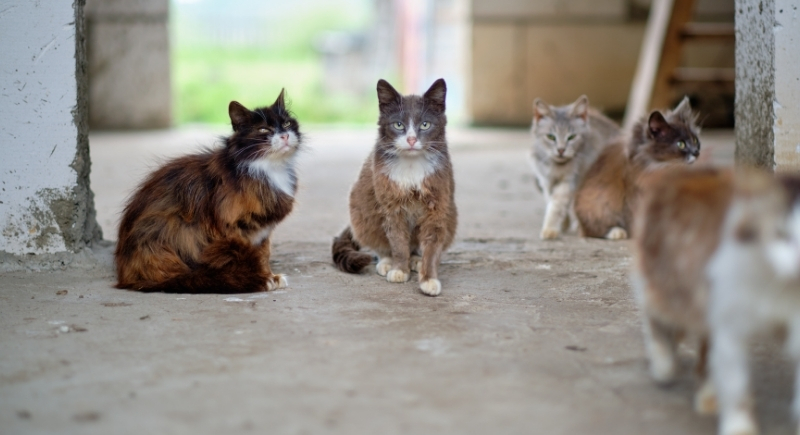
Image via Canva/Ihar Halavach
Pagliara dei Marsi is situated on the slopes of the Apennine Mountains in the Abruzzo region, an area that has been particularly hard-hit by rural depopulation.
As younger residents left in search of work and services disappeared, abandoned homes became shelters for stray cats. Over time, the animals became an inseparable part of daily life.
Cats wander freely between doorways, nap on sun-warmed walls, and outnumber the people who remain. The imbalance is striking, but locals see it as a natural consequence of years without new families.
One Baby, National Attention
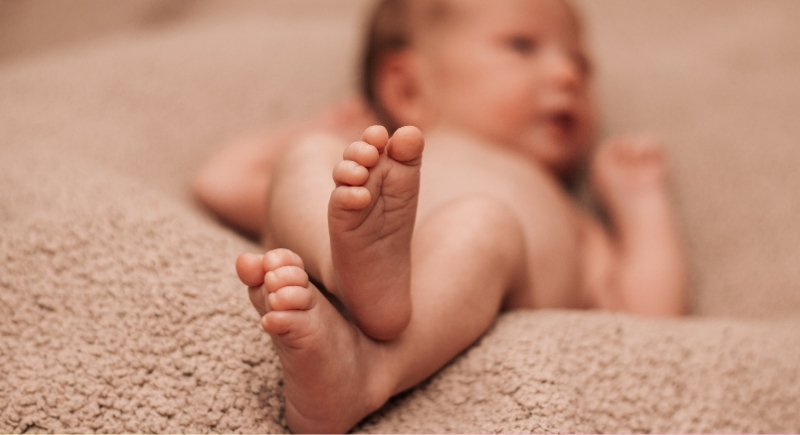
Image via pexels/Анастасия Триббиани
Lara’s arrival quickly reached beyond the village. Visitors began making detours to Pagliara dei Marsi after hearing about the baby born in a place better known for cats than cradles.
Her mother, Cinzia Trabucco, has said that people who had never heard of the village now arrive simply because of Lara.
The story also reflects Italy’s broader demographic reality. According to Istat, births nationwide fell to a historic low in 2024, continuing a long-term decline. Rural regions like Abruzzo have experienced some of the steepest drops, with aging populations and little generational turnover.
Hope Against Italy’s Demographic Winter
Italy’s government has tried to slow the trend with financial incentives, including a one-time €1,000 baby bonus and monthly child benefit payments introduced under Prime Minister Giorgia Meloni.
Lara’s parents receive both, though they have said money alone does not solve the deeper issues facing families in remote villages.
Concerns persist regarding childcare, education, and access to essential services. Pagliara dei Marsi has not had a resident teacher in decades, and future schooling depends on nearby towns that are themselves struggling to keep classrooms open.